Once upon a time, there was a city called London. It was full of smog and smoke, and a river that was so polluted that nothing good could live in it. The city was home to many criminals and many kings, and there was immense wealth and immense poverty. But the city had many people who spoke the truth, too; those who were determined to search both the palaces and the fetid sewers and expose each mile of its labyrinthine streets to the light and fresh air. And inch by inch they did this, and inch by inch London was reclaimed by the people who lived there.
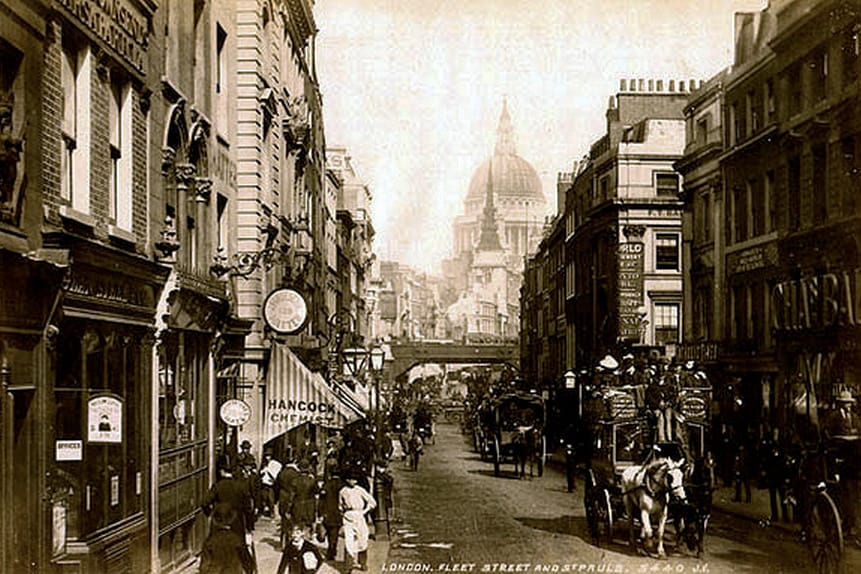
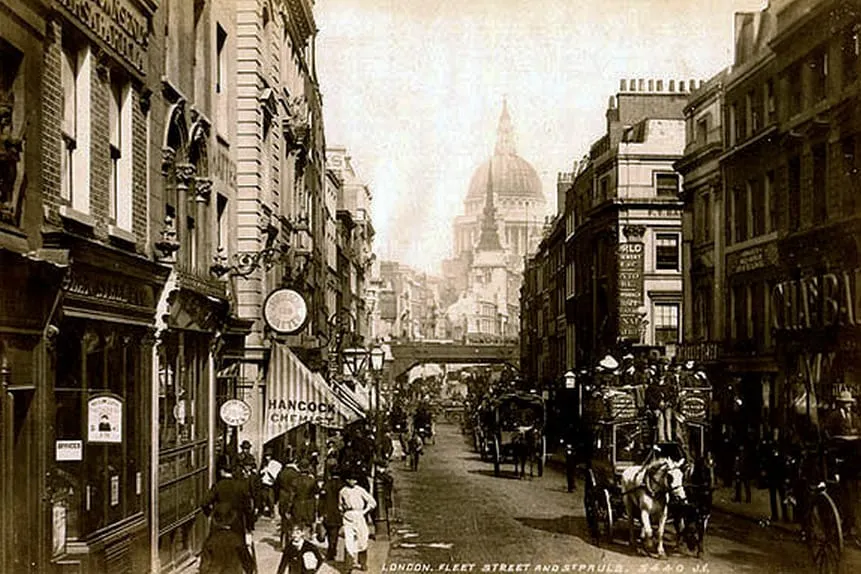
It’s only a fairy tale, of course. But every myth has a kernel of truth, a seed from which the narrative grows. London is, after all, where the English daily newspaper began — the short-lived Daily Courant, if you’re wondering, in 1702. In the 19th century, due to London’s massive population boom (as well as the scrapping of a tax on newsprint), there were newspapers everywhere: dozens, if not hundreds, of outlets, so many that the presses of Fleet Street never ceased. Whether you lived in Harrow or Hackney or Harringay, in Westminster or Walthamstow, there’d be a team of dogged journalists and hard-boiled editors dedicated to sniffing out everything happening in their patch of the world’s largest city.
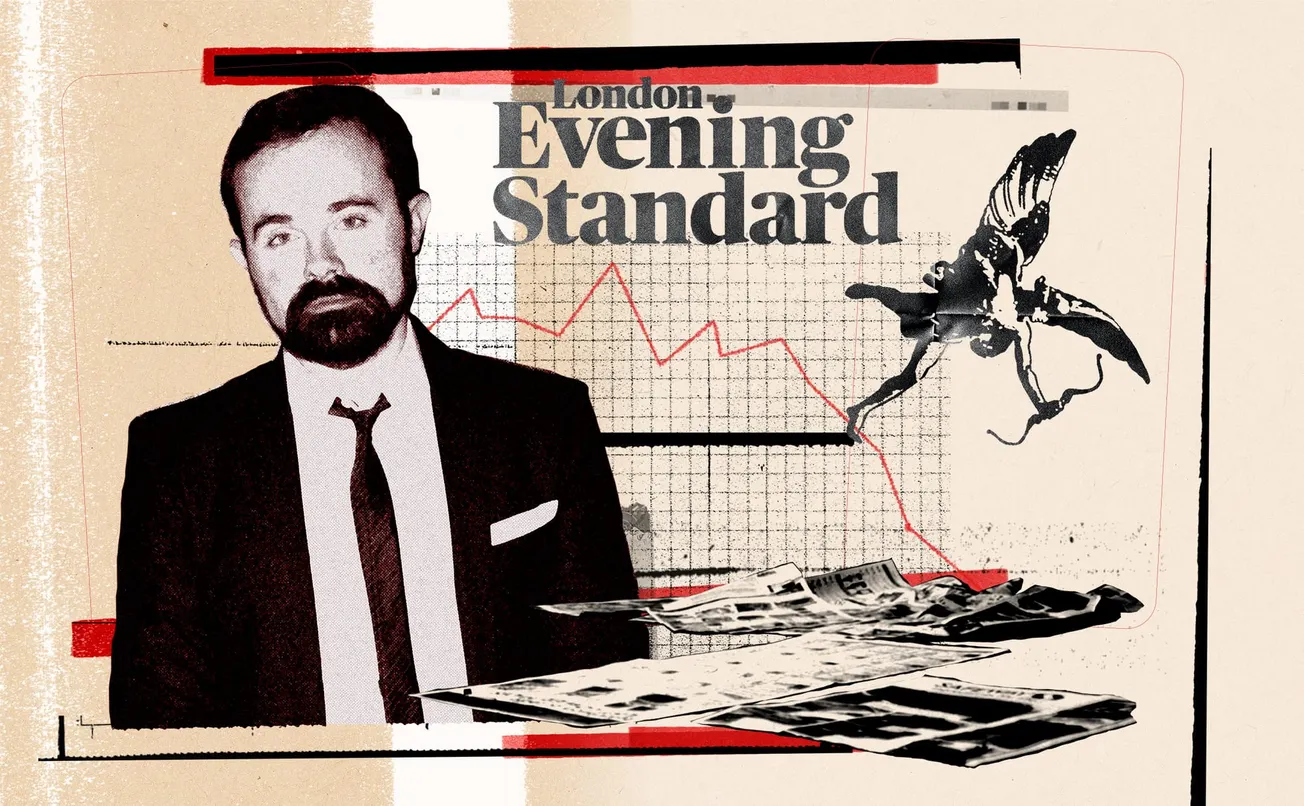
And to match this new metropolis came city-wide titles too, with names like the Star and the Globe, and — familiar to readers of Joshi’s Saturday read — the Evening Standard. Know of a seedy official who needed holding to account? A mill owner with some dodgy business practices? The only issue you might’ve had was which paper to give your tip to. And not only did these outlets provide the capital with news and investigations, they also covered its vibrant arts scene, shared society gossip and provided its populace with guidance on what to do and where to be seen.
This wasn’t just a quirk of the Victorian era, a relic to be left in the past with stovepipe hats and cholera outbreaks. Throughout much of the 20th century, you couldn’t move in the capital without bumping into some hack with hungry eyes and graphite-smudged fingers, whether lurking in the shadows of County Hall or sinking pints in dingy Soho pubs. If there was a crime scene, they’d often be there before the police were.
There’s a detail in Joshi’s piece which I’ve thought about ever since I first edited it: the image of the politician’s chauffeured car gliding past the Standard’s offices to pick up an edition and find out what everybody was going to be discussing that evening. It’s instructive: in a city where there are thousands, if not millions, of events happening at once, you have to become the news. It’s no coincidence that the paper began to decline when the citizens of the city it was supposed to serve no longer trusted it to properly report on what was happening; put simply, when they felt it was accountable to someone other than them. Now, as discussed in the article, the Standard is a shell. It may not exist much longer.
It isn’t the only one. Across the city, the vast majority of those outlets — the ones which hired dozens of people, created hundreds of thousands of pages of newsprint, which tracked down every source and grilled every politician — are gone. The capital’s wealthiest, and most secretive, are presumably rejoicing. Only last year, the South London Press, a local paper that began publishing in 1865, ceased operations after 160 years. And with it went over a century and a half of unflinching reporting, analysis and oversight.
Which leads us to… us. The Londoner. We’re part of that proud, 300-year lineage of London newspapers. And we’re committed, like our precursors were, to turning over every stone in this capital until we get to the truth, to getting our boots on and pounding the pavements to find out what’s really going on. And we get results: whether it’s our long-read on the Michelin-starred chef who’s supposedly left former staff and business partners high and dry, our expose of the overseas billionaires who own the city or the saga of the London lido empire that fell apart, we’ve shown that we can hold the capital’s rich and powerful to account.
But while we’re part of that narrative of great London journalism, we also want to do things differently. That’s why, unlike outlets owned by billionaires or private equity holding companies, we’re only accountable to you, our readers. And that makes us fiercely independent — and means the only “Friends of The Londoner” are our supporters, rather than the celebrities who attended our parties at the weekend.
The deal is simple: you become a paying member, and the money you give us funds our journalism. In return, you get four high-quality, in-depth pieces a week about the place you live, delivered straight to your inbox (along with perks such as access to our entire publication archives and a slew of members’ events, just for good measure).
The reason we currently put out four pieces a week is solely down to the 1,690 fully fledged members we now have. But in truth, that isn’t enough. We can’t keep afloat with that number. In fact, we aren’t breaking even at the moment. Journalism, as many of the outlets I mentioned above unfortunately found out, is an extremely expensive business if you want to do it properly.
But if you think, as we do, that it’s important that one of the biggest, wealthiest and most important cities in the world (which also just happens to be the place you and I call home) is properly scrutinised, excavated and celebrated, then we need your backing. Join The Londoner today and help create the outlet this city deserves — and help us make fairy tales come true.