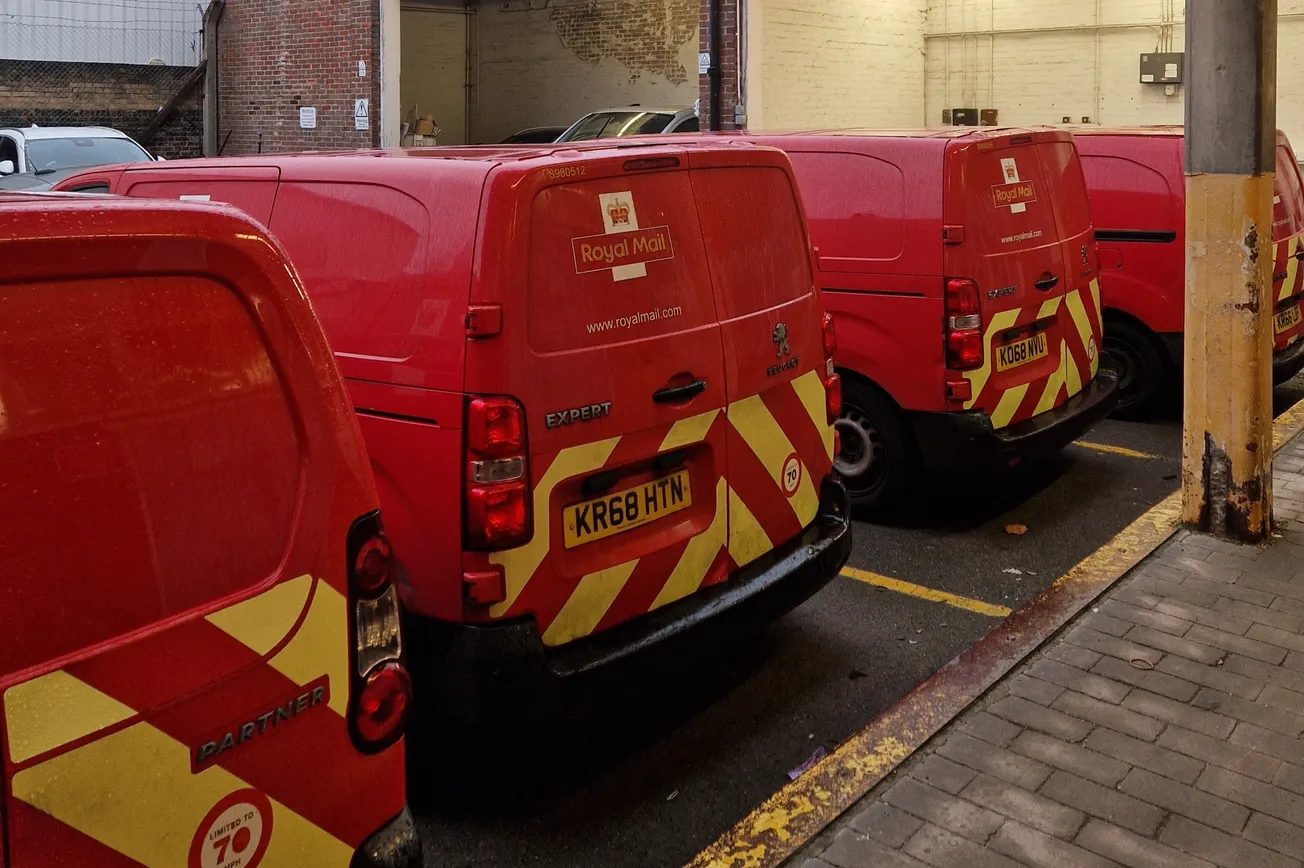
Stuck for last minute gifts? Never fear: buy any dwellers of the capital (past, present or future) the gift of high-quality journalism about their city, with a gift subscription to The Londoner.
You can get 44% off a normal annual subscription, or you can buy six month (£39.90) or three month (£19.90) versions too. Just set it up to start on Christmas Day (or whenever you prefer) and we'll handle the rest.
Hello and welcome to The Londoner, a brand-new magazine all about the capital. Sign up to our mailing list to get two completely free editions every week: a Monday briefing, full of everything you need to know about that’s going on in the city; and a high-quality, in-depth weekend long-read.
No ads, no gimmicks: just click the button below and get our unique brand of local journalism straight to your inbox.
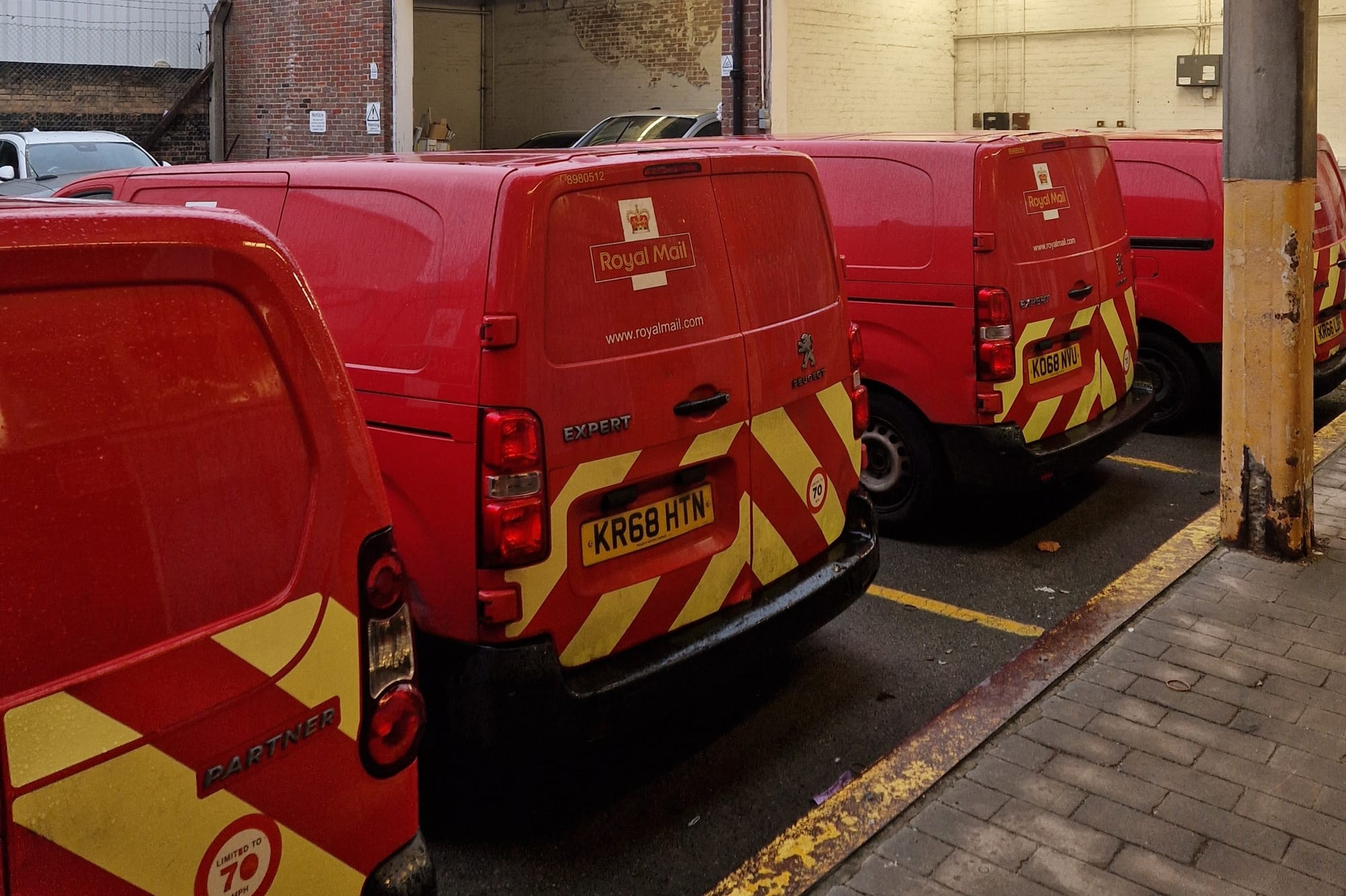
“We used to call it the ‘Christmas pressure’, and it would normally be two to three weeks before Christmas. Now we just call it ‘peak’, because it starts five weeks before, to encompass Black Friday.” It’s a drizzly afternoon in late November, and I’m speaking to Robert*, a man in his sixties, who’s been a postman at the same south west London delivery office for 40 years, just as the ‘peak’ begins. “When I first joined it was good fun, but it’s changed a bit in recent years, I’m not gonna lie.”
The post-pandemic shift to online-first retail has meant heavier workloads and longer hours for people like Robert. “I think the change was coming anyway, it just came a bit quicker,” he says with a sigh. “We were a letter business that delivered parcels, now we’re a parcel business that delivers letters.”
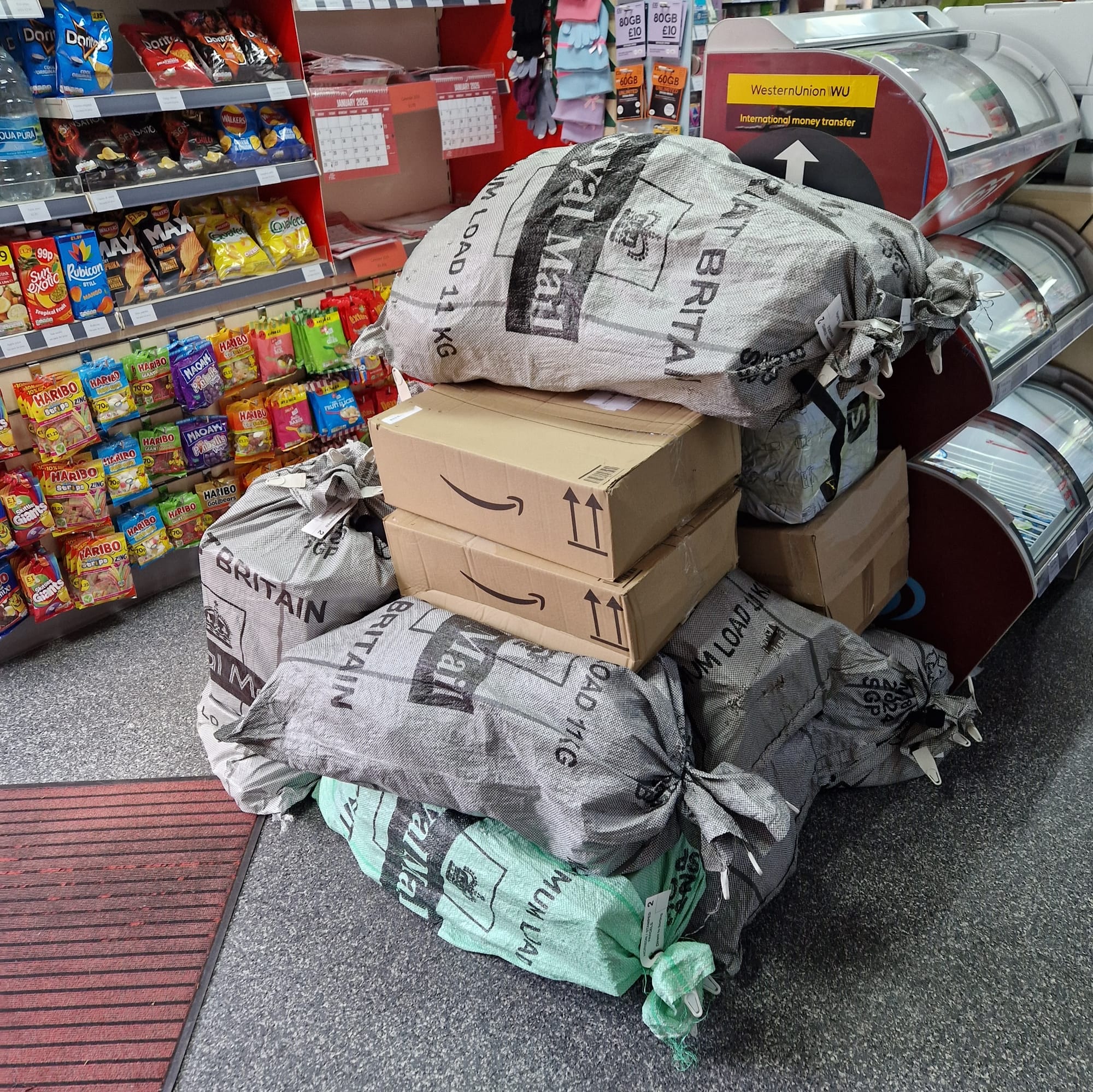
As Londoners rush to get the last of their Christmas shopping done, we wanted to showcase the working lives of the tens of thousands of postal workers who work across the city to deliver millions of packages this season. But it turns out to be a more difficult task than expected: as I traipse across the city in rain and cold, almost no one wants to chat. One time, I actually make it inside a delivery office, escorted by a sweet-faced young postman, before his manager emerges to shoo me away. My efforts to contact the central office of Royal Mail are rebuffed.

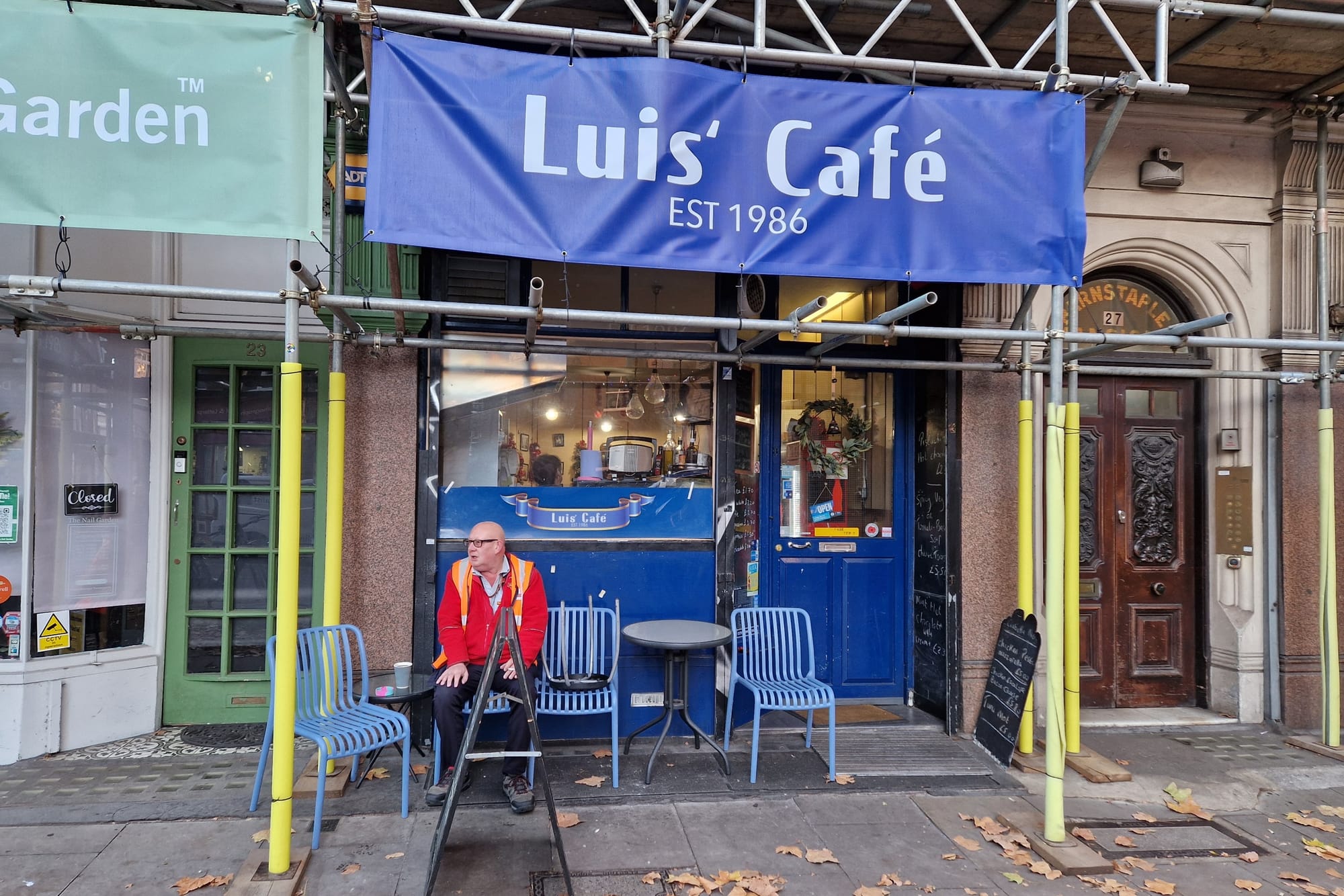
The nadir comes on a fruitless sub-zero temperature morning stood outside the country’s largest sorting office, Mount Pleasant in Farringdon, until one postal worker kindly points me to the “posties' caff”, where a woman in a blue tabard is cooking up full fry-ups in a tiny, tinsel-bedecked kitchen that amounts to a quarter of the whole premises. Despite the fact that there’s just a single booth, two bar stools, and enough space for three posties to stand alongside the counter, my proximity does nothing to help my chances — I continue to be rejected, but at least with a very strong cup of tea in hand.
Finally, one postie, an older man wearing heavy duty walking boots, takes pity on me. “I’d be surprised if you can find any postman who will talk to you,” he tells me. There was an incident a few years back, apparently, where a colleague was allegedly dismissed for negative social media posts. (Without more details, Royal Mail couldn’t confirm the veracity of this rumour, but to be safe, we’ve anonymised the posties interviewed in this piece.) Before I leave the cafe, he gives a final piece of wisdom. “I’ll tell you this: if Royal Mail offered voluntary redundancy, every guy in here would take it.”
Liana* has been a postie for nearly ten years, after taking the job because the hours were convenient as a single mum. When we speak, she’s just taken her first full weekend off in two months, mentally and physically preparing for the upcoming peak. “We have a shutdown on annual leave because it gets so mental,” she says. “Expect double, even triple volumes. I average about 40—60 parcels a day, but I’ve been told for the next few weeks to expect Covid levels: 100 parcels a day, plus my letters.” And in the wealthy west London neighbourhood she delivers to, it’s not just the parcels you need to worry about, it’s the seasonal magazines. “Bloody Harrods, those ones are heavy,” she tells me. “And I’ve got one for every door.”
When I relate what the man in the cafe said to me, Liana laughs. “Yeah, that’s definitely true,” she says. “Those guys are old school, they don’t want to quit with nothing.” She started working as a post woman because the early mornings fit well with caring for her ill mother, and her son’s school pick up. Now he’s a teenager, he doesn’t need as much looking after, but she loves the job, particularly the fact that she’s changing the old-white-guy stereotype of the role. She’s been working this route for four years, and now her households notice when she’s been on holiday, or had a haircut. “If you’re a people person, it’s a good job,” she says. “Even after all the changes, everyone in Royal Mail, we still value the job. That’s why we're all here.”
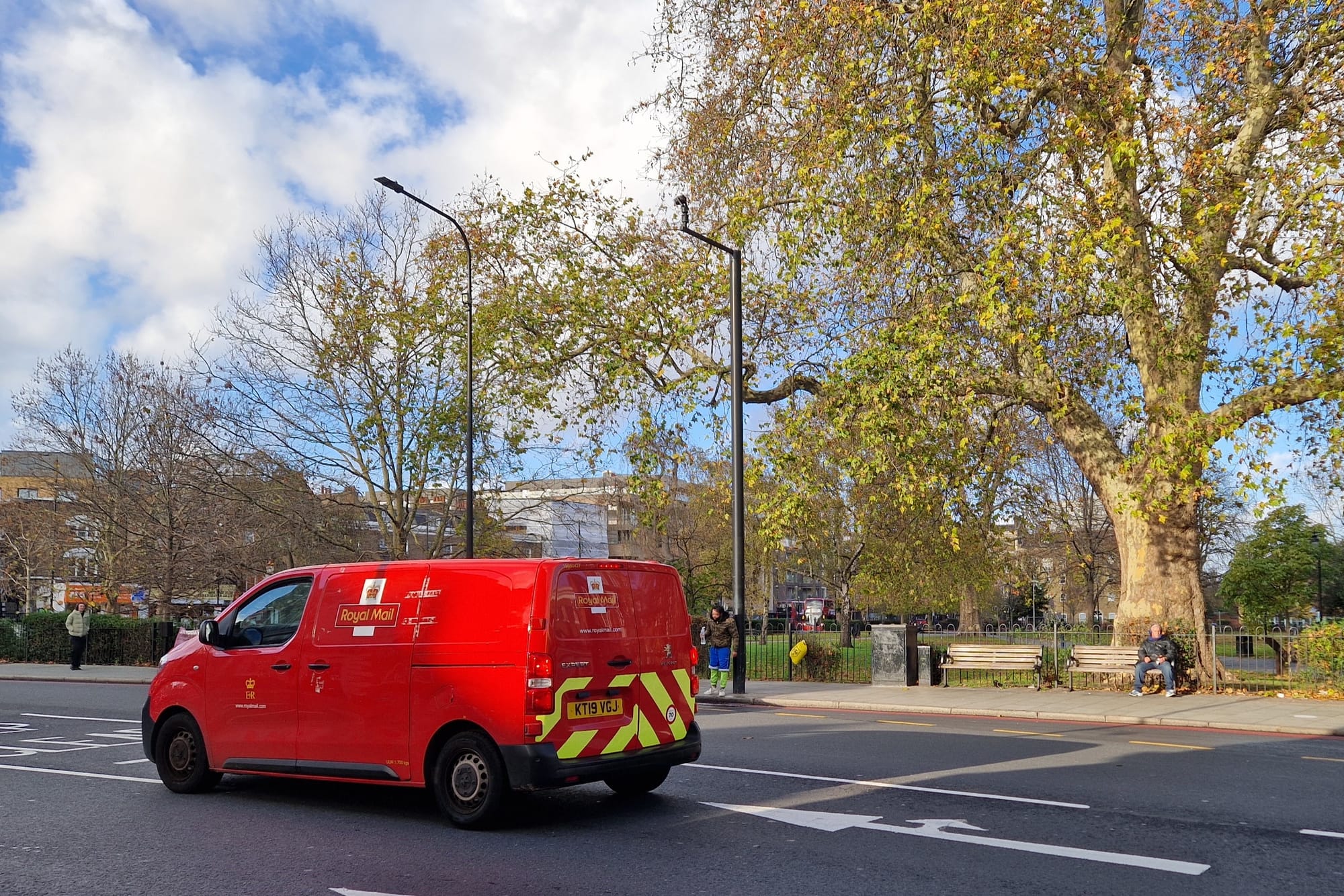
That’s why it can be “a bit demoralising”, she says, to see in the news recently that the Royal Mail has been fined £21 million by Ofcom for late deliveries. “We're really out there trying to complete everything,” she says. “But they’ve made the routes bigger, and sometimes the workload isn’t manageable in the timeframe. I sometimes see posties in Brixton, working until six or seven at night, out in the dark.”
It’s physically demanding, too. “When you look at posties, we’re not skinny minis,” Liana laughs. “But we’re quite fit. You're walking, walking, walking, you've got stairs, and you're lifting heavy. I’m 5 ft 1 in, and some of my collections are 30kg.” She worries about “the older guys”, she says, some of whom are in their seventies. Aged in her mid-40s, Liana says she’s one of the youngest in her delivery office.
Happy Saturday to our lovely readers. Having a good weekend so far? Here's one way you could make ours even better: by becoming a paying supporter of The Londoner. We aren't backed by billionaires or private equity firms (as much as that might make things easier, we're fiercely devoted to our independence and integrity). That means it's only through reader subscriptions, from people exactly like you, that we can continue to exist.
At the moment, we have 1,138 incredible paying members. By the end of this year, we'd like to be at 1,250. Can you help us get over the line? Becoming a supporter gives you access to all of the members-only content in our archive, as well as putting you at the vanguard of a media revolution. So, if you think the city deserves proper journalism, consider backing us for just £4.95 a month for the first three months.
After four decades in the job, Robert says he’s still only the fifth longest-serving in his office. “We've got a guy who’s 75, and he's still doing it, and he works his rest day as well,” he says. “It's in the DNA, really, once you’ve been in it a few years. We see it as a service.”
A Royal Mail spokesperson told the Londoner: “While this is our busiest time of year with volumes more than doubling, the vast majority of mail is being delivered on time. Where there is disruption, we work to resolve it as quickly as possible and keep services moving. Last year, 99% of items posted by the last recommended posting dates were delivered in time for Christmas, and we’re grateful to our posties for their efforts during this exceptionally busy period.”
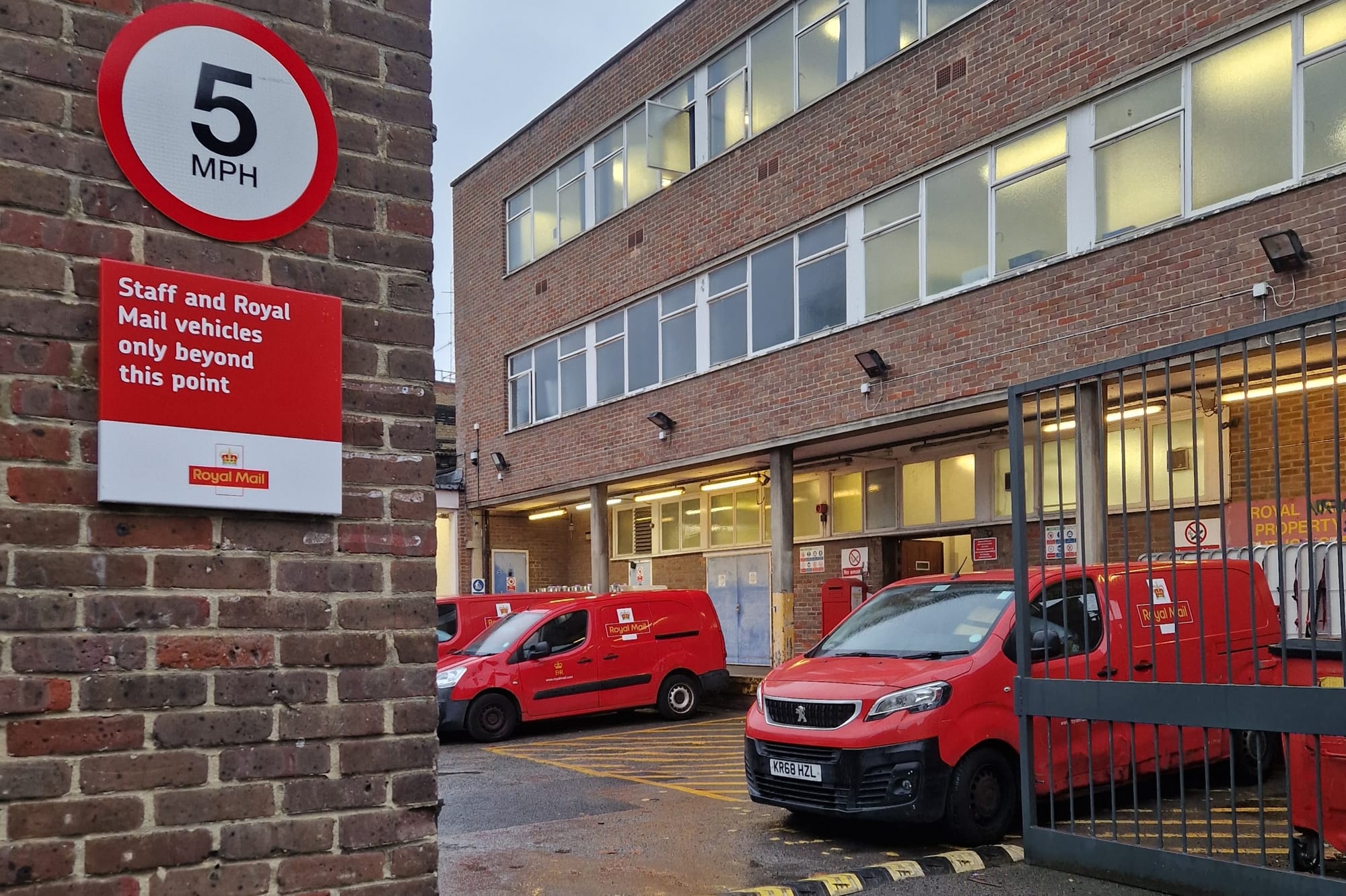
Many workers, like Liana, were attracted to the job because of the early morning hours and the flexibility, fitting around their other responsibilities. But that’s changed in recent years, due to increased demand for next-day postage, and as the Royal Mail’s efforts to reach net zero have seen it halve its usage of domestic flights. For London posties, that means working hours start and finish later. “It’s really impacting the younger people with families,” Robert says. “The ones who took this job so they could do the collection from school.”
“It used to be, once you’d done the last letter you were done,” Robert says. “They call it the postman’s path, because a postie will always find the shortest route.” Now, there’s a strict clock-in, clock-out system, paid for the exact hours you work.
Privatisation’s brought other shifts too — new starters are paid monthly rather than weekly, and have Sundays included in their contracts. It can create tensions between the new staff and the old, Robert says, knowing that they’re on different terms.
And the demands of the role means that often newbies don’t get much of an adjustment period, although the Royal Mail told the Londoner that all new starters received structured training and ongoing performance management. “The expectation is to hit the ground running, whereas they really need time to get used to the job,” Robert says. “We've had some lovely people come through the door recently and realise, hang on, this is not what they sold it to me.”
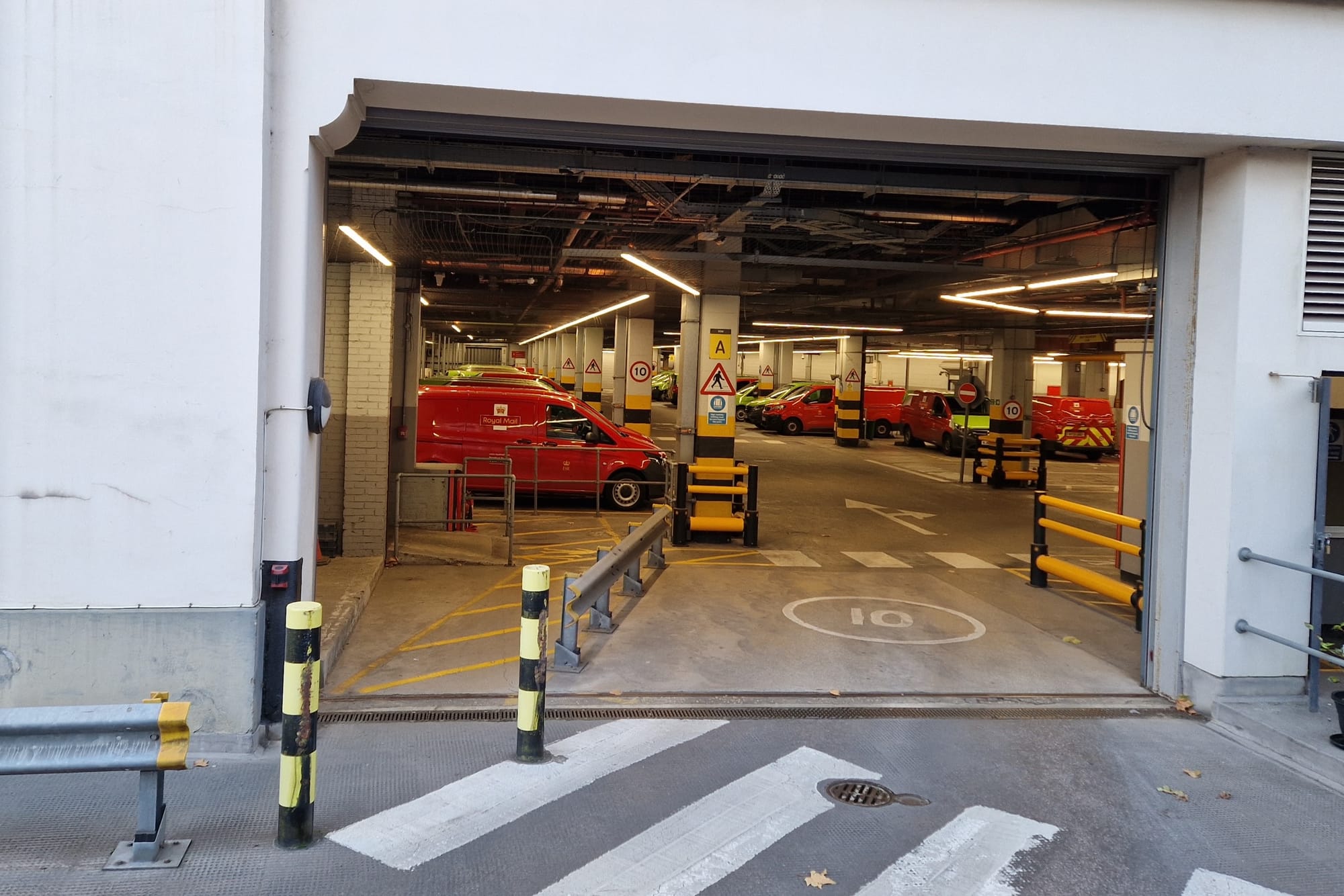
Despite that, Robert loves the job. “You're working with people and working with the community,” he says, and, he’s quick to add, compared to the pay and conditions seen in many gig economy delivery models, posties don’t have it too bad. “It is a steady, good job.”
And, Liana says, with the cost-of-living still rising, and her son angling for a new pair of trainers under the tree this year, she’ll take all the hours she can get.
*Names have been changed.
🎁 Want to give something thoughtful, local and completely sustainable this Christmas? Buy them a heavily discounted gift subscription. Every week, your chosen recipient will receive insightful journalism that keeps them connected to London — a gift that keeps on giving all year round.
You can get 44% off a normal annual subscription, or you can buy six month (£39.90) or three month (£19.90) versions too. Just set it up to start on Christmas Day (or whenever you prefer) and we'll do the rest.