Dear Londoners — I hope you had a wonderful weekend luxuriating in the spring sunshine. One of the most delightful things about the capital is how vast it is, and how going to a different area from the one in which you live and work can feel, when the weather is good, like going on holiday.
This weekend, recovering from yet another one of those hideous colds that seem to be doing the rounds at the moment in London, I decided to have a mosey around Little Venice, Maida Vale and St John's Wood. There, I saw a lot of Regency mansion blocks, the interior of the stunning Warrington Hotel pub, the inevitable horde of Beatles-hungry tourists waiting at the Abbey Road crossing and, bizarrely, a huge amount of private security details wandering around Acacia Grove. If you know what that's all about, other than simply "super prime housing", then get in touch in the comments — and do send over any suggestions of where I should go next on my jollies.
Welcome to The Londoner, a brand-new magazine all about the capital. Sign up to our mailing list to get two completely free editions of The Londoner every week: a Monday briefing like this one, full of everything you need to know about that’s going on in the city; and a high-quality, in-depth weekend long-read.
No ads, no gimmicks: just click the button below and get our unique brand of local journalism straight to your inbox.

Sandi Toksvig takes the hot seat
This spring, John Lloyd brings his new unfiltered series, On A Roll, to the Gillian Lynne Theatre. The series brings Lloyd and his guest together in close conversation, for the kind of unguarded chats that are usually kept behind closed doors.
Later in the season, broadcast icon Sandi Toksvig will bring her legendary warmth and wit to the series. Join them for a night of role-reversal and revelations — with an exclusive discount just for Londoner readers
Is the arson attack in north London the ‘culmination’ of months of antisemitic incidents?
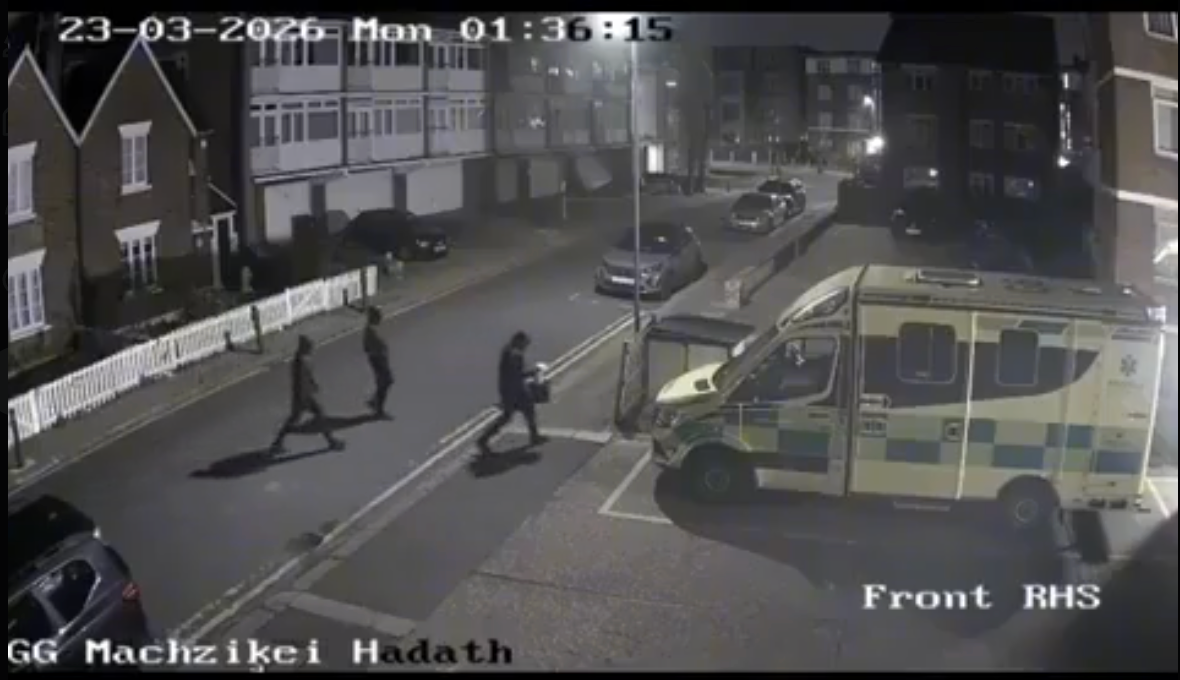
Sitting snug off Golders Green road, Highfield Road is a sleepy, unremarkable street of lowrise flats and 1930s Metroland semis. Its only real point of interest is the small Machzike Hadath Synagogue, formerly a Protestant chapel, and the neon-striped Hatzola charity ambulances that nestle in its carpark next door. That’s where, at 1.45am this morning, a group of masked figures, heads low, gait determined, walked across the street with a bottle of accelerant and set four of the vehicles on fire.
It soon became an inferno: the oxygen canisters in the vehicles exploded, shattering the windows of a neighbouring block of flats and the synagogue. It would take six fire engines and 40 firefighters to get the blaze under control — though luckily, no-one was injured. This morning, shocking footage of the blaze and CCTV of those who did it has spread over social media and into the national press.
The ambulances in question were run by a local Jewish charity, Hatzola, which was established in 1979 and uses volunteers to provide free medical transportation and additional emergency response to those in north London. The religious nature of the charity, and its location in one of the centres of Jewish life in the capital, has led police to conclude the attack was an antisemitic hate crime.
We reached out to local ward councillor and head of Barnet Conservatives, Peter Zinkin, to find out more about how the local community is feeling in the aftermath of the incident. “The number of antisemitic attacks in the last two years has been on a scale not seen for 25 or 50 years,” he told The Londoner. “This is just the culmination.” Zinkin added that local constituents had raised concerns about worsening antisemitic incidents for the last two years.
According to Metropolitan police data analysed by The Londoner, the local ward records an average of one antisemitic hate crime a month, and the wider borough — Barnet — had the second most antisemitic crimes in the city this last year, behind only Hackney. They’ve included robbery and vandalism at a local Kosher restaurant, a physical assault on two Jewish boys as they walked down the street, a suspected arson attack on the offices of then-MP Mike Freer, and a man smearing faeces on local synagogues and Jewish nurseries.
“The local community is a mixture of upset, distressed and frightened,” Zinkin explained. “So might you be if you lived in a block of flats, with ambulances parked next to you, and in the middle of the night some people came and deliberately set them on fire”.
Since the attack last night, action has been swift. Prime Minister Keir Starmer called the incident a “horrific antisemitic attack” and the government has pledged to replace the four ambulances at no cost. Counter-terrorism police are now looking into the incident, and are investigating claims made online by an Iran-linked militant group that said it was responsible for the attack. Detective chief superintendent Luke Williams told the press that the force were looking to identify three hooded suspects who were caught on CCTV “pouring accelerant onto vehicles before igniting it".
As the investigation continues, the force pledged to launch extra patrols in the area to try and prevent any further incidents. But is it enough? “The real question is not about the police putting on patrols to reassure the community,” Zinkin told The Londoner. “The real question is, how much resource that police can devote to actually protecting the community, which is clearly what is needed.”
What’s going on at Battersea Power Station?
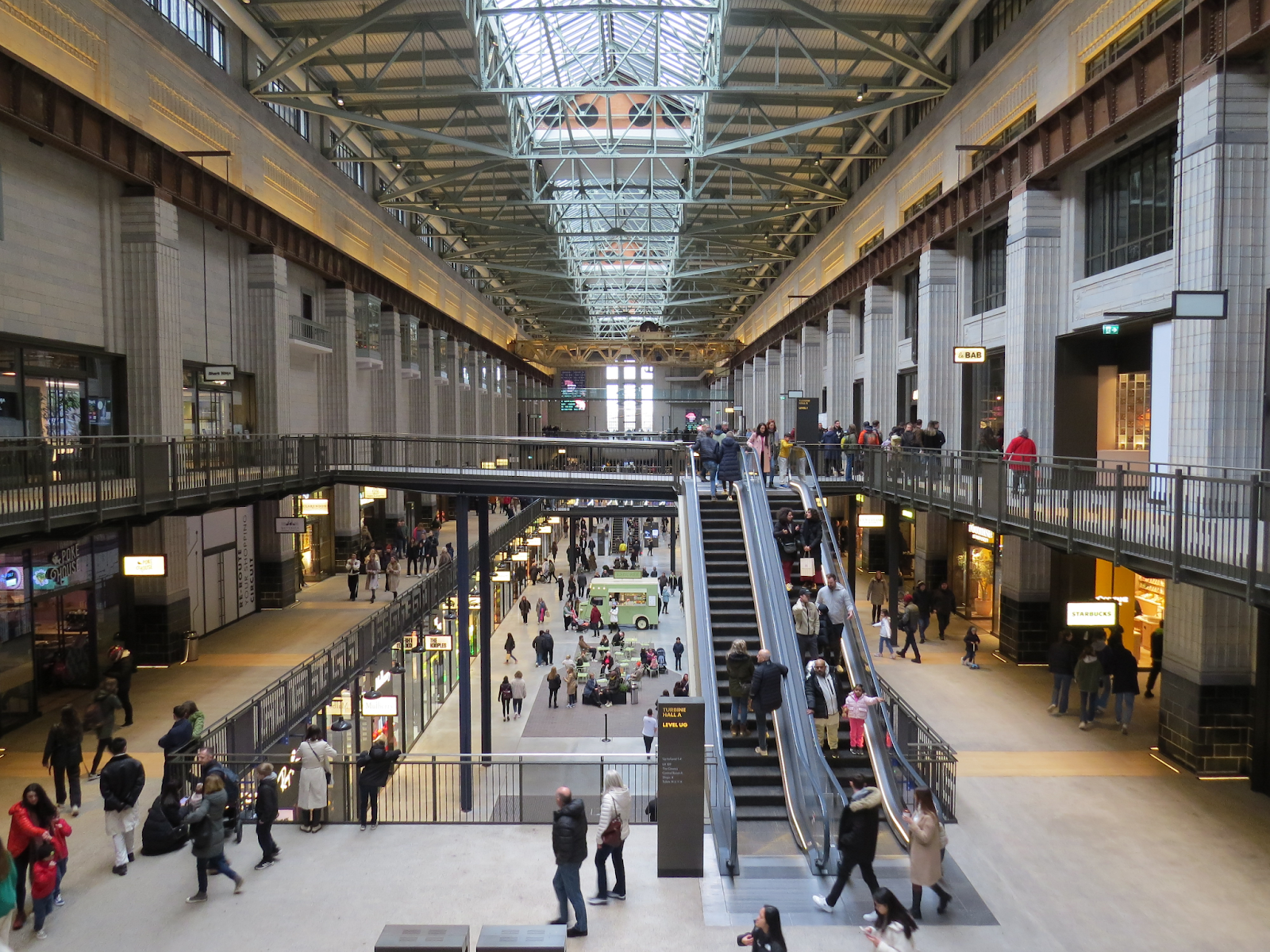
It’s been just over three years since the opening of Battersea Power Station, a landmark redevelopment that was supposed to create a new retail district for the capital. But behind the scenes, things seem altogether less rosy.
This week an employment tribunal, covered by the FT, revealed how former chief executive Donagh O’Sullivan was forced out of his role at the company in May 2025 in rocky circumstances. He had, months earlier, raised concerns that the company’s internal accounts put the value of plots of undeveloped land on the site at hundreds of millions of pounds more than what independent assessors had said they were worth. The company, on the other hand, claimed O’Sullivan was fired over poor performance, a lack of leadership and allegations of misconduct.
When pushed to explain what they meant by “misconduct”, two examples of “unbecoming” behaviour were shared: a photo on LinkedIn of O’Sullivan hugging a person in a Peppa Pig costume (promoting a new store opening at the development) and, horror of horrors, him addressing cleaners and security guards by their first names.
Know any more about what’s going on? Get in touch confidentially with andrew@the-londoner.co.uk.
The long death of London’s favourite Wetherspoons
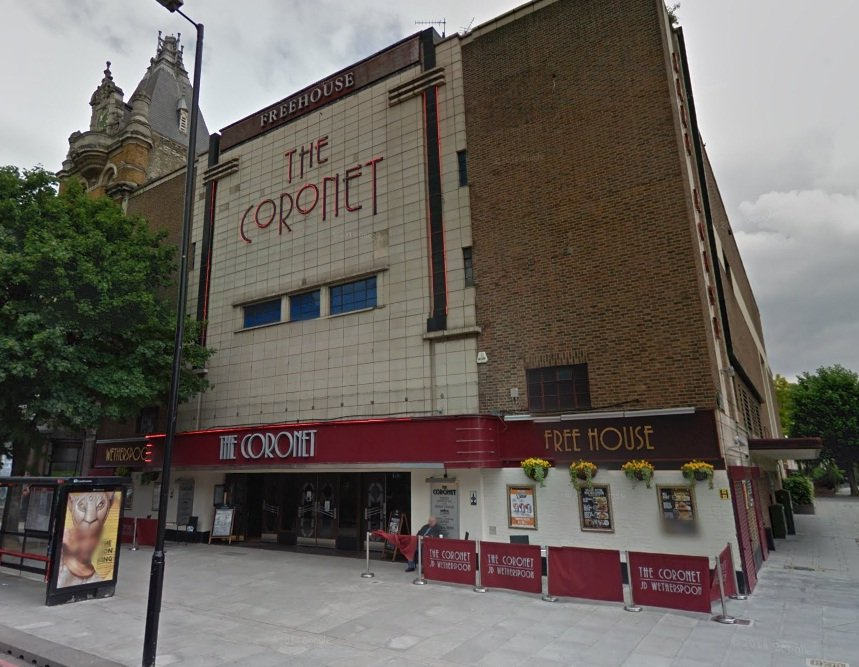
Many of our pint-loving readers will know the Coronet. A beautiful art deco former-cinema in Holloway, it became the capital’s most beloved Wetherspoons after the building was saved in 1996. That is, until it closed in 2023 and was sold by the pub chain in an effort to stem slumping revenues.
It turns out in the years since, things have only got weirder. Over the last few years, the building’s new operators — a firm called Toll Gate TPL Limited, run by two men called Ali Salami-Asl and Saeed Farsi — seemed to have big plans for the cinema-turned-pub. In April last year, they successfully applied to Islington council to get a license to host boxing, wrestling and MMA fights at the venue, according to the Islington Gazette. But last week, eagle-eyed pub campaigners took to social media after noticing a letter had been posted on the door saying that bailiffs working for the building’s overall owner DN Property London had taken control of the venue from the new managers.
What’s next for the popular north London spot? Despite the near century-old cinema having such a distinct design, as far as we could tell it doesn’t have listed status. Meanwhile, its status as an asset of community value — the main protection pubs can get from redevelopment — has expired, according to CAMRA. As a result, the next time we hear news of the Coronet, it may be more terminal than a bailiff’s letter.
More Green defections turn south London into a battleground
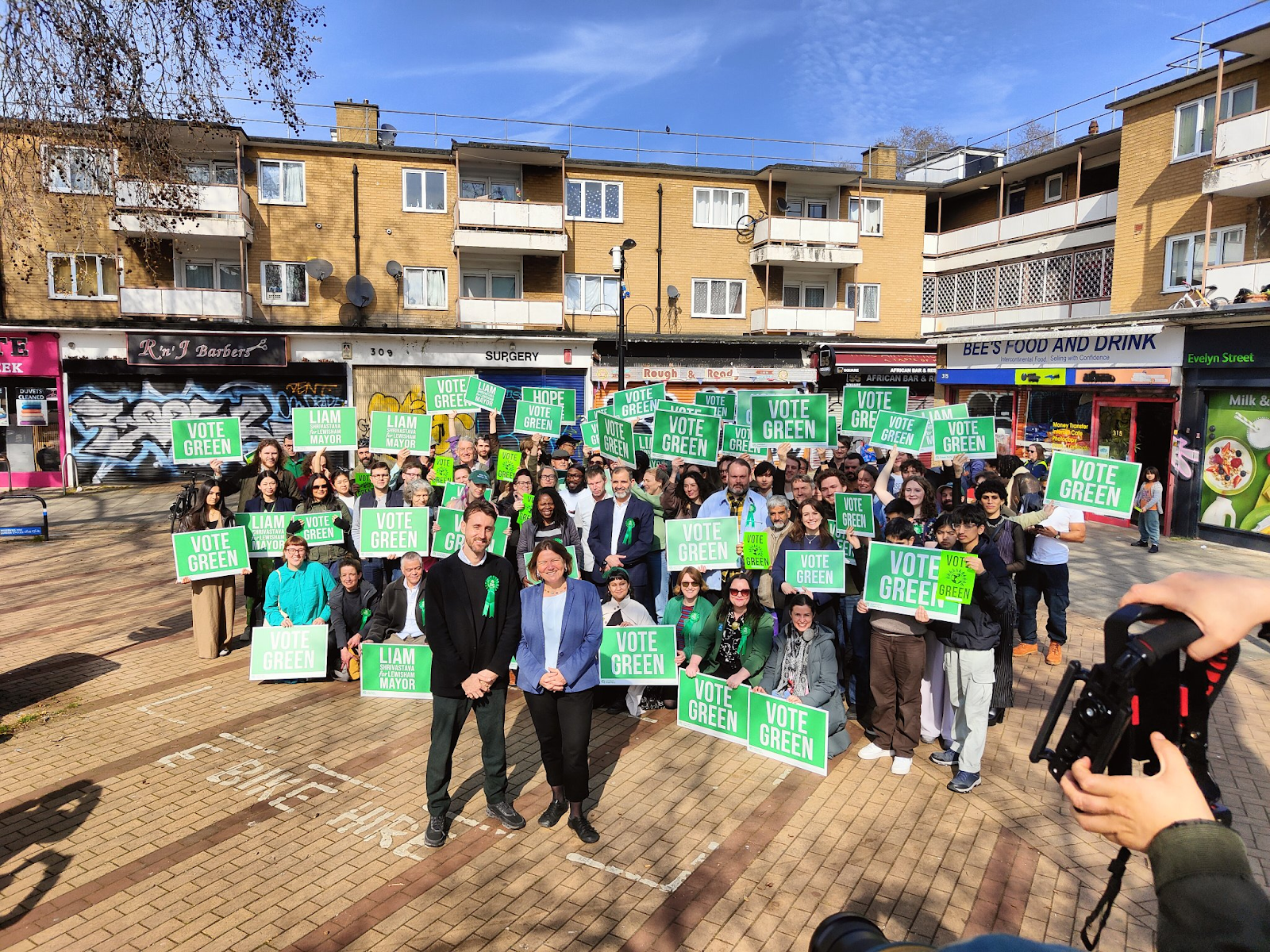
Last week, we received a tip off that yet more angry Labour councillors were set to defect to the Greens over the weekend. At an event on Sunday in Lewisham, it was announced that two local councillors — Rudi Schmidt and Tauseef Anwar — were joining the insurgent left-wing party. They were later joined by Soraya Adejare, a councillor in Hackney.
The fact a Hackney councillor might join the Greens may not be too surprising. As we’ve covered a few weeks ago in The Londoner, the east London borough, which is home to party leader Zack Polanski, is probably the party’s main target for the elections in May.
But the defections in Lewisham are more eyebrow raising: the borough, once a Labour stronghold so safe there wasn’t a single opposition councillor, now has four Green councillors. In fact, Labour are increasingly worried about the authority, and it’s been earmarked as a major campaigning target. In recent days, big name MPs, including David Lammy, have headed down there in an effort to shore up votes ahead of May’s local elections, in which the Lewisham mayoralty is up for grabs. Rest assured, we’ll keep our eyes on the race the closer we get to election day.
Quick hits
- A fight breaks out on the Elizabeth line after a group of youths were told to stop vaping.
- The Cutty Sark DLR stop finally reopens after station improvements.
- Two new town locations in London have made the final seven-part shortlist of the highest priority sites.
- The Natural History Museum was the UK’s most popular tourist attraction in 2025, defying falls in visitor numbers seen elsewhere.

Are you a journalist looking for a new challenge? We're launching a new sister newspaper in Leeds. If you've got three years of experience and want to be part of creating something brand new, then apply here.
In case you missed it…
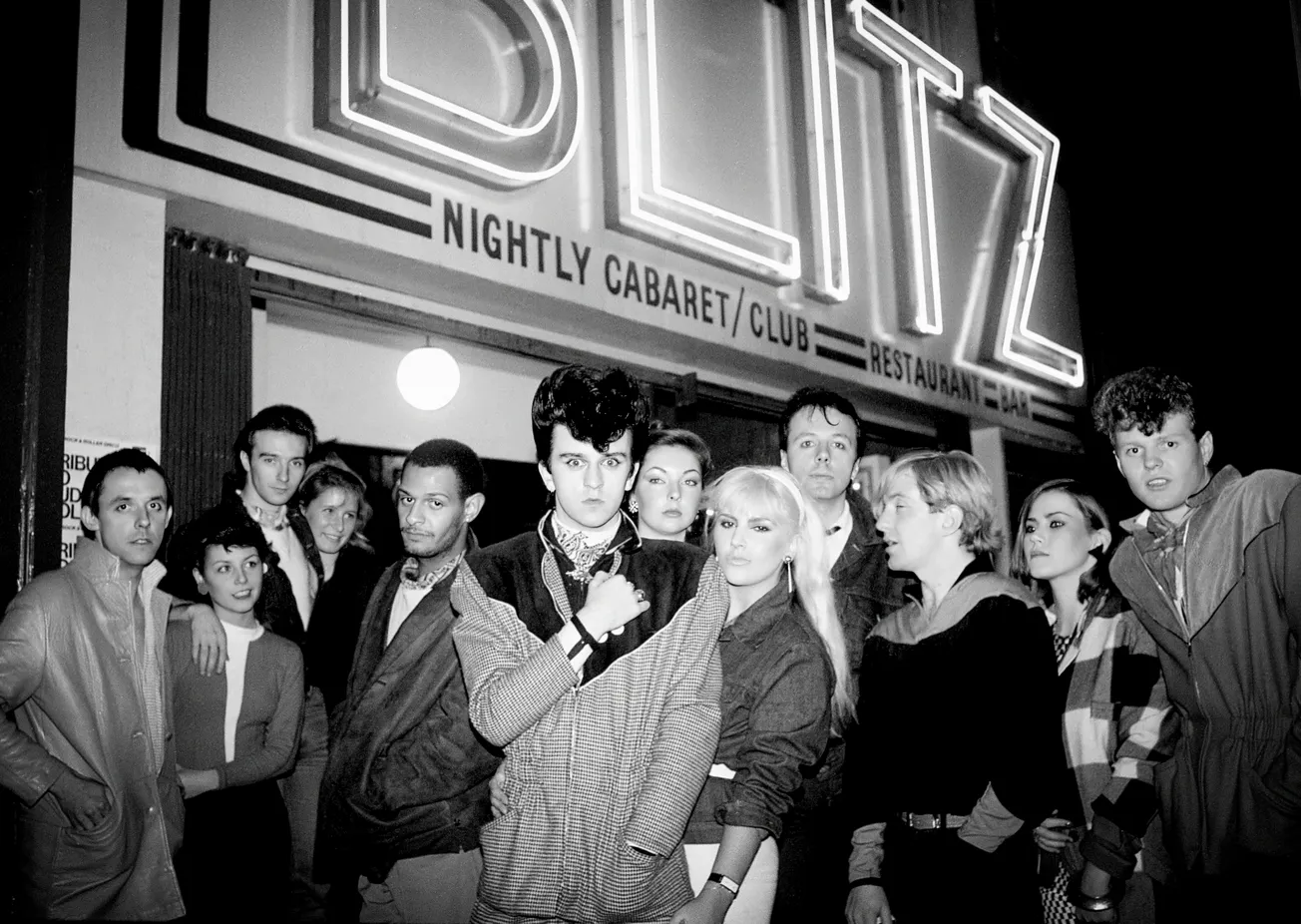
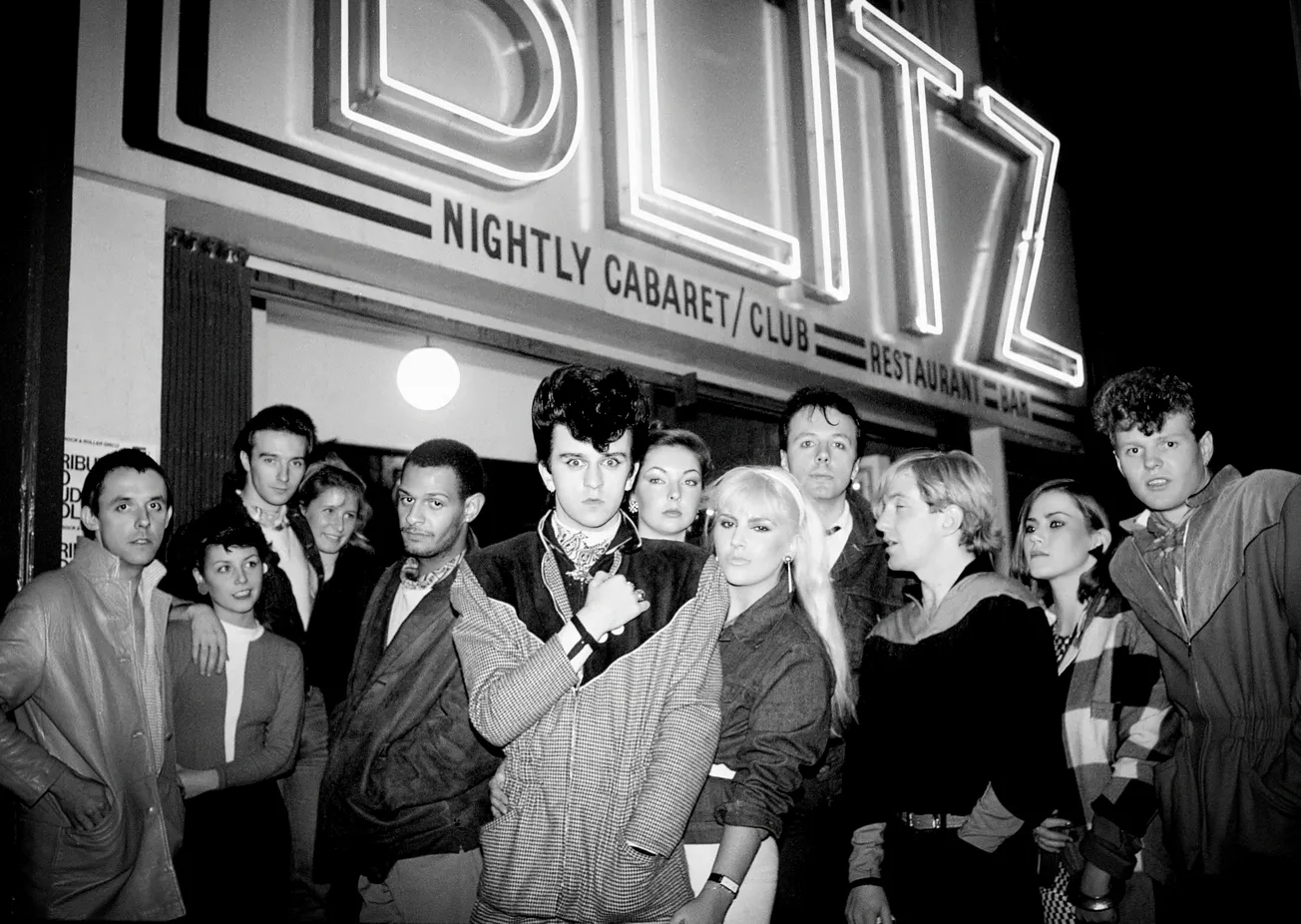
- The Blitz club defined New Romantic era London. But 45 years on, does the venue retain its mythos? We asked former regular in the Blitz queue Melissa Blease to write about it.
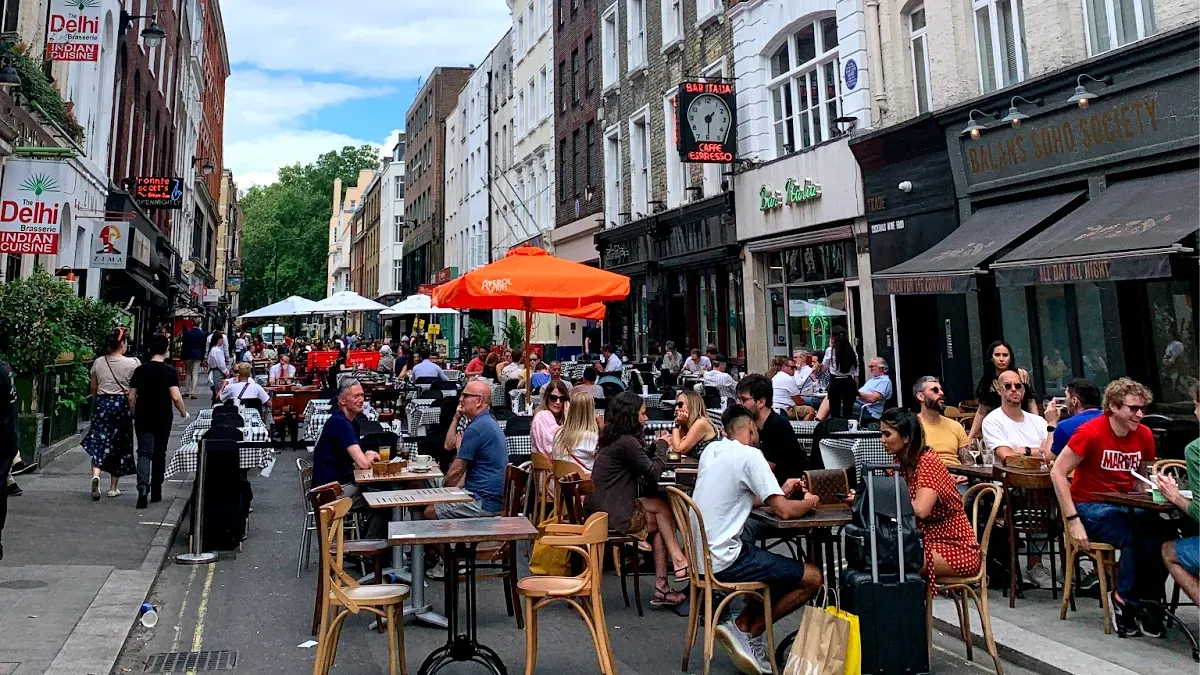
- Who really controls Soho? Is it the Soho Society, the "NIMBY" residents' group who killed al fresco dining? Or is it Soho Estates, the billion-pound landlord that owns almost half of the area's 140 acres? Our Thursday read dives deep.
- In January, David Attenborough made a family of urban foxes in Tottenham world famous. Earlier this month five of those foxes were suddenly, and mysteriously, dead. Was it the work of a fox serial killer? We prowled around the allotments of north London in a bid to find out.
Wining and dining
With endless offerings and non-stop openings, we all know that deciding where to eat and drink in the capital can be fraught. We want to make it easy — so every week we’ll give you our insider guide to the city’s best spots.
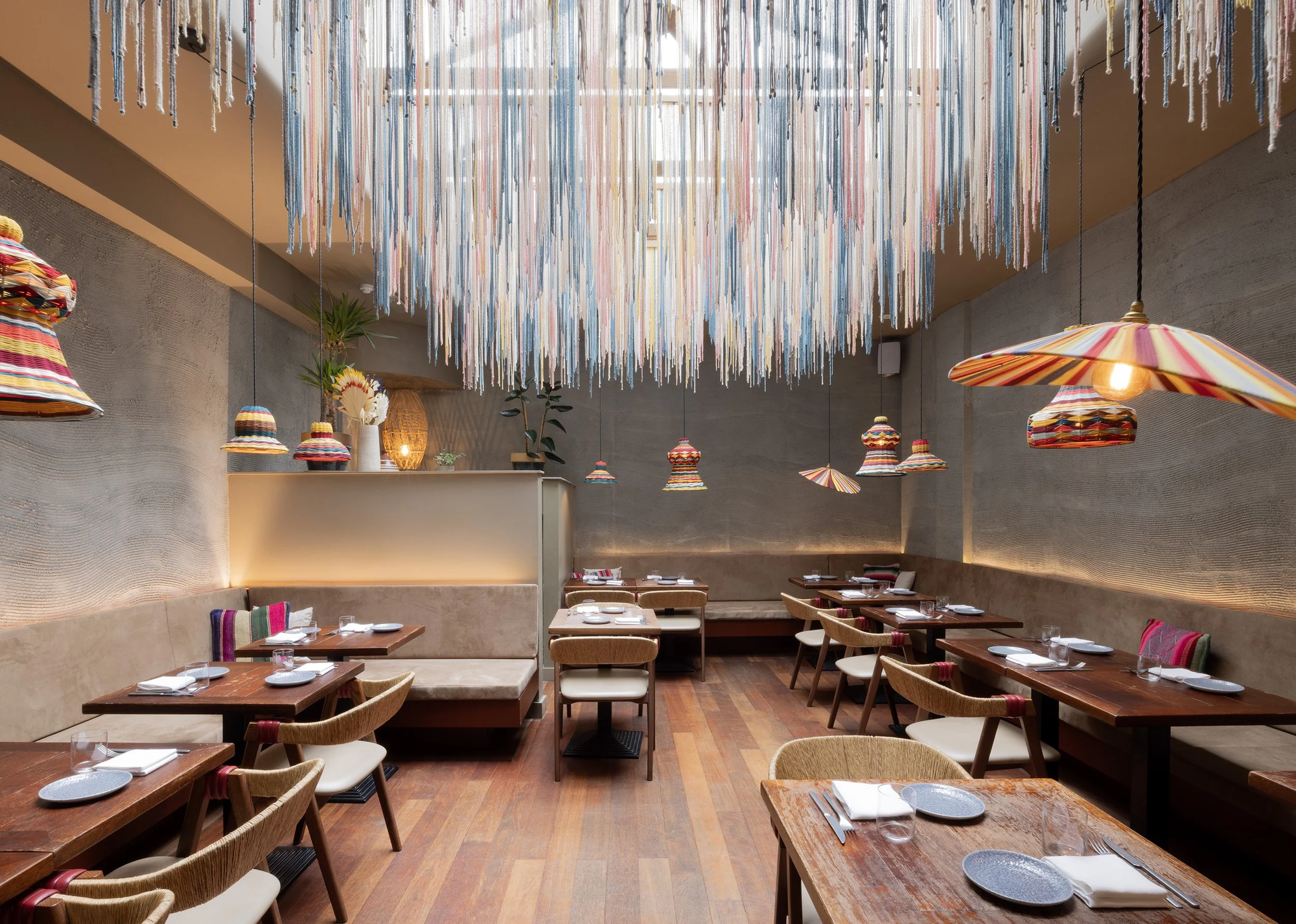
One perfect meal: Food trends in the capital can be fickle. What begins as a couple of restaurants on a theme quickly becomes a deluge — think of how many French spots opened circa 2023–24! — only for the next thing to come in. Rinse and repeat. This year, London’s foodies have moved through mainland Europe and Georgia to the altogether warmer climes of Peru, which has been declared solidly “in” for 2026.
But if there’s an upside to a trend, it’s feeling compelled to visit somewhere you’d been meaning to for ages. That’s what brought me to LIMA in Fitzrovia, which has been quietly serving excellent food since 2012. The interior is tasteful and low-lit, brushed concrete with pops of indigenous textiles and patterned soft furnishings, upscale enough to feel like a treat while remaining entirely unfussy. The service, too, is relaxed in its warmth, the maitre d’ greeting me like an old friend when I walked in through the door.
But the real attraction is the food, bright and fresh as a spring day. Oysters are livened with sorrel and slivers of apple, pillowy bread rolls are infused with Andean chilli pepper and served with carob butter, a stone bass ceviche marinates in a bath of lime-spiked tiger’s milk. This is vibrant, beautiful cooking, the kind that makes complex flavours feel effortless. Top it off with a pisco sour, and it’s hard to think of anywhere that feels more suited to a late-March dinner in the capital.
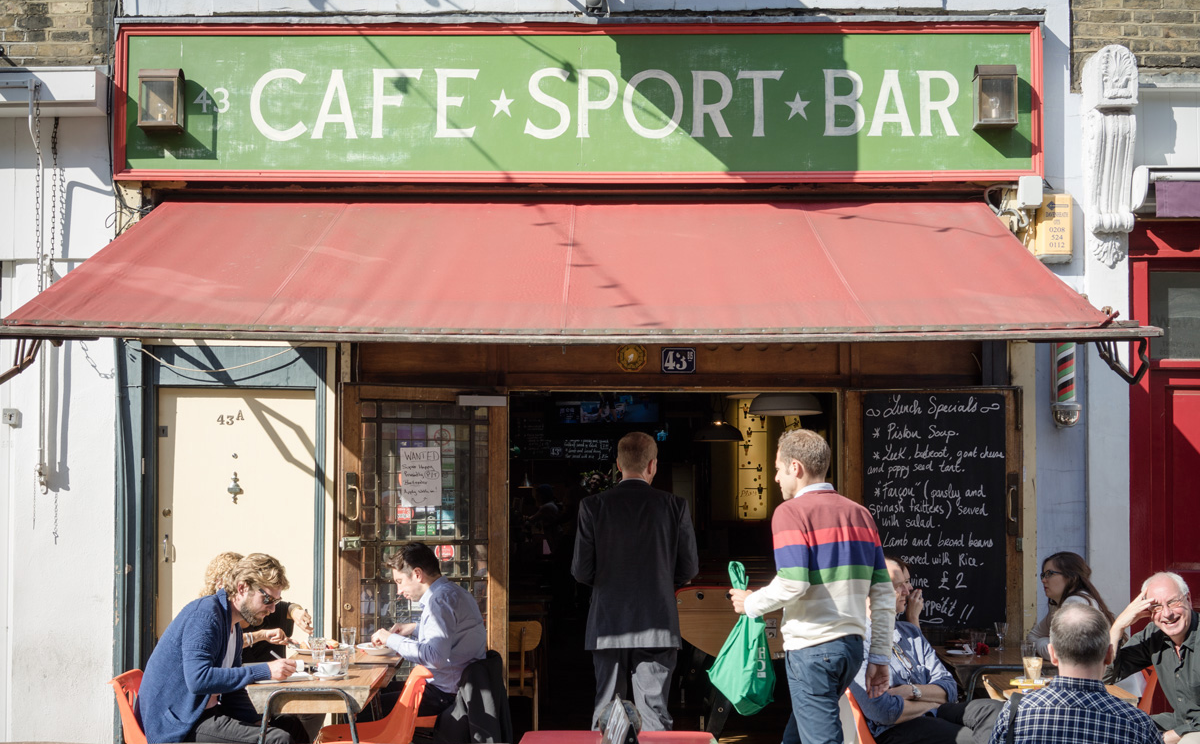
One perfect drink: As hay-fever sufferers across the city are all too aware, spring is most definitely in the air. The cherry blossoms are out, and the season of beer gardens and lively outdoor bars is upon us.
You could pick any number of the continental-style bars and restaurants in Exmouth Market, Clerkenwell, but Cafe Kick is a no-brainer. The inside is perfectly lovely, decorated with the retro football memorabilia, fusball tables and framed posters advertising classic football matches of the previous century. But the real draw is outside, where orange-backed chairs are scattered across the street and the vibe feels decidedly Continental. Mahou beer comes in traditional 350ml glasses, the white wine arrives in carafes, the Aperols never seem to stop.
Our favourite reads
Hedi Argent: ‘I’m glad my parents didn’t live to go through all these threats to Jews again’ — Erica Wagner, The Observer
Heidi Argent is a 96 year-old survivor of the Holocaust, who fled Austria to the United Kingdom back in 1939. Near her home in a small co-housing community, she recently went on a walk with the Observer’s Erica Wagner. Heidi recounted the details of her life once more, and what antisemitism means today. With today’s news of antisemitic attacks on community ambulances in north London happening overnight, the conversation feels especially poignant.
Lunch with the FT: Nigel Farage — Henry Mance, Financial Times
Two weeks ago, Henry Mance interviewed Nigel Farage. It was 10 years since the pair first sat down for the FT’s “Lunch with” series, when Brexit had not yet happened and Farage was still firmly on the fringes of British politics. While the most recent version is interesting, the original is simply such a classic — it takes place over six pints, a bottle of wine and two glasses of port in Leadenhall's the Lamb pub — that it’s the one worth revisiting. Spoiler alert: it all goes to pot over a simple goat's cheese filo parcel.
To Do List
- Built by the East India Company in 1654, Poplar’s St Matthias Old Church is one of the oldest buildings in the Docklands. This Saturday (28 March), it’s also the site of one of historian Danny Wells’ popular free talks about the origins and legacy of the East End, encompassing everything from the labour rights movement to the area’s music halls. Find out more here.
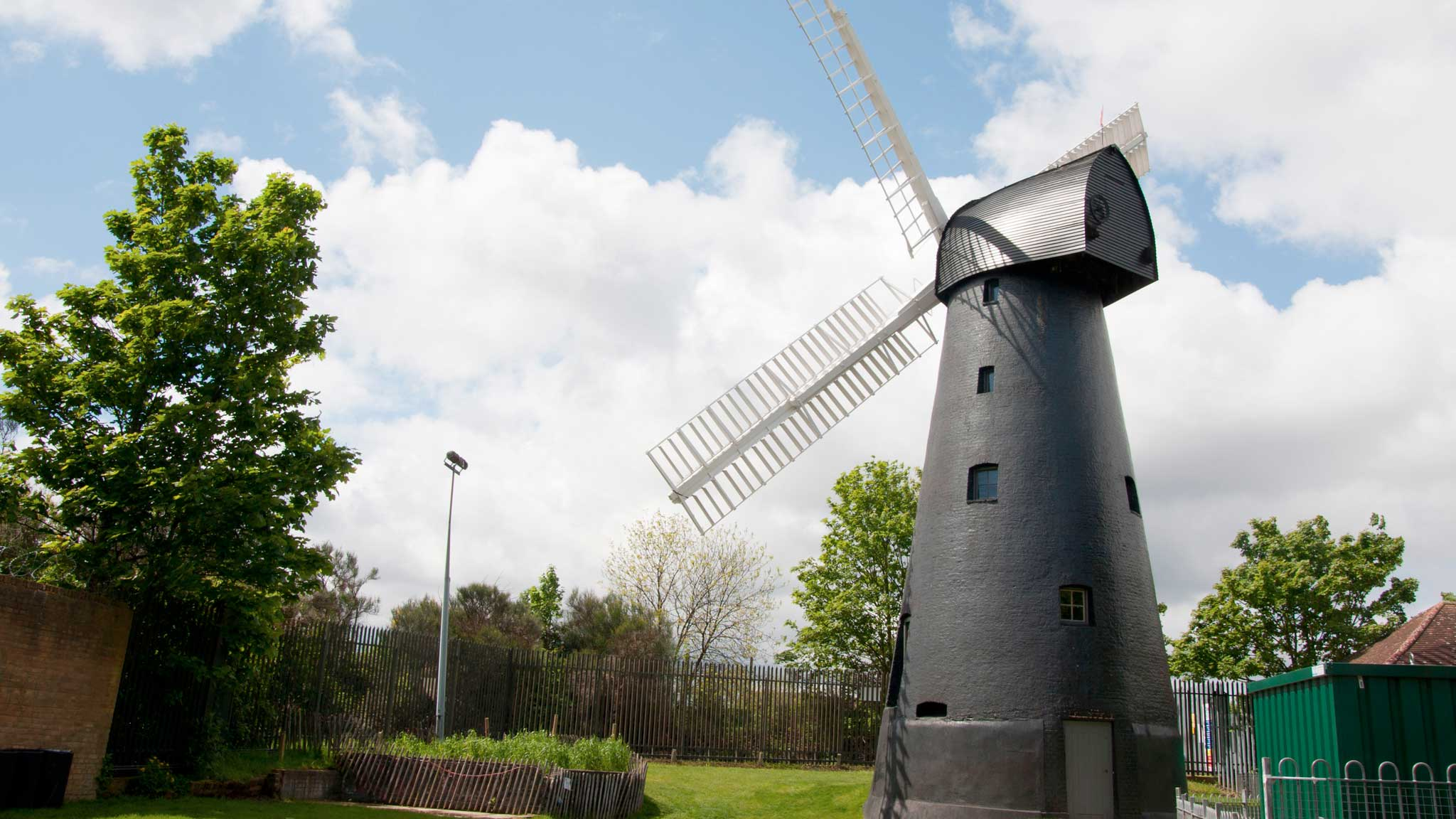
- Brixton Windmill is London’s last working windmill, and will be hosting its first open weekend of the year this weekend. It looks like a fascinating afternoon out. Tours teach you about the mill’s 210-year history, from its original wind power all the way through to the modern day.
From the archive
With battalions of e-bikes now a defining feature of the city, it’s easy to forget that cycling in London has only become mainstream relatively recently. In the 1980s, only the bravest cyclists dared London’s roads. This fascinating short film from the London Archives showcases the Greater London Council’s efforts in the early 80s to make the city more friendly to those on two wheels.