It all started outside the dentist's. Last October, as The Londoner team were returning from lunch, a bus crashed into the SW1 Dental Studio a couple of minutes away from our office. Luckily no-one was injured. But just a month earlier, a short walk up the road in Victoria, 15 people ended up in hospital after a bus accidentally mounted the pavement during the morning rush hour. Then, this February, a friend sent me a photo of the entrance of the Southwark Playhouse, where he worked, with a double decker sticking out the front of it. I began to wonder: what on earth was wrong with the capital's buses?
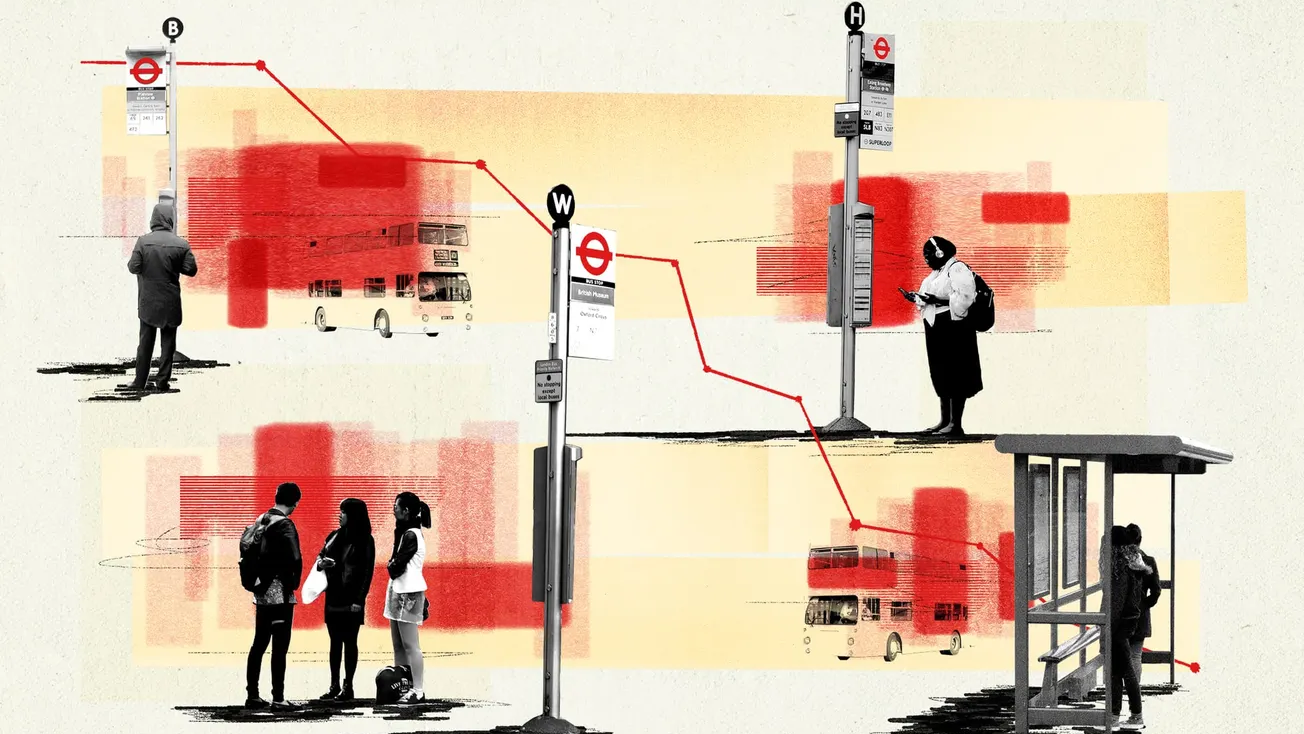
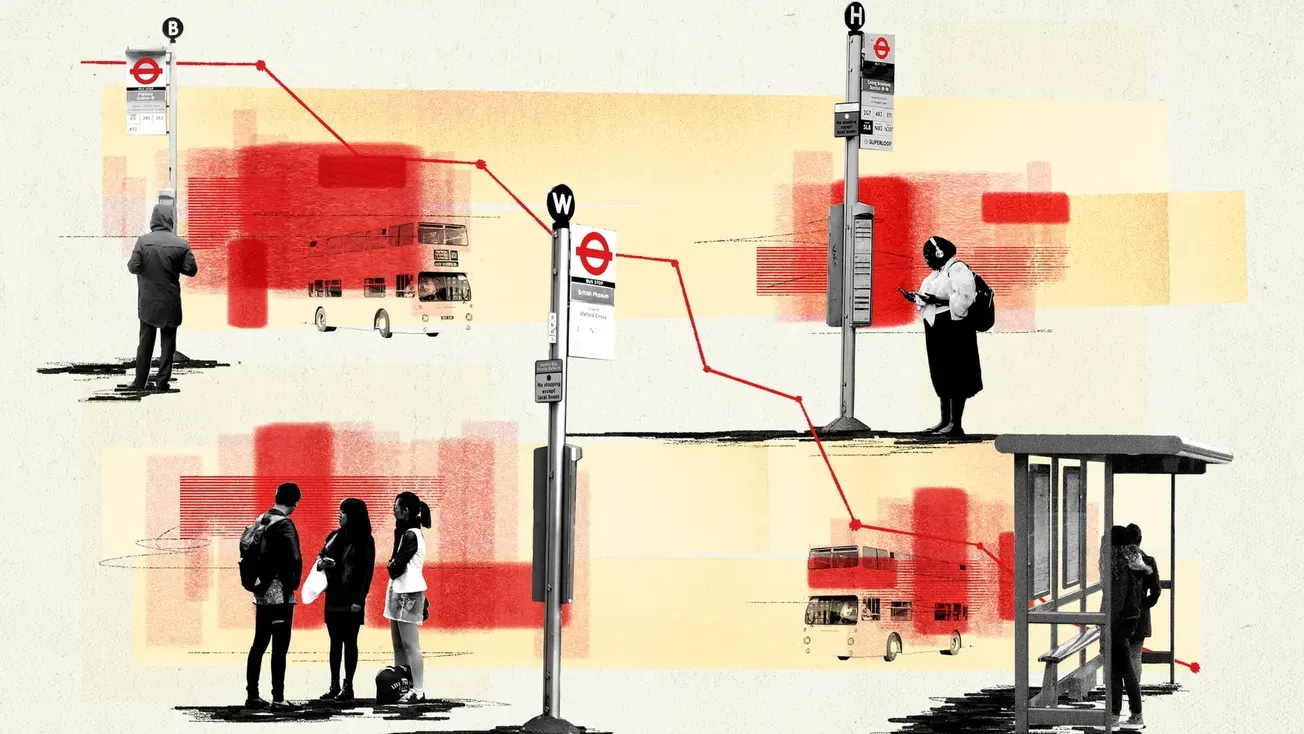
It would be months before I found out just how bad the situation really was. TfL data released earlier this year revealed that, in 2025, there had been 15,390 bus crashes bad enough to damage the bus — an average of 44 crashes a day. And that's nearly 20% more than the number posted in 2019.
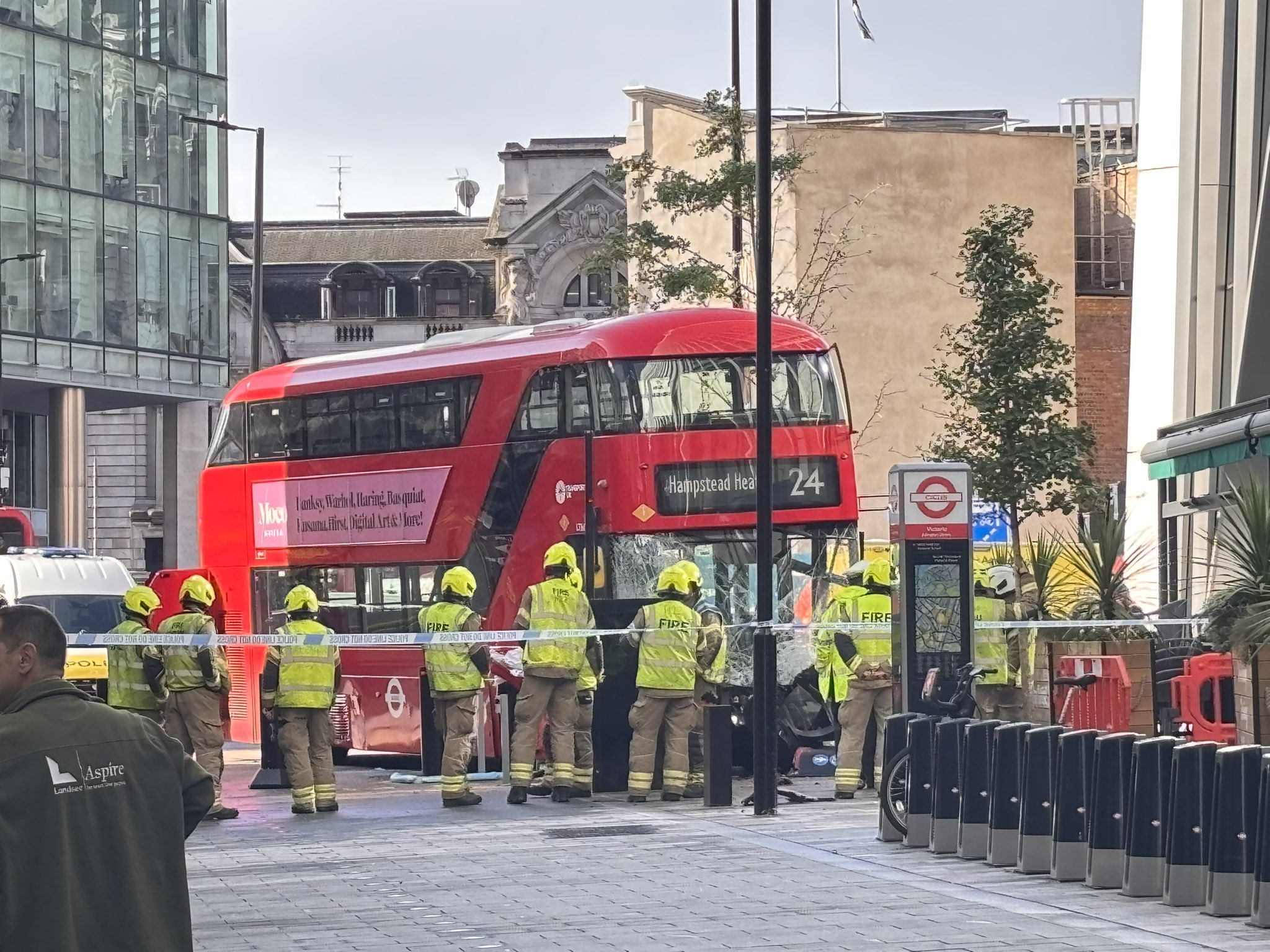
Given nothing radical has changed about London’s roads in that time — in fact, the number of buses on the network has actually gone down — it poses something of a mystery. Why do the capital’s buses keep crashing? And how does the crisis jeopardise Sadiq Khan's landmark pledge to reduce deaths on the public transport network to zero by 2030?

Hi, I'm Andrew, the author of today's story. There's plenty more coming up, including "roastmasters", accusations of cover-ups and eye monitoring cameras that look like something out of Blade Runner.
But I'm also here to break the news that today's piece is behind a paywall. Frankly, speaking to insiders and delving deep into the incomprehensible TfL database as we did for this piece takes a lot of time and we can only afford to do them (and stay afloat) because of our treasured paid supporters.
Join us for just £7.45 a month, and get all our news, features, briefings and investigations for half price. Plus, you'll be supporting the sort of reporting that actually gets out from behind a screen and into the streets.
Sleeping drivers, broken pledges and 43 degree cabins
Less than six months into Khan’s first term as mayor, a speeding tram derailed in Croydon. In the end, seven passengers died and 62 more were injured, the deadliest accident on any UK rail network since 2001.
The tragedy was likely in front of the mayor’s mind two years later, when he announced his Vision Zero plan to end all deaths on the city’s public transport by 2030. Though ambitious, it was far from an impossible goal, and in the years since teams of engineers and TfL officials have dreamt up numerous ways to make the city safer. These have been largely successful and, eight years later, deadly crashes on trains, trams and tubes have mostly stopped. But there’s one form of transport where City Hall’s vision has failed to become reality: buses.
London deserves great journalism. You can help make it happen.
You're halfway there, the rest of the story is behind this paywall. Join the Londoner for full access to local news that matters, just £8.95/month.
SubscribeAlready have an account? Sign In