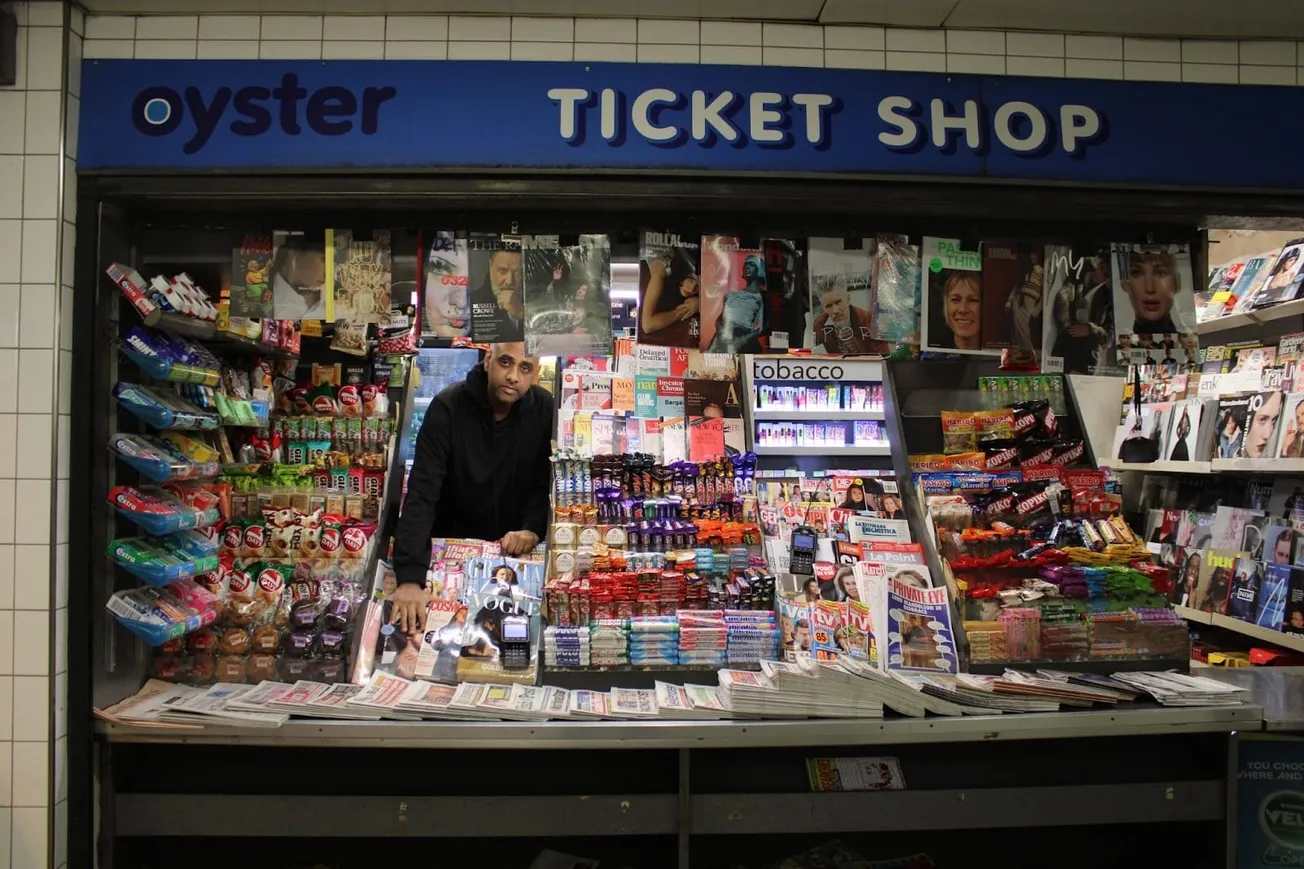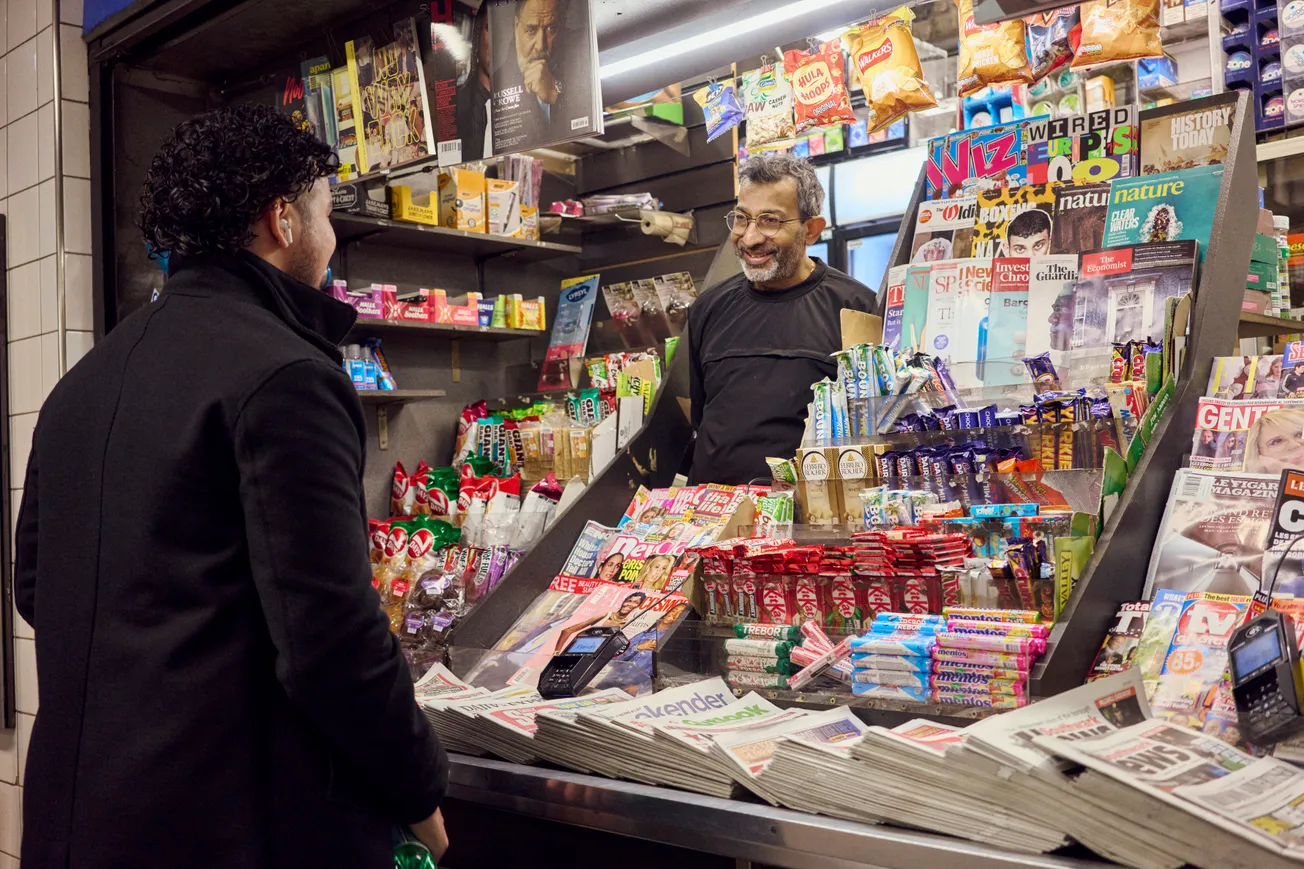
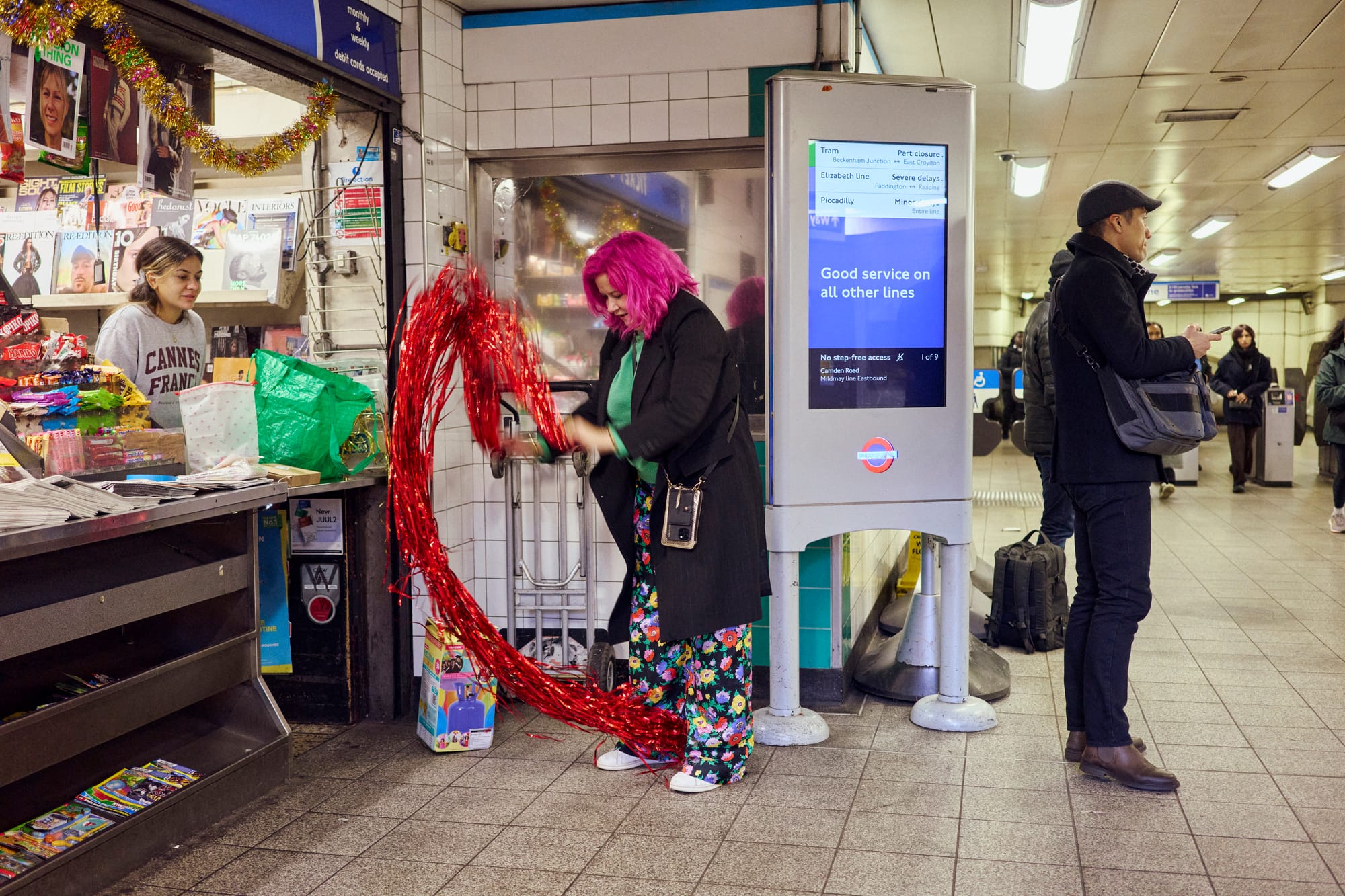
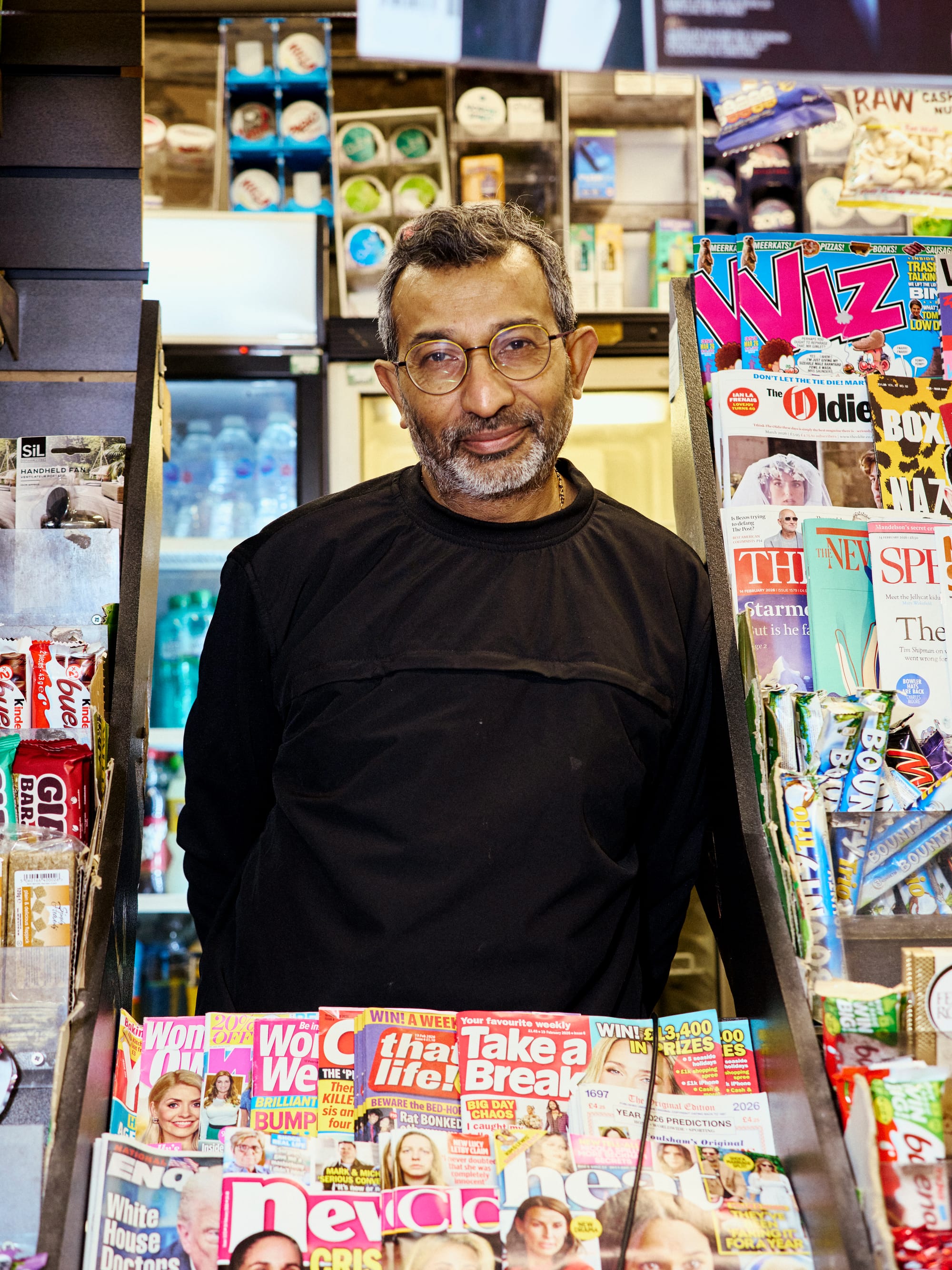
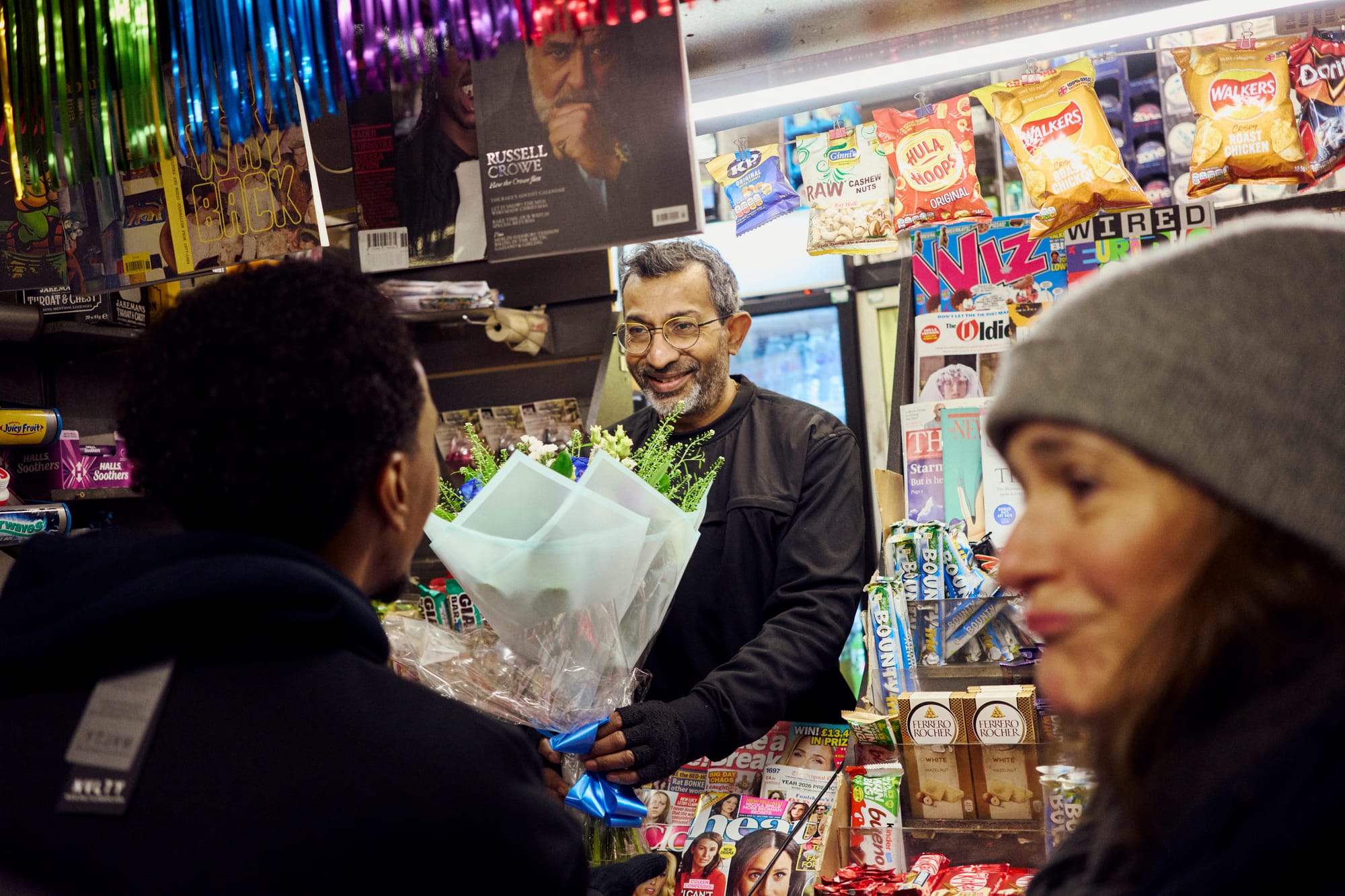
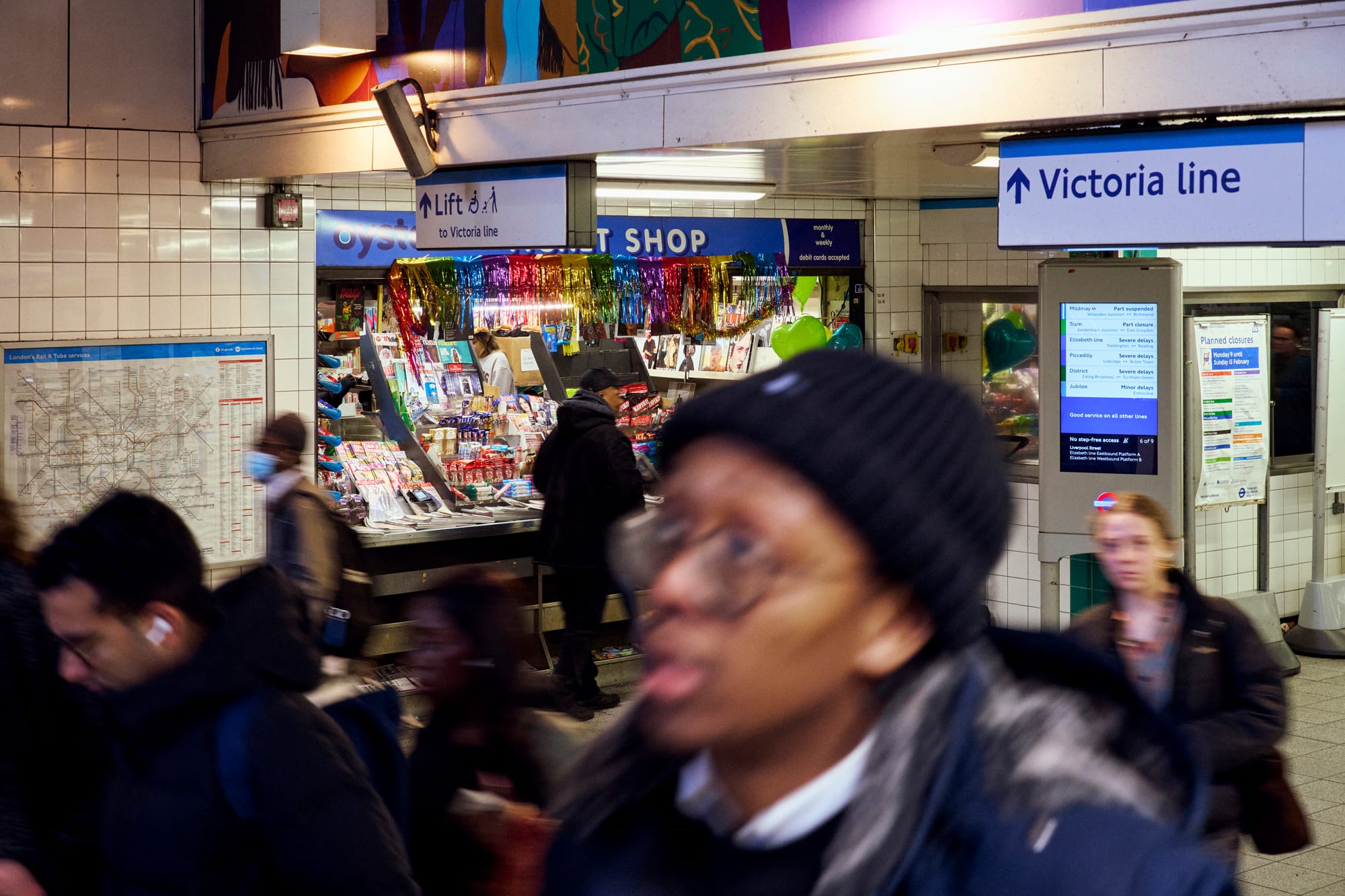
You might mistake it for a celebration: champagne, bunting, heart-shaped balloons. The front of Brixton News, the kiosk inside the neighbourhood’s tube station selling papers, magazines and snacks, is covered in streamers, twinkling under the false daylight of the strip-lights. In fact, it is a funeral. Today, after 36 years on the job, Brixton News co-owner Pritesh Patel will finish his shift, pull down the shutters and close the shop forever.
“This last week, today, I've hugged more people than I've heard in 36 years,” Pritesh tells me. “The amount of people I've taken pictures with…” he trails off, smiling. “I've interacted with nearly everyone in the area at some point: sometimes I've done them a favour, and we've chatted, we’ve talked. It's just having somewhere you can come and have a conversation. Something local.”
As we reported on Monday, TfL are raising the rent on the unit Pritesh and his brother run from £40,000 a year to £125,000 a year (for an increased size premises), something that the business simply cannot afford. And so, one of the last proper newsagent’s in the city is closing.
Our Saturday stories are free for all to read — but we can only produce this kind of work with your help (and we're currently being sued for £250,000 by a wealthy Airbnb grifted). If you're a fan of today's piece, please do consider becoming a paying member.
The outcry was swift and intense: “Absolutely disgraceful and soulless actions,” said one commenter on our Instagram post, while another wrote “greed — should be ashamed.” TfL, for their part, say that they “have the opportunity to increase the size of the retail unit currently occupied by the newsstand, and asked Pritesh in January 2024 if he’d be interested in the larger space. He decided not to stay, and we wish him all the best in his future endeavours and would welcome him elsewhere on our estate.”
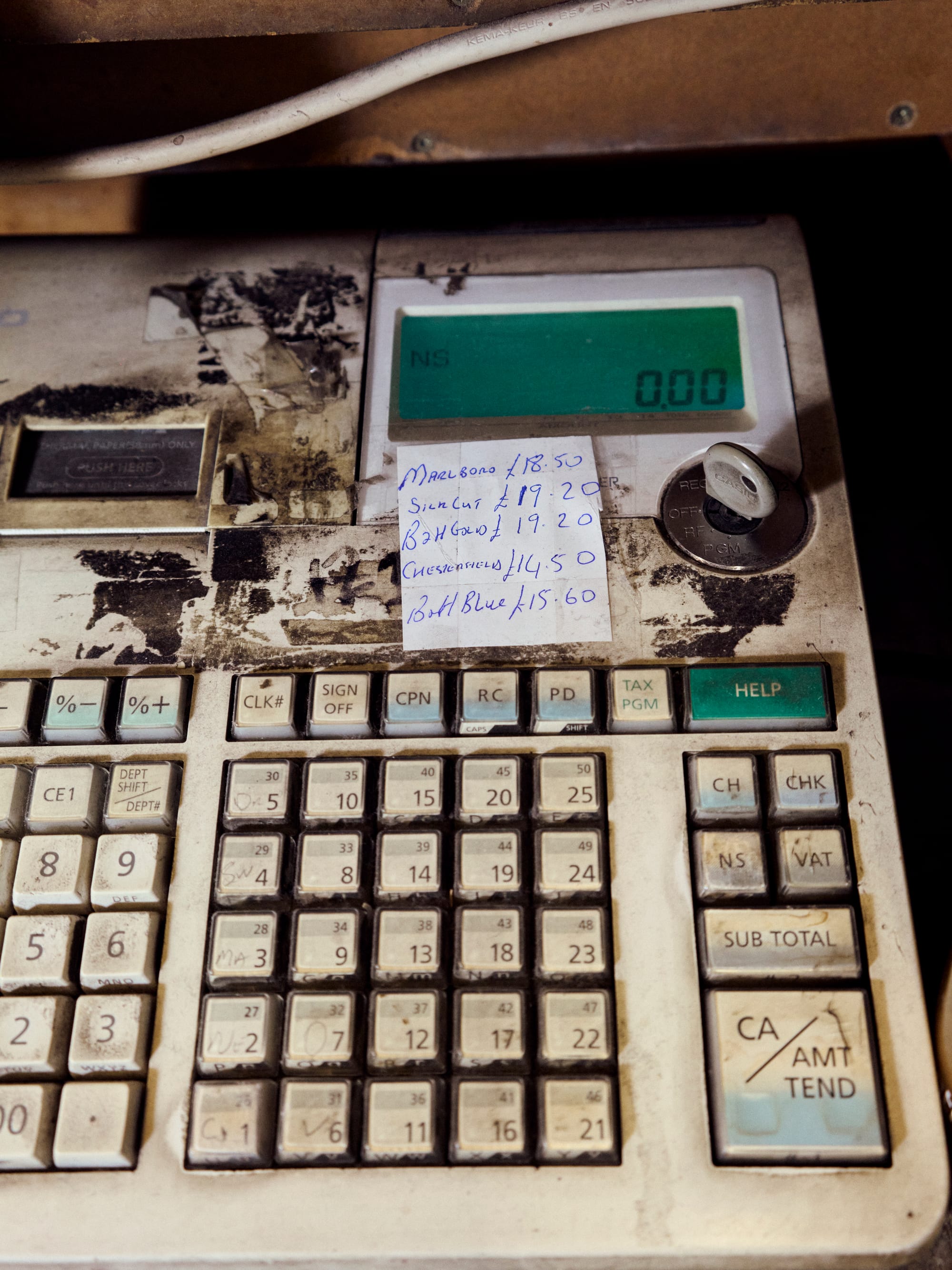
When the brothers first acquired the shop in 1990, the lease was £8,000 a year — around £20,000 today — though there was serious money to be made back then. But the rents have increased every three years, Pritesh says, and “at some point, in five to ten years, we would have got to a point where we’d have to say, ‘we’ve got to walk away’, because the rents would’ve just kept increasing.” Their margins, he explains, are slight, with papers at 18% and magazines at 25%. Most of the money is made on sweets and drinks. “You can't pay stupid rent when you’re taking that.”
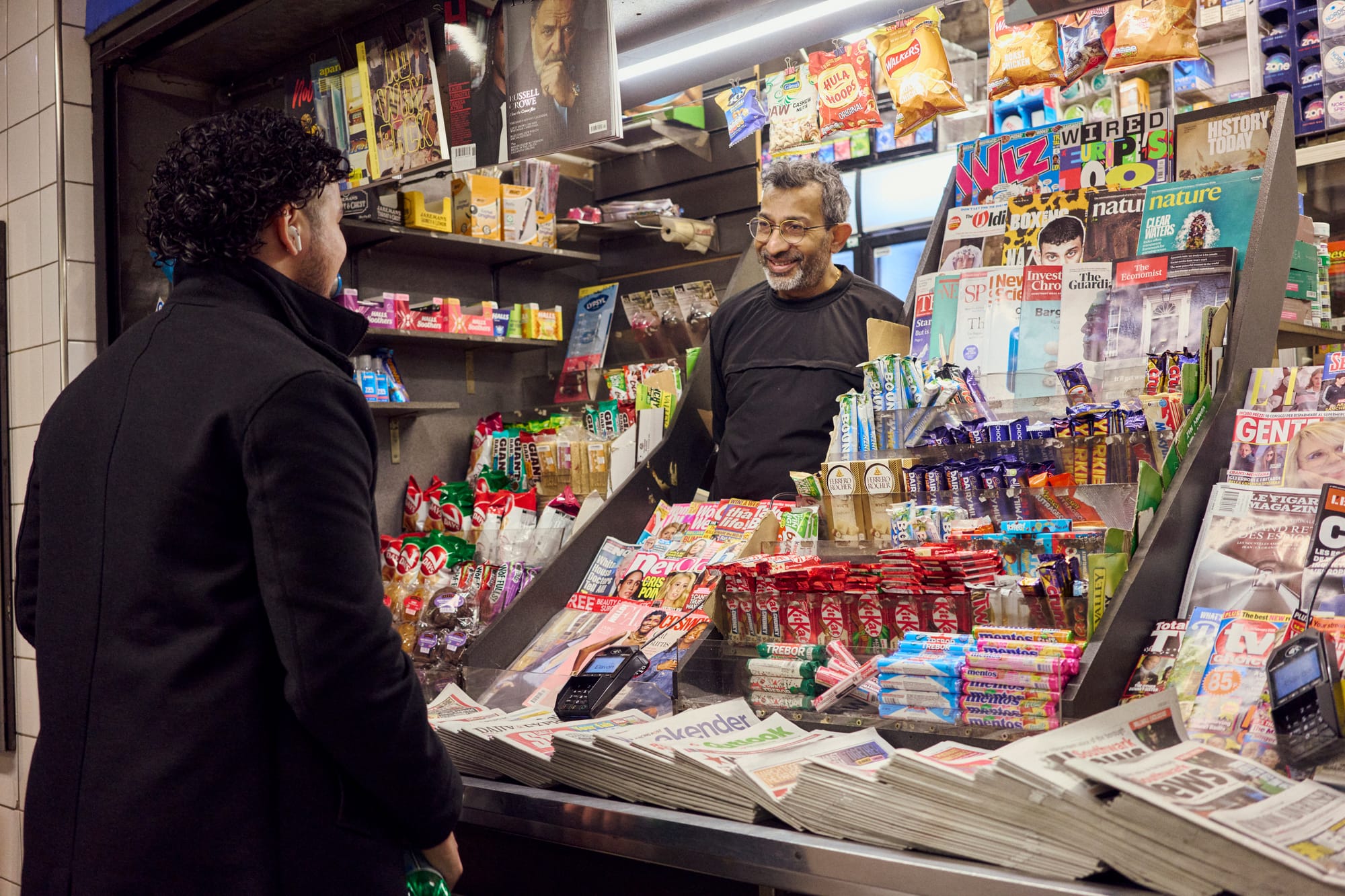
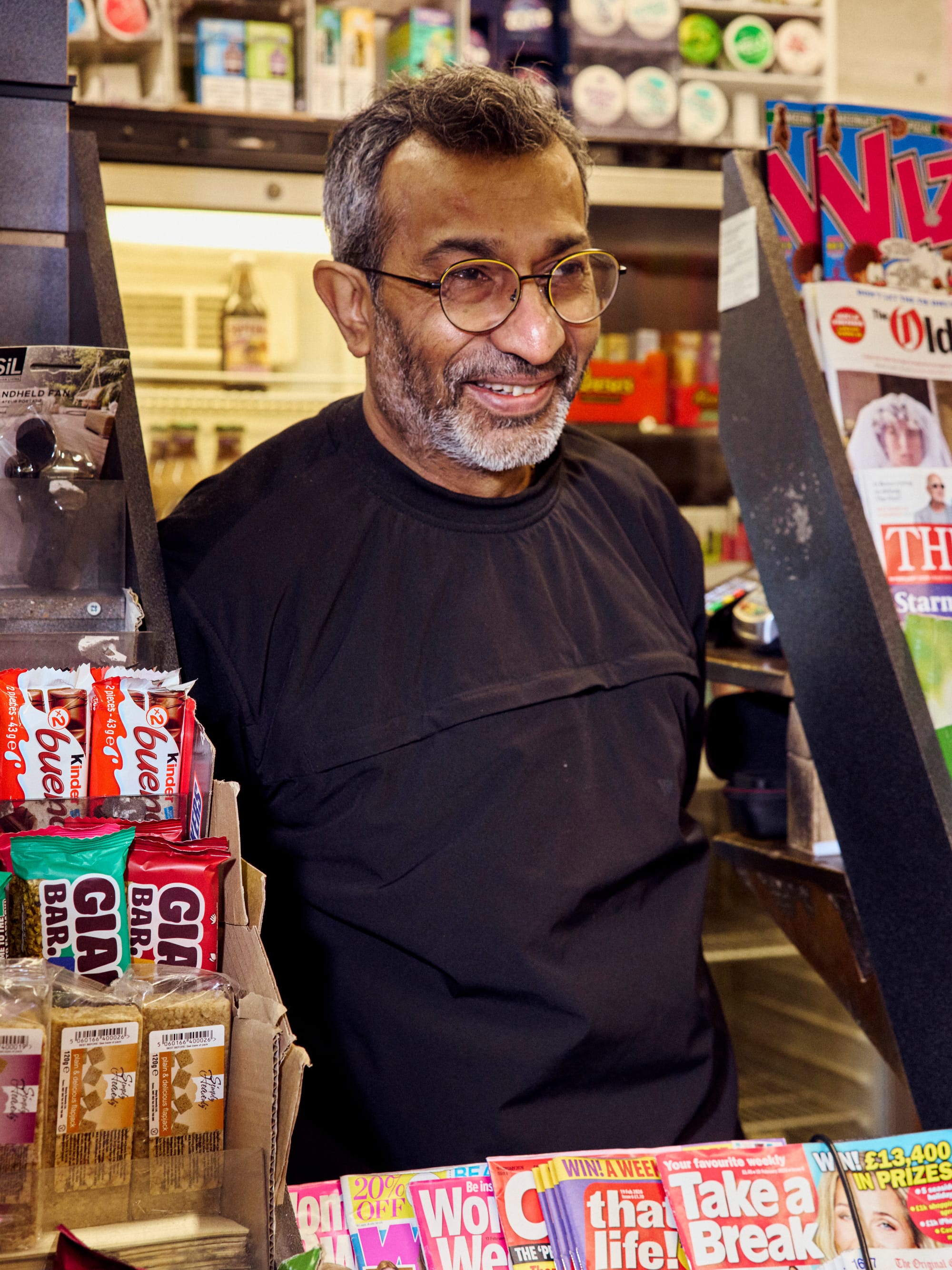
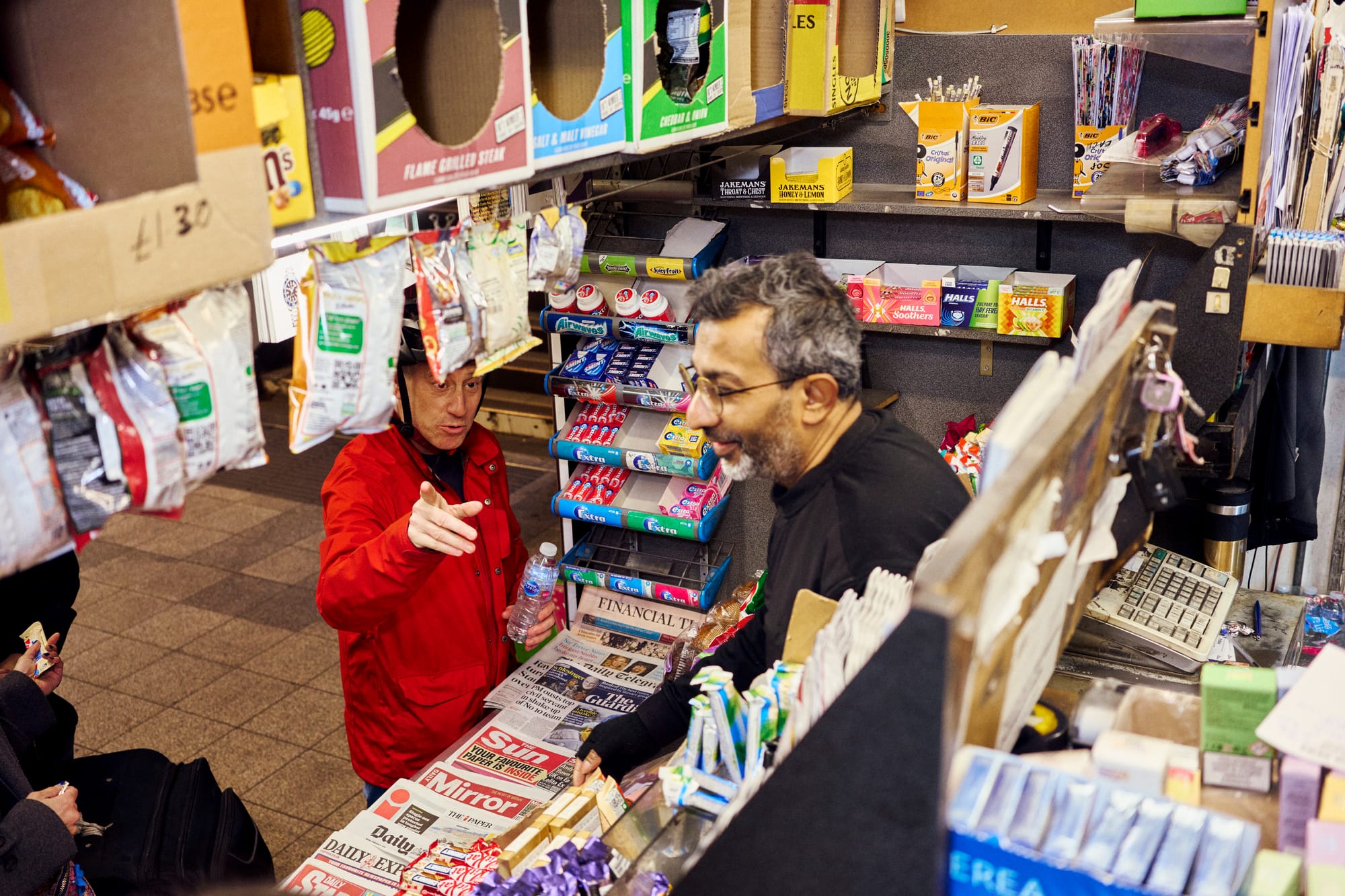
Pritesh, a handsome 60 year old in wire-rimmed glasses and fingerless gloves, has the quiet authority and approachable charm of somebody who has spoken to every conceivable type of person, day-in, day-out for years. “I’m a talker,” he says, “even with my friends, my family.” His diction is crisp and clear, all the better to make himself heard over the hustle and bustle of the underground station; the beep of contactless, the smack of the barriers, the dub thrumming in the street above. He seems meditative about what’s happening, or at least resigned, and isn’t angry at the move; though today, he tells a customer, he feels emotional. “I can tell,” she says, “you’re usually very stoic.”
In a way, Brixton News was living on borrowed time. Pritesh tells me of how, when he first moved into the unit, the ticket hall was full of businesses: Solar Records, a “really famous” record store; a camera store and photo printers; a cafe; a dry cleaner’s. Upstairs, there was an arcade with a pharmacy, Chinese supermarket and hairdresser’s.
Around 2000, when the station was redeveloped, the businesses were all ejected by TfL, and the arcade above closed (it remains so, though a flower seller showed me where to peek through the sealed doors to see the empty building, the lights mysteriously on). Brixton News was miraculously given a last-minute reprieve as TfL decided to cut the ticket office, and needed somewhere for people to top-up in person.
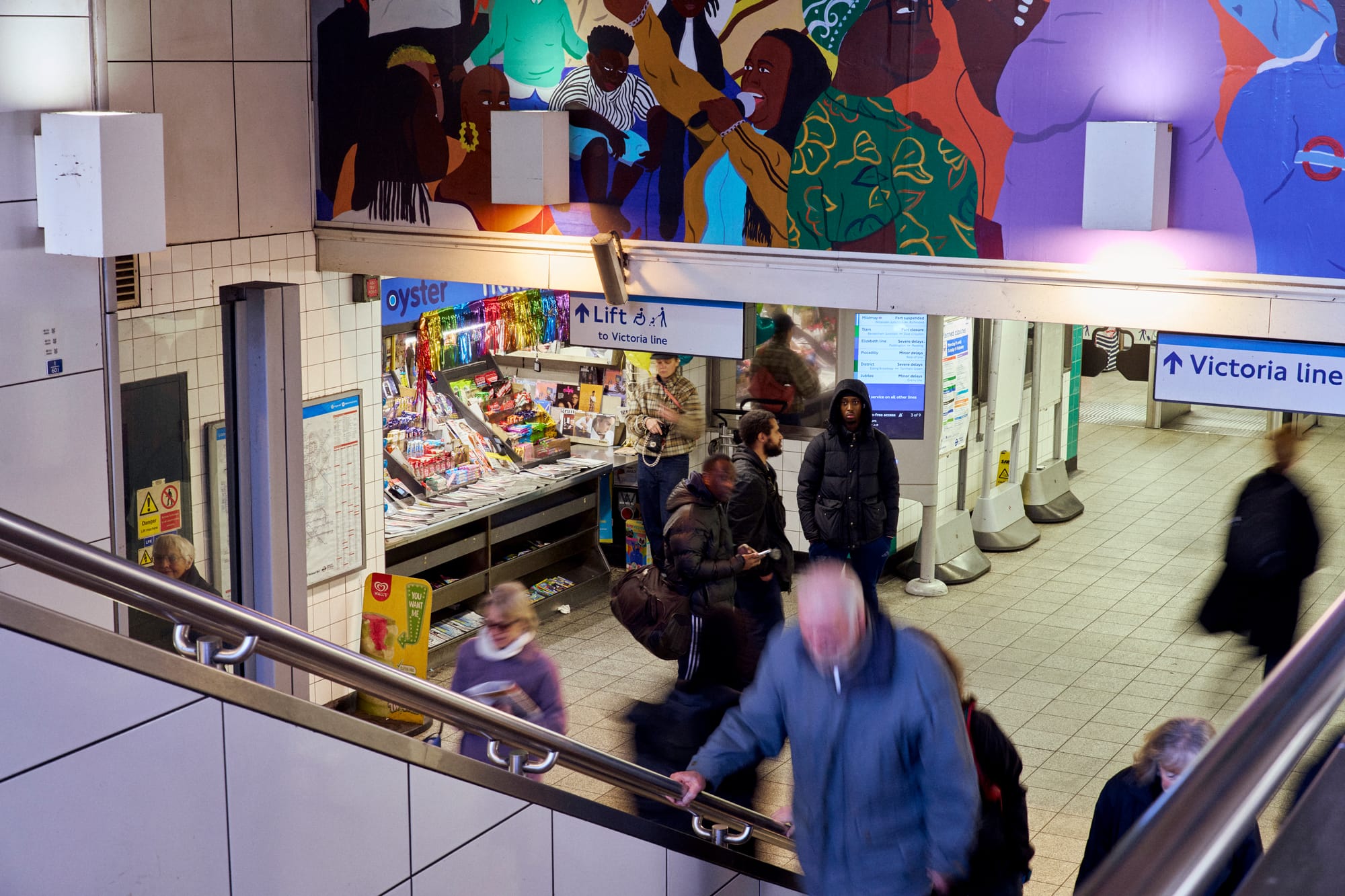
Consequently, they have a perspective on Brixton that few businesses have. “There was a period when people thought Brixton was rough, Pritesh tells me, “but we never saw that. Then you had the riots, and then it sort of gentrified, and the Brixton nightlife plan kicked in”. Those were the boom years. But Covid saw the area change: “the effect it had on people and the services which have been cut from the bottom”. Now, a Gail’s is about to move into the empty unit next to the station entrance, and new plans for a 20-storey tower a little down the road have been submitted, leading to fears that Brixton’s transformation into a nondescript, identikit high street will be complete.
For many, the shuttering of Brixton News represents both a personal loss and a larger tragedy that affects all of Brixton, and maybe all of London itself. When small, independent shops are replaced by big businesses, the small interactions that we call “community” — whispered reassurances and exuberant congratulations, a quick squeeze of the shoulder when you’re feeling low — no longer exist.
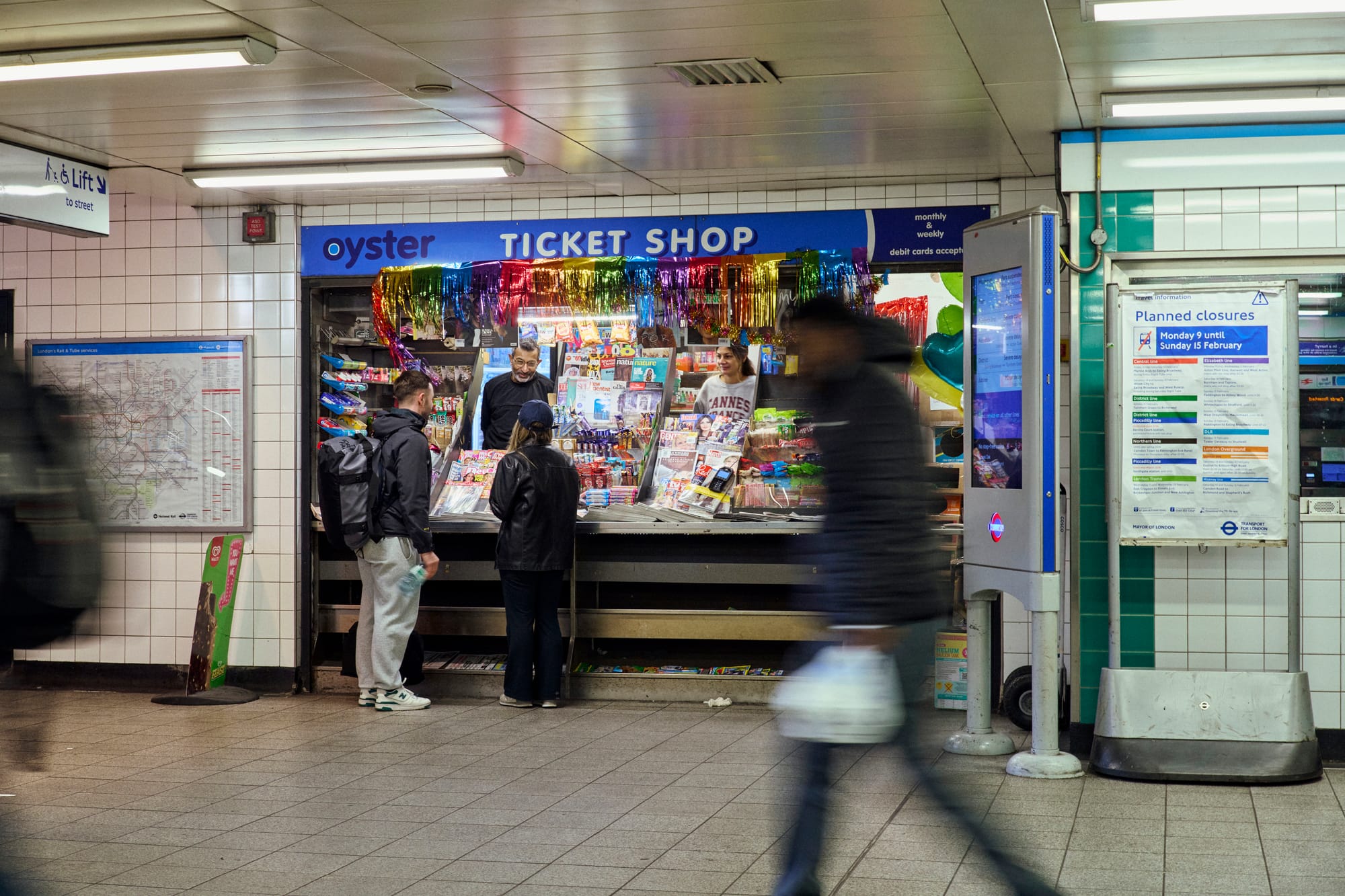
Leah, the fuchsia-haired, red-lipsticked regular who brought the decorations, has been coming for 30 years. “They see you every time of the day like no one else does. It's just like having your friends, your buddies; you say hello in the morning. It's like a constant in your life.” She speaks quickly, emphatically, as if trying in vain to communicate what it all means to her. “They cheer me up. Lots of times when I've been feeling really sad, they've helped me out. He cheered me up in the lockdown. I’d just had a baby, and I was beside myself, and he calmed me down.”
Nearly every person I speak to at the kiosk echoes Pritesh when he invokes what happened to the Brixton Arches, which saw long-standing small traders in the railway arches on Atlantic Road turned out by Network Rail, only for rents to be raised and the lots go empty. “They're not looking at the rent, they're looking at the location, so if it succeeds or not, they don't care. They want the exposure. They’ve got corporate money: if it works or not, it doesn't matter… It won't have that longevity.”
Pritesh was born in Uganda, he tells me, and came over to the UK with his family when they were kicked out by Idi Amin in 1972. “I came over as a refugee. We spent three months in a barracks in Ipswich. We signed our first shop in Battersea.” He moved to Streatham, then to Mitcham, then finally to Wallington, from where he drives to work at 5.30am each morning.
Over the years, his four children have done stints in the newsagent’s; the youngest of them, Jenna, is working with him today. She’s a financial adviser who usually works in Mayfair, “so I go here every day on my way in,” she says, pushing back her long, honey coloured hair as she re-secures the bunting. “She’s a financial adviser with no savings!” Pritesh interjects, eyes sparkling, as Jenna scoffs in mock exasperation. The atmosphere is that of a family around the dinner table: affectionate, sarcastic, entirely at ease.
It’s no wonder, then, that dozens of regulars arrive to mourn Brixton News as they might a member of their own family. One woman I speak to, the soft-spoken, soft-eyed Laura, comes to top up her Oyster and buy Parma Violets (Pritesh gives her the latter on the house). She’s 33, was born in Brixton and now lives here herself. Pritesh has watched her and her siblings grow up. “It's a friendly place, but it's also life advice, it's political discussion, a human face when you come into the tube station…” As she signs the goodbye book that locals have put together, she tells me that community lies in these small interactions, “a loose one or two minutes where you discuss what you’re doing now, where you’re working”.
Pritesh tells me he can’t remember the day he took over the kiosk. “It becomes a blur… when you're doing the same thing every day for 36 years, it's routine.” And in many ways, today is much the same as ever. Though many customers come simply to say goodbye once and for all, others come to top up their Oyster cards, to buy bottles of water, to pick up copies of the New Yorker, the Racing Post or the Italian-language gossip magazine, Gente!
There is no typical patron: Brixton News attracts people from almost every conceivable class, ethnicity, nationality and age group, including an opera director and a youth social worker. “You get everyone from judges down to street sweepers,” Pritesh says. He doesn’t ask names, so he doesn’t know if people are famous — they’re all the same to him.
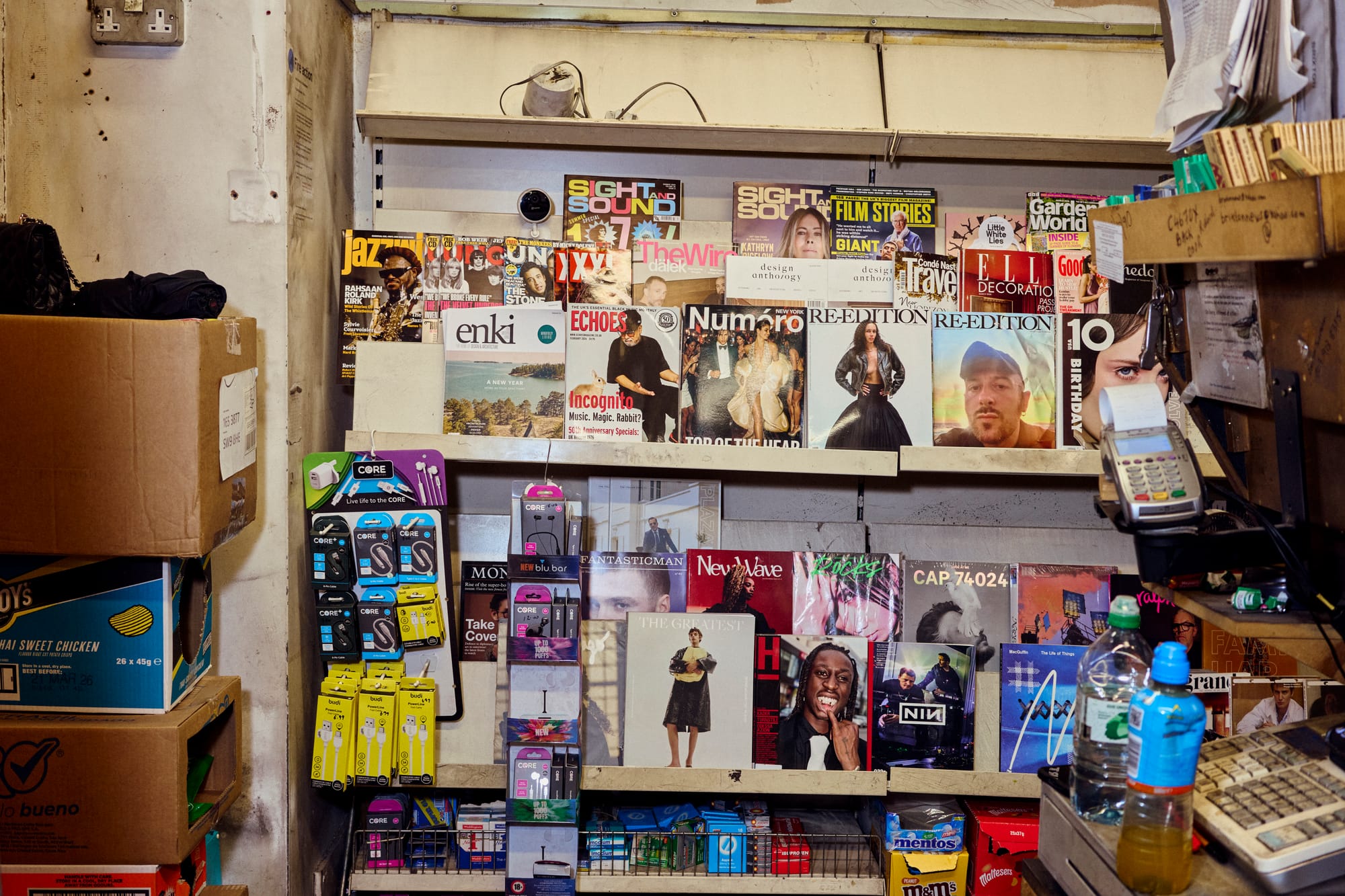
There are some broad trends along the publications, though, with Private Eye the biggest seller, followed by the Guardian. Young people tend to be the biggest customers of the glossy fashion and art magazines. He stocks European titles too, though this got much harder (and more expensive) post-Brexit.
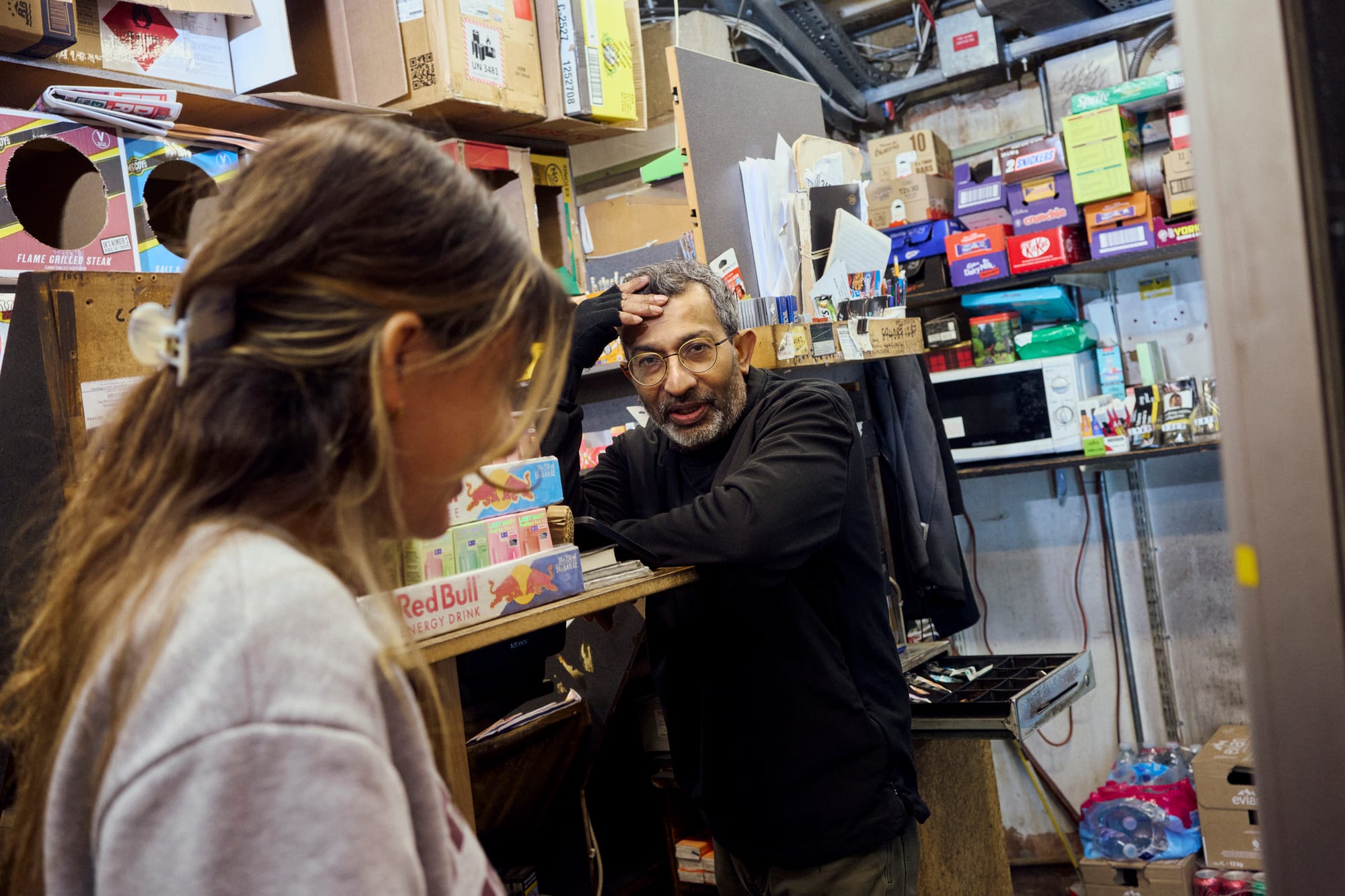
Though he used to know all the guards at the station, Pritesh says that TfL now rotates them out, meaning it’s hard to build a rapport. “20 years ago,” he says, leaning over the few magazines still left on the counter, “people used to work here for 10, 20 years solidly. Over the last four or five years, they’re just flipping.” Still, there’s one who’s been there from the start: John, who I find near the barriers.
Hello, Hannah here. Sorry to interrupt — I just wanted to take you on a quick behind-the-scenes of what we do. Most of our pieces, like the one you're now reading on Brixton News, are written using old-fashioned, boots-on-the-ground journalism. And today, we even have beautiful photography from Harry Mitchell. But a piece like this doesn't come cheap — that's why a lot of media companies have given up on it. We aren't funded by billionaire oligarchs or huge companies. And that means we need the people of London and beyond. If you like what we're doing, please consider supporting us.
Already, over 1,250 of you have signed up as paying members to prove us right. But now we have a big target: 1,500 members. We've made it easy too: we’ve sweetened the deal: take out a year’s membership of The Londoner, and we’ll give you two months completely free.
A Brixton boy with a wide smile and a no-nonsense demeanour, he describes the kiosk as “part of the furniture, they've been here so long. He’s always got time to talk, people always come for a natter.” He remembers it from way back, including staff members here before the Patels took over. “I’m a bit disappointed,” he says about Pritesh’s departure. “I won’t tell him that,” he adds, his broad grin flashing across his face.
Pritesh tells me about Vera, a long-time Brixton News member of staff, who joined when they took it over. “She was with me for 20, 25 years. She said to me, ‘I'm not leaving. I've got nothing.’ — her husband had passed away, and her son lives slightly outside London — so she said, ‘This is my life and my customers.’” They bickered like husband and wife, he says. One time, during an argument, she threw her wig at him. But decades of mutual loyalty forged a bond that endures beyond the kiosk. Though Vera’s dementia means she is no longer able to recognise him, Pritesh continues to visit her at her nursing home.
I ask Pritesh about his own life after Brixton News. He has one or two plans, though can’t be drawn on the specifics. “I’m stable, I’m fine, I’ll find things.” He doesn’t want to work in retail anymore, though he might go and help his brother with his fruit stall in Tooting. Above all else, he repeatedly emphasises the appreciation he has for the customers who show up every day, who share even the briefest parts of their lives with him. “They’ve given me everything… I should be saying thank you to them. The gratitude, the love, is immense.” The pleasure, though, has been all ours.