Dear Londoners — We hope you've got your sláintes practised and your stomachs lined for St Patrick's Day this Tuesday. Though the celebrations have only grown in recent years, they have a storied history in the capital, with the first official concerts appearing in the 1890s, organised by the Gaelic League at venues around central (no word on whether Guinness or Murphy's was the stout of choice, however).
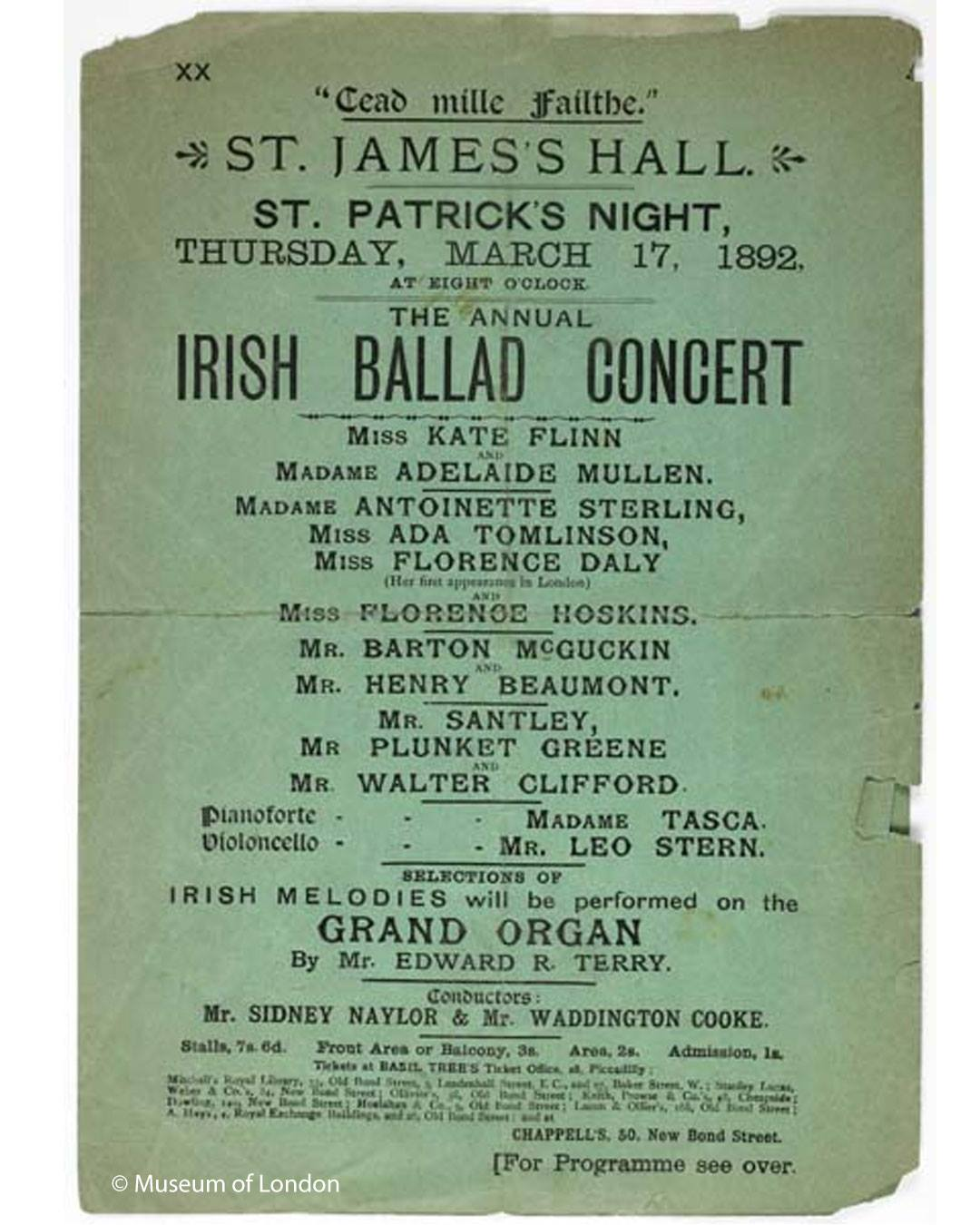
But more informal gatherings had existed for far longer. In a letter from Irish author Jonathan Swift to his friend, the former records seeing the Mall “so full of crosses, that I thought all the world was Irish” on St Patrick’s Day 1713 (a cross in your hat was the traditional Irish emblem at the time).
After a long lull due to the Bloody Sunday massacre in 1972, when British soldiers in Derry opened fire on unarmed protesters, and the IRA bombing campaign in the capital, official St Patrick's Day celebrations returned — with the first parade organised in 2002. Now, hundreds of thousands attend the festivities, and many more celebrate by downing as many pints as possible in the city's finest Irish establishments (old-school concerts like those of yesteryear have also made a return).
We've written before in The Londoner about the bittersweet relationship between assimilation and community in the case of Kilburn, once known as the 33rd county and a lost hub of Irish life. It's a beautiful piece to read over as you wait for your Guinness to settle and the band to play. But for now: Sonas Lá Fhéile Pádraig oraibh, a Londanacha!
 Andrew Kersley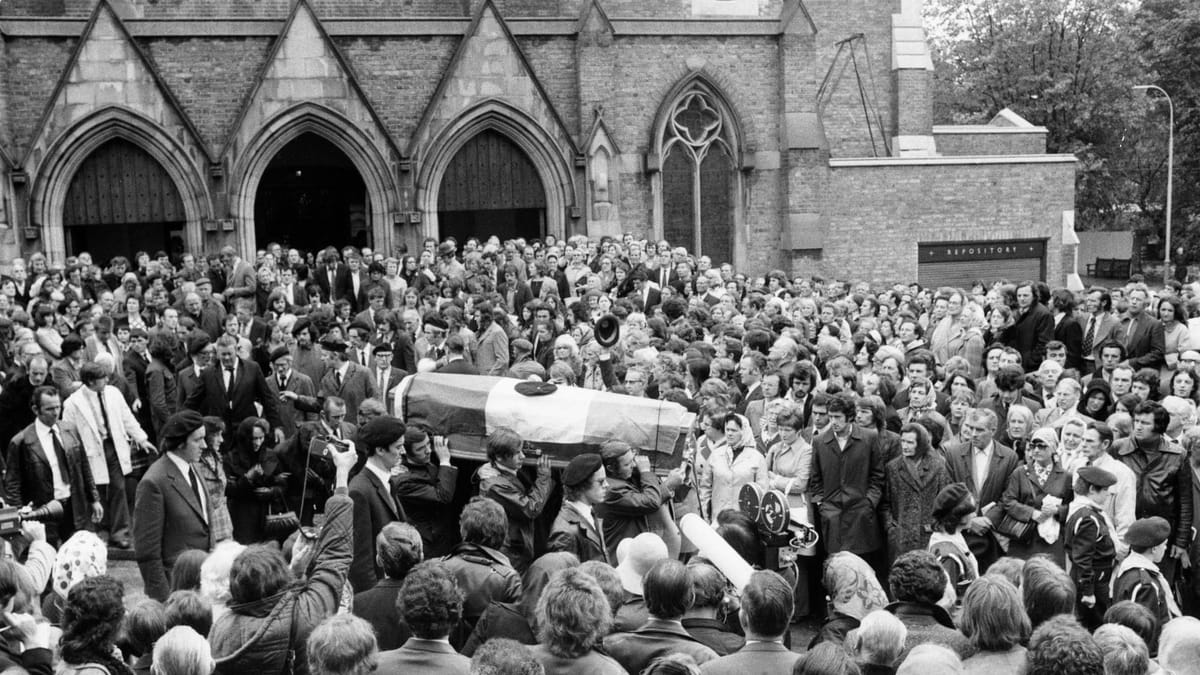
Welcome to The Londoner, a brand-new magazine all about the capital. Sign up to our mailing list to get two completely free editions of The Londoner every week: a Monday briefing like this one, full of everything you need to know about that’s going on in the city; and a high-quality, in-depth weekend long-read.
No ads, no gimmicks: just click the button below and get our unique brand of local journalism straight to your inbox.
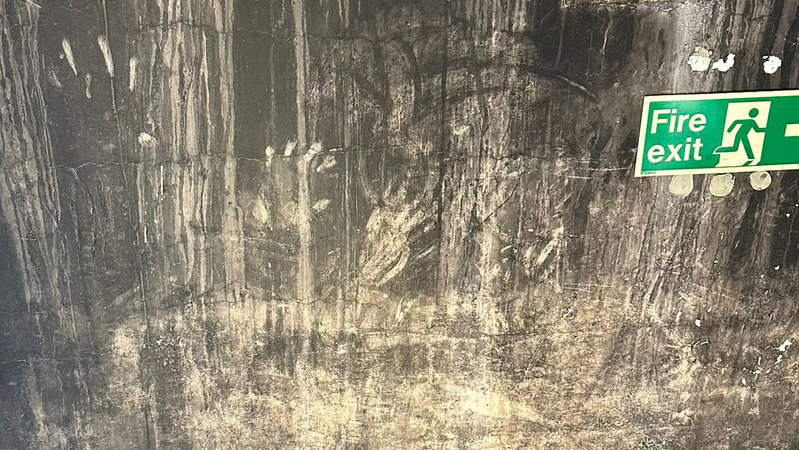
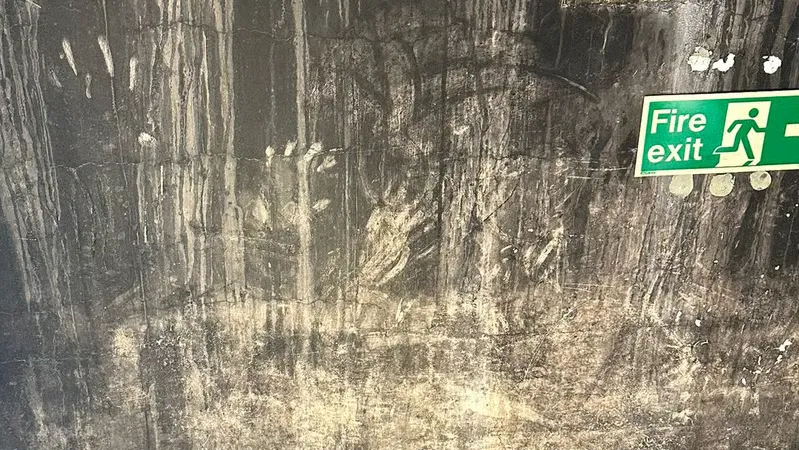
The government promised to protect handprints left by the victims of Grenfell. Last week they were destroyed.
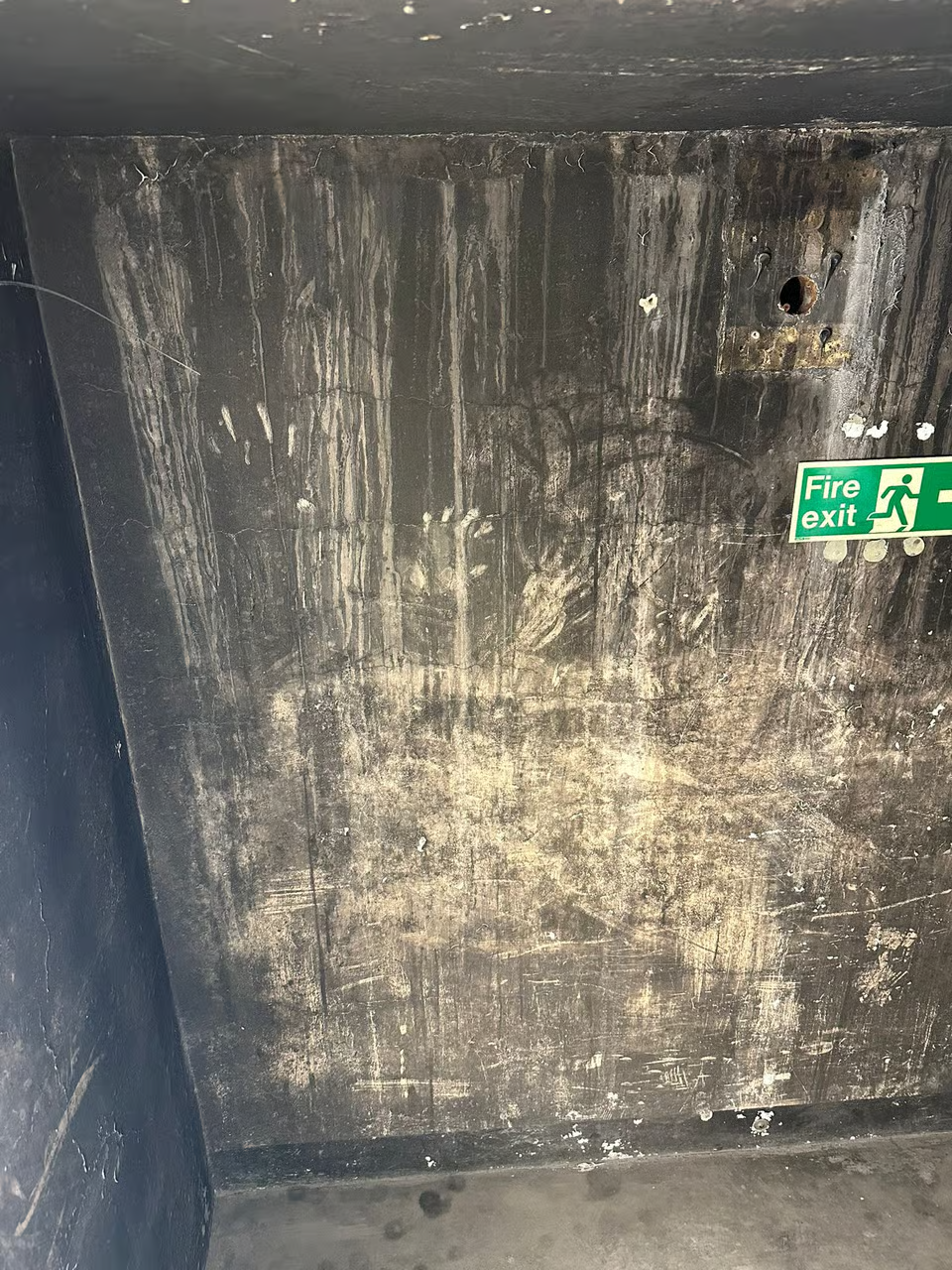
Families of the victims of the Grenfell fire are threatening legal action against the government after it destroyed handprints left by those who died in the fire.
72 people died in the fire that ripped through the West London tower block in June 2017. While a criminal investigation into the companies responsible for the building’s flammable cladding is ongoing, the government took the decision last year to demolish the tower, which has stood as a burnt out husk on the Notting Hill skyline ever since the fire almost a decade ago.
For families, it was a bittersweet decision. Many backed the proposal to clear the site, with a sacrosanct proviso: the preservation of a series of handprints and messages written in soot in the tower’s charred stairwell. At least eight people died in that part of the tower, and it’s suspected by families that the handprints and markings — including the Arabic script for “Allahu Akbar” — were their final messages. The government pledged to preserve the markings for a memorial after a campaign group representing the families threatened legal action.
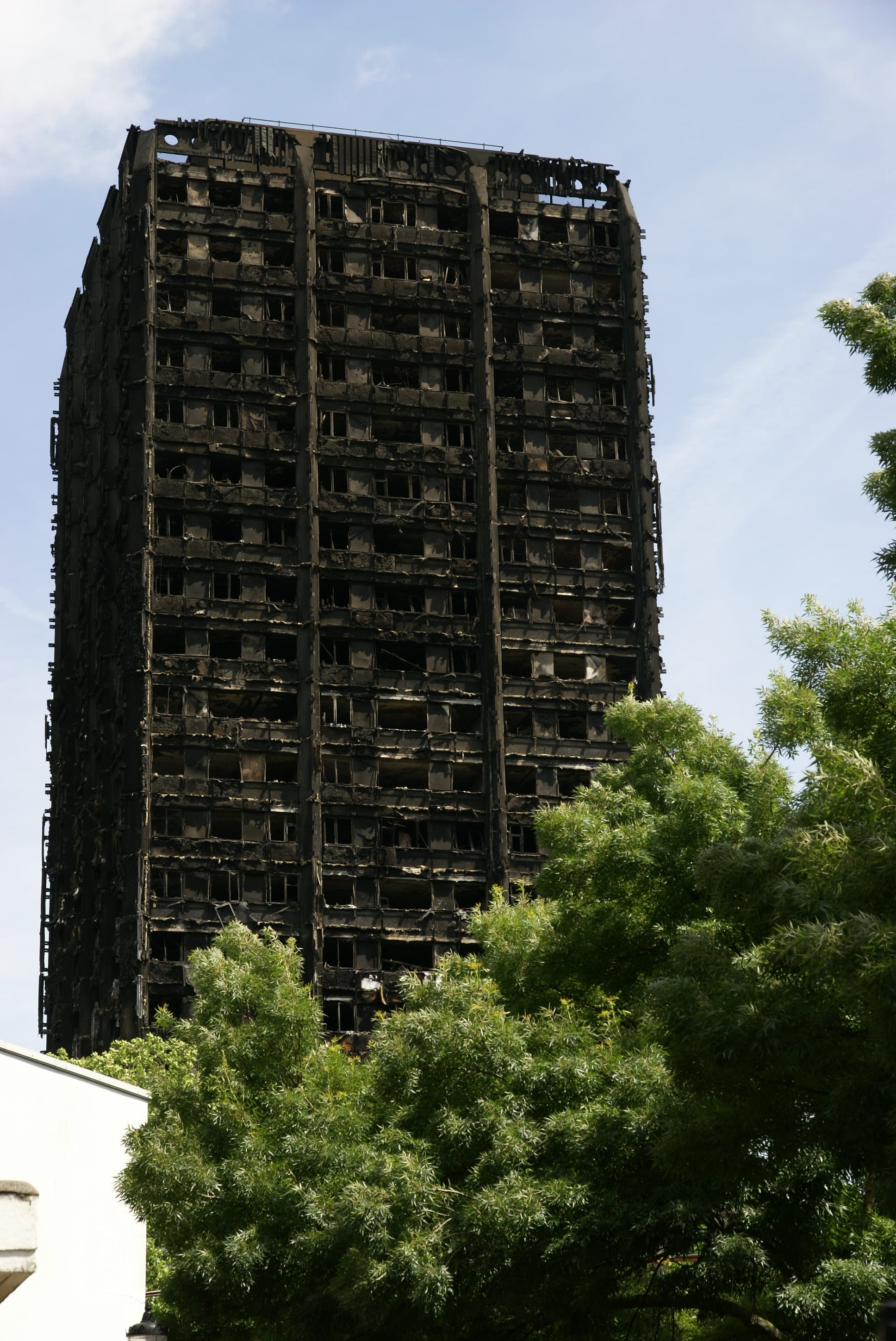
But according to the Observer, during an engineering assessment on Friday it was revealed they had already been destroyed. “The senseless, cruel act of destruction of significant symbols of the struggle for survival, and those who died; a plea to God? None of that meant anything to them,” Shah Aghlani, whose mother and aunt died in the fire, told the Observer. “Even if they did apologise, it would mean nothing, because they abuse you and do it again.”
Sadiq Khan reaches peak Londonmaxxing

For readers still on the site formerly known as Twitter, you may have noticed something strange happen last week. Specifically, London Mayor Sadiq Khan changed his bio to read: “Londonmaxxing since 2016”.
Well what is Londonmaxxing? For the less terminally online, it’s a reskinning of the term “looksmaxxing”, an online movement borne out of virulently misogynistic forums dedicated to improving your own attractiveness whose “-maxxing” suffix has now permeated internet parlance. But rather than obsessing about appearances, Londonmaxxing is basically just living, doing or discovering things that are unique to this capital city. The term started growing in popularity particularly with the city’s tech community in reaction to the constant (often artificial or American-led) negativity about the city.
It took a journalism student working for the student paper of City University of London to track down the originator of the term. Charlie Ward, the founder of an east London co-working community, coined the term in an X post on 5 March. “People like Londonmaxxing because there’s a lot of people who actually really love living here and who see a lot of potential here,” Ward told City News. “It’s definitely a reaction to the negativity.”
The movement soon swerved from optimism to parody, with pictures of Blank Street Coffee or the Gherkin being labelled as “Londonmaxxing”. But its virality still seemingly turned the head of the city’s own mayor, as well as a slew of posts praising Google’s new offices. And as is so often the case with such things, once irony set in and big companies were in on the meme, it lost its sheen. For the last few days, there’s been little to no mention of “Londonmaxxing”. Now, we can’t help but wonder how long the mayor’s new bio will last.
London rallies for cancer-ridden Vauxhall key cutter
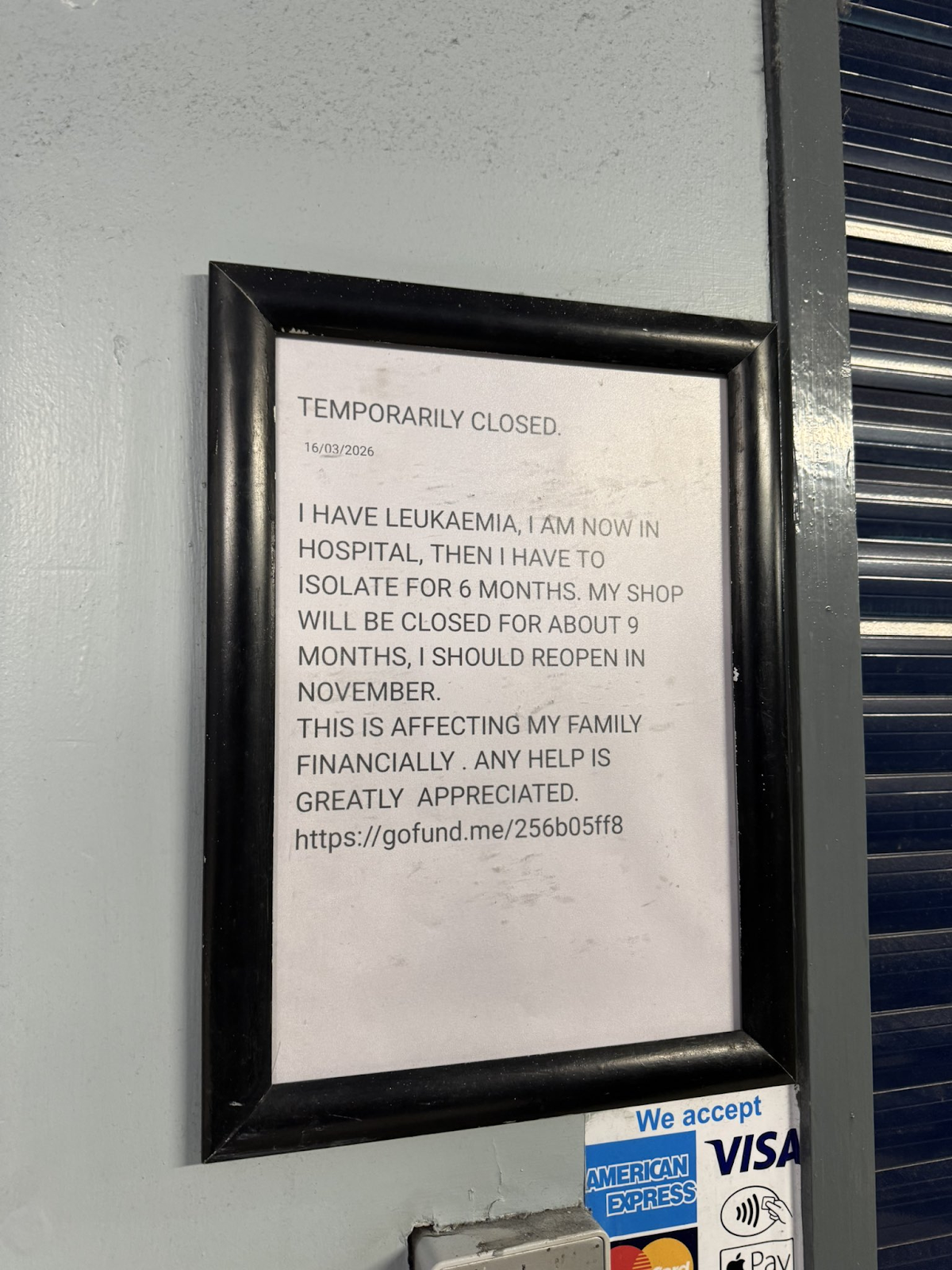
A small key-cutting and watch repair shop in Vauxhall station has closed while its owner, Michael Allen, undergoes treatment for leukaemia. Tragically, his business break insurance didn’t provide cover for cancer, and so he’s taken to GoFundMe to raise the money to be able to reopen after undergoing treatment. “I feel there is a 90/95% chance of me surviving”, he wrote in the online fundraiser, “but a 60% chance of my business surviving.” His pet terrapin, Potty, will also be forced to up sticks from the shop.
Fortunately the money has poured in since then; he’s raised over £12,000 of his £18,000 goal, demonstrating again the depth of feeling that regular Londoners have for independent businesses. If you’d like to support Michael (or just check out Potty), here’s where to go.
Quick hits
- London Irish Centre’s language lessons are selling out in minutes.
- Abandoned kittens left in an ice cream tub in Islington.
- A breakdown of next week’s tube strikes.
- Man caught peeing on a Northern line seat at 4am.
- Stringfellows wants to move to Mayfair. Locals aren’t having it.
In case you missed it…
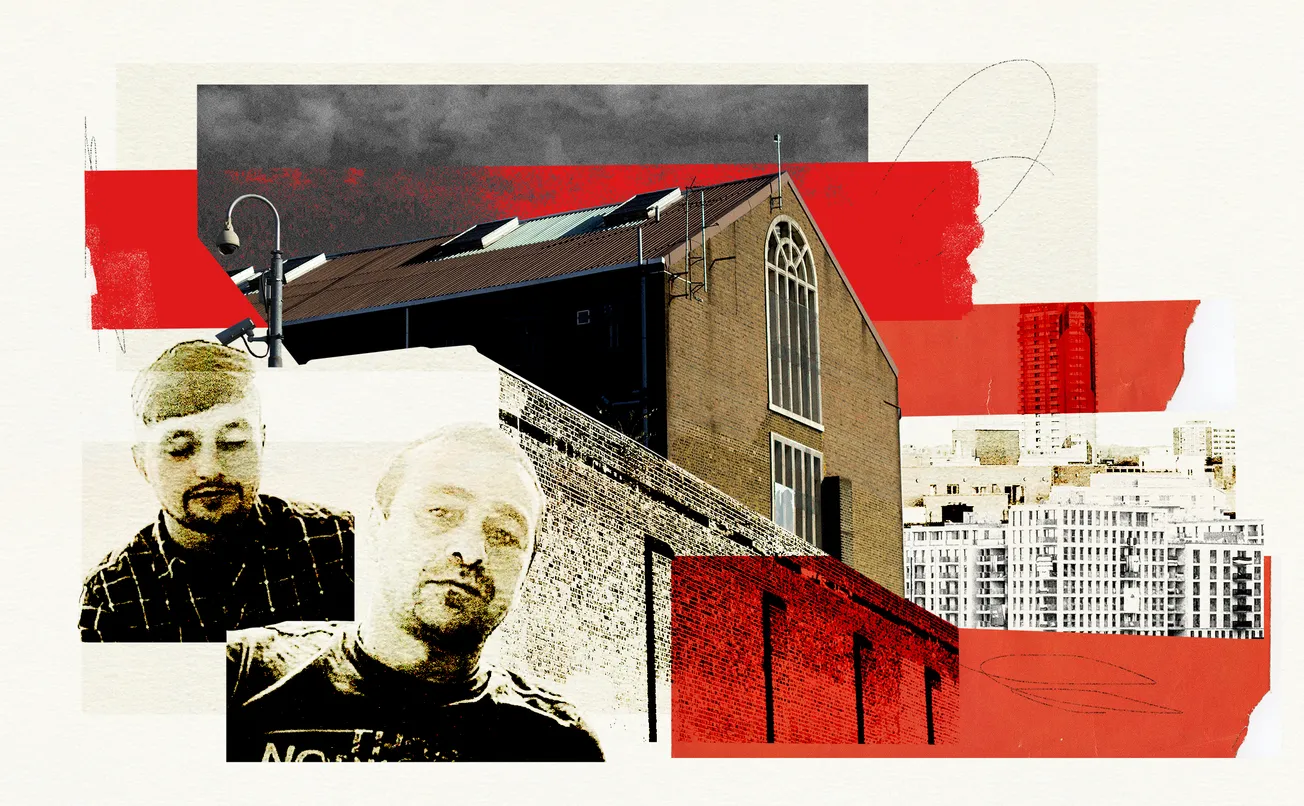
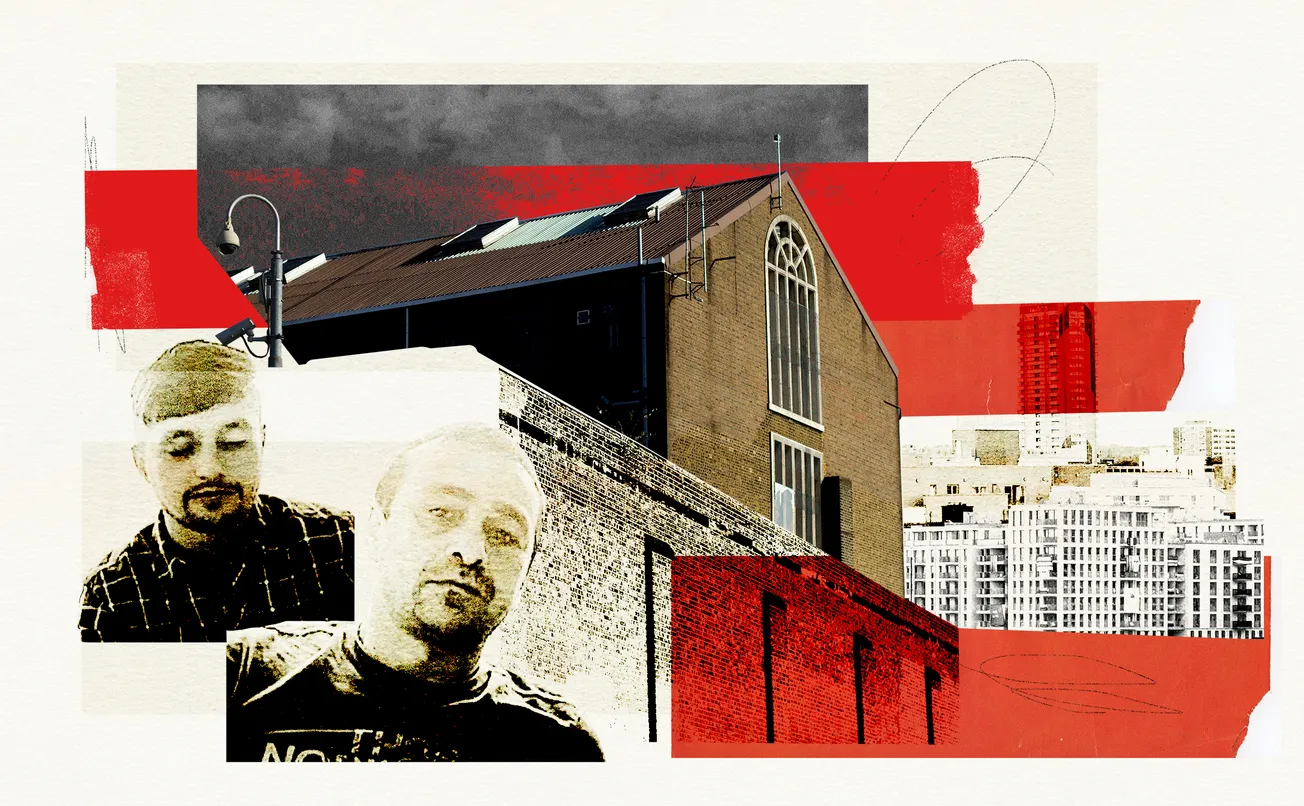
- Three brothers fled Afghanistan for safety in London. Over the course of 39 days last year, two of them would be dead. On Saturday, we told their story, a tale of broken systems, wrongful imprisonments and inescapable trauma.
- Ever wondered how a new tube line gets built? Well for our Thursday read we spoke to the people behind the Elizabeth line and Northern line extension to find out what happens behind the scenes.
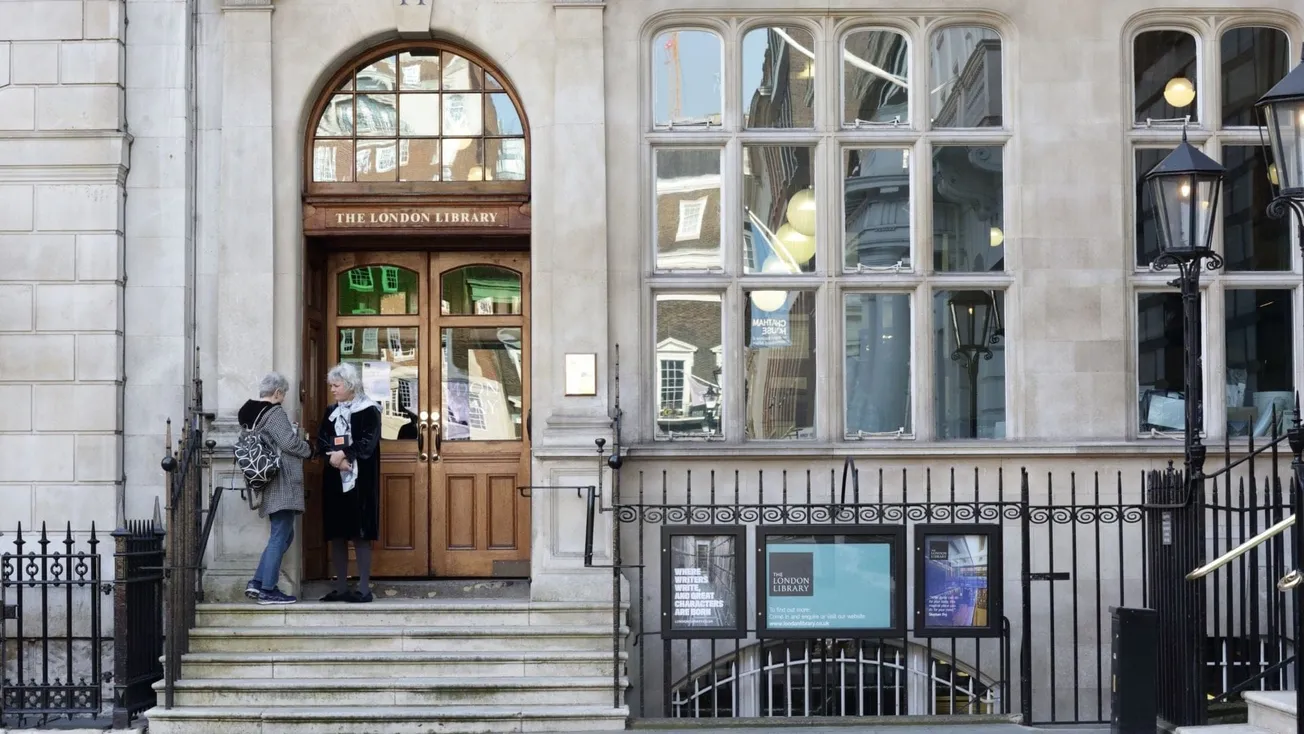
- A debate over adding a new cafe at the historic London Library has descended into accusations of vote rigging and censorship and comparisons to the Nazis. On Wednesday, we found out how things got so strange.
One perfect pub
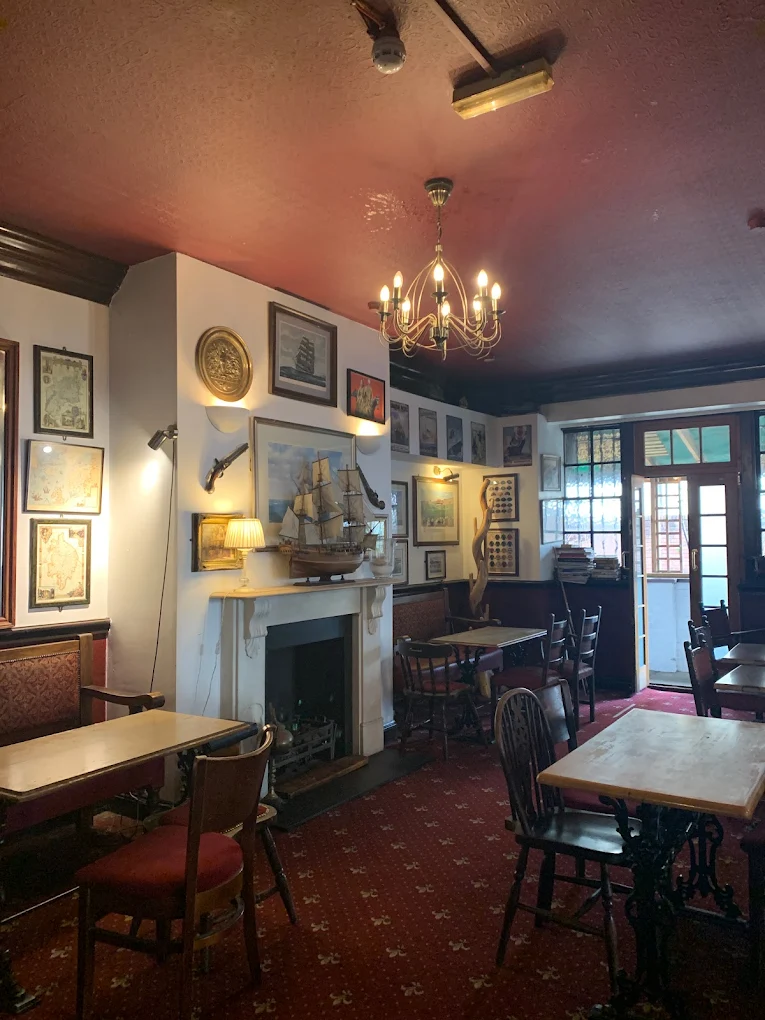
A perennial problem for us here at The Londoner is finding a genuinely good pub within walking distance of our office on the border between Westminster and Pimlico. Inevitably, most of those near us are £8 a pint, with identikit interiors and raucous, SpAds as patrons. A notable exception, though, is the Grosvenor, perched on the edge of the Thames near Vauxhall Bridge.
A red-carpeted, un-modernised pub of its kind is rare anywhere in the capital, let alone its centre, and the Grosvenor comes with enough selling points to fill a multi-page manifesto. An interior of small nooks, fires, dark wooden furniture and naval niknaks, a covered greenery-filled garden, pool table and darts, sub £5 pints. Honestly, what else could you ask for?
Our favourite reads
How to talk to an Uber driver — Will Self, Dispatch
Last month, renowned novelist Will Self penned this essay, a reflection on the capital told through the conversations he had with taxi drivers on the way to this cancer treatment. It’s funny and bittersweet in equal measure.
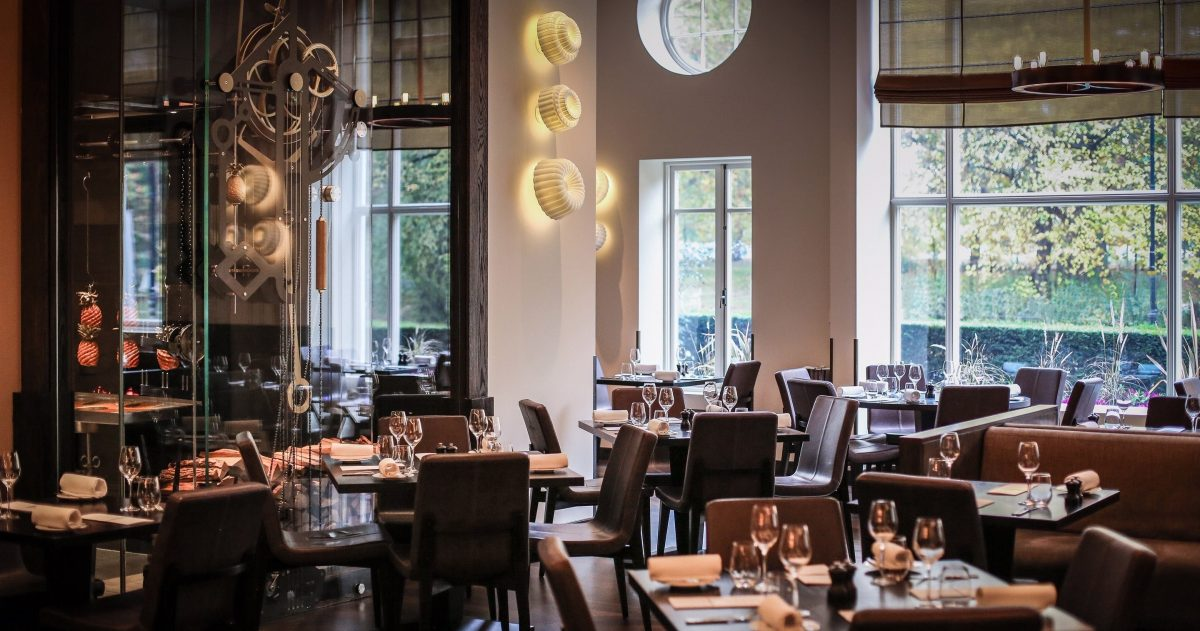
Fallouts and financial woes: inside Heston Blumenthal’s sinking empire — Helena Horton, Guardian
With Heston Blumenthal announcing last week that he was shuttering Dinner, his two Michelin-star restaurant at the Mandarin Oriental in Knightsbridge, Helena Horton looks into what’s gone wrong for the one-time golden boy of the British culinary scene.
To Do List
- It’s St Patrick’s day on Tuesday, and there’s countless events going on around the capital. You could do far worse than parking yourself in front of a Guinness (or several) at the Sheephaven Bay or the Blythe Hill Tavern, but for those in search of something a little less explicitly boozy, try the St Patrick’s Day walking tour, which makes its way from Parliament Square to Soho by way of the Emerald Isle’s most famous authors, artists and radicals.
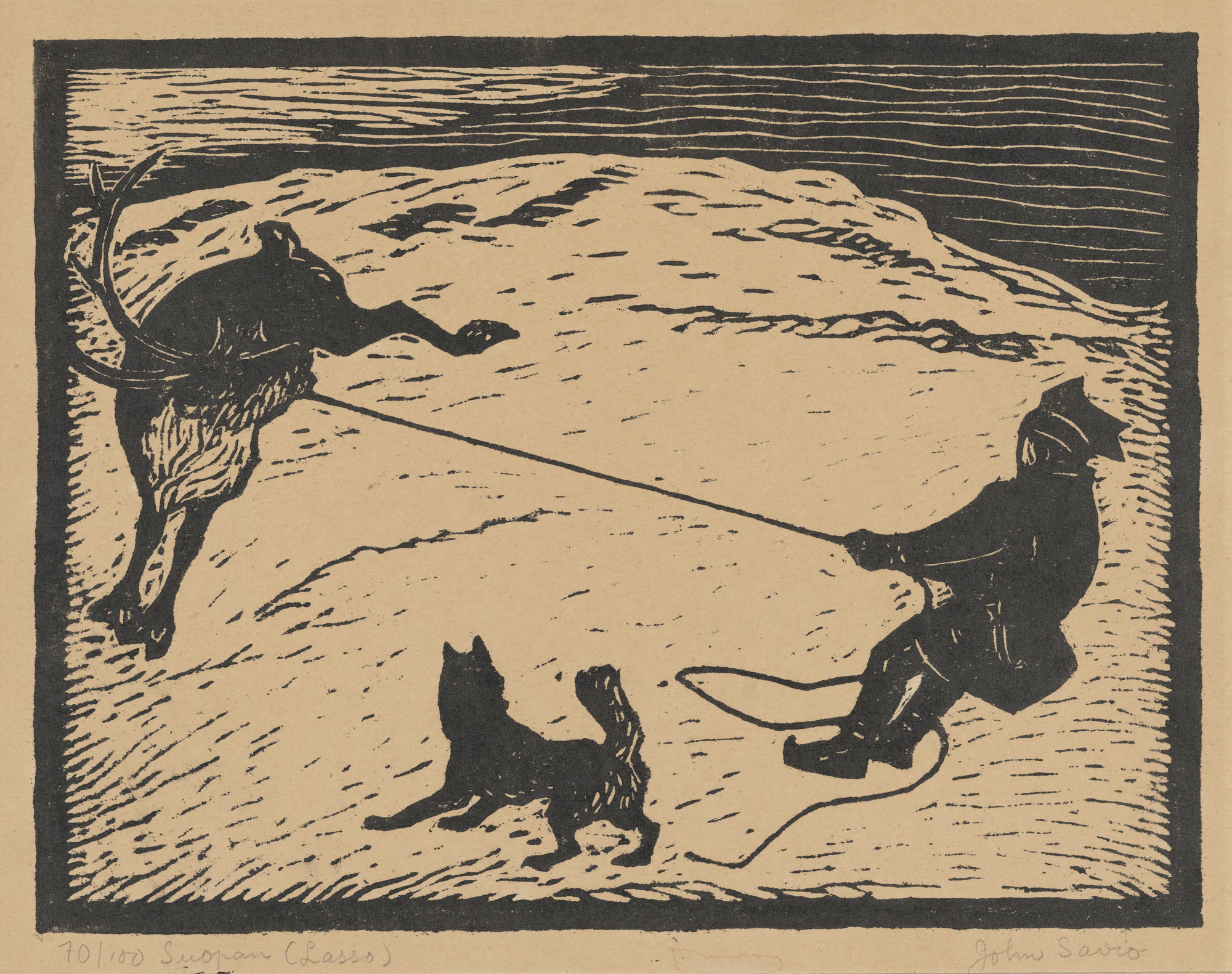
- A fan of dark nights, empty fjords and surreal scenes of horror? The British Museum has a new free exhibition celebrating the melancholy and macabre world of Nordic noir on paper, focusing on the likes of Mamma Andersson and Edvard Much. Tickets here.
From the archive
Fittingly for St Patrick's Day, this short documentary from 1980 speaks to broadcaster Terry Wogan and bestselling author Maeve Binchy to understand the late-20th century Irish immigrant experience in London, from finding work to seeking community in the capital's Irish pubs.