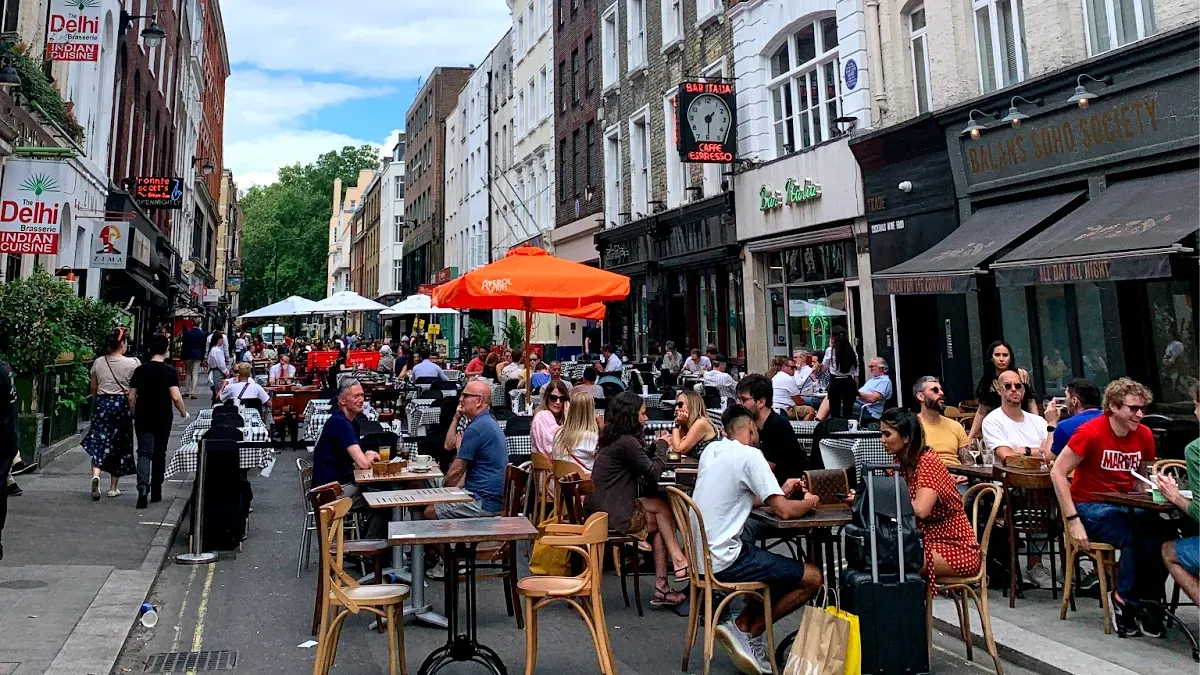
Covent Garden, late summer, 1980. It’s just gone midnight, and a street cleaning truck is trundling along Great Queen Street, headlights ablaze. The truck’s dribbling water jets and spinning scrubbers are raging a futile war on the cigarette butts, half-eaten kebabs and cigarette butts, all soaked from a recent downpour, that line the gutter. “Up you get, ladies,” the guys in charge of the operation say. “Shift your pretty little arses off the kerb, unless you want a good soaking!”
“I’m already soaked,” mumbles my friend Vincent, clutching his makeshift nun’s habit around him as he teeters upright on his bare feet. As I snatch at his discarded red stilettos just in time to save them from the jaws of a grabber, Vincent clutches at my arm just in time to save me from falling flat on my make-up smeared face in the truck’s headlights.
“Not so pretty tonight, eh?” says Mr Wit from the Sanitation Department. Oh yes we are, mate; we’re bloody beautiful. But not beautiful enough, it seems, to make it into tonight’s destination: the defiant, brave new world of Blitz club.
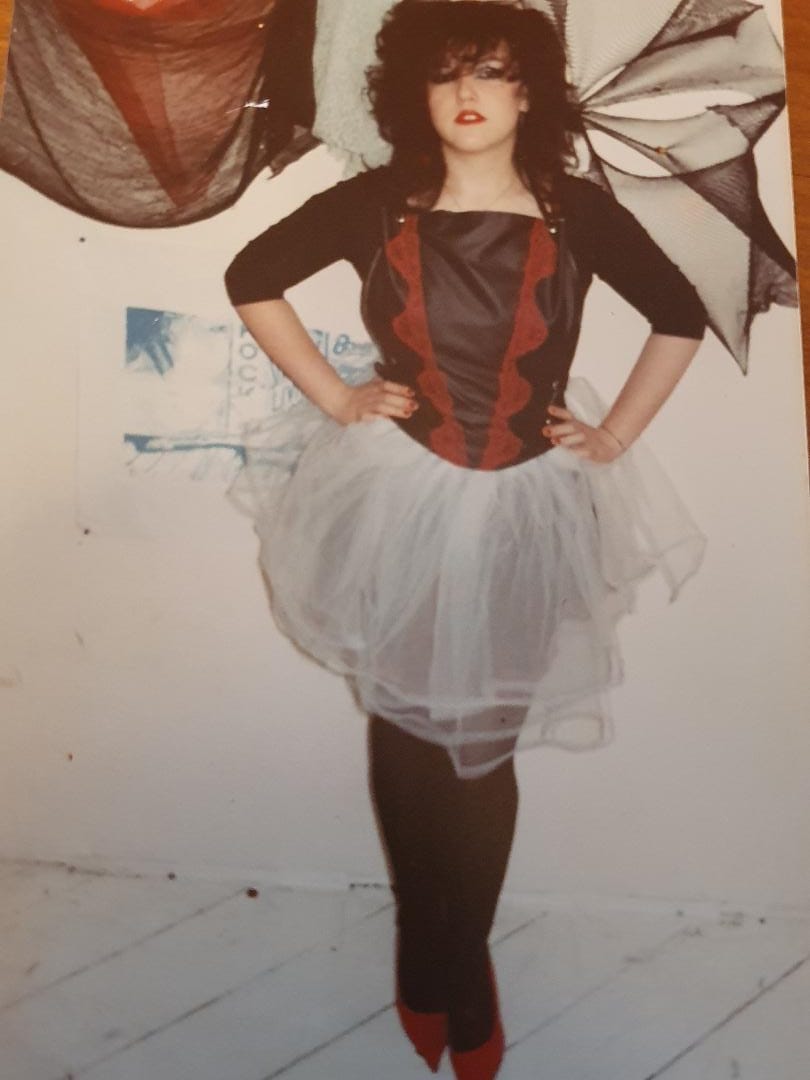
‘Only the bold, beautiful, brave or other-world stylish’
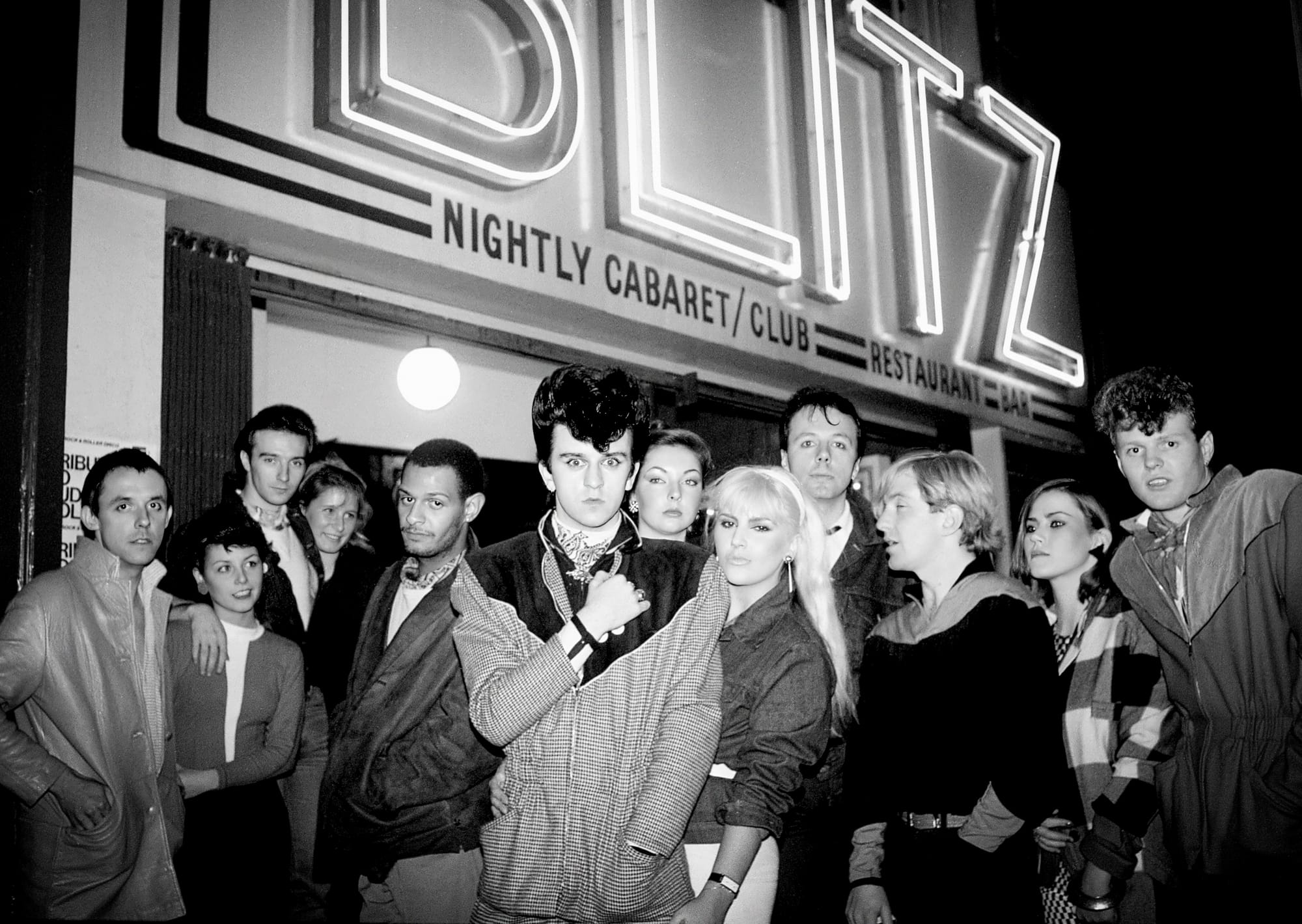
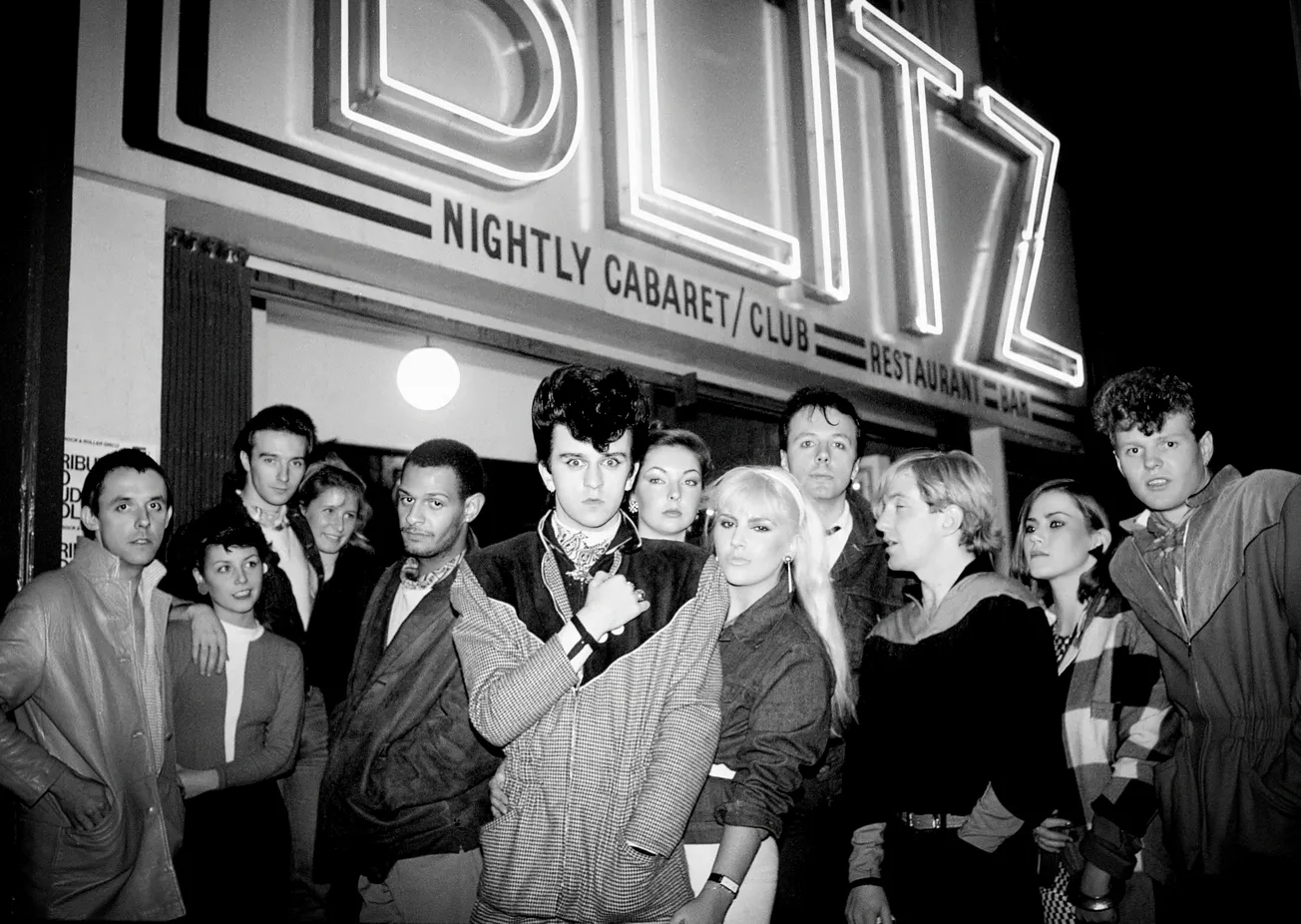
The brainchild of Steven Strange, a singer and social butterfly, and musician and DJ Rusty Egan, the Blitz was the reincarnation of the regular Bowie nights at Billy’s in Soho. Relocated to a shabby former wine bar with a Second World War-era theme (wartime propaganda posters on the walls; utilitarian fixtures and fittings) and a 200-person capacity, it only opened on Tuesday nights.
Though it was only open for around 18 months, the club swiftly earned cult status. Part of the mythos came from the celebrities who attended: Spandau Ballet, Sade and Boy George. But it also came from Strange’s legendarily draconian entry policy (as he wrote in his autobiography: “only the bold, beautiful, brave or other-world stylish enough got through my doors”). Many tried to get into the Blitz, but few succeeded in getting past Strange, who perched at the top of a small stepladder like a glammed-up version of Chitty Chitty Bang Bang’s Child Catcher. Including, most of the time, me and my friends.
Forty-six years later, getting into the Blitz is a lot easier: just pay for a ticket and in you go, regardless of what you’re wearing, how long it took you to get ready, or who you are. Okay, you won’t actually get into actual Blitz; the club closed its doors for good in October 1980. But, until the end of this month, you can "immerse yourself in the Blitz experience” at the Blitz: the club that shaped the 80s exhibition at the Design Museum.
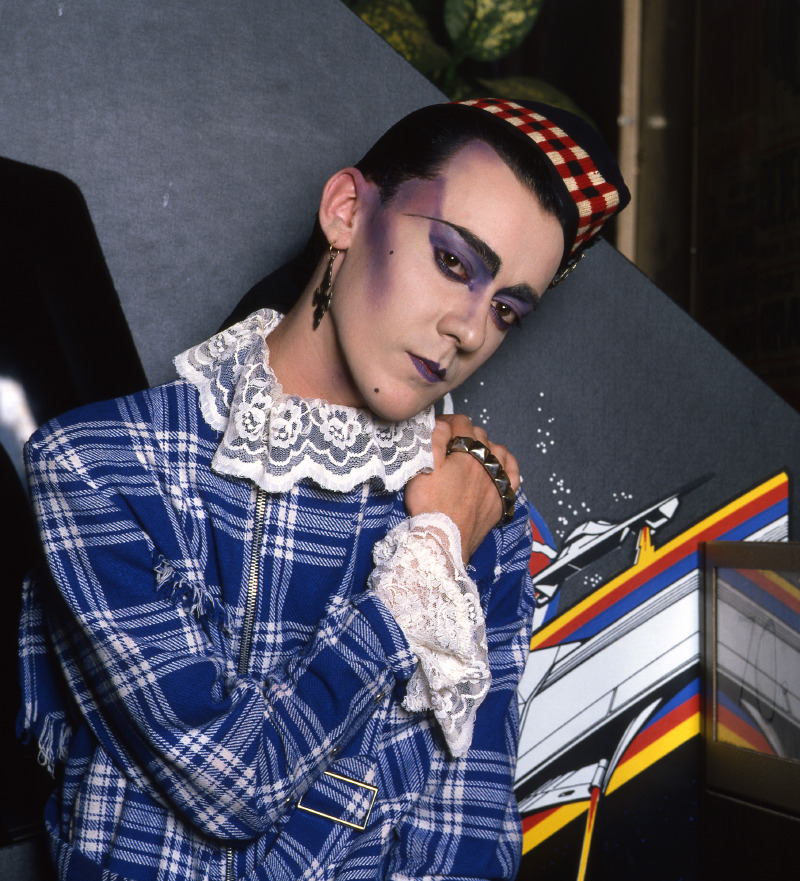
You won’t be greeted by a waft of perfume and fags when you enter the Design Museum today. But a window into a very specific moment and place in time has been opened by curators who know all there is to know about creating an "immersive experience", even recreating a replica of the club itself complete with a 3D avatar of Rusty Egan at the decks. It's a respectful homage, wrought throughout with impeccable attention to detail.
But somehow, the pristine pages of the glossy magazines of the era (The Face; i-D) and newspaper cuttings behind the glass-encased shelves, the fliers, the memorabilia, the flamboyant outfits pinned to lifeless models and even the opportunity to “dress like a Blitz kid” are only ever going to feel soulless and rigidly frigid to those who put the Blitz on a pedestal whose summit could never be reached.
Our Saturday stories are free for all to read — but we can only survive with your help (and we're currently being sued for £250,000 by a wealthy Airbnb grifter). If you're a fan of today's piece, please do consider becoming a paying member.
Where Marc Bolan met Marie Antoinette
The fact that a tiny nightclub that was only open for a year and a half (the club closed its doors when Egan and Strange declared the scene had “fissioned” and become too mainstream) warrants a dedicated exhibition almost half a decade since it closed may seem odd. But few clubs have earned the same iconic cultural status as Blitz, and few social scenes are so instantly time-and-place recognisable.
In an era filled with girls with stacked perms and boys dressed in stone-washed double-denim, with Shakin’ Stevens’ “Oh Julie” and Olivia Newton-John’s “Xanadu”, the kids of the Blitz were distinctly different.
Extravagantly coiffured, impeccably maquillaged and unafraid of flaunting pseudo-intellectual aspirations (carrying a copy of Jean Genet’s Querelle of Brest was de rigueur), these New Romantics wore outfits that, perhaps, represented a fictional place where Marc Bolan met Marie Antoinette, or a 1930s Hollywood superstar dressed for a trip to outer space. A charity shop wedding dress worn with a torn-apart denim jacket from Topshop? If you stood out from the prosaic crowd, then why not?
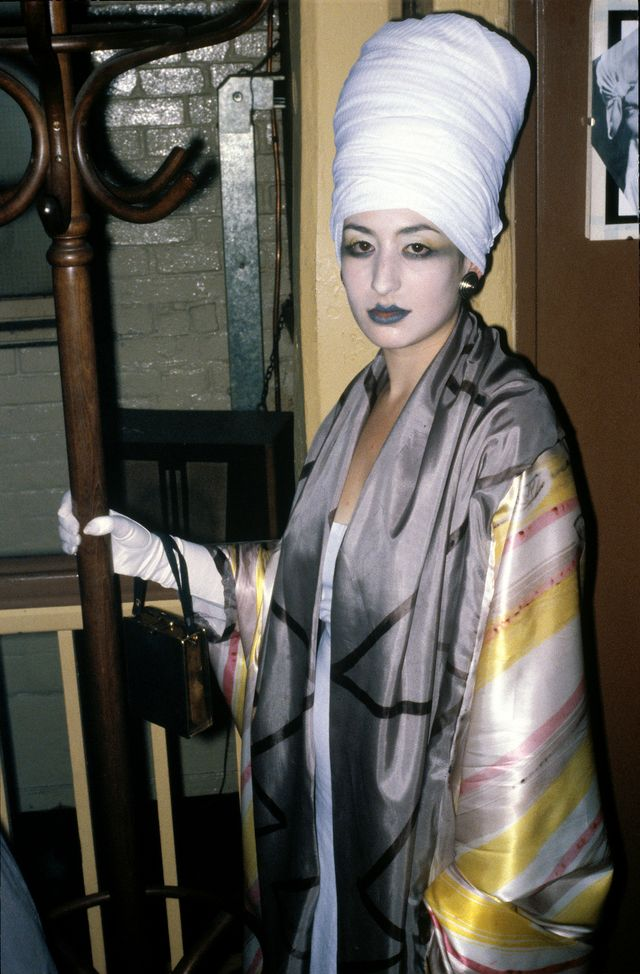
Their make-up was designed to draw attention rather than cover up flaws. Their music — tinny, synth-led cinematic bombast rather saccharine-sweet and overtly commercial — provided the perfect soundtrack to their almost other-worldly image. And The Blitz Club was at the epicentre of the whole scene.
The clique of musicians, DJs, milliners, fashion designers, filmmakers, writers and creative industry superstars-in-waiting who haunted the club were labelled hedonistic and work-shy by the tabloids. But in reality, they were competitive and ruthless, with a strain of ambition that both bonded and divided them. Many of those who sweated it out behind the Max Factor Pan Stik, birdcage-veil fascinators and ruffled velvet cloaks treated Blitz as an exclusive finishing school that kickstarted their brilliant careers. If you weren't deemed beautiful, interesting or socially exciting enough to get in, you weren’t destined to be One Of Them.
From Substack essays to academic tracts on British cultural and social history, justifications of the Blitz’s rigid door policy often involve individualism, glamour and creating a safe space for cultural pioneers. Less charitable takes suggest that some of those who endorsed the policy may have been, at best, supercilious and arrogant and, at worst, flagrantly egotistical and wildly insecure behind their confident, charismatic facades.
This is not a paywall! This brilliant story about the group of ultra-glam 1980s club fiends known as the Blitz kids is completely free to read (and we hope you're loving it). All you have to do to continue reading is sign up for free below, no card details needed.
This story is free to read. You just need to sign up to join The Londoner's mailling list. And why wouldn't you? You'll get our journalism in your inbox the second we publish, keeping up to date on this and all our stories. No card details required.
Already have an account? Sign In