To read all of today's piece, you’ll need to be a full-fledged paying member. Let us explain why: through our investment in our growing team, we believe we can bring back high-quality, independent local journalism. But it’s a huge and expensive undertaking — we're currently being sued by an Airbnb scammer — and we need your help.
So we’ve sweetened the deal: take out a year’s membership of The Londoner, and we’ll give you two months completely free — and you’ll be supporting a small team working tirelessly to cover the most important stories in the capital.
It was at last years’ London Library Christmas party that people started using the words “dictator” and “censorship”.
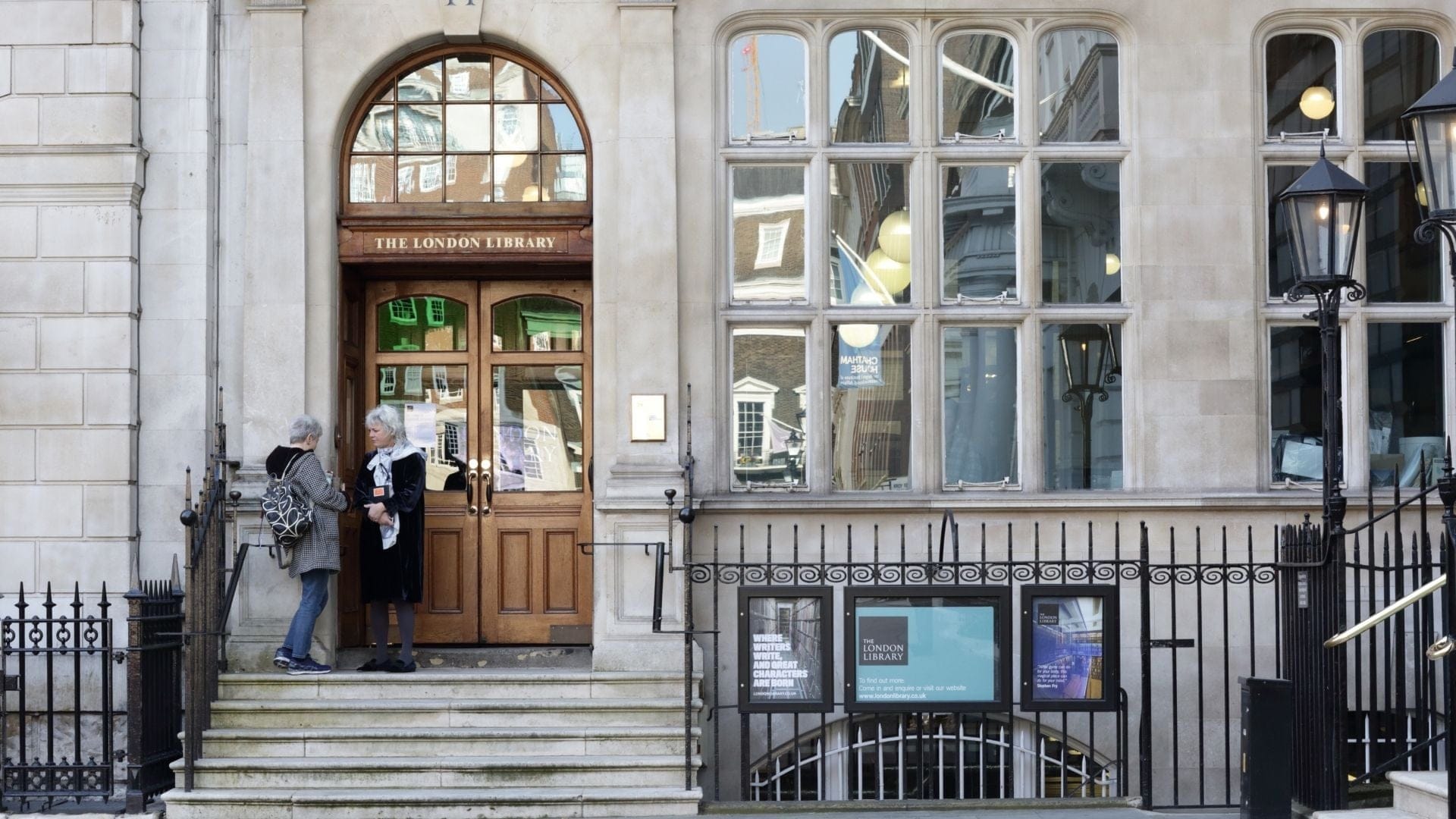
The event was supposed to be a chance for the published and aspiring writers who make up the bulk of the library’s membership to enjoy some festive cheer. Poetry readings were scheduled to take place in the main reading room, a rich, wood-panelled space lined floor to ceiling with rare books and niche periodicals. Members could gaze at the titles and reflect upon their own contributions to the literary world that year. Or, at least, they could consider whether they’d got their money's worth from the £565 annual membership fee.
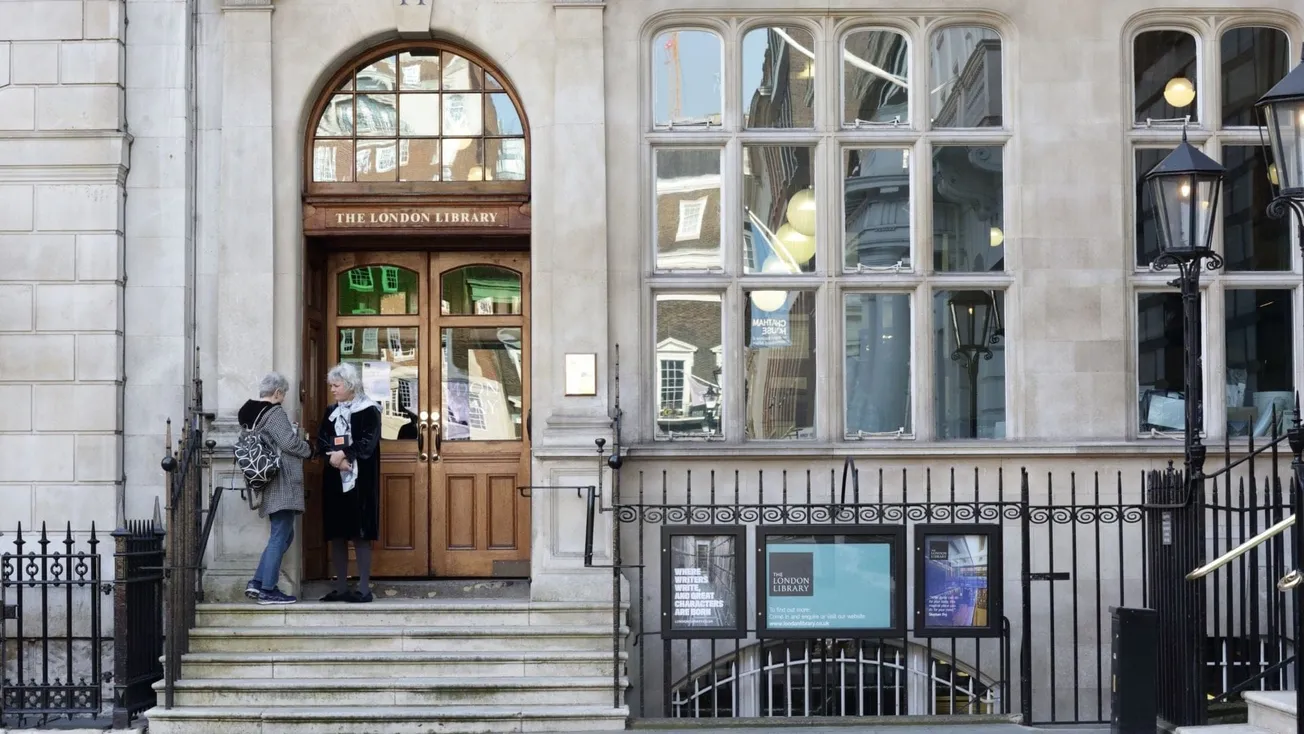
But for opponents to the Library’s £7m plans to build a sixth-floor cafe and rooftop terrace — like Rick Stroud, a 78 year-old historian with snow white hair and a voice like thick parchment — it was a chance to recruit. After a few minutes of handing out flyers on the stone steps outside, Library chairman Simon Godwin strode out to confront them. Their campaign had gone on long enough, he snapped. Leafleting would be banned.
As a devoted historian of the second world war, the first thought to enter Rick’s mind was of Sophie Scholl. The 21 year-old was guillotined in Munich for distributing pamphlets that challenged Nazi Germany. “It’s a reducto ad absurdum, I know,” he tells me earnestly over the phone. “[The library’s board] are not the Nazi party,” he quickly clarifies. But the comparison stuck.

In the months that followed, the drama spilled out into the UK’s national press. Andrew Marr wrote in the New Statesman that the dispute pitted the Library’s “crusty traditionalists” against a cafe-obsessed management class. “I am firmly crusty,” Marr declared, sparking weeks of sparring in the magazine’s “letter of the week” section.
One outraged library member threw her weight behind the plans and said that Marr’s habit of receiving telephone calls in the library was the real disruption at hand. The following week, someone warned her she “should be careful what she wishes for,” before The Times published a story airing the protestors' grievances about censorship.
So what’s really going on at the London Library? Has one of the capital’s most prestigious literary institutions — co-founded in 1841 by Charles Dickens and now the largest independent lending library in the world — lost its way? Or is there a very different kind of conspiracy going on?
London deserves great journalism. You can help make it happen.
You're halfway there, the rest of the story is behind this paywall. Join the Londoner for full access to local news that matters, just £8.95/month.
SubscribeAlready have an account? Sign In