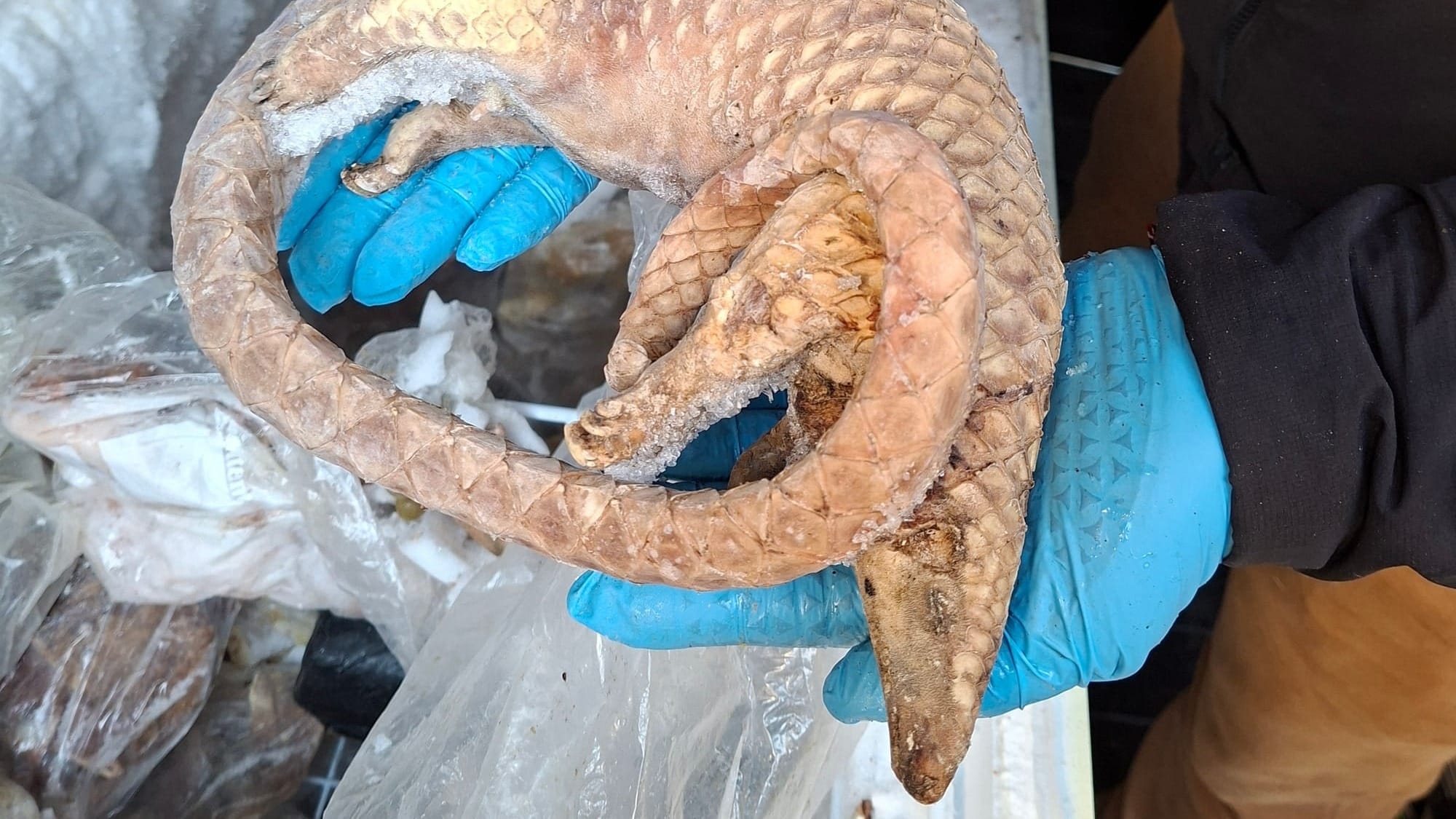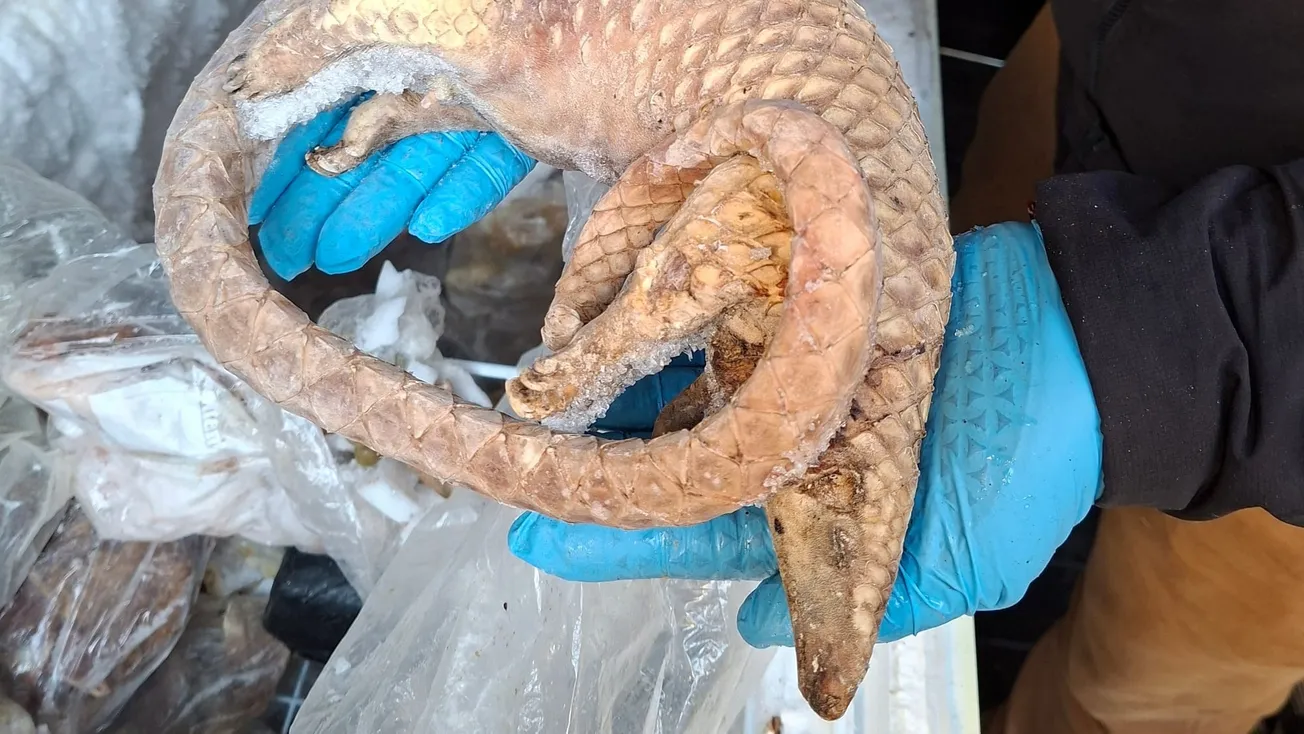
To have a monkey shot and shipped from Lagos to my house in Hackney would cost around £50, give or take. It would arrive seven to ten days after I placed the order to a seller over WhatsApp, and when it came to my door it would already be cut, dried and smoked, its thin little body wrapped tightly in plastic packaging. There would, I’m assured, be no issue getting through customs.
I came to talk with monkey meat smugglers in Nigeria after I received a tip-off last month that illegal wildlife was filtering into the London food chain. But it wasn’t initially clear how widespread the issue was.
I hoped to know the answers to a few questions: where do you even get a monkey these days? Where do you look, if you want to sample the flesh of some of the most unsafe and tightly controlled animals in the world? At that point, I didn’t know whether I’d be able to find any sellers, let alone whether they’d want to speak — and reveal their business model to an obviously Western journalist.
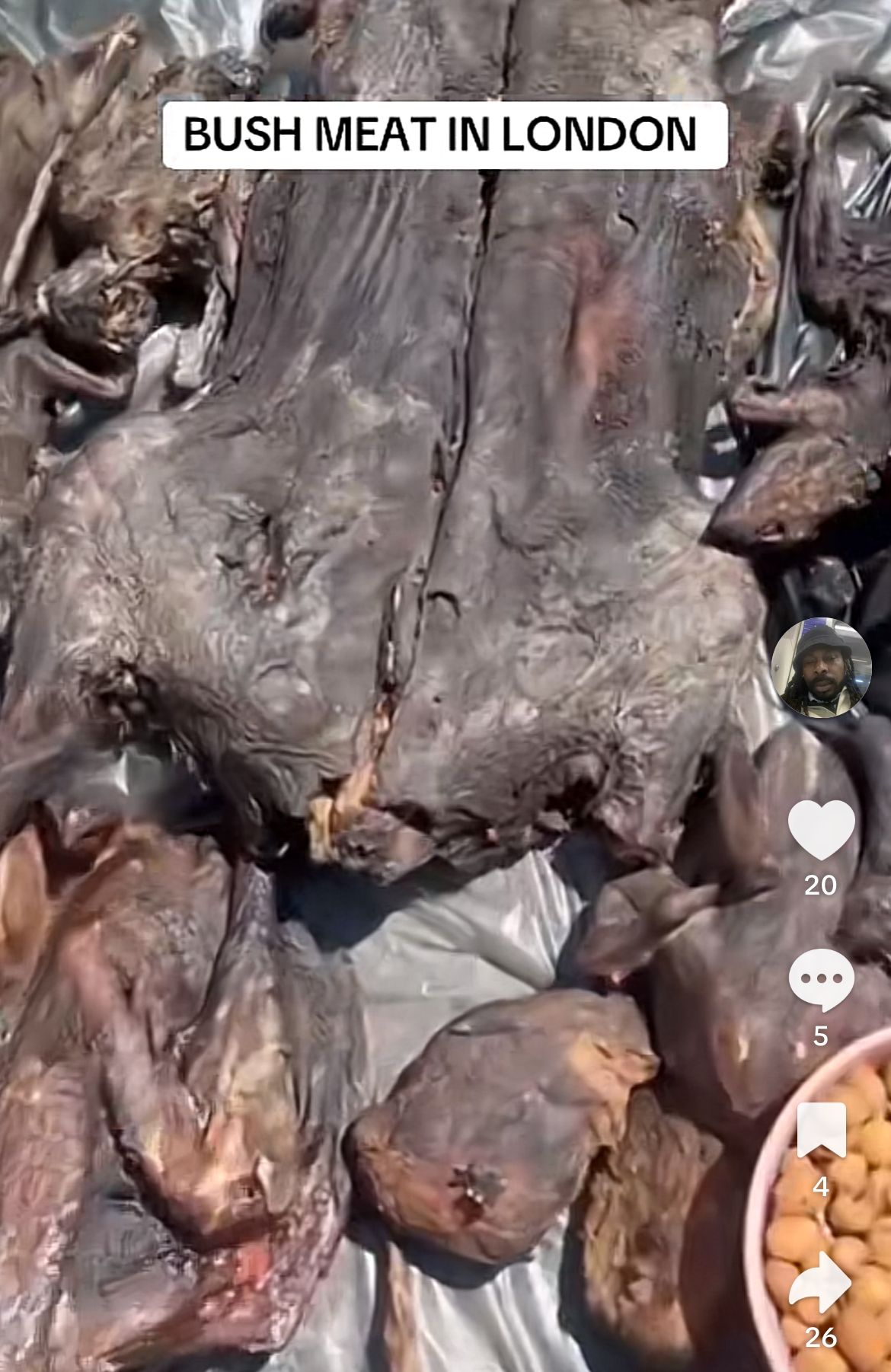
But far from existing in a shadowy, hidden world, I found these sellers advertising in plain sight, only too happy to talk shop about the exotic species they ship to London. And it starts, as it so often does these days, with TikTok.
‘The tip of the iceberg’
A catch-all term, bushmeat covers practically any wild animal caught in the countryside of western and central Africa. It encompasses species as varied as pangolins, porcupines and pythons, as well as antelopes and — far more rarely — our fellow primates.
It’s associated with health benefits and ceremonial rituals, and has a supposedly superior taste to what’s available in British supermarkets. “We see that meat as too tender for our liking,” Dr Mark Ofua tells me. A Nigeria-based vet and researcher for the Wild Africa Fund, a charity which campaigns to regulate the bushmeat trade, he is now a vegetarian after several years in the anti-smuggling game. “It tastes kind of off.”
London deserves great journalism. You can help make it happen.
You're halfway there, the rest of the story is behind this paywall. Join the Londoner for full access to local news that matters, just £8.95/month.
SubscribeAlready have an account? Sign In