To read all of today's piece, you’ll need to be a full-fledged paying member. Let us explain why: through our investment in our growing team, we believe we can bring back high-quality, independent local journalism — but it’s a huge (and expensive) undertaking, and we need your help.
So we’ve sweetened the deal: take out a year’s membership of The Londoner, and we’ll give you two months completely free — and you’ll be supporting a small team working tirelessly to cover the most important stories in the capital. What's more, you'll get access to our entire back catalogue of members-only journalism, receive eight extra editions per month, and be able to come along to our fantastic members' events.
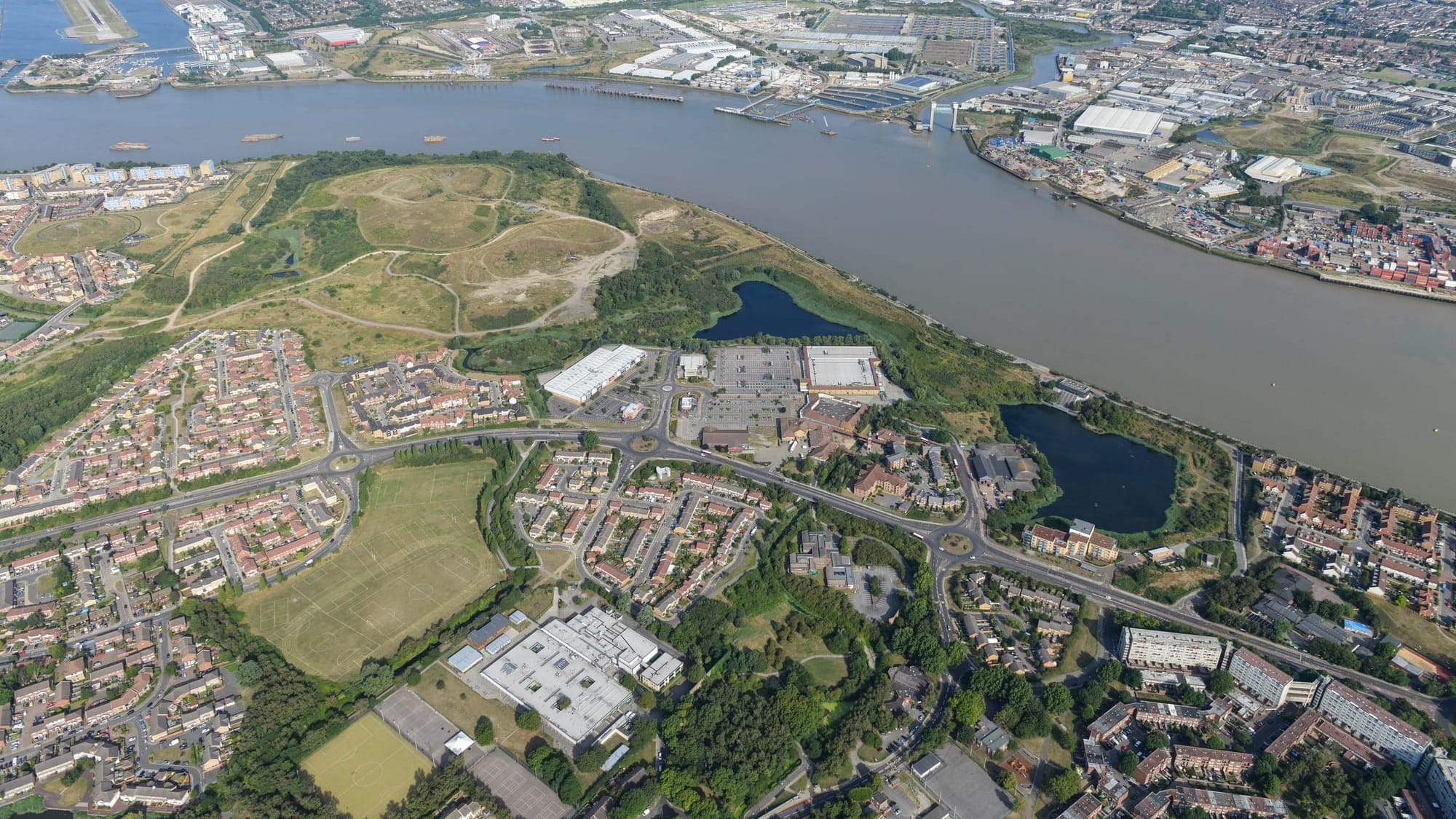
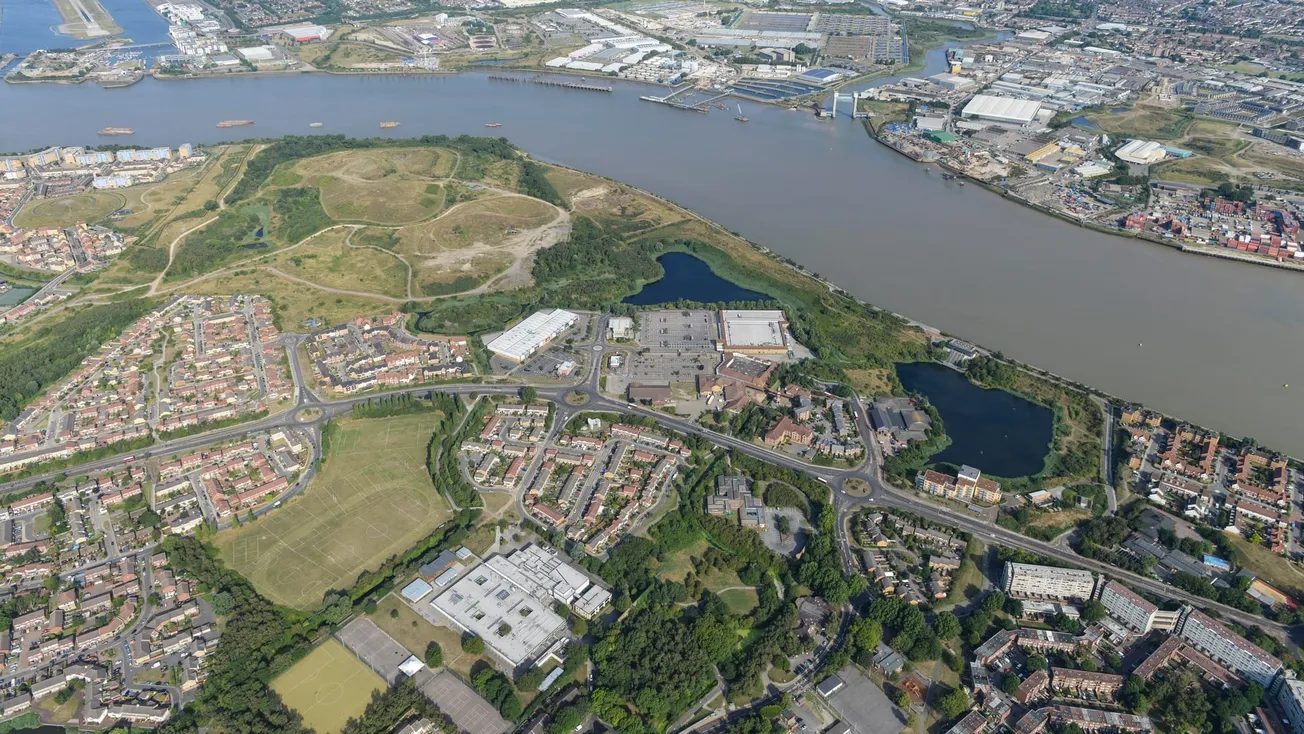
Sewage works, gargantuan trash incinerators and all manner of other necessary but undesirable things: Thamesmead has it all. Sitting along the south eastern reach of the river, it’s always been treated as the capital’s outfall. Back in 2010, the builders of the Olympic Park in Stratford even designated a square kilometre of marshy scrubland on its western edge as their dumping ground for the toxic chemical waste they discovered under the site, shovelling it across the Thames where it would be far out of sight of tourists, Olympians and foreign dignitaries.
At the other end of the city, up in the bucolic environs of Crews Hill in north Enfield, things couldn’t be more different. There’s a tiny village of 500 people surrounded by meadows and hedgerows, garden centres and country pubs. It’s even got a beloved replica windmill, just in case you hadn’t quite got the picture. The kind of area that despite technically being in Greater London, feels about as far from the grit and grime of the city as you could imagine.
You might be forgiven for thinking there’s very little that unites these two two spots, in the southeastern and northern corners of the capital. In fact they’re twinned: the two sites, specially selected by the government to become the capital’s “new towns”. Many Londoner readers will likely have heard of the government’s much-discussed plan for new towns: carefully designed districts that will rectify the country’s sluggish record on housebuilding. As the city continues to struggle to hit its housing targets and tackle an acute housing shortage, could these new towns be London’s shining hope? And, if so, why are they so controversial?
London deserves great journalism. You can help make it happen.
You're halfway there, the rest of the story is behind this paywall. Join the Londoner for full access to local news that matters, just £8.95/month.
SubscribeAlready have an account? Sign In