Acting police sergeant Jo Van Wyke knows a lot about the woman she’s been pursuing since February. She has a preference for steaks, bacon and mini macaroons. She’s homeless, a Class A drug addict and sleeps within walking distance of the BP petrol station on Neasden Lane, where she has been caught on camera shoplifting 42 times in four months, stealing goods worth over £4,000. But the one thing Van Wyke doesn’t know is her name.
It’s a Thursday afternoon and I’m sitting with Van Wyke, one of seven people packed into the over-lit back office of the petrol station’s cafe. Due to the heatwave, it’s become an oven. We’re sweating here in order to hopefully identify the woman, one of an exploding cohort of offenders in the capital: the petty criminal.
One officer is intermittently keeping an eye on the grainy CCTV feed playing on a computer monitor. The rest of us are crowded around Van Wyke’s laptop, as she shows us Auror, the latest tool in the Met’s arsenal to crack down on shoplifting. Van Wyke — who, with her slicked back ponytail, resembles the archetypal policewoman — has been assigned to the shoplifting beat for six years. But Auror is changing the game, she says.
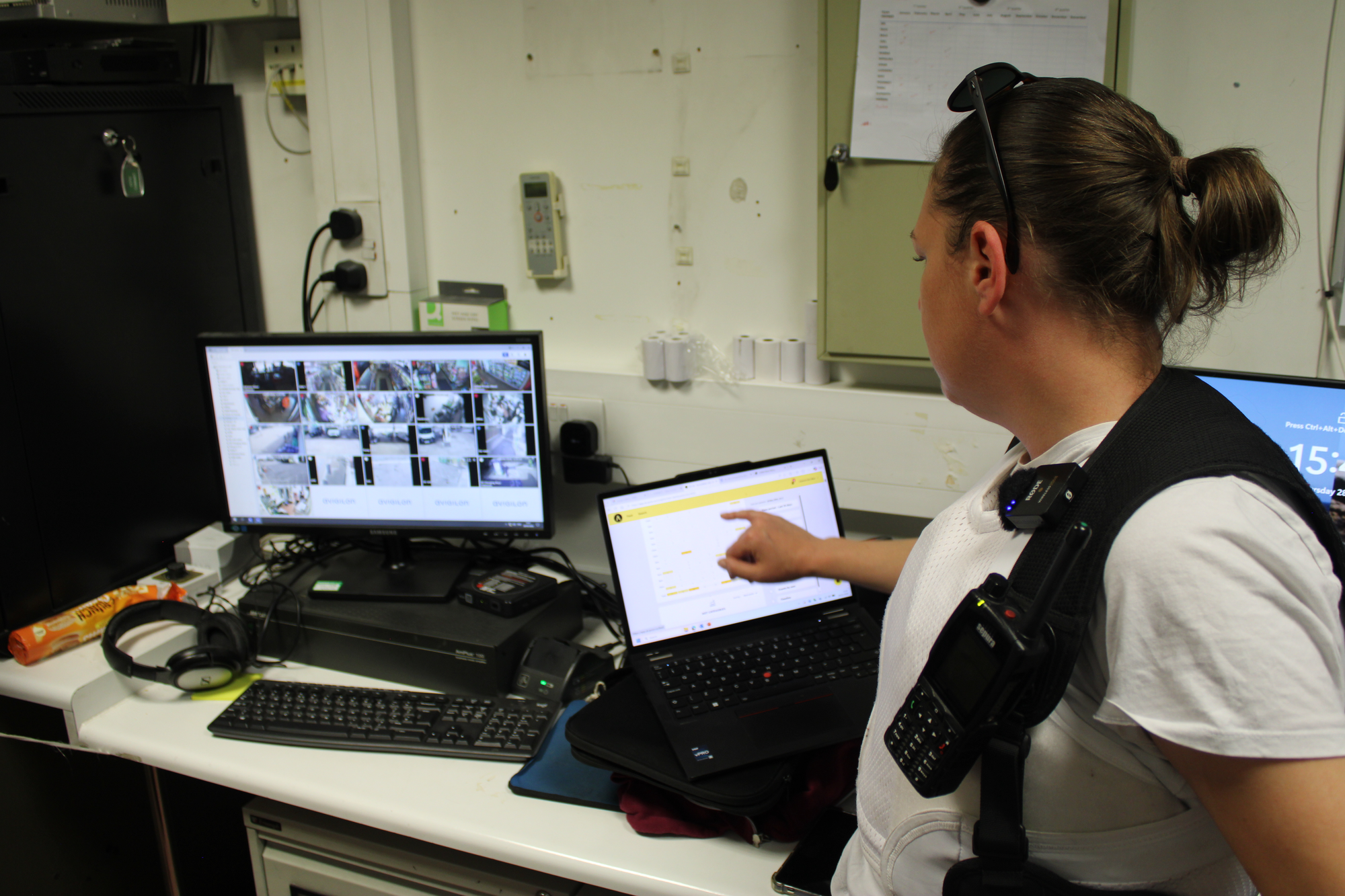
Named after the wizarding police in Harry Potter, Auror is a new private facial recognition software used by retailers in conjunction with law enforcement. The Met expanded its use across London in April of this year, after successful trials — despite the consternation of human rights organisations such as Liberty over the "lack of laws and safeguards" around the tech.
It’s simple but deadly: the programme scans CCTV footage to get images of those the site, or store, have identified as having shoplifted. Then it checks to see if the suspected offenders match any existing entries in the database, which jarringly resembles a social media platform with updates, a live feed and profiles — except the latter are whittled down to physical descriptors like “old beggar man” or “long curly hair”. The whole process is automated; participating shops don’t even have to file police reports. But today, Van Wyke is out of luck — her quarry doesn’t appear. We move on to the next call out.

Hi, I'm Andrew, the author of today's story digging deep into the Met's efforts to crack down on petty crime. And I'm the one who has been tasked with breaking the news that today's piece is behind a paywall.
Frankly, pieces like this – 0ld school, in-person reported journalism – take a lot of time. We're only able to do stories like this, and avoid the clickbait rubbish that fills the rest of the press, because of our paid supporters. But to make sure we're able to keep doing that we need more of you to get behind us to try and bring back proper journalism to the capital.
Join us for just £7.45 a month (if you pay annually), and get all our news, features, briefings and investigations for half price. Plus, you'll be supporting the sort of reporting that actually gets out from behind a screen and into the streets, taking you into the nooks and crannies of your city.
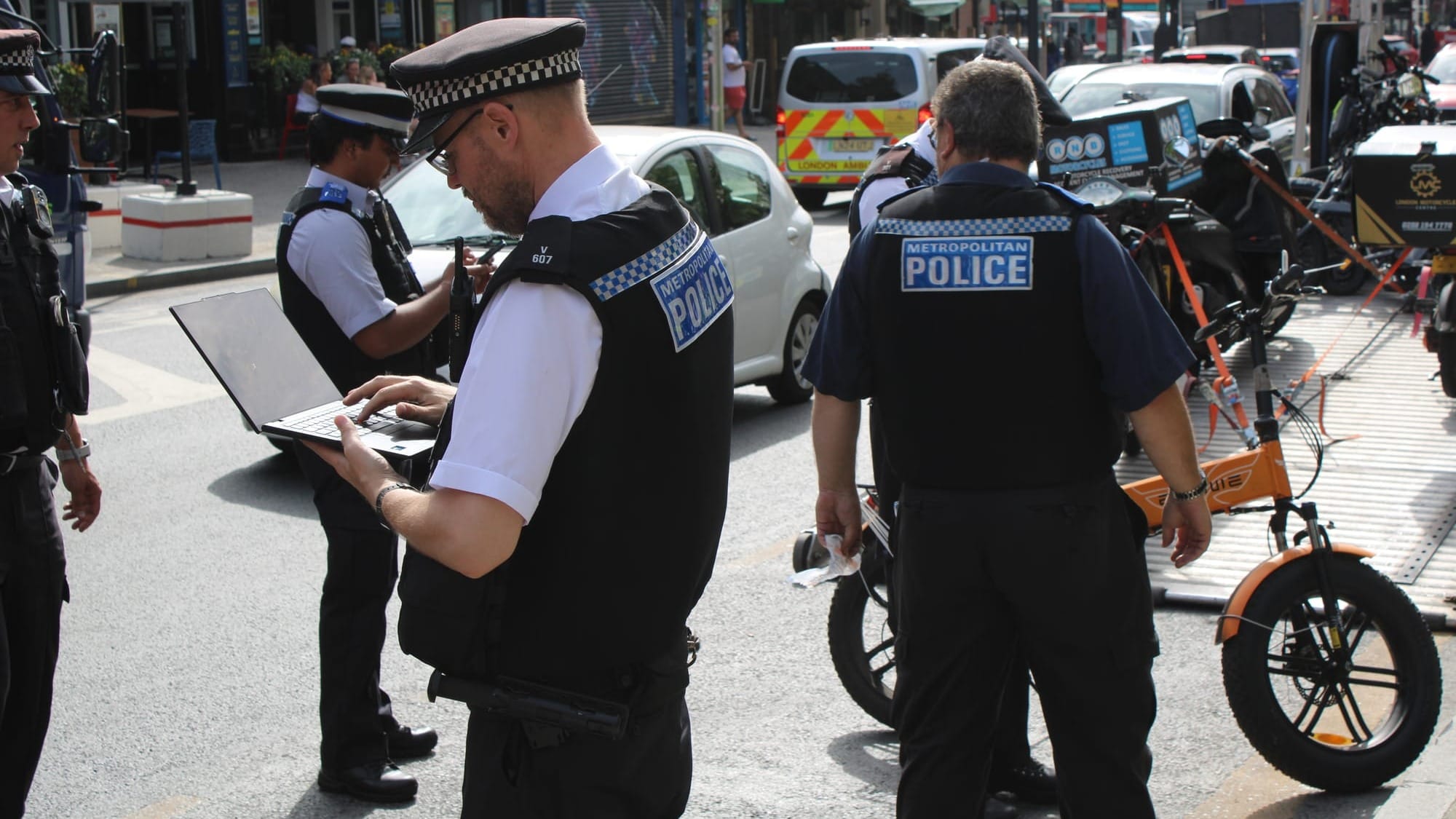
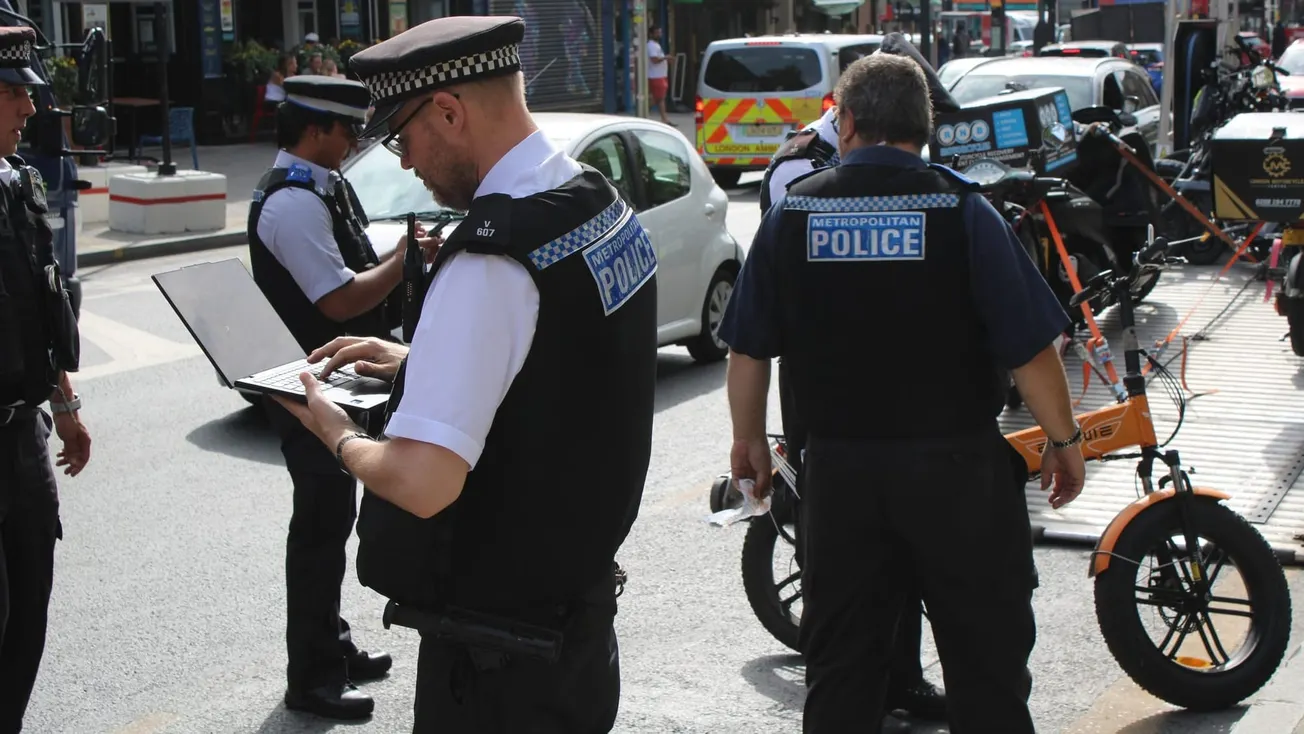
Van Wyke’s petrol station stakeout with Auror is a part of Operation Terminus, one of the Met’s new initiatives to get to grips with skyrocketing rates of petty crimes like phone snatching, shoplifting and car theft. Targeting London's northwest reaches, its first major bust in Kilburn in April saw 45 people arrested, including local shopkeepers who had handled stolen phones. The next stage is focusing on Wembley. I’m here today in an attempt to answer the question looming over the entire enterprise: is this the real solution to petty crime?
London deserves great journalism. You can help make it happen.
You're halfway there, the rest of the story is behind this paywall. Join the Londoner for full access to local news that matters, just £8.95/month.
SubscribeAlready have an account? Sign In