When six uniformed police officers arrived at Katherine Theodotou’s door on 27 March, they gave it a firm knock. They waited. Then they smashed it down.
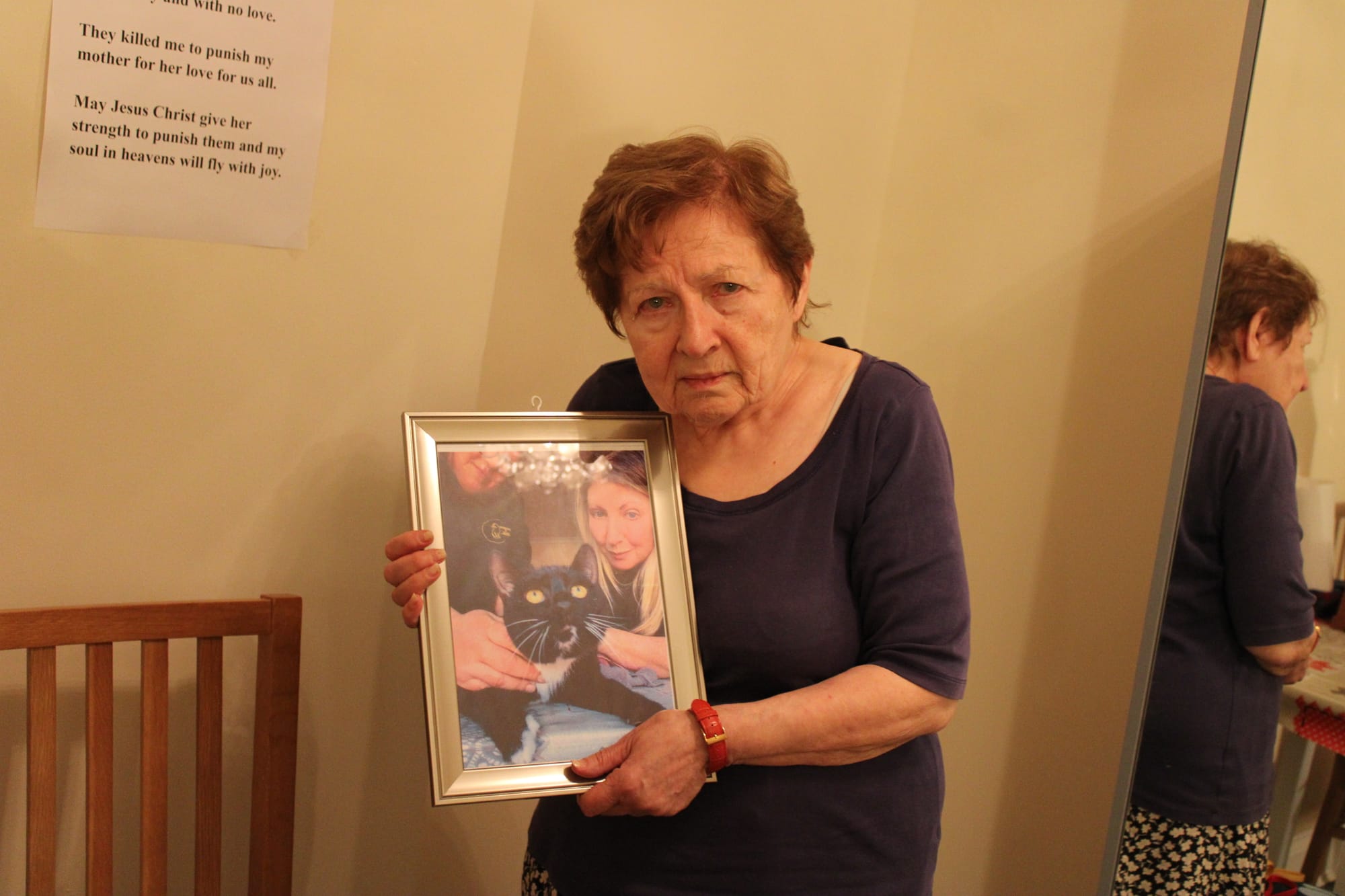
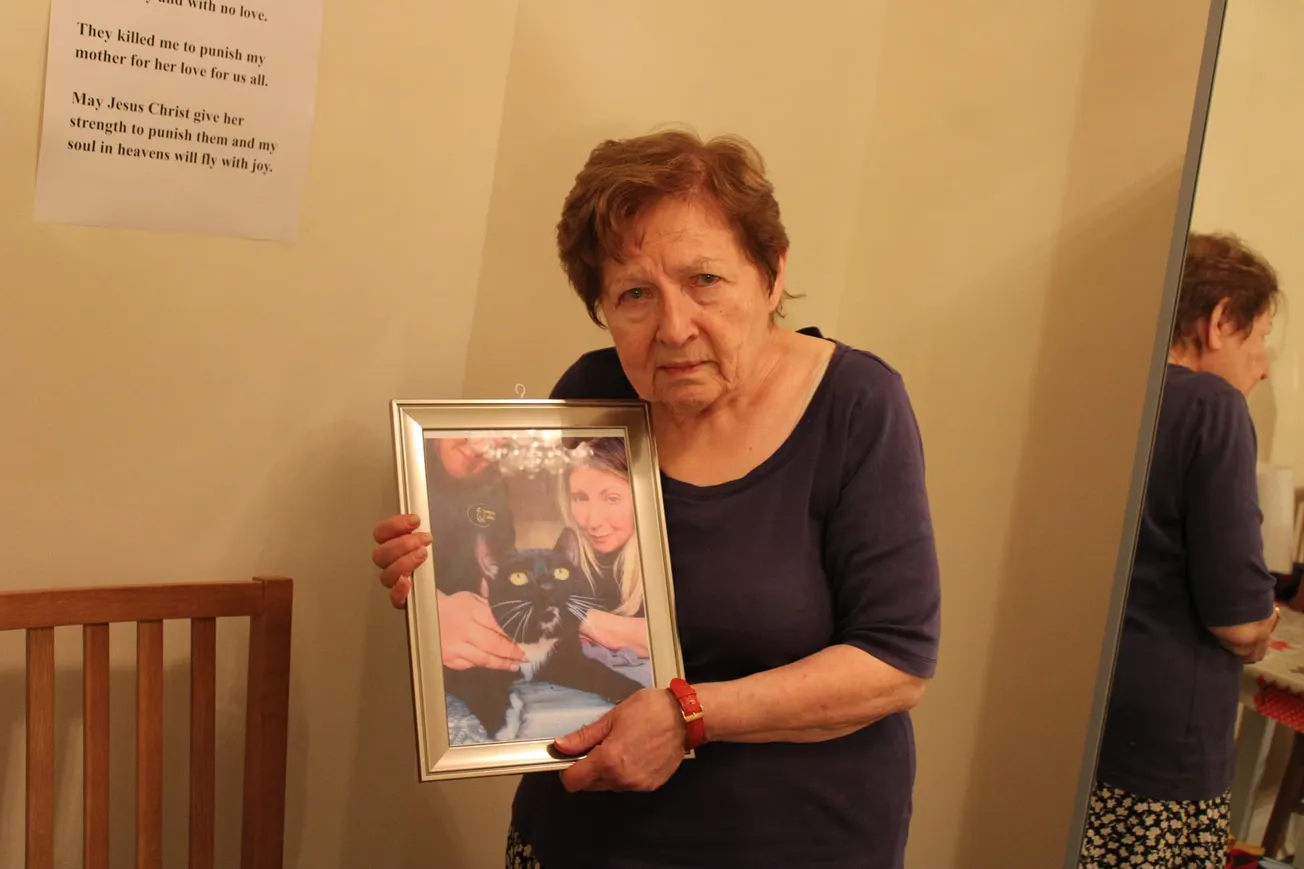
Inside was Theodotou, 79, stooped and recovering from breast cancer surgery and coiled like a cobra to resist them. The Metropolitan police and two accompanying RSPCA officers strode into her house and seized her disabled 18-month-old cat Rita, who was black with a white bib and little white paws and about whom the RSPCA had grown concerned. A distraught Theodotou tumbled to the ground in the struggle. Her legs dangled out the door frame, all she could do was watch from the floor as Rita was taken away.
“The way she looked at me…” Theodotou tells me, her eyes burning with tears, when I visit her. “It was like [she was] seeing her mother.”
The reason provided for seizing a cat in such a bafflingly brutal fashion was to protect it. The RSPCA had received a welfare complaint. So when Theodotou appealed to the High Court for custody, the RSPCA smoothly emphasised her good health. “She has flourished once again,” wrote the animal rescue officer, describing Rita as “bright, happy and interactive”. She was, it seemed, well on the road to recovery.
The following week, Theodotou received some terrible news. Rita was dead.
A media storm ensued. Nationals ran stories with headlines like “Axe-wielding police ‘chopped through’ lawyer’s front door” and “‘My cat died after RSPCA seized her in police raid’”, as Theodotou announced she would be suing both the RSPCA and the Metropolitan Commissioner for damages — not just to have her beloved cat’s body returned to her, but to set up her own rival animal rights group: the Anglo European Association of Animal Rights.
For all the coverage, however, it remained unclear as to why exactly Rita was taken. What could compel some of the UK’s most trusted institutions to deploy such force? Most troublingly of all, nobody could say how she died.
As I began ringing up veterinary practices, speaking with animal carers and the institutions involved, a different story started to emerge. Many were incensed that this was the first time they’d had the opportunity to speak to a journalist about what happened.
“The truth needs to come out,” said Elizabeth, a veterinary nurse of the care organisation Whiskers n Beans, who spent months caring for Rita at Theodotou’s home. After weeks of reporting and piles of legal documents, something approaching the full story began to unravel.
We could begin in Baghdad.
London deserves great journalism. You can help make it happen.
You're halfway there, the rest of the story is behind this paywall. Join the Londoner for full access to local news that matters, just £8.95/month.
SubscribeAlready have an account? Sign In