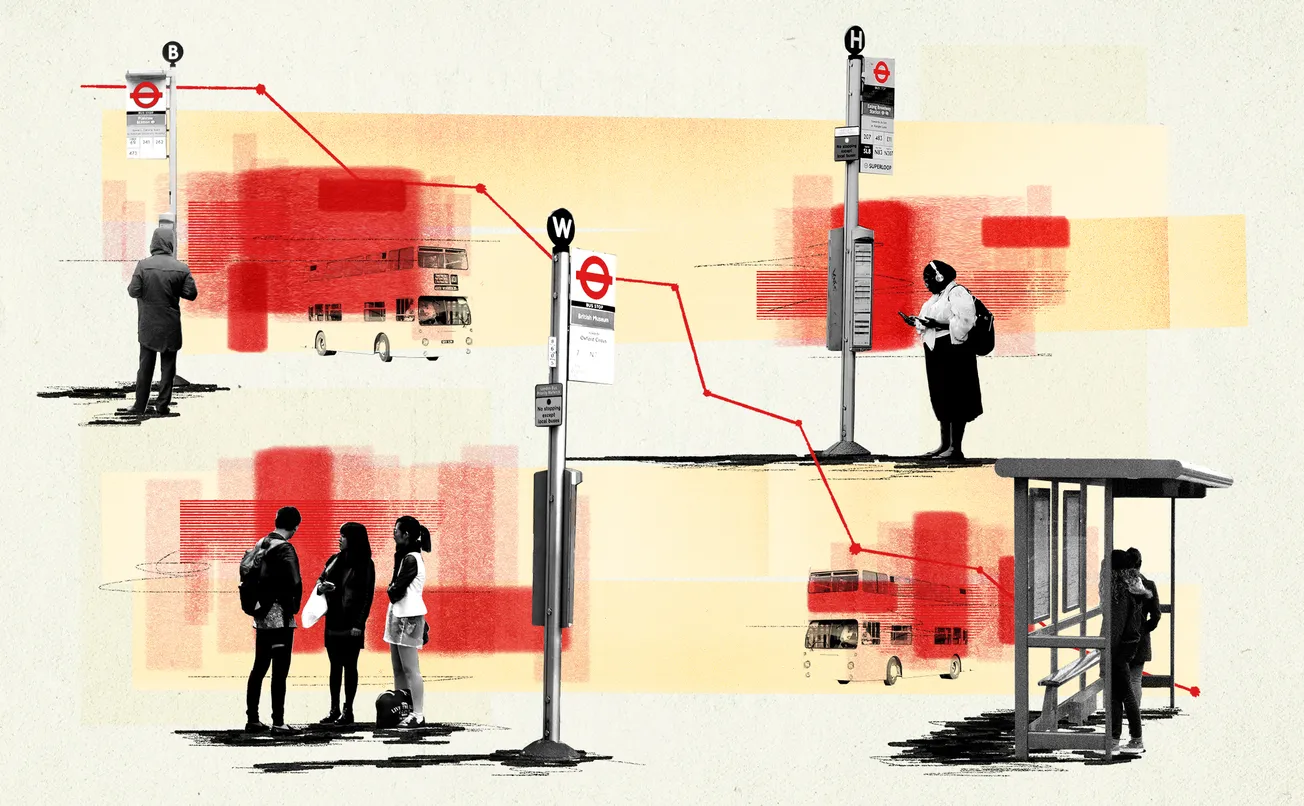
There are few things in this city as iconic, and unavoidable, as our buses. They’re on film screens and in song lyrics, adorn tacky keychains and cheap tourist T-shirts. They’re an immediate signifier of London, something as woven into the cultural DNA of the capital as red phone boxes, the tube map or the Houses of Parliament.
And for nearly half a century, the capital’s buses acted as an exemplar, a red, double-decker-shaped template for what the rest of the UK’s transport network could be. While every other corner of the country had seen ridership on their privatised bus routes go down, in London it had risen.
To read all of today's piece, you’ll need to be a full-fledged paying member. Let us explain why: through our investment in our growing team, we believe we can bring back high-quality, independent local journalism — but it’s a huge (and expensive) undertaking, and we need your help.
So we’ve sweetened the deal: take out a year’s membership of The Londoner, and we’ll give you two months completely free — and you’ll be supporting a small team working tirelessly to cover the most important stories in the capital. What's more, you'll get access to our entire back catalogue of members-only journalism, receive eight extra editions per month, and be able to come along to our fantastic members' events.
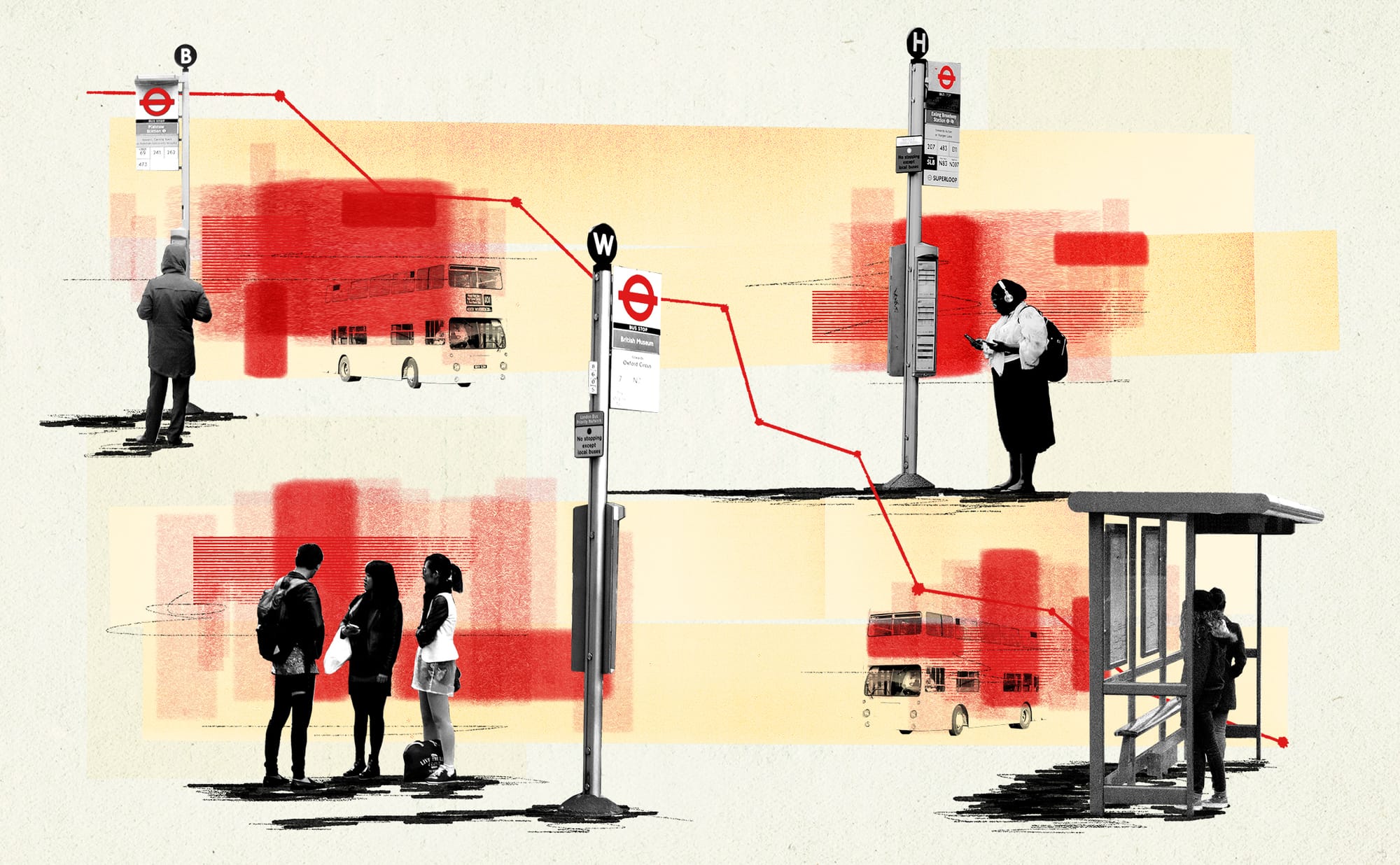
But for the last decade, a slow and quiet rot has been setting in. Bus ridership has quietly dropped by 23%, leaving TfL and City Hall scrambling to develop a new action plan to try and slow the decline. But how did this happen? Has can we escape the doom loop? And why is Putney High Street to blame?
London deserves great journalism. You can help make it happen.
You're halfway there, the rest of the story is behind this paywall. Join the Londoner for full access to local news that matters, just £8.95/month.
SubscribeAlready have an account? Sign In