Dear Londoners — Even if you live at the opposite end of the city, you'll probably know something about the woes surrounding Hammersmith Bridge, which connects the Thames between Hammersmith and Barnes. Built in 1887, the suspension bridge was closed in 2019 after serious cracks were found in its pedestals. After some refurbishment, it's now open to pedestrians and cyclists, but remains too unsafe for motor traffic. But now some campaigners are demanding that be rectified and cars be allowed once more — while other locals argue for it to be preserved as a green artery. It's the story of the city's clashing pro- vs. anti-motorist groups in microcosm. But one curious question remains: why did the bridge fail so dramatically? Let's dig in.
What's more, we check-up on the ticket sales of Savid Javid's Euston speaking event, map the most unequal boroughs in London and recommend the cosiest pub in the city.
We're really keen to hear what you really think about The Londoner. We've set up a short survey where you can tell us what you like, what you don't like, and a bit more about you as well. It only takes 5 minutes and it really helps us to improve what we're doing — many thanks.
Welcome to The Londoner, a brand-new magazine all about the capital. Sign up to our mailing list to get two completely free editions of The Londoner every week: a Monday briefing like this one, full of everything you need to know about that’s going on in the city; and a high-quality, in-depth weekend long-read.
No ads, no gimmicks: just click the button below and get our unique brand of local journalism straight to your inbox.
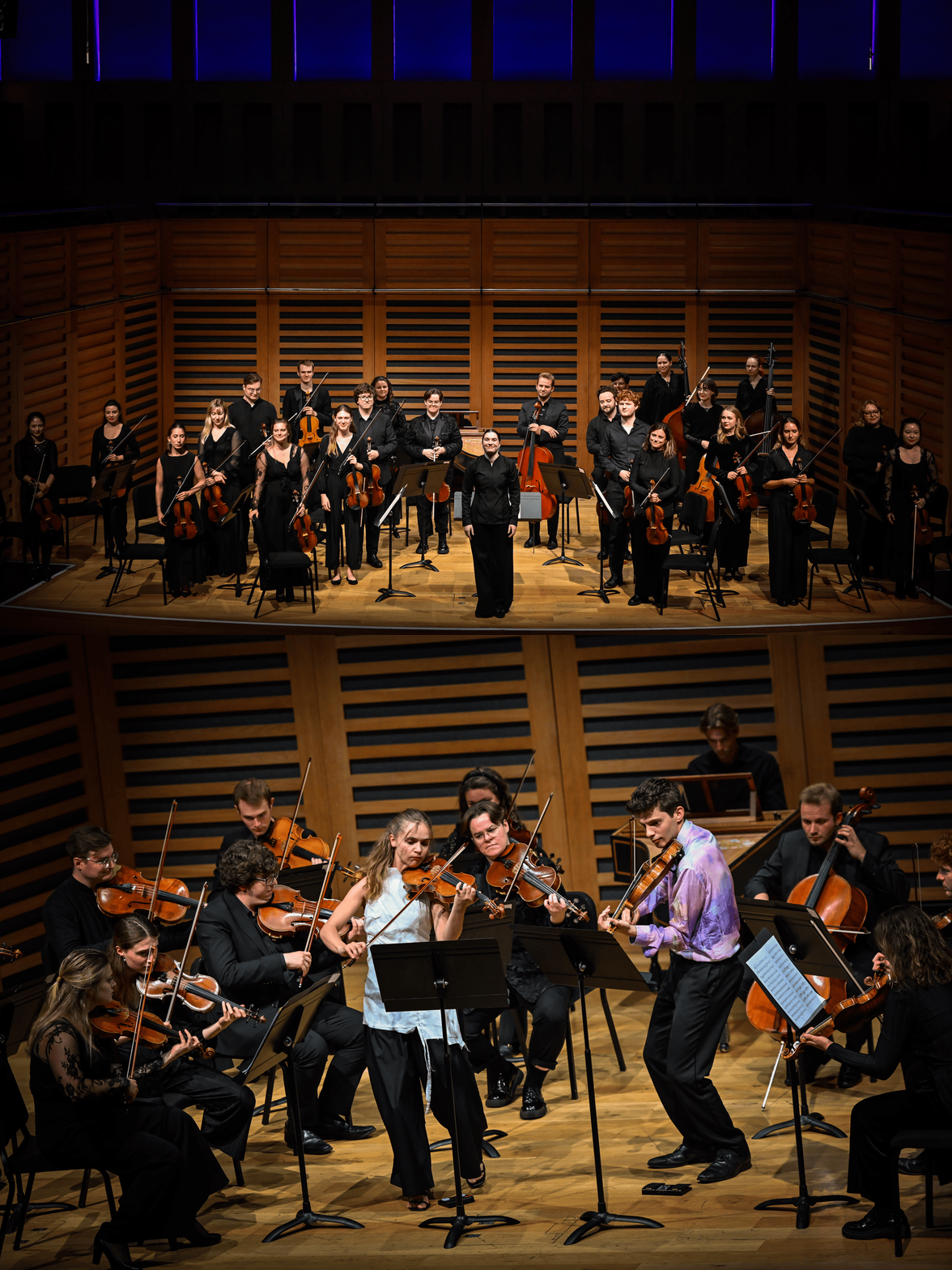
Turn Up the Colour in February with Chromatica Orchestra
Brighten the greyest days of winter with Chromatica Orchestra, London’s newest orchestra, dedicated to championing outstanding early-career players, soloists and conductors. This February, they bring a kaleidoscope of vivid sound to Battersea Arts Centre with two unmissable concerts. 'Songs and Dances' is an electrifying evening of raw, spirited and beautiful Eastern European folk melodies, that also features Ravel's irresistibly hummable Boléro. Then, during February half term, families can enjoy Prokofiev’s Peter and the Wolf, a playful, dramatic afternoon that introduces young ears to the magic of live orchestral sound.
Exclusive offer for readers of The Londoner — try out a Chromatica Orchestra concert for just £10
🌉 A tale of two bridges
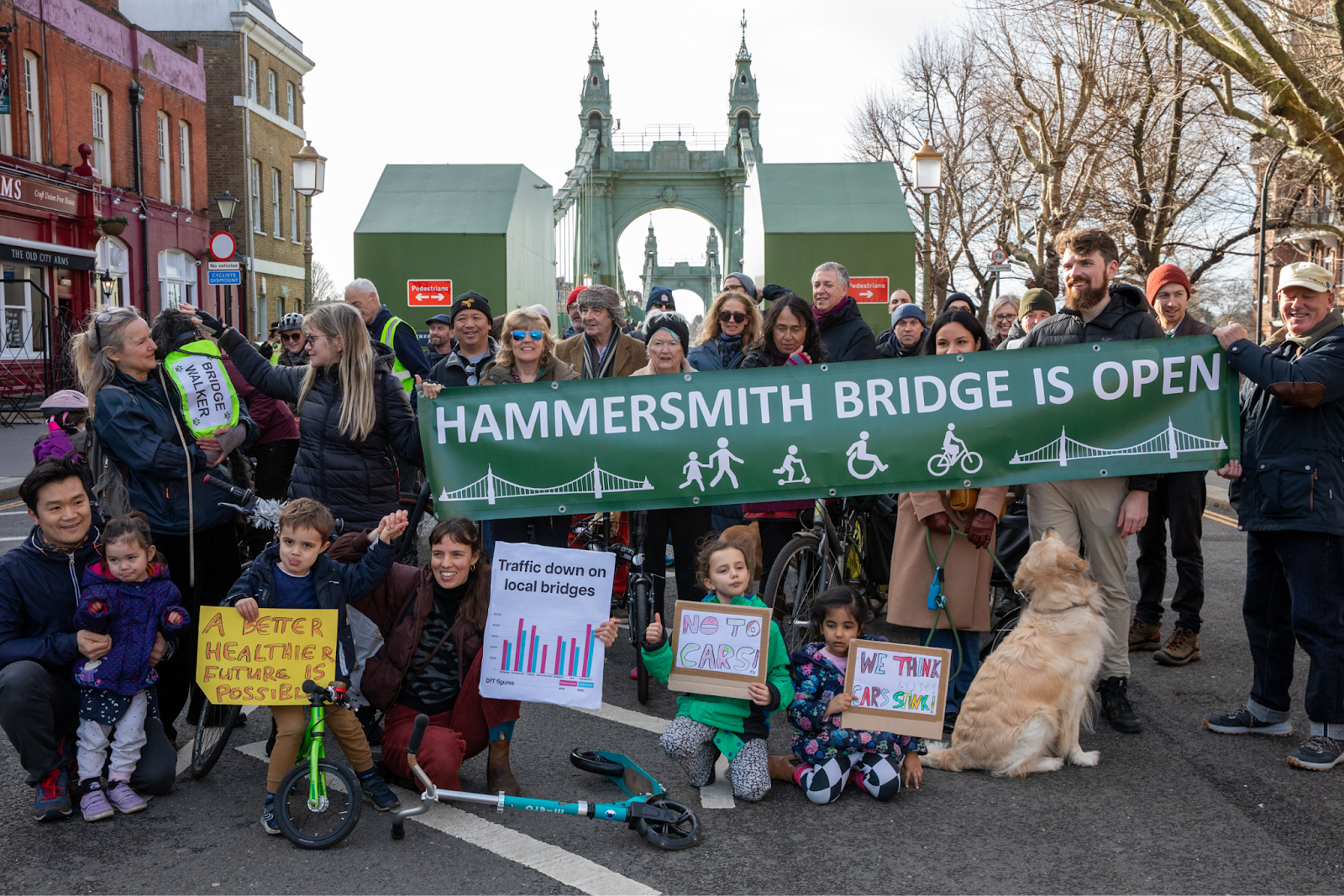
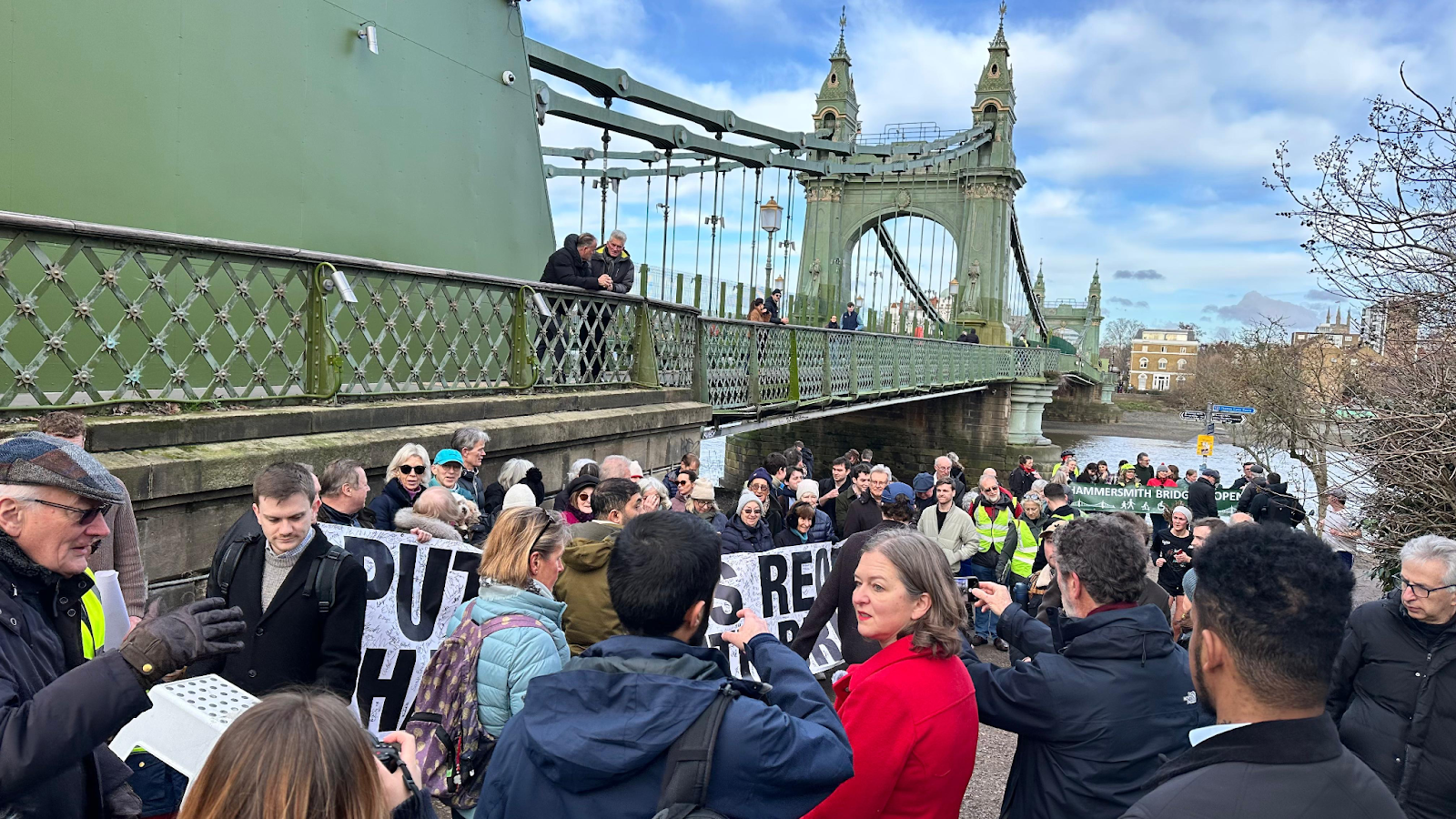
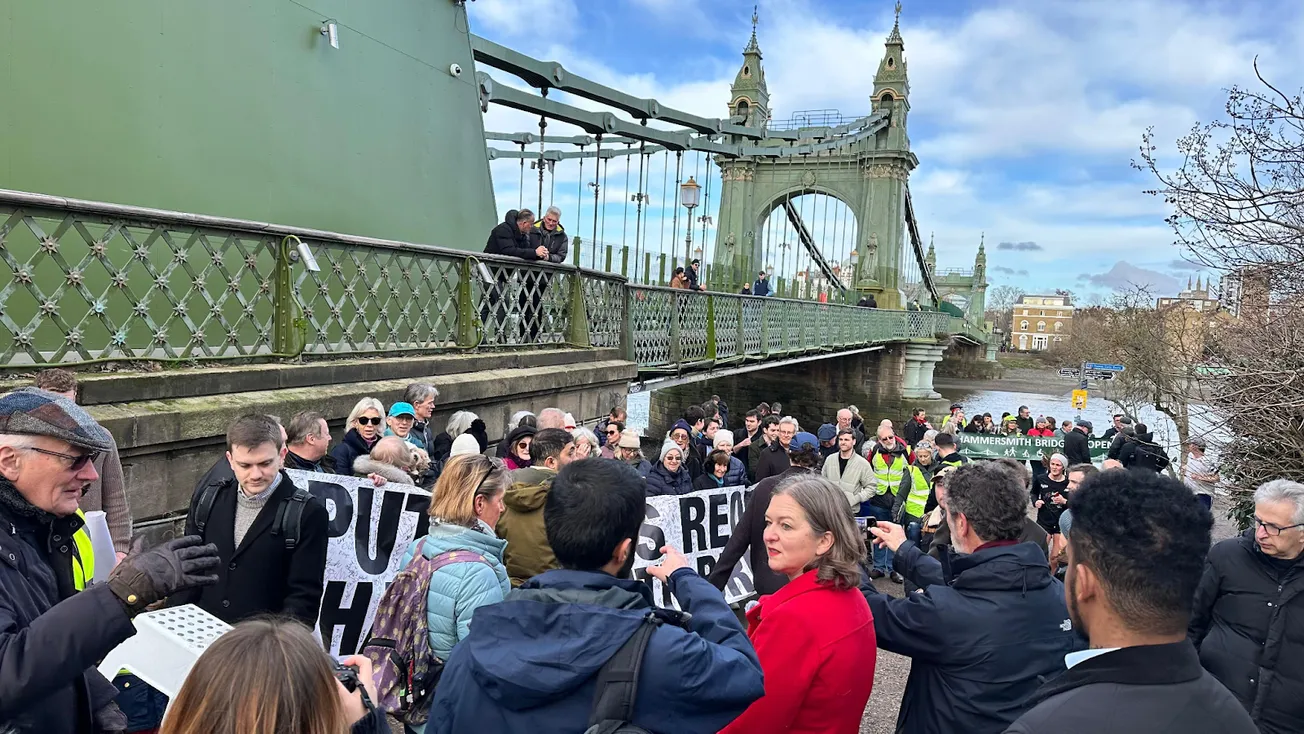
A very polite civil war took shape on the streets of Barnes yesterday, as two different sets of protesters descended on Hammersmith Bridge with different visions for the crossing's future.
For those new to the ongoing saga, the 138-year-old bridge was shut back in 2019 after engineers noticed serious cracks had formed in its pedestals. Ever since, the estimates for the cost of fixing the structure have grown and grown, and solutions have become increasingly fraught. Just last week, a group of Tory opposition councillors at Hammersmith and Fulham suggested creating a “military-style” temporary crossing next to the current bridge to try and speed up repairs.
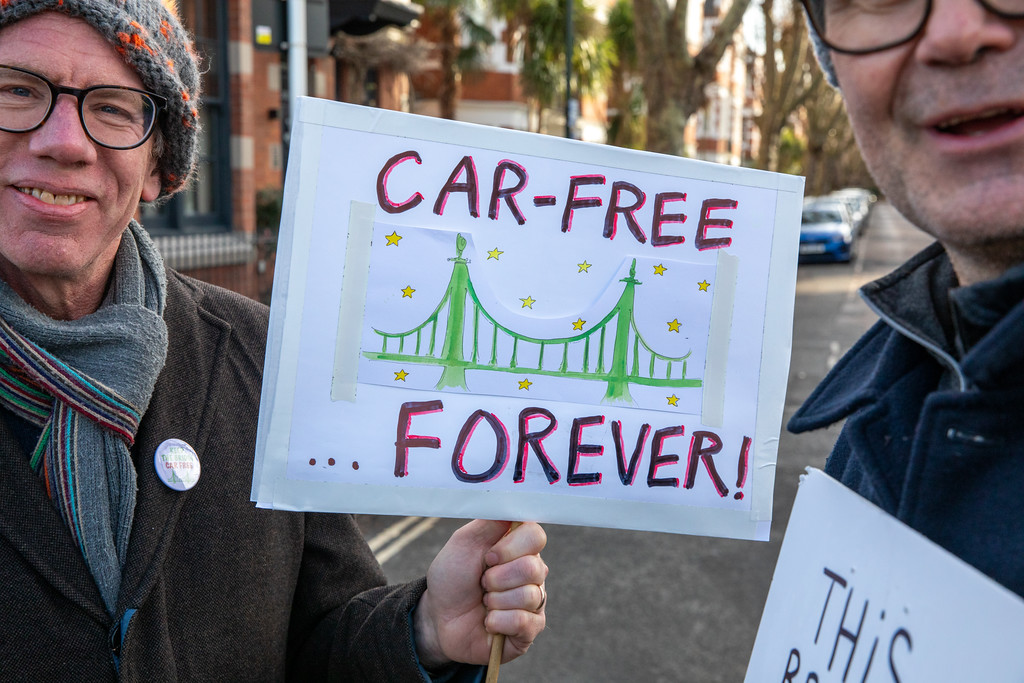
That brings us to this Saturday, when a protest led by Putney MP Fleur Anderson gathered at the south side of the bridge, calling for it to be repaired and reopened to motor traffic as soon as possible. But a counter-protest also made the trek out to the bridge. They had a very different vision: keep the bridge closed to cars, and leave it to the pedestrians and cyclists (with potential exceptions for the likes of emergency services). While the stand-off didn’t lead to open conflict, the stance on the issue has created real divides in the community.
The side pushing for the bridge to reopen to vehicles claims that its closure has cut off communities on either side of the river, caused havoc on local roads by increasing congestion and cut bus links between north and south of the river in two.
But the anti-car campaign points to the fact that it’ll cost upwards of £250m to actually do the repairs needed to make the bridge safe for regular motor vehicle use. As local and citywide services are struggling to keep themselves going, and local councils are fighting bankruptcy, spending that much to fix a bridge could quite rightly be seen as pretty low on the priority list. They also point out that keeping the bridge closed to cars encourages more walking and cycling.
In theory there’s a government “task force” that will determine its future, but given there’s no date set for when they’ll make that decision, it’ll likely be years before any firm commitments could come.
The saga has reignited a question that has been bugging The Londoner for a while: how can structural issues so bad it costs hundreds of millions to fix go unnoticed for so long? If any of our readers know more about the saga, get in touch!
🚨 Laila Cunningham to stand down as councillor

As we pointed out in last week’s profile of Laila Cunningham, sometimes it feels as though the Reform mayoral hopeful is unable to go a week without another development in her speed-run towards becoming one of the most prominent politicians in London. Within days of our piece, another piece of news broke (answering a question that she’d declined to give us an answer to): Cunningham announced she wouldn’t be standing for re-election in her seat in May. The official line from Reform HQ was that she needed to fully focus on her campaign to unseat Sadiq Khan as mayor, an election that isn’t due until 2028. Perhaps the glowing profiles in national newspapers might get a different tone if the councillor had been voted out by locals.
🎟️ Looking for some discounted tickets?...

You may have a vague memory of a politician called Sajid Javid — perhaps from such hits as being home secretary, health secretary and chancellor, the latter for barely more than six months before being replaced by Rishi Sunak. Javid is currently doing a speaking tour about his life as an “unlikely politician”, talking about his life as a state school educated son of a bus driver. But it seems the tickets aren’t exactly the capital’s hottest prospect. Emails from a seat filling service have reportedly been doing the rounds, offering discounts of up to 70% to those who choose to attend his Euston gig. Maybe a surprise defection to Reform, like so many of his colleagues from the last Tory government, could help with the sales?
Full credit to the Camden New Journal for spotting this one.
📈 Mapping London’s inequality
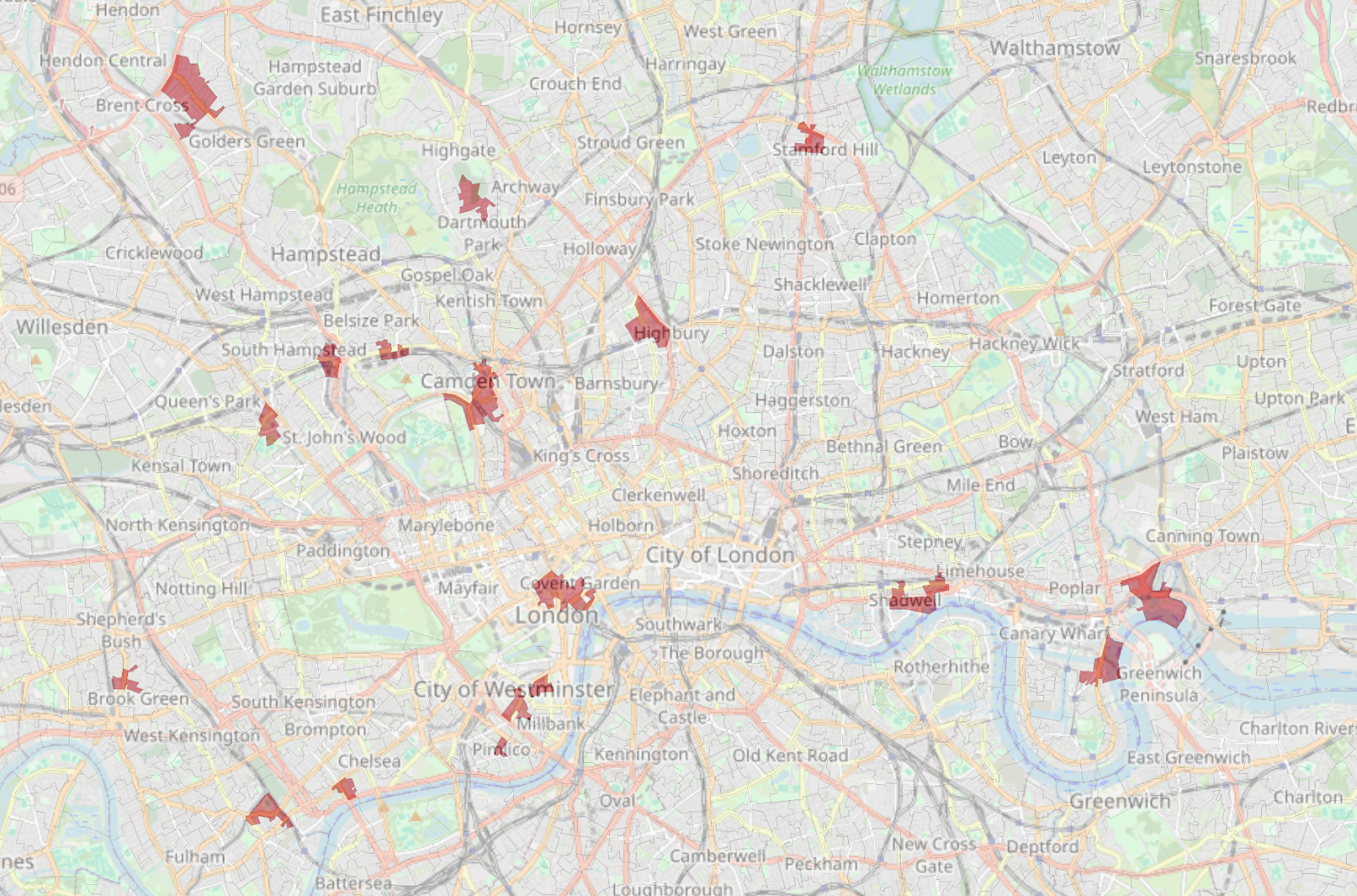
We know our readers love a good map, so we were excited to find this data by KnowWhere Consulting of inequality in London. Alongside covering areas with the city’s highest poverty and wealth levels, it also mapped the areas where the wealthiest and poorest of the city live side by side. While some of the glitzy locations — Chelsea, Westminster, Covent Garden — were expected, we were surprised to see just how many of the entries were in Camden, including basically the entirety of the area around Camden Market. If you want to have a play around with the maps yourself, it’s available here.
Quick hits
- Tate Modern has announced that Lebanese sound artist Tarek Atoui will be the next artist to create the 2026 annual Turbine Hall installation (officially known as the Hyundai Commission). He succeeds Sámi-Norwegian artist Máret Ánne Sara.
- Reform accidentally tried to recruit journalists from the Camden New Journal to be party candidates.
- London house building by the private sector has fallen by 84% in the last decade, threatening the capital’s target of building 88,000 new homes each year.
- But the government is hoping mega-projects, like the new town in Thamesmead where 15,000 homes are set to be built, could kick-start progress. More info on that project here.
- Having broken his hip in a restaurant (which remains curiously unnamed), Piers Morgan is recuperating in hospital. He’s not eating any of the usual beige fare though — the CODE Hospitality bulletin reports that he’s been ordering meals from gastro-pub hot spot the Devonshire, Lime-biked over personally by landlord Oisín Rogers (apparently, he got the lamb chops).
Know more about the above stories? Or have any tips about anything else? Let us know using the anonymous form below or email our editor.
In case you missed it…
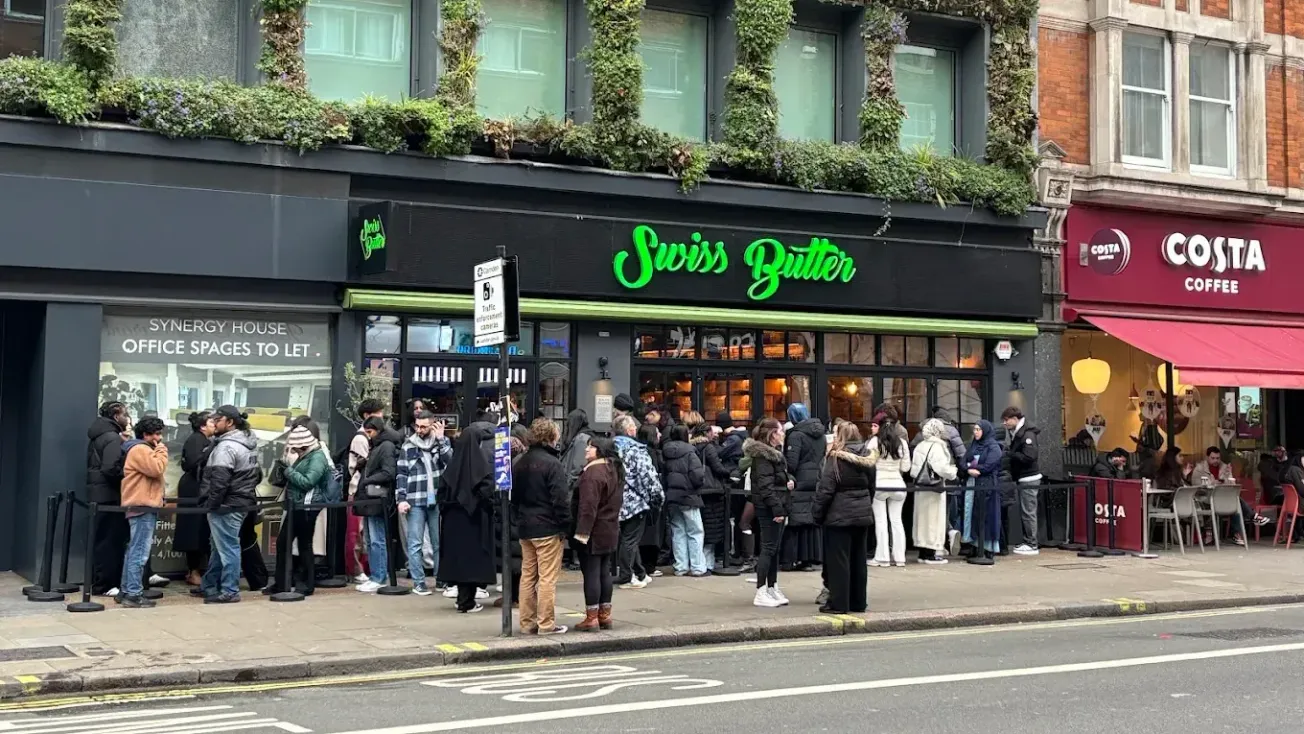
- On Saturday, we explored how London’s obsession with viral restaurants has turned huge queues into a PR-driven must-have for all the capital’s new food and drink openings.
- If you’ve got on a train from Finsbury Park any time in the past few years, you might’ve seen a large sign hung by a nearby resident whose house borders the tracks. The messages change, but the usually provocative message remains. We found out who’s behind this guerrilla campaign.
- Hidden knives, amateur poetry and failed start-ups. We investigated the strange past of Laila Cunningham, the rising star of Reform who Nigel Farage thinks will win London for her party.
Wining and dining
With endless offerings and non-stop openings, we all know that deciding where to eat and drink in the capital can be fraught. We want to make it easy — so every week we’ll give you our insider guide to the city’s best spots.
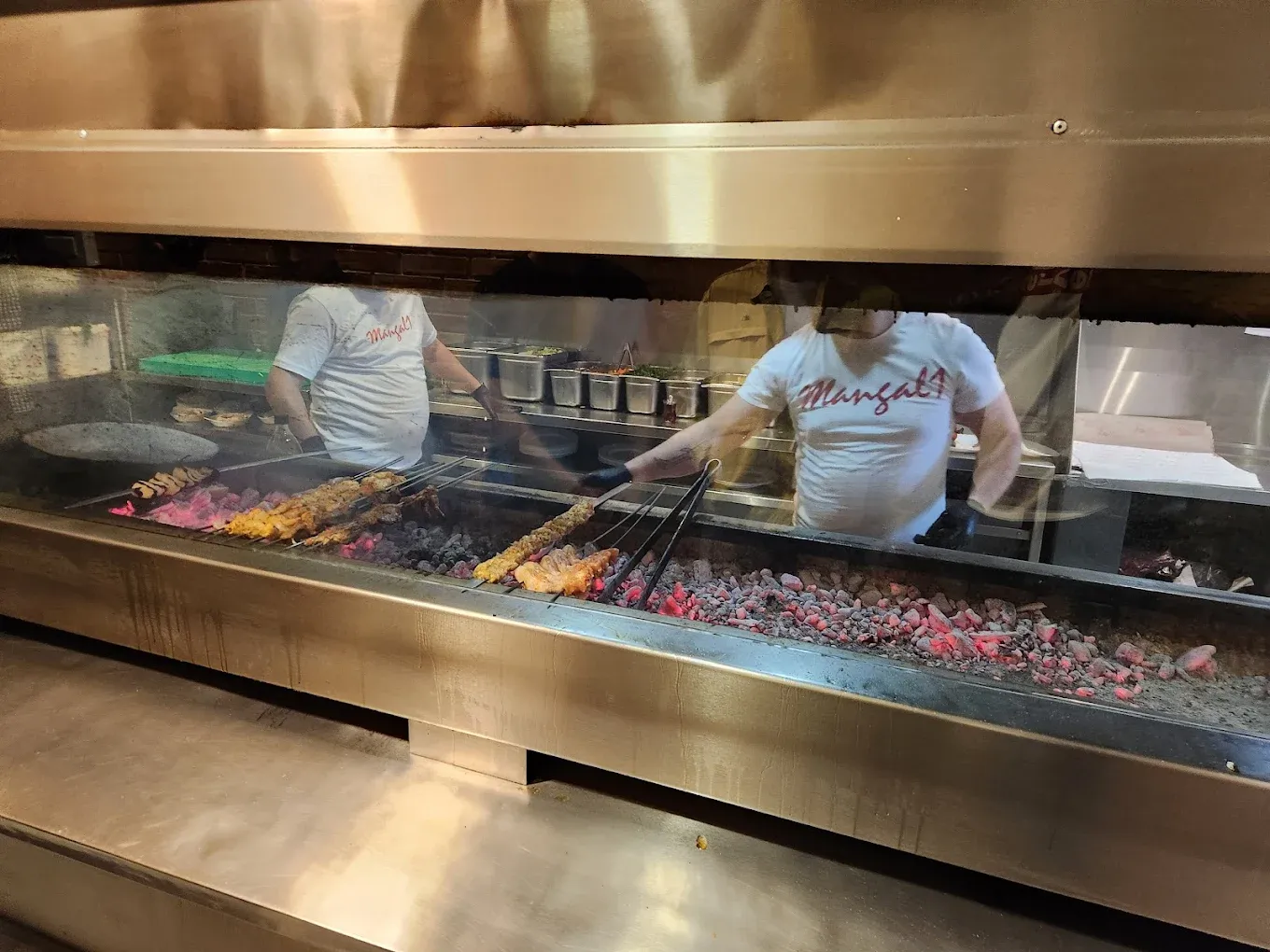
One perfect meal: There are many different Mangals across London (the word simply means “grill” in Turkish). But perhaps the most famous are Mangal 1 and Mangal 2, two Turkish restaurants in Stoke Newington founded by Ali Dirik (Mangal 1) and his two sons (Mangal 2). The restaurants have come to signify contemporary London-Anatolian cuisine: the former is a more traditional, unfussy BYO grill house; while the latter is more of a fine dining affair. Both are excellent.
But it was Mangal 1 I happened to find myself in recently. It’s the kind of restaurant that’s best to visit with a group of friends, and ideally those with eyes bigger than their stomachs. A standout is the şiş kebab, its smoky cubes of lamb crisped to perfection; otherwise I recommend the tavuk beyti: grilled minced chicken blended with garlic parsley and wrapped in lavash.
Some Turkish restaurants can overlook the salads and vegetarian dishes, but not here. Order what you fear may be too many hot and cold starters (the stuffed vine leaves are a must) and the patitlan salata — a smoky bowl of roasted aubergine, tomato and grilled peppers with yoghurt running through.
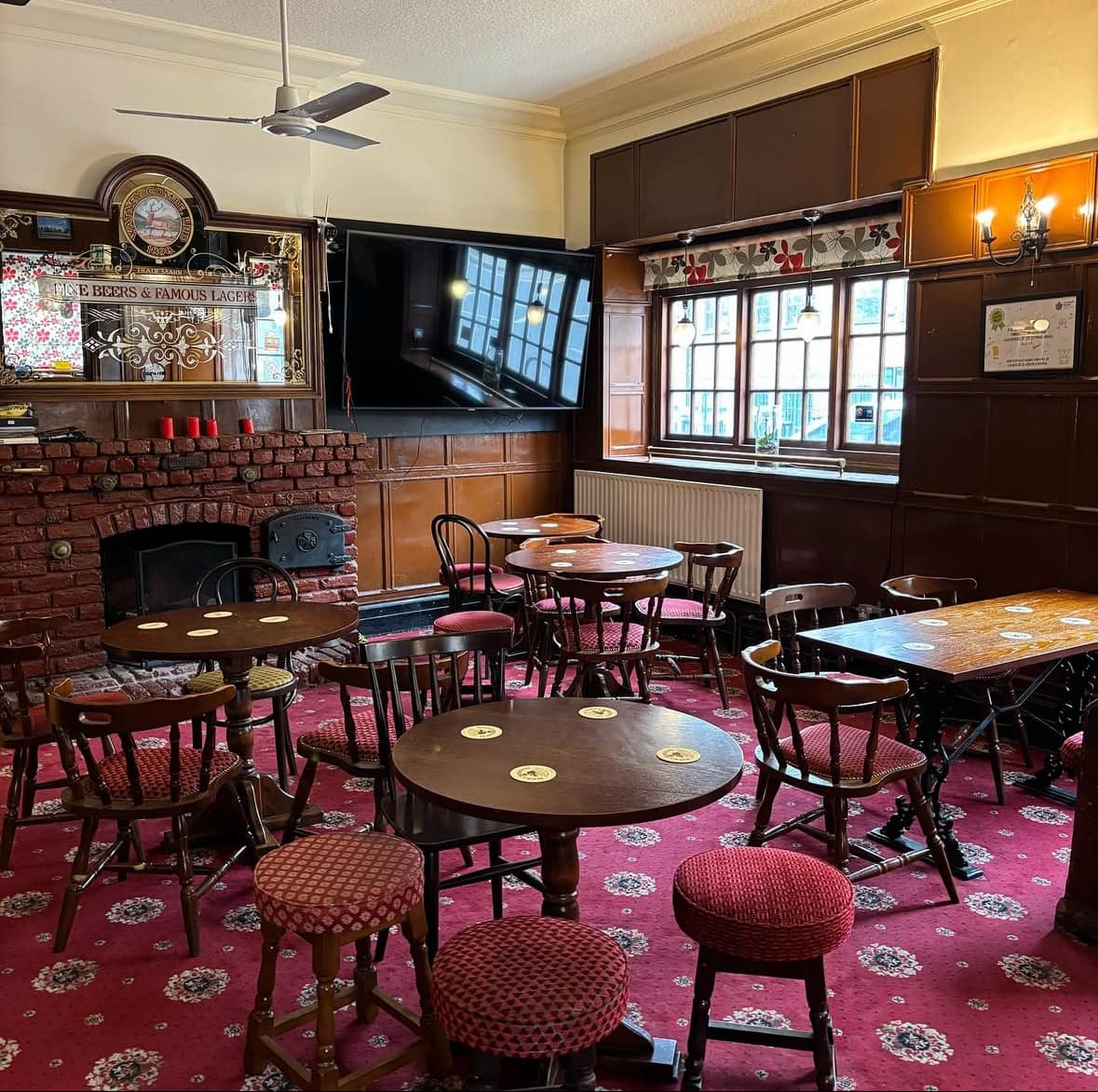
One perfect drink: On a particularly icy day recently, there was a debate in the Londoner offices about where the warmest pub in the capital is. I’m sure there’s a million different answers (feel free to comment them below), but in my mind the Eleanor Arms just south of Victoria Park will take some beating.
Partly, it’s that the snug corner pub has a roaring open fire that seems to produce more heat than a nuclear reactor. But it’s warm in another sense, too: welcoming, friendly and simply one of those pubs that does all the fundamentals of what a pub should do really well. There are pool tables, darts, slightly stained carpets and, most importantly of all, really good beer (CAMRA-award-winning good, despite somehow only clocking in at a round a fiver). And to top it off, unlike most other historic, wood-panelled “old man” pubs that are so in vogue at the moment, it isn’t rammed full every evening. For now, at least.
Fancy more news from The Londoner in your inbox? Four days a week, we send you a carefully chosen story, plus our best scoops, investigations and recommendations. We prioritise quality over quantity and everything we send is in your inbox — just click the button below to join our free mailing list below. That's it: no ads, no spam, no nonsense.
Our favourite reads
- A Teen’s Fatal Plunge Into the London Underworld — Patrick Radden Keefe, New Yorker
Patrick Radden Keefe’s book on the mysterious death of Zac Brettler, a British teenager who got swept up in London’s underworld, is due to be published in April. So it’s a fine time to read the original New Yorker piece which prompted Keefe to immediately stop writing for the magazine and start work on this book. Brettler began posing as the son of an oligarch and hanging out with wealthy older businessmen, whilst hiding his secret life from his family in Maida Vale. On the evening of 28 November 2019, he fell to his death from a block of luxury flats in Vauxhall. - My mission to save the Thames whale — 20 years on — John Sturgis, The Times
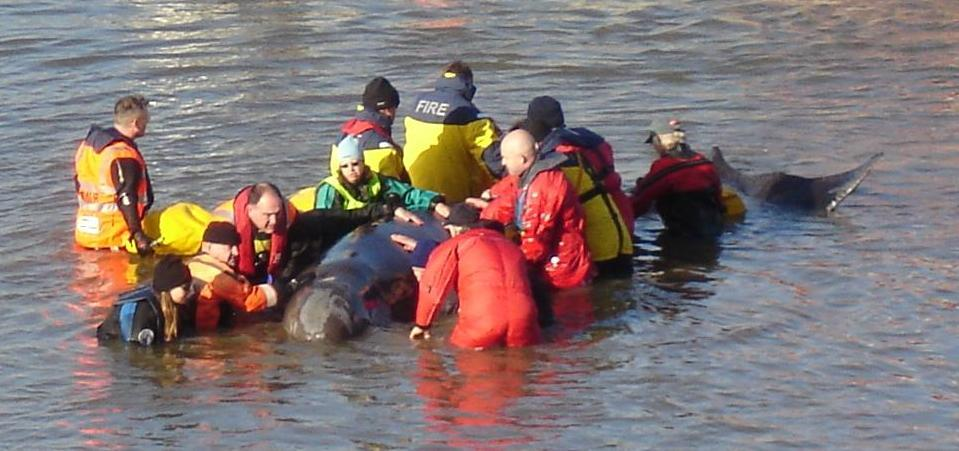
In 2006, a lost Northern Bottlenose whale found its way into the Thames. It travelled all the way along to Battersea before perishing mid-rescue. The city’s media descended upon the story (in a not especially edifying fashion), with one of those young reporters being John Sturgis. 20 years on, Sturgis recalls his own efforts to save the whale from being cremated.
- How Google Maps quietly allocates survival across London’s restaurants - and how I built a dashboard to see through it — Lauren Leek, Substack
In this fascinating piece, data journalist Lauren Leek dug into how Google Maps’ algorithm affects whether a restaurant in the capital sinks or swims. “Google Maps is not just indexing demand - it is actively organising it through a ranking system built on a small number of core signals that Google itself has publicly acknowledged: relevance, distance, and prominence,” she writes. The solution? She took on the big boys and built her own dashboard to find underrated gems.
To Do List
- Check out the London Short Film Festival. Taking place in cinemas, community venues and creative spaces across the capital, the very best in short form filmmaking will be showcased from 23 January – 1 February. Our picks: British Lives, which explores “what it means to be British today”, ranging from a remote Scottish town to the tip of the Cornish coast; So Long To The Valleys, So Long To The Seas, which looks at folk heritage and mysticism in countries as diverse as Norway and the Ivory Coast.
- Or for something very different, consider the Love Letters exhibition at the National Archives. It’s a collection of letters, poems and drawings spanning over 500 years, encompassing everything from covert correspondence to desperate proposals. It opened on Saturday, and will run until 12 April.
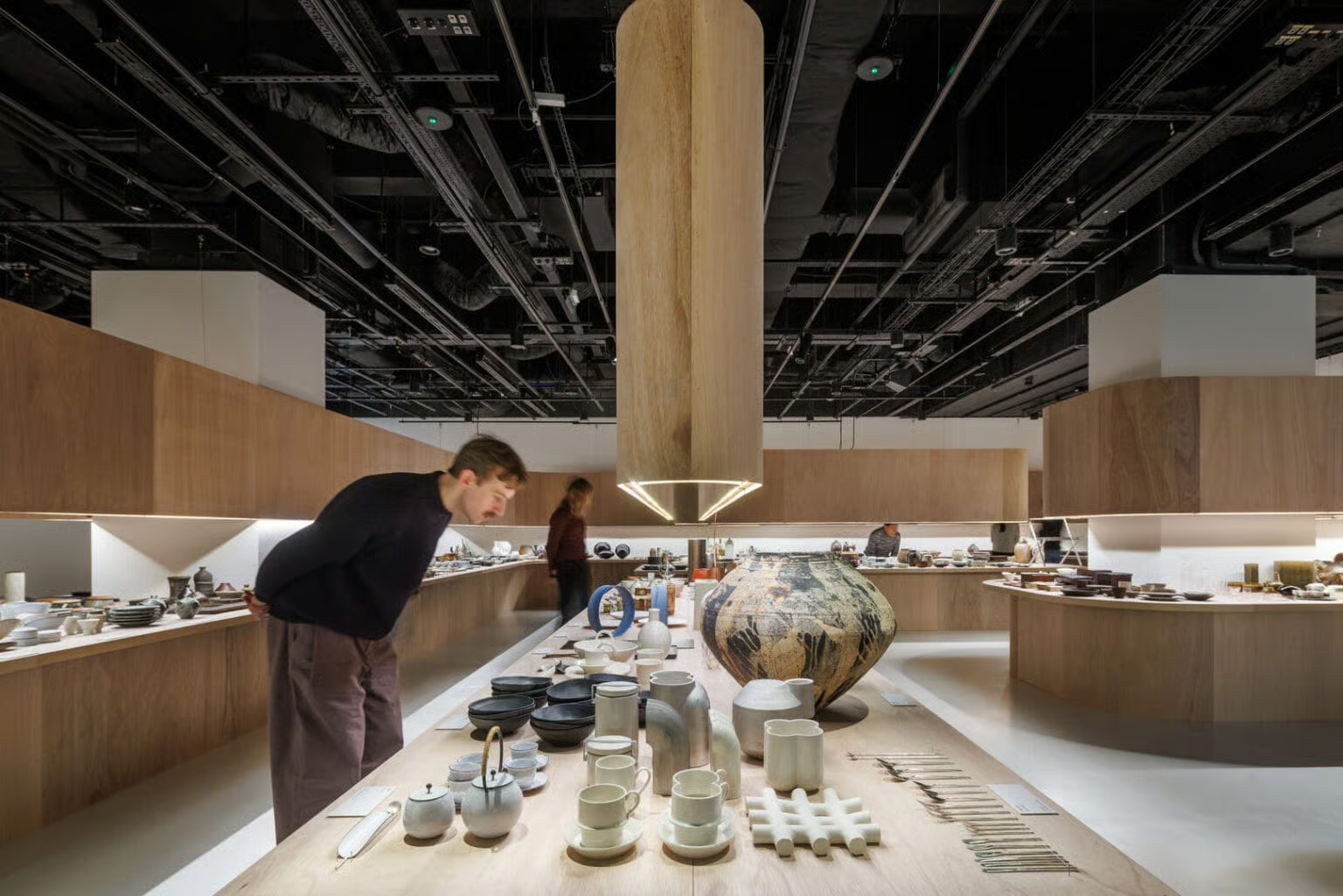
- Kensington might not be synonymous with affordable pleasures, but Japan House London, slap bang in the middle of Kensington High Street, is home to some of the most consistently interesting exhibitions of recent years — and they’re all free. At the moment, the gallery is exhibiting Hyakkō, 100+ Makers from Japan, a paean to the blend of contemporary craftsmanship and tradition that the country is renowned for.
From the archive
It’s that time of year. It’s grey, rainy and unavoidably bleak (though at least we're past last week's “Blue Monday”, said to be the saddest day of the year). So we thought, at a time like this, you might need some cheering up. So how about some footage of two freshly-arrived polar bears hanging out at London Zoo in 1965.
If you’d like to sponsor editions of The Londoner and reach over 20,000 readers, you can get in touch or visit our advertising page below