To read all of today's piece, you’ll need to be a full-fledged paying member. Let us explain why: through our investment in our growing team, we believe we can bring back high-quality, independent local journalism — but it’s a huge (and expensive) undertaking, and we need your help.
So we’ve sweetened the deal: take out a year’s membership of The Londoner, and we’ll give you two months completely free — and you’ll be supporting a small team working tirelessly to cover the most important stories in the capital. What's more, you'll get access to our entire back catalogue of members-only journalism, receive eight extra editions per month, and be able to come along to our fantastic members' events.
The sickness started among the skyscrapers of 19th century Chicago. Before anyone knew any better, it had already spread. First to New York, and then following the trade ships to Liverpool and then Manchester. Soon, it came to London, and in the capital’s wealthiest districts it found its most fertile ground to spread. It found a name in the capital, too: Regent Street Disease.
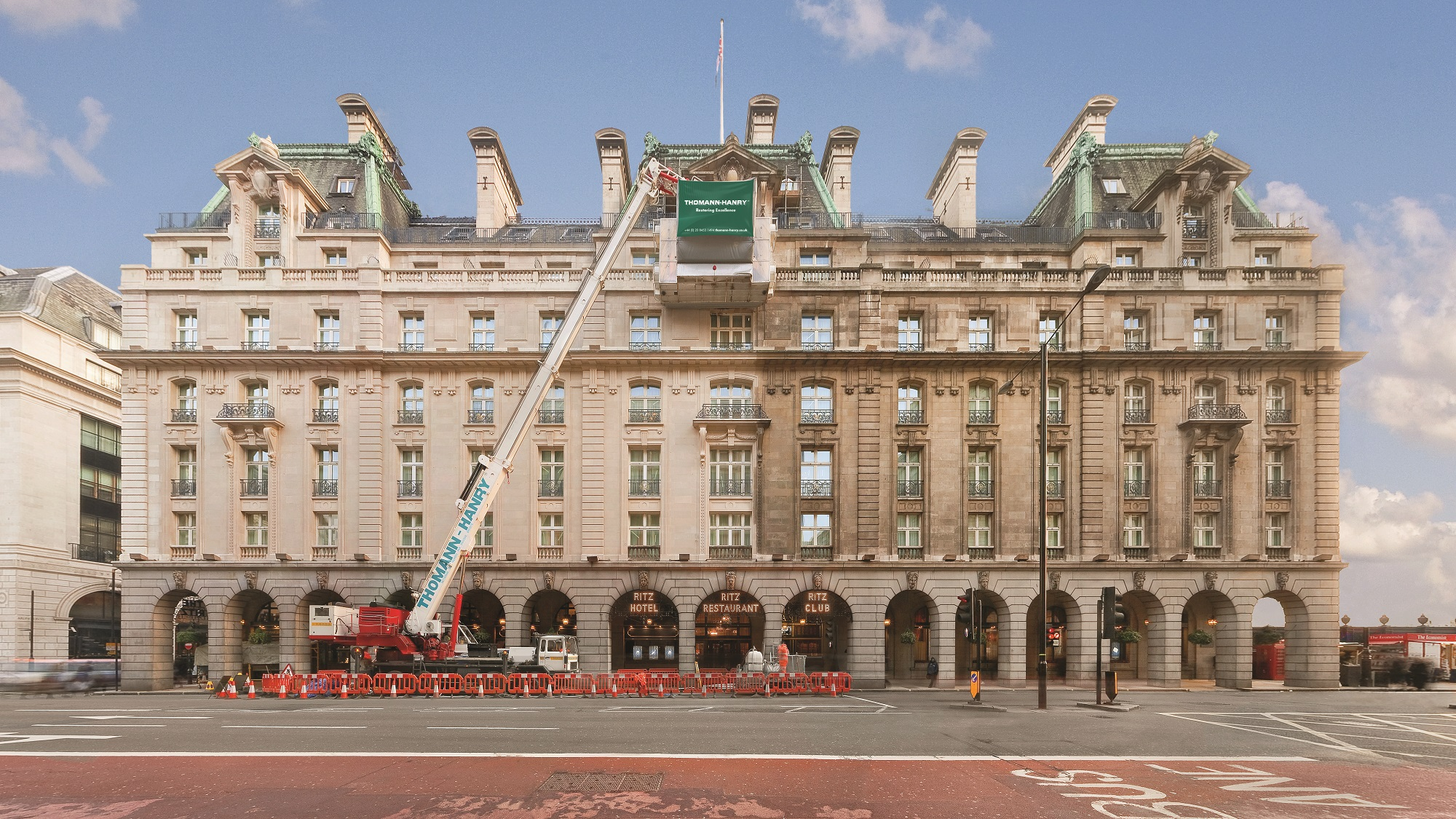
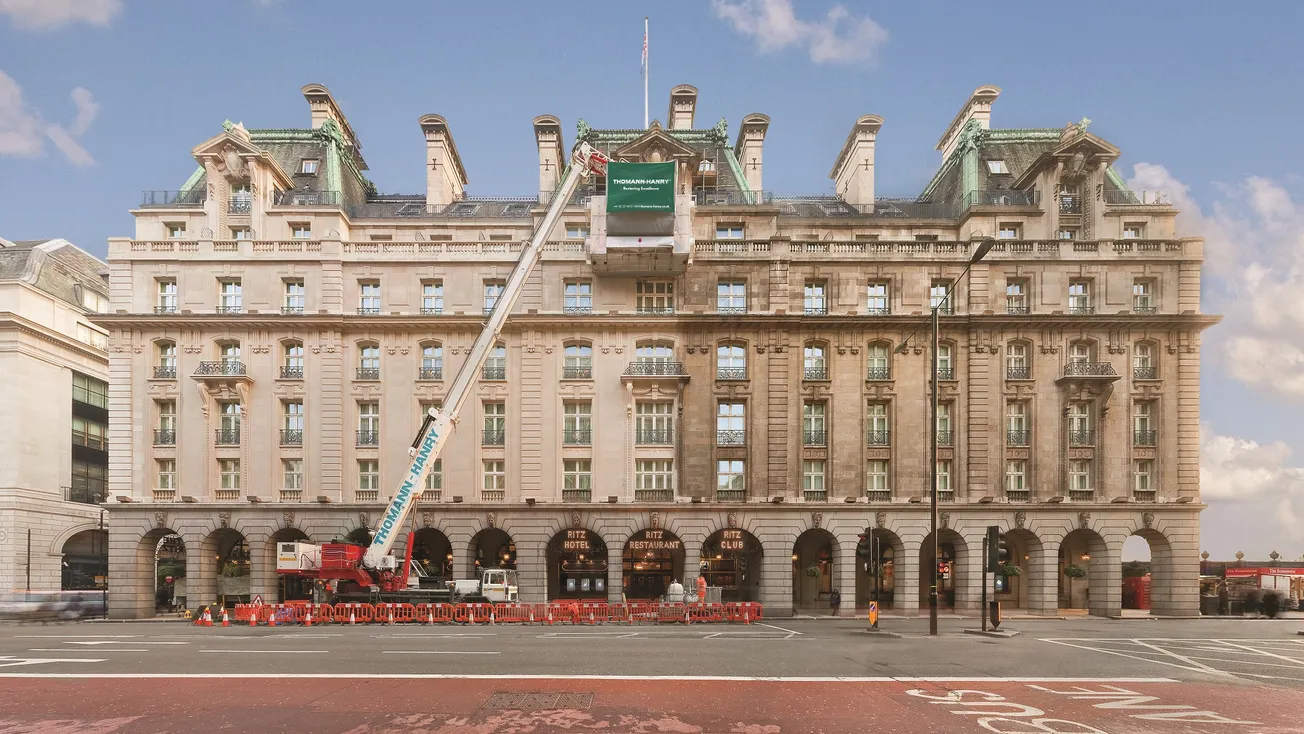
Despite what the name might suggest, Regent Street Disease (RSD) isn’t a pandemic that infects humans, but a rot at the core of some of London’s oldest and most iconic buildings, including the Ritz, Savoy, Selfridges, Broadcasting House and pretty much the entirety of the shopping street from which it takes its name. Its more prosaic name — steel frame corrosion — gives a sense of what happens, but put simply, the disease leaves the structures at risk of cracking and crumbling. And pretty much all of the capital’s stately buildings from the early 20th century are at risk.
But what does it mean for the future of London’s most iconic buildings? And why are so few landowners, architects and conservationists prepared to talk about it?
A multimillion pound problem
The Londoner first came across Regent Street Disease last year, when we wrote about a battle raging between a community garden and a developer that was trying to save the neighbouring Saville Theatre by turning the venue into a hotel and mega-circus venue. One reason the developer cited for needing to expand the site so much was the cost of fixing the corrosion spreading behind the building’s listed neo-classical facade.
London deserves great journalism. You can help make it happen.
You're halfway there, the rest of the story is behind this paywall. Join the Londoner for full access to local news that matters, just £8.95/month.
SubscribeAlready have an account? Sign In