Londoner Live: Who is the real Andy Burnham?
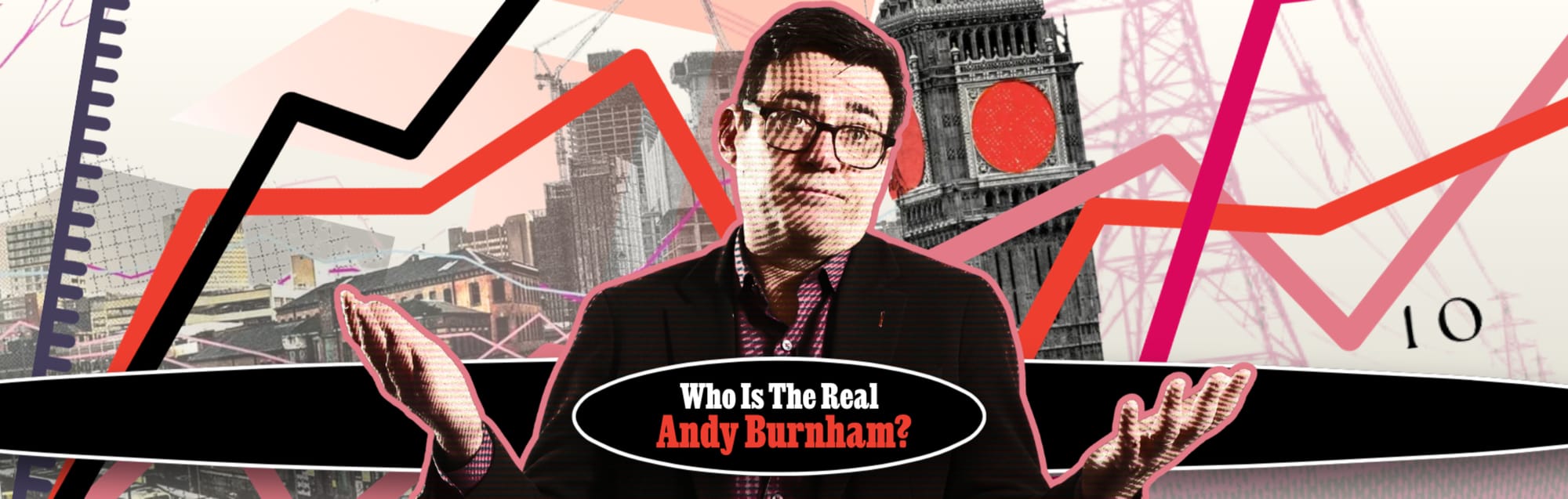
Next week, we're hosting a special Londoner event about Andy Burnham and what he really believes. The Londoner's founder Joshi Herrmann will be joined on stage by four journalists who have covered our new prime minister closely over the years: Patrick Maguire from The Times, Helen Pidd from The Guardian and Jack Dulhanty from The Mill. The panel will be chaired by Beth Rigby from Sky News, and will tackle questions like: What actually is “Manchesterism”? And what will it mean for London?
It's on Wednesday 9 September, 6pm – 7.30pm, at London Scottish House, Westminster. Tickets are £15, or just £5 for paying Londoner members. We've already sold over two thirds of the tickets so make sure to grab yours now before they sell out.
Click the button below to get yours.
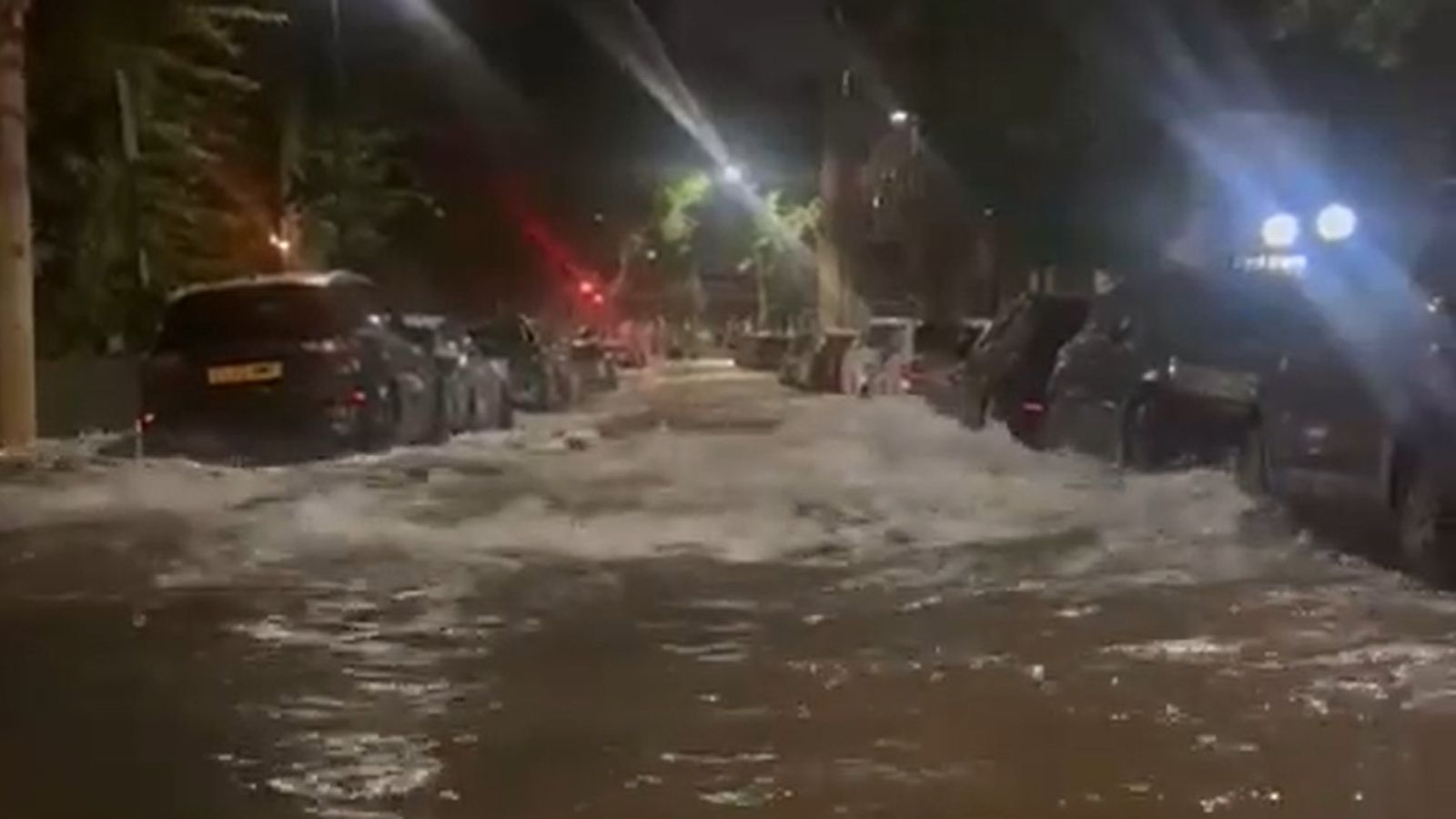
As flood waters burst from the pipes on the Essex Road and cascaded into the front doors of nearby flats, Cliff Roney must have felt a lot like Thames Water’s very own Cassandra, fated like the Trojan priestess to utter truths but never be believed. This was last summer, and a water main under the Islington thoroughfare had just burst and caused 40 people to flee their homes, leaving the street under 16 inches of water. Years earlier, Roney, a career-long Thames employee, remembers dealing with another catastrophic leak in the same area with a stark warning. If nothing was done, it was “going to happen again”.
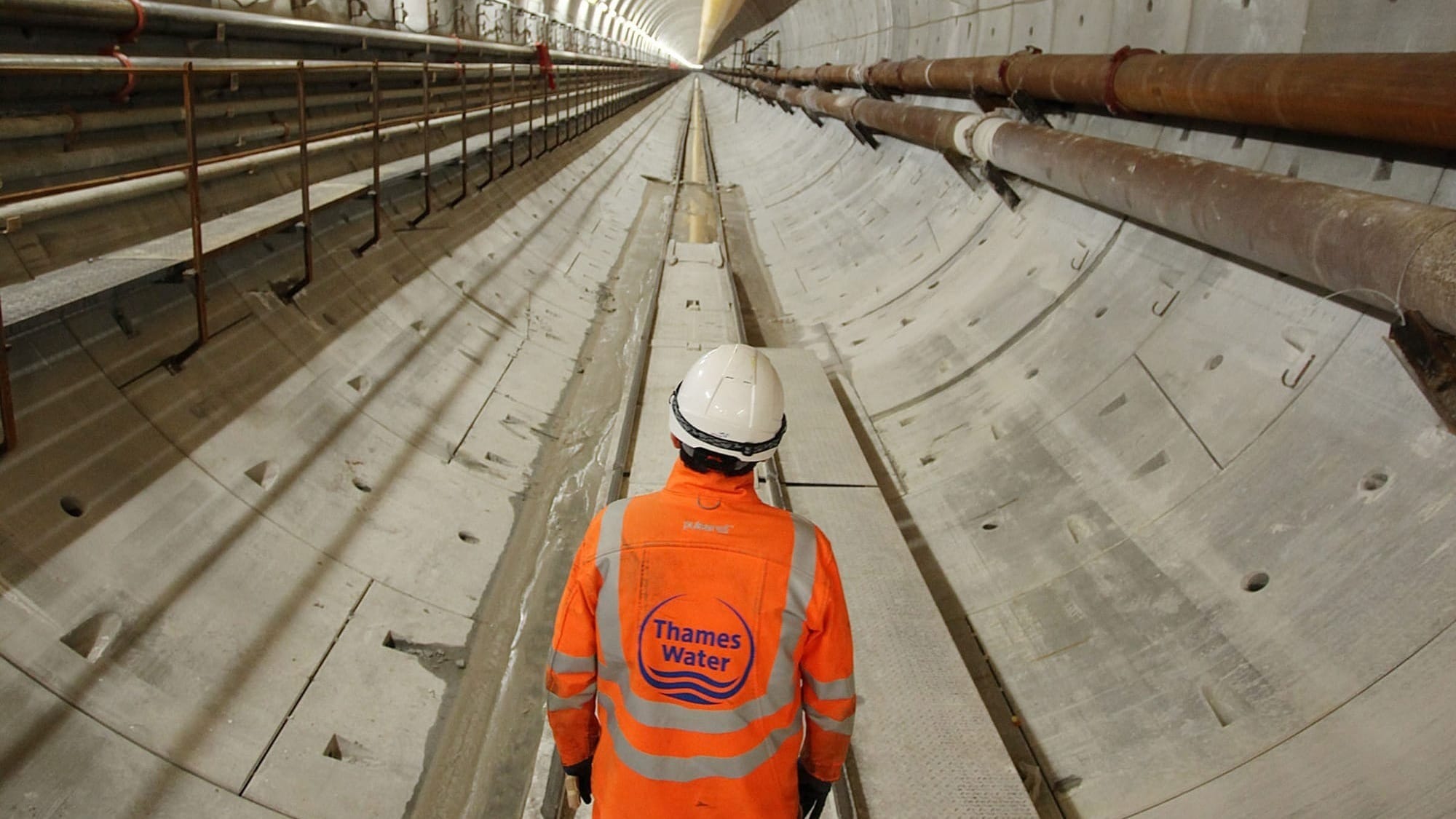
Thames Water is known to be a mess: The network is fighting 1,000 leaks a week from its decaying Victorian pipes, and is spilling raw sewage into the Thames and its tributaries 25 times a day (on average). Meanwhile, it’s saddled with tens of billions of debts that have pushed it to the edge of collapse. Countless news pieces and political speeches have been dedicated to discussing the company’s dysfunction, regularly labelled as "Britain's worst water company” (a high bar, I know). But in all that coverage of how bad things are, absent is the explanation of how we arrived at this point. And it’s rarer still to hear from inside the company — from the engineers working for what may be the capital’s most dysfunctional major company.
That’s where Roney comes in. I first met him while working on a story about the death of “County Kilburn”, the former beating heart of the Irish community in London that disappeared in the 2000s. Roney had lived there when he first joined Thames Water as an apprentice engineer back in 1979, and he regaled me with stories about working for the company; feeling the vibrations while working underground on the day of 7/7, witnessing the dead bodies of murdered gangsters that used to float into the pumping station at Coppermills.
So as the new Prime Minister Andy Burnham deliberates pulling the trigger and nationalising the ailing company, there was one man I wanted to speak to. The story he tells is of the deliberate decisions that pushed the city’s infrastructure to the brink, and of those who tried to blow the whistle.

Hey, it's Andrew, one of the Londoner's reporters here.
There's an exploding water mains' worth of fascinating details yet to come in today's story, including the mass sell offs of assets, budgets so tight you couldn't afford to buy pens and little-known policies that laid waste to the company's Victorian pipe network.
To read all of that, please join thousands of other in-the-know Londoners by clicking the button below and becoming a paid subscriber.
London deserves great journalism. You can help make it happen.
You're halfway there, the rest of the story is behind this paywall. Join the Londoner for full access to local news that matters, just £8.95/month.
SubscribeAlready have an account? Sign In