Dear Londoners — We hope you had a good weekend. Ours was stellar, despite our Friday piece revealing that we were being sued for £250,000 by a holiday let grifter. Why? Because although the prospect of court is a scary one, we know we have a community of readers who have our backs. In the comments of that story, A Powell wrote:
"I admire all involved at The Londoner for taking this on, and for providing some much needed integrity into the media. I’ve joined to support your journalism, and I hope others are inspired to do the same."
It's a sentiment we've seen echoed across LinkedIn, Twitter, Instagram, our email inbox and in the comments to our stories, and we're incredibly lucky to count on your support. The story's also received press in trade journals such as Press Gazette, which explains in more depth our refusal to back down, and why we think it's vital for the future of journalism that we fight. Please keep sharing and commenting — awareness really is vital (and besides, we just love reading your messages).
Read on to find out what's hidden in the fine print of the new report to save London's nightlife, plus our recommendation for a perfect Puglian restaurant and why Tom Cruise is packing up his Knightsbridge flat.
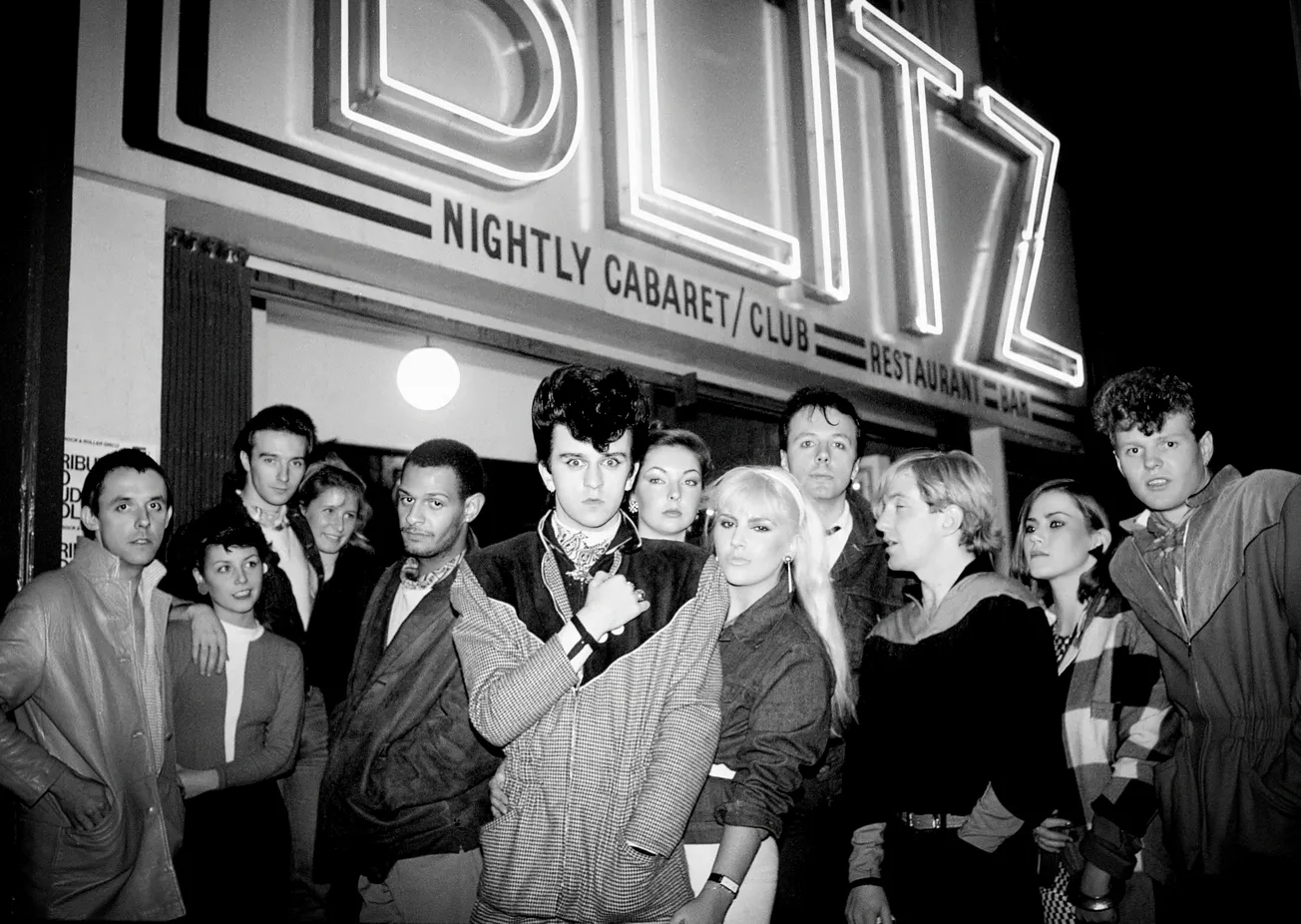
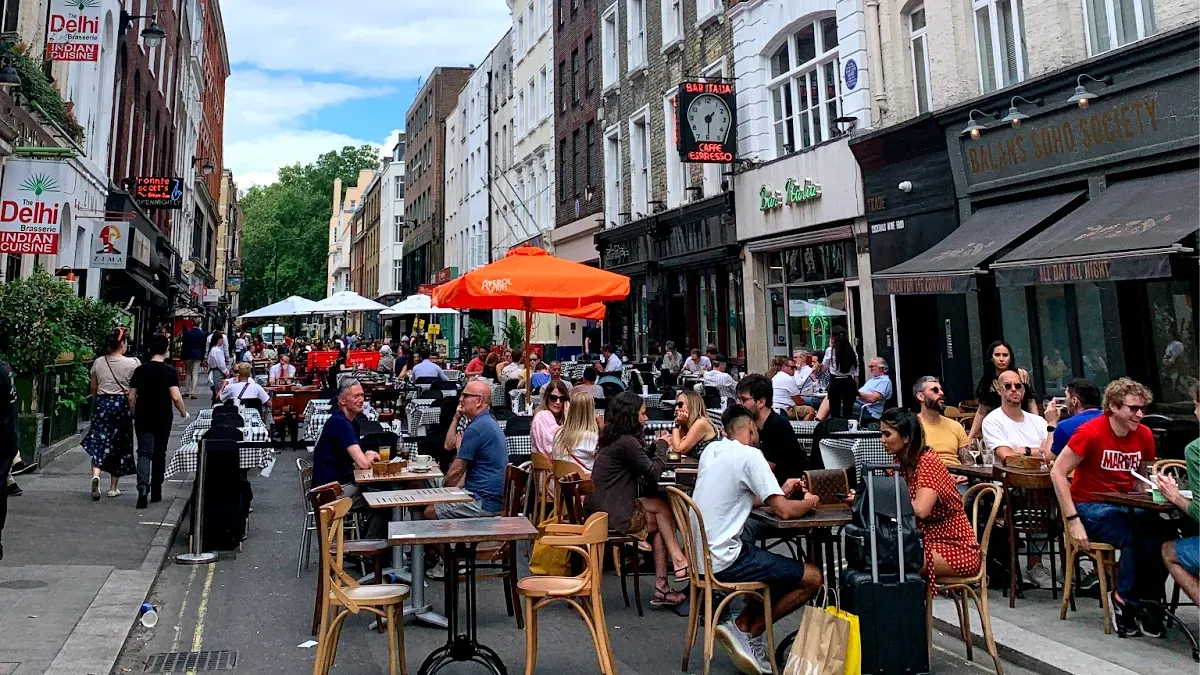
🍺 Amid failing clubs and early-closing pubs, City Hall thinks it has the solution to the capital’s nightlife woes
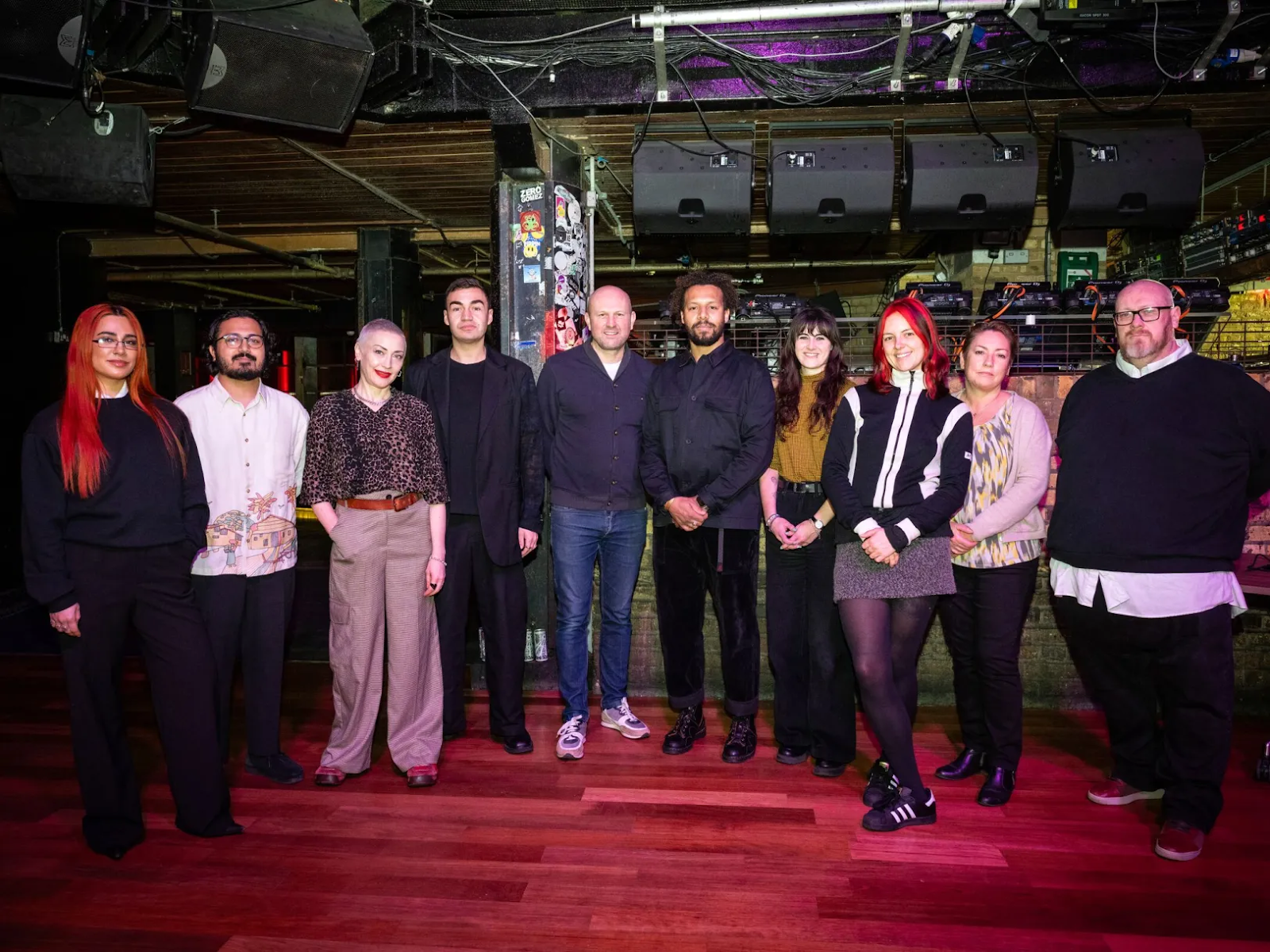
Topline: A new City Hall report into how to save the city’s nightlife is pushing for some big changes in how the city handles nightlife, from a plan to end vexatious noise complaints at pubs to rethinking the Met’s approach to drugs.
Context: Facing sky-high rents, increasing operational costs and licensing chaos, nightlife in the capital has been struggling for the last few years — in 2024, London lost 55 pubs, the highest number of any region in the country. After the resignation of nighttime economy adviser (or “night tsar”) Amy Lamé in October 2024, The Londoner exclusively revealed four months later that she was set to be replaced with a task force featuring many of the biggest nightlife figures in the capital.
Welcome to The Londoner, a brand-new magazine all about the capital. Sign up to our mailing list to get two completely free editions of The Londoner every week: a Monday briefing like this one, full of everything you need to know about that’s going on in the city; and a high-quality, in-depth weekend long-read.
No ads, no gimmicks: just click the button below and get our unique brand of local journalism straight to your inbox.
The new report: For the last 11 months, that commission has been working on its first report, a comprehensive plan on how to “drive the future of the capital at night”. Some of the recommendations are pretty superficial, such as its insistence that we “recognise nightlife as culture” means almost nothing in practice. Others seem impactful but don’t seem to be fully resourced, including the plan to set up a Nightlife Future Fund to offer a financial lifeline to grassroots venues and organisations, which is unlikely to be something the commission can properly fund given its only been backed by £300,000 of City Hall cash. But there were also some standout recommendations.
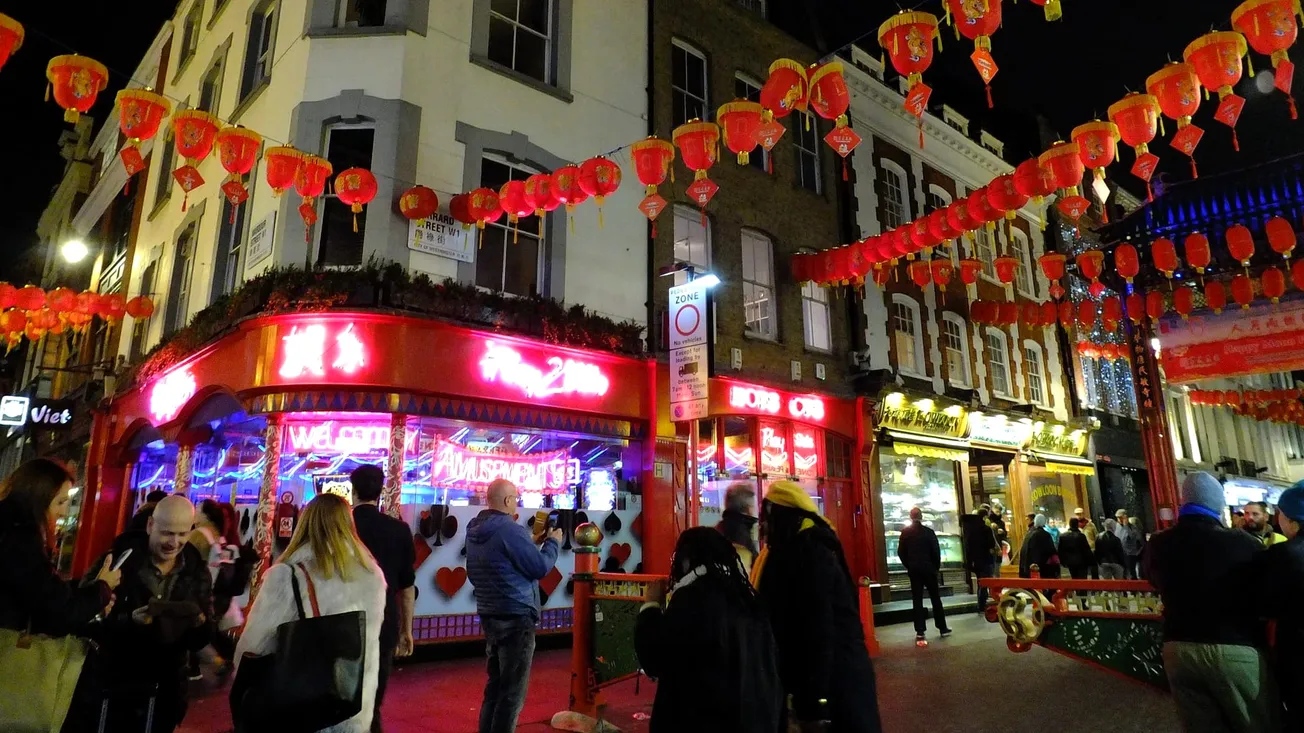
The big takeaways: There were three notable recommendations:
- First off, the creation of a “central database of vacant and underutilised properties with potential for change of use or temporary activation as nightlife spaces”. Some of London’s biggest clubs right now, like Venue MOT and Avalon Cafe, are sited in industrial estates, and making it easier to identify those kinds of unused areas could be a compelling workaround given the city’s problems with sky-high rents.
- Secondly, pushing for changes to the law to ban “vexatious” noise complaints and to require a minimum of ten unrelated households to make a complaint before a council risks a licensing review. We’ve mapped the scale of noise complaints against the capital’s pubs before at The Londoner — and the nature of those complaints are often insane. For those who missed our original piece, they included “faint giggles” leading to one pub having its licence reviewed. A change to the law is long overdue. And, with a supportive government devolving more licensing powers to City Hall, it is something that could actually be on the horizon.
- But maybe the most groundbreaking recommendation The Londoner noticed, buried on page 40 of the report, was that the commission was actively calling for a change in the capital’s drug policy from a “zero tolerance” approach to one centred on “harm reduction". What that means in practice is pretty vague — and we’re aiming to find out more this week — but it usually revolves around ideas like safe use spaces for drug users and free drug testing. If adopted, it would be a pretty hefty about turn for the Met and City Hall, and one that would put them at odds with a Labour government that has spent the last few weeks mocking the Green party’s support for such policies by claiming that Zack Polanski is “high on drugs, soft on Putin”.

🏊 The battle over Hampstead Ponds
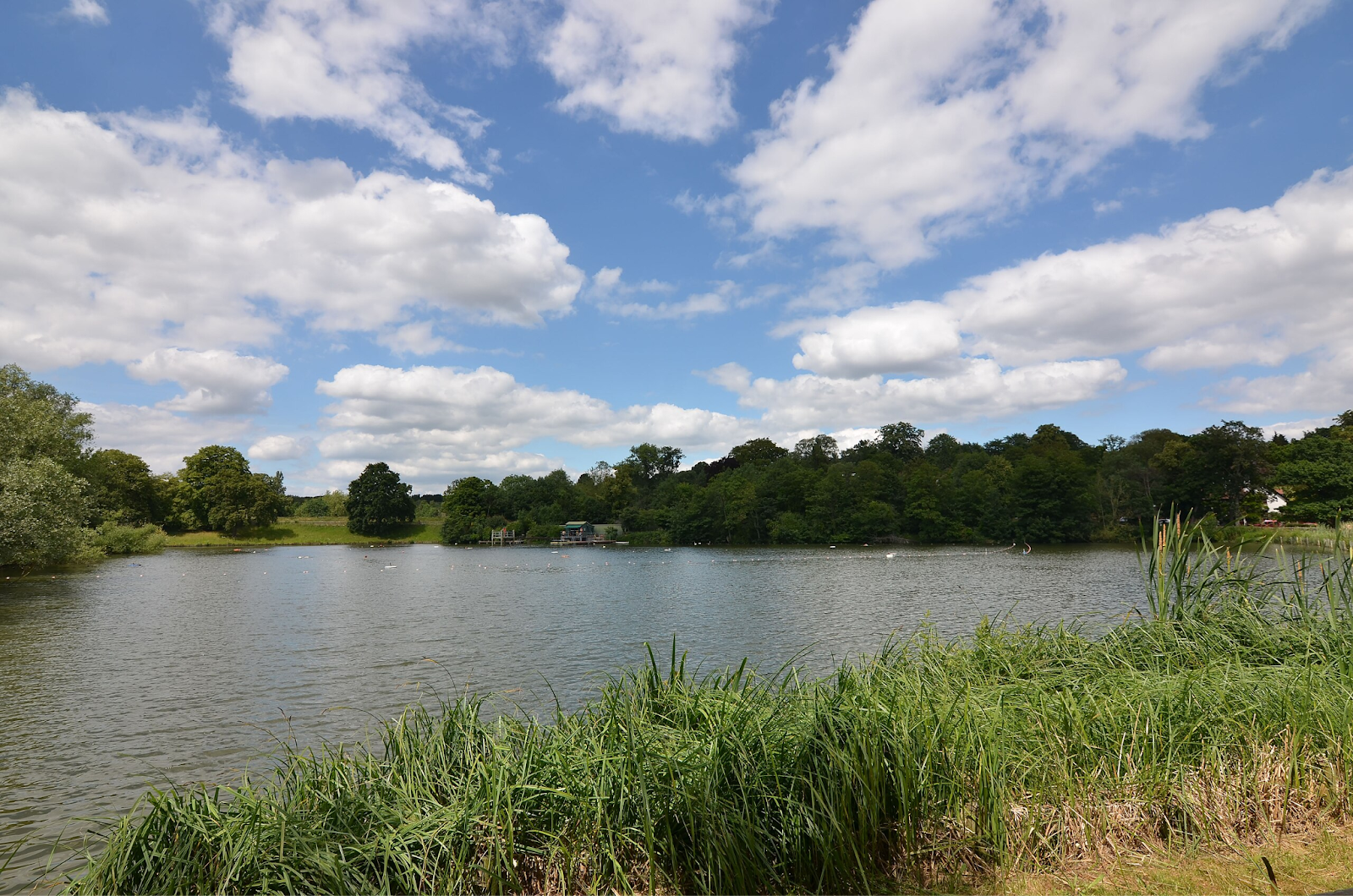
Fresh off a weekend deep dive into the secretly juicy battle over Hampstead Heath’s cafes, just a short walk away another fight is playing out for the Heath’s custodians, the City of London Corporation. In the aftermath of the Supreme Court ruling last year that being a woman was defined solely by one’s biological sex, questions have been asked about the impact it would all have on the Heath’s gender-segregated open water swimming ponds.
Trans people have been swimming in the men and women’s ponds for decades, and in 2024 members of the Kenwood Ladies’ Pond Association rejected a motion that “only those born female in sex can use the pond”.
But that didn’t stop a legal challenge being launched by gender critical campaign group Sex Matters at the High Court, which was dismissed last Thursday. The ruling came just as the City of London finalised a consultation of over 30,000 pond users, which found that 86% of those polled backed continuing the current trans-inclusive arrangements. 90% also opposed forcing trans swimmers to use separate changing rooms. Sex Matters claim it is now “considering its legal options”.
🗞️ The Standard’s new columnist
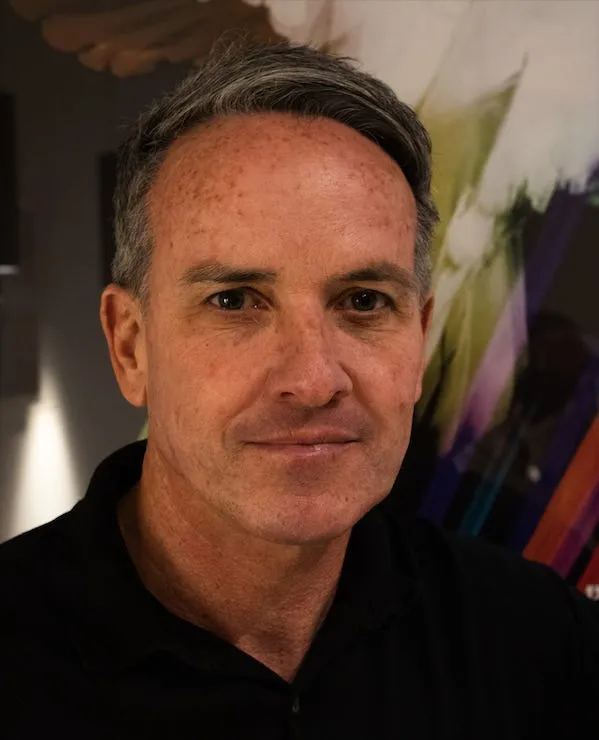
Who better to comment on London’s woes than a controversial former night tsar from Manchester — at least, so goes the thinking at the city’s most historic paper. It was recently announced that the Standard would be bringing in Sacha Lord as a new monthly columnist.
The appointment raised some eyebrows at Londoner HQ: back in 2024, our sister paper, the Manchester Mill, revealed that one of Lord’s companies misled the Arts Council to obtain over £400,000 of public money during Covid. Lord denied the allegations, and even briefly threatened to sue, only for the Mill's reporting to be vindicated by an Arts Council investigation, leading to him stepping down from his role as Andy Burnham’s nighttime economy adviser and being ordered to repay the money.
Lord made the big announcement about his new monthly column on his X account on the 15 January, promising that his first piece would be out the following week. But since then, there’s only been silence.
Maybe one reason for the disappearing column might be the fact that the historic paper has been going through a little chaos of its own recently. Just five days after Lord’s unveiling, news hit that its beleaguered digital newsroom and commercial operations were set to be taken over by the Independent which, like the Standard, is owned by Russian multi-millionaire Evgeny Lebedev. A “core print team” would remain, but a redundancy round would be started for the likely dozens of staff affected by the move.
Quick hits
- There’s been a series of brazen daylight robberies at jewellery stores across London. The most recent target was Gregory & Co in Richmond, which was set upon by sledgehammer-wielding thieves at 10.30am on Saturday.
If you know any more get in touch with Peter on peter@the-londoner.co.uk.

- Tom Cruise is quitting his £35m penthouse in Knightsbridge after a gang of robbers targeted a nearby Rolex store for luxury watches left him feeling like the area was no longer safe.
- Iconic LGBT pub the Black Cap is set to reopen after 11 years of campaigning by spirited locals. The CNJ spoke to them about the victory.
- Meet the 82-year-old still playing in-goal for his six-aside team after four decades.
- London’s tightening the rules on Airbnbs, with a new register attempting to crack-down on holiday lets operating over the legal maximum of 90 days a year — though oddly, the register will be voluntary, rather than compulsory.
Know more about the above stories? Or have any tips about anything else? Let us know using the anonymous form below or email our editor.
In case you missed it…
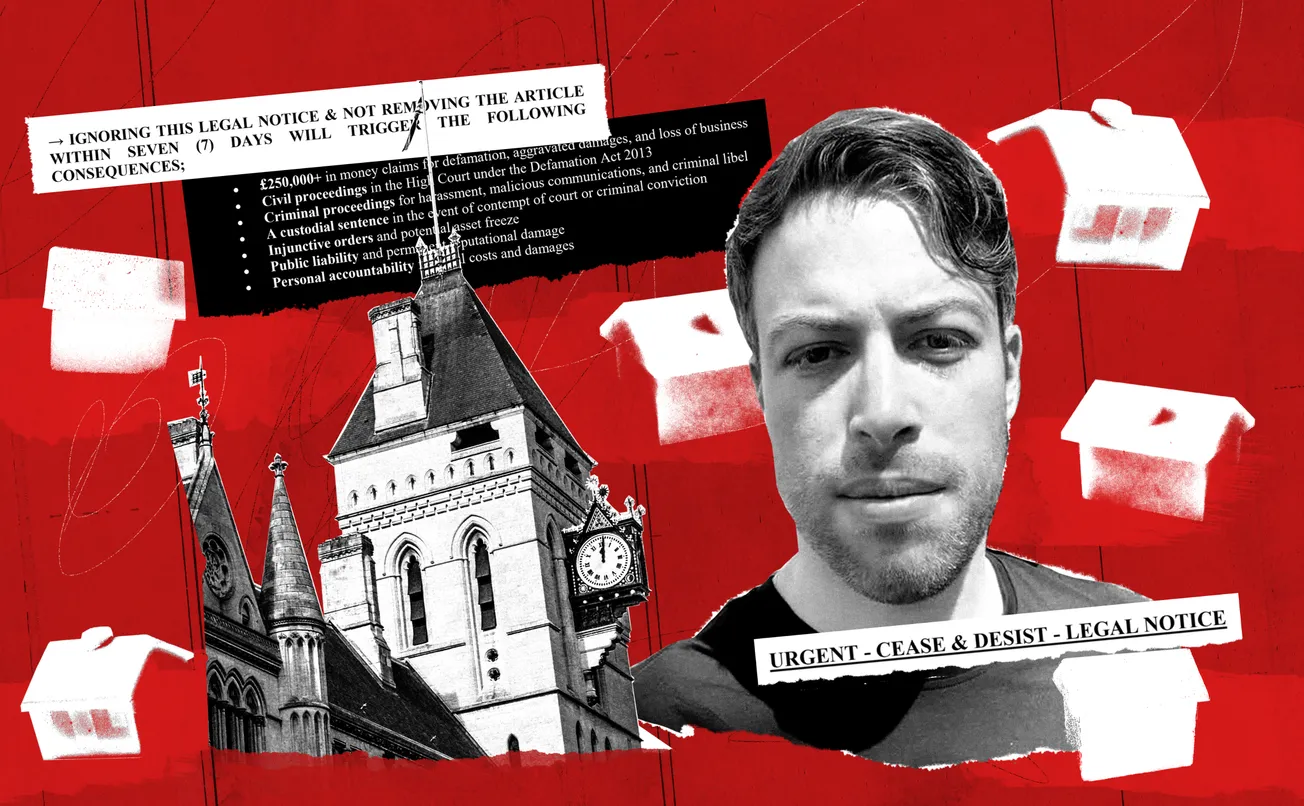
- On Friday, we dropped the news that we were being sued for libel by a London holiday-let businessman who we wrote an exposé on back in August . Give our editor’s note on the situation a read.
- Our weekend read was a deep dive into the battle over the Hampstead Heath cafes. It’s a saga of secret venture capital investment, cannabis experts and Benedict Cumberbatch. Read it here.
- There’s a secret battle happening over access to the capital’s power supply, which has seen districts of London choosing between housing and power-hungry data centres. We went inside (literally) to find out more.
Wining and dining
With endless offerings and non-stop openings, we all know that deciding where to eat and drink in the capital can be fraught. We want to make it easy — so every week we’ll give you our insider guide to the city’s best spots.
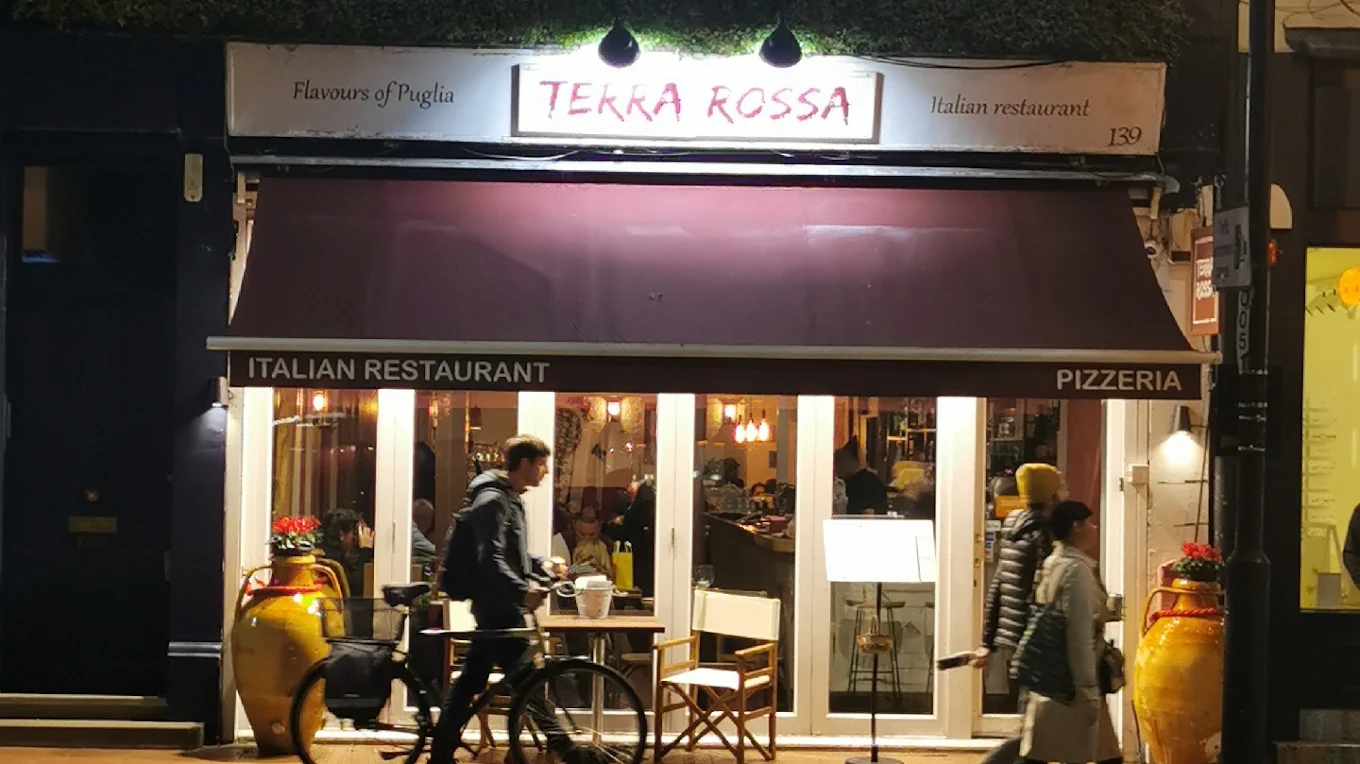
One perfect meal: Take a walk down Upper Street in Islington, and you’ll soon find yourself overwhelmed by potential dining options. No fewer than six Italian restaurants can be found along the promenade, and it can be hard to decipher which to opt for. So, allow us to offer a helping hand: go for Terra Rosa, a homely Puglian venue just short of Highbury and Islington station. With large wooden tables and quirky rustic artwork — cacti are a common theme — on the walls, it’s more of a place for friends than lovers. Pick the pappardelle al cinghale, a winey stew of slow-cooked wild boar heaped over fresh pasta, or get the fettuccine with porcini mushrooms and truffles. The wine selection is broad, and it’s possible to have a main and a couple of drinks for less than £40. On a rainy winter night, there are few places better.
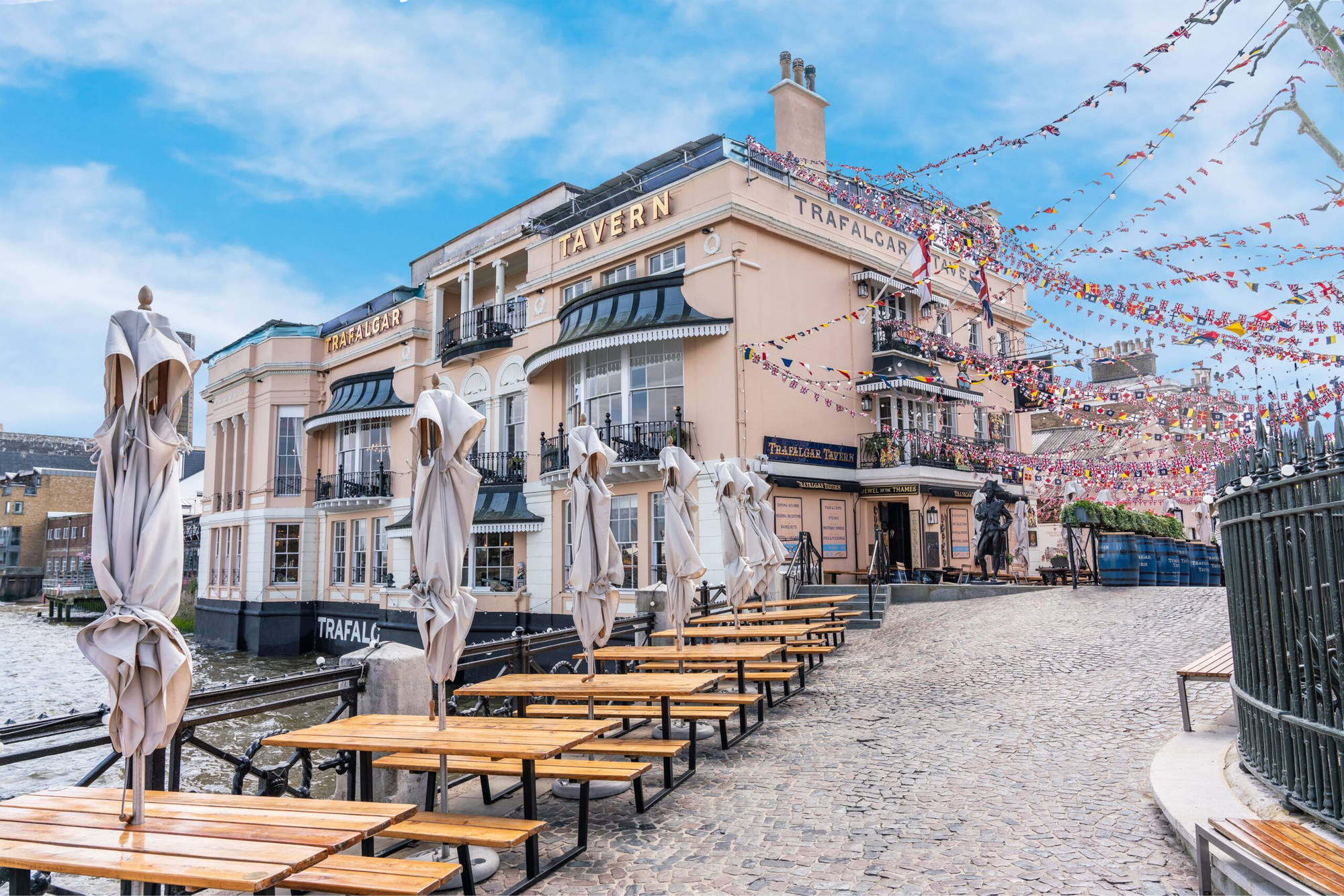
One perfect drink: The interior of the Trafalgar Tavern in Greenwich feels a little like what I imagine the dining room of a luxurious Victorian ship to be like. It’s got solid wooden furnishings, nautical trinkets adorning the walls and huge windows looking out onto the Thames: an aesthetic which surely more riverside venues should aspire towards. It’s a pub for the real ale drinkers amongst you, with three different Adnams brews on offer, alongside their own bitter. But, really, it’s a place to go for the view. If you can’t nab a window-side table then fear not: there are plenty of tables outside that overlook the river too.
Our favourite reads
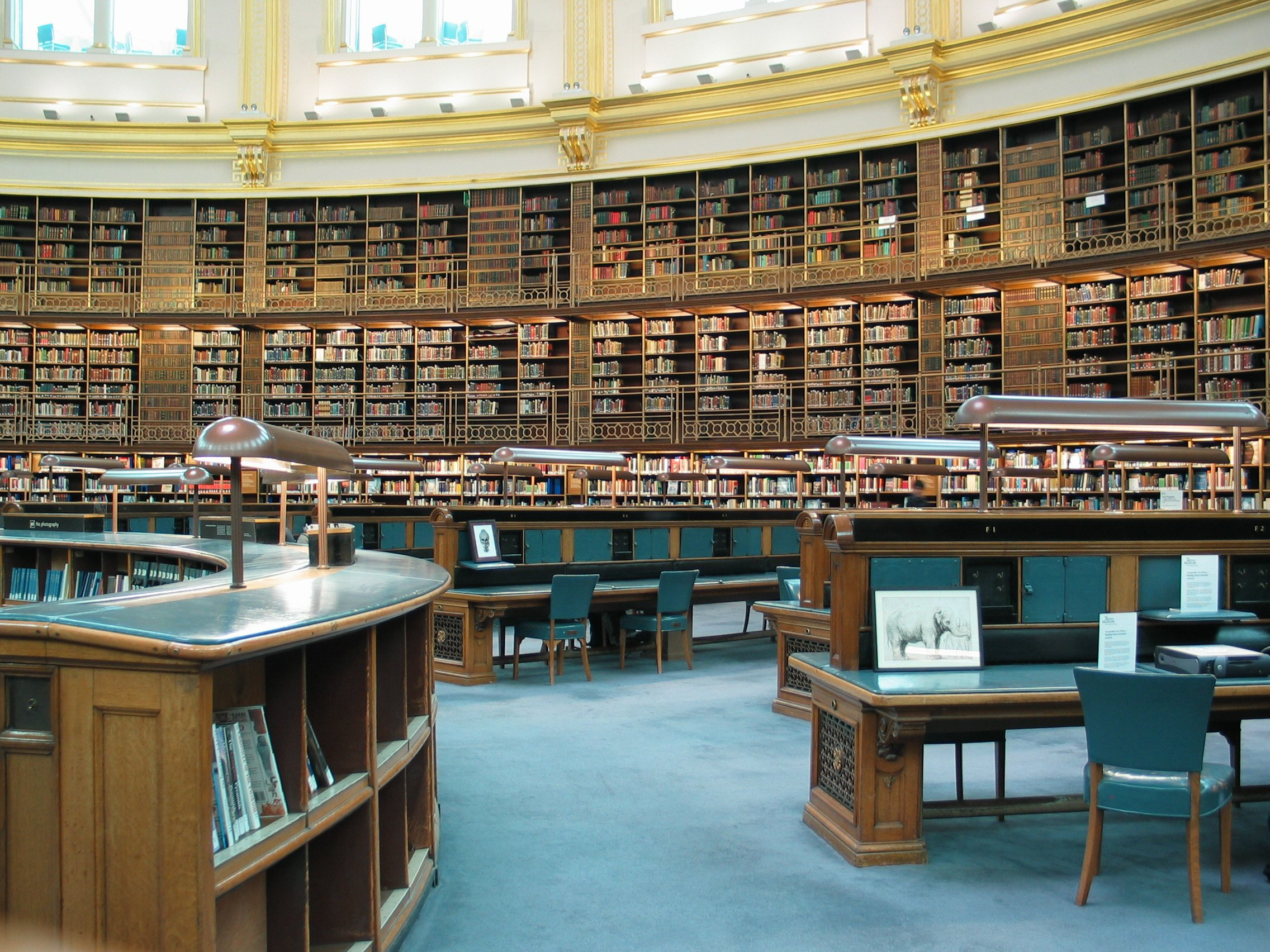
The world’s greatest reading rooms: London’s British Library decoded — Charlotte Mendelson, Financial Times
In this piece, one in a series on the world’s great libraries, novelist Charlotte Mendelson pays tribute to the red-brick behemoth that is the British Library. As well as a museum and repository for everything published in the UK and Ireland, the library is an always-popular place to work for everyone from retired professors to teens doing homework. “Unlike in the great university libraries, one never feels the weight of past genius. Instead, one is lifted, interested, exhilarated, every morning, simply by choosing one’s route inside.”
From scorpions to peacocks: the animals thriving in London’s hidden microclimates — Isaaq Tomkins, Guardian
Split between land, sky and waterways, this piece from Isaaq Tomkins considers the animals which have managed to find a way to thrive throughout our fair capital. Demon shrimp, an invasive species of freshwater shrimp, have taken a liking to Thames after drifting in along the Gulf Stream. Whereas peregrine falcons, the fastest animal in the world, have taken up residence at the Tate — after spending much of the pandemic munching on parakeets.
To Do List
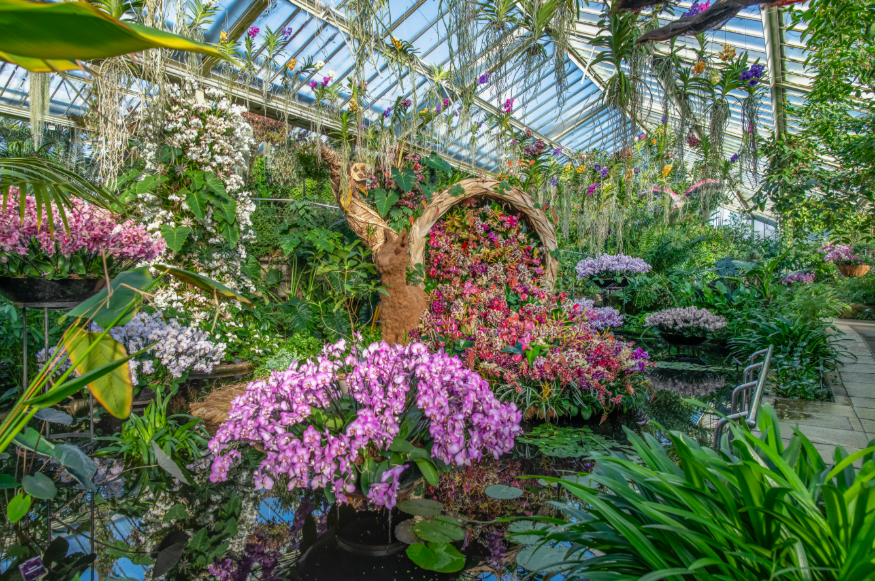
- If winter in London is starting to wear you down, take a brief respite in the tropical environs of Kew Gardens’ greenhouses, which this weekend (and across February) will host its annual orchid festival. This year’s instalment is inspired by the history and heritage of the plant in China, so expect vivid plant sculptures in the shape of dragons and pandas.
- In an era of on-demand streaming, it can be easy to forget just how influential — and how radical — British terrestrial television has been. A new season at BFI Southbank for Constructed, Told, Spoken: A Counter-History of Britain on TV explores the legacy of multicultural programming units at the BBC, ITV and Channel 4, and how these gave a voice to black and South Asian communities around the country.
- Find yourself at a loose end on Friday lunchtime (or simply happen to work near Old Street)? The London Symphony Orchestra’s free Friday lunchtime concerts are back — and this week’s instalment features performances of work from perennial favourites Debussy and Liszt. At 45 minutes long, you’ll have time to grab a sandwich before getting back to your desk, too.
From the archive
Ever wondered how St Paul’s Cathedral always looks so pristine in spite of the muck and polluted air in the capital? Well back in 1965 the BBC embedded with the team that was meticulously cleaning the entire cathedral and its historic dome. Not one for those who struggle with heights.
If you’d like to sponsor editions of The Londoner and reach over 20,000 readers, you can get in touch or visit our advertising page below