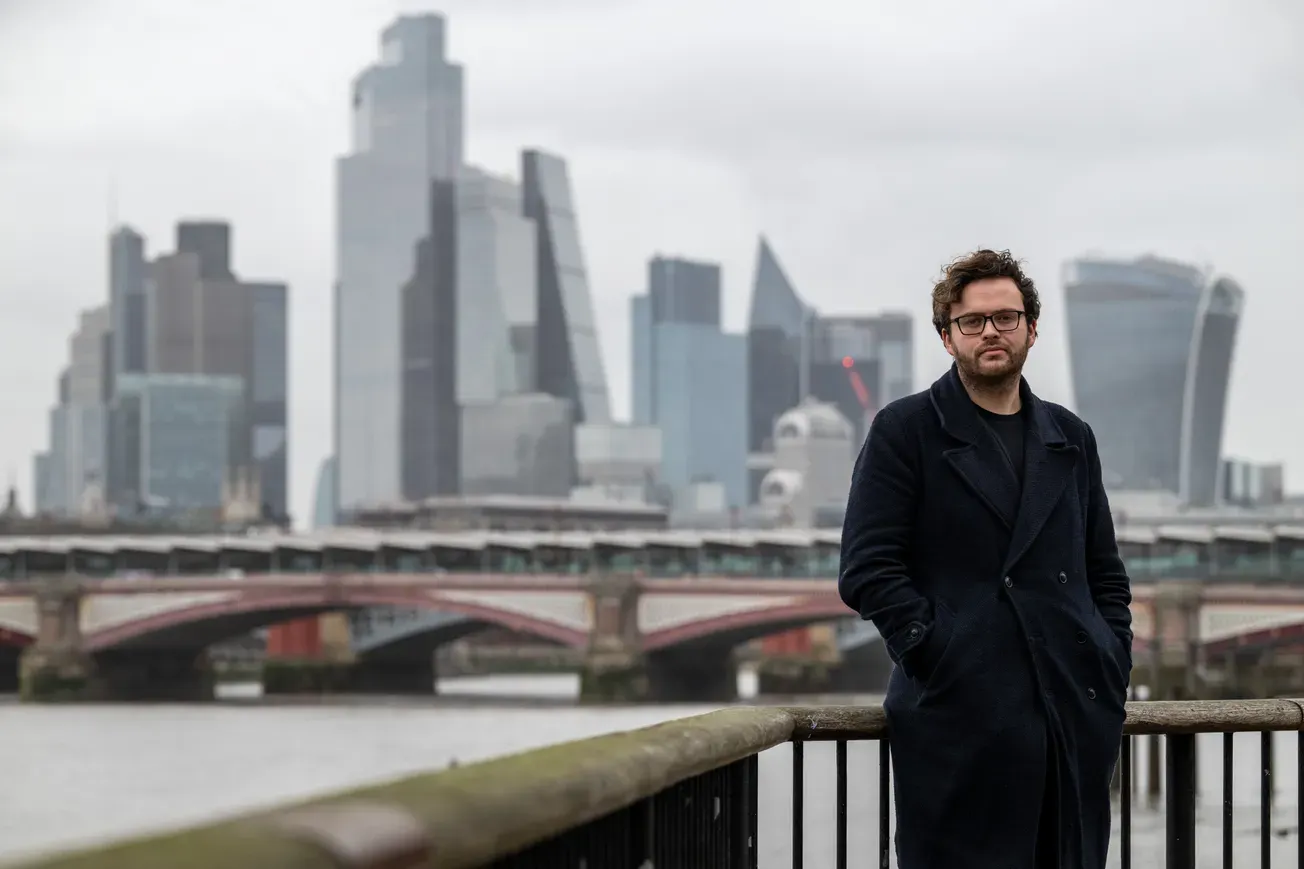
How do you investigate someone who doesn’t exist? That was the question that gnawed at me in February 2025, when I first decided to look into the death of Tracey Turnell.
The heavily decomposed corpse of Tracey was discovered being pushed by her 77-year-old mother Joan through the middle of Walthamstow Market on 7 November 2023. In the aftermath, police discovered that Tracey had no phone, no job, no GP registration, no passport, no friends or romantic partners. There wasn’t a single photo of what she looked like. Authorities were only able to identify her using Joan’s DNA. After years of investigating systemic failures by police, government and local councils, it was obvious that something had gone wrong. Someone — or indeed, several people — had failed these women.
I spent the next year painstakingly trying to piece together her life. I spoke to dozens of neighbours who had known the family and tracked down old school peers and long-lost family members. I walked the regular routes they took to the park, retraced their movements on the day Tracey’s body was found, and spoke to councillors and ex-social care staff to understand how the pair were failed by Waltham Forest council so catastrophically. At one point, I even found myself on the phone to the headteacher of Tracey’s old school, trying to see if they might still have a picture of her somewhere in their archive (sadly, the answer was no).
What came out at the end of all that was a tale of a series of catastrophic failures and repeated neglect; one that evoked comparisons to An Inspector Calls, in which a family of wealthy aristocrats discover their selfishness has driven a local working-class girl to her death.
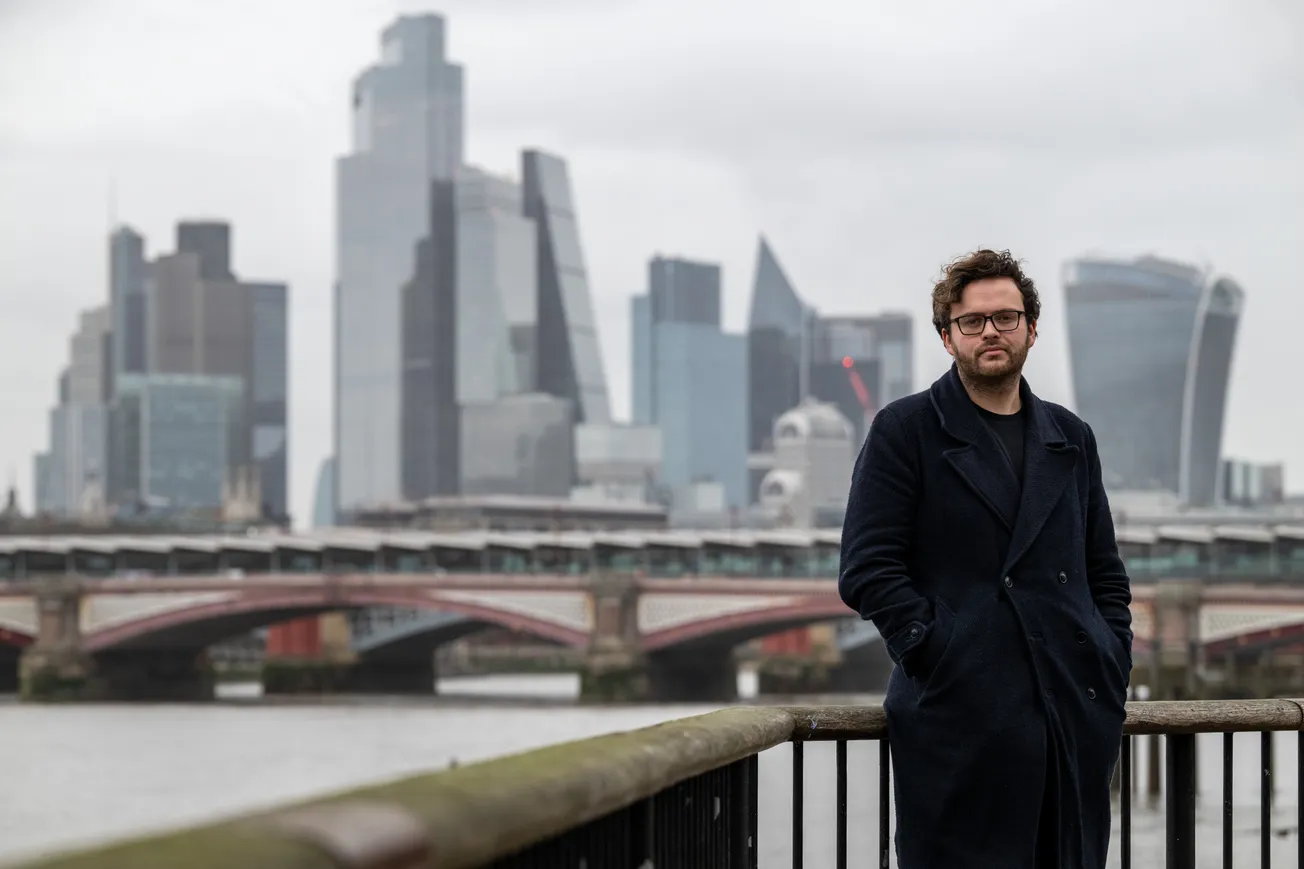
 Andrew Kersley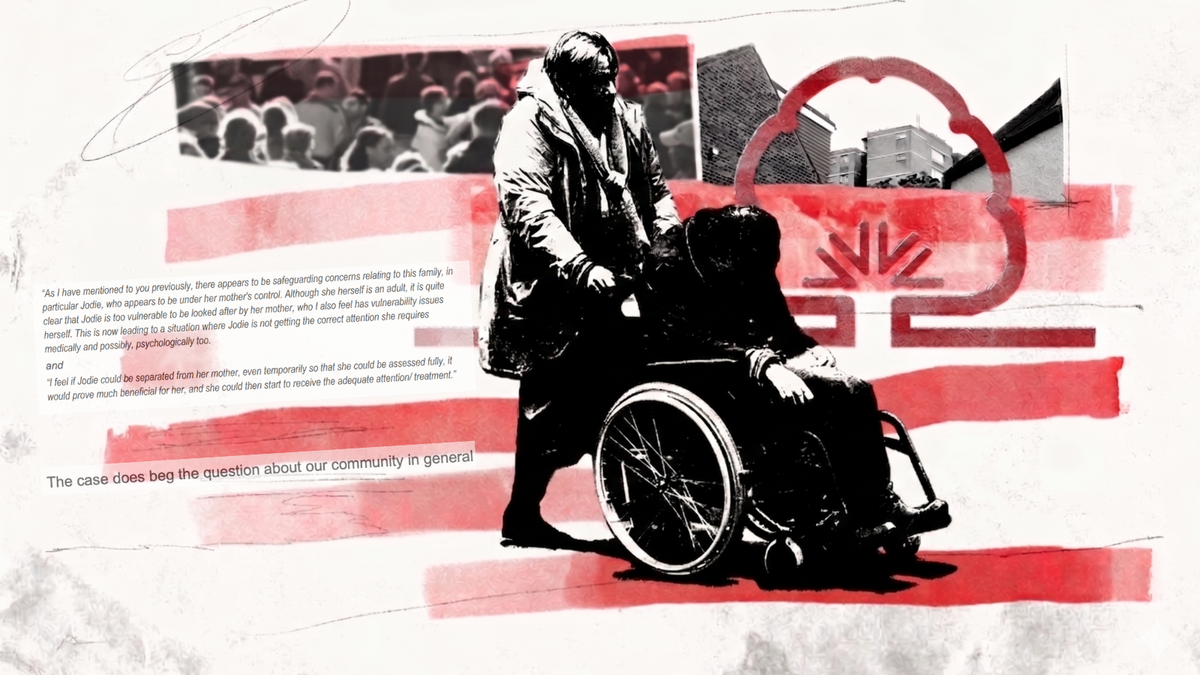
But as we finally geared up to publish, my biggest fear was this: that it would pass unnoticed. That someone who had lived so ignored would disappear in the same way, only remembered for her shocking appearance at Walthamstow Market. I was worried that this year-long endeavour to find out who she was would be for nothing.
What I’d underestimated was the compassion of our readership. “This is the most extraordinary and sad story,” said Jason Smith in the comments. “A profoundly moving story,” said Connor Anderson. “May God grant Joan and Tracey peace.” The local MP also got in touch, and we’re now organising meetings to see what could be done to actually mark Tracey’s death (and bring some accountability for those whose neglect contributed to her death).
This is all to say, I suppose, that the piece was unlike anything I’ve worked on in my career. And there’s a reason for that. For your typical editor, this story has red flags all over it: the slim chance of identifying someone with no documentation, the masses of time needed to build up trust in a community, the fact that at its heart were the kinds of people who rarely get sympathetic coverage, or indeed any coverage, elsewhere. I could have pitched it to dozens of publications and got nowhere. But our editor, Hannah, was willing to let me take the risk.
There are two reasons she could do that. The first is that our model of only publishing a few times a week gives us the time to properly invest in these stories. We aren’t having to spend every day frantically filling tomorrow’s column inches. But the second is even more important: we think telling these kinds of stories is exactly the mission we have.
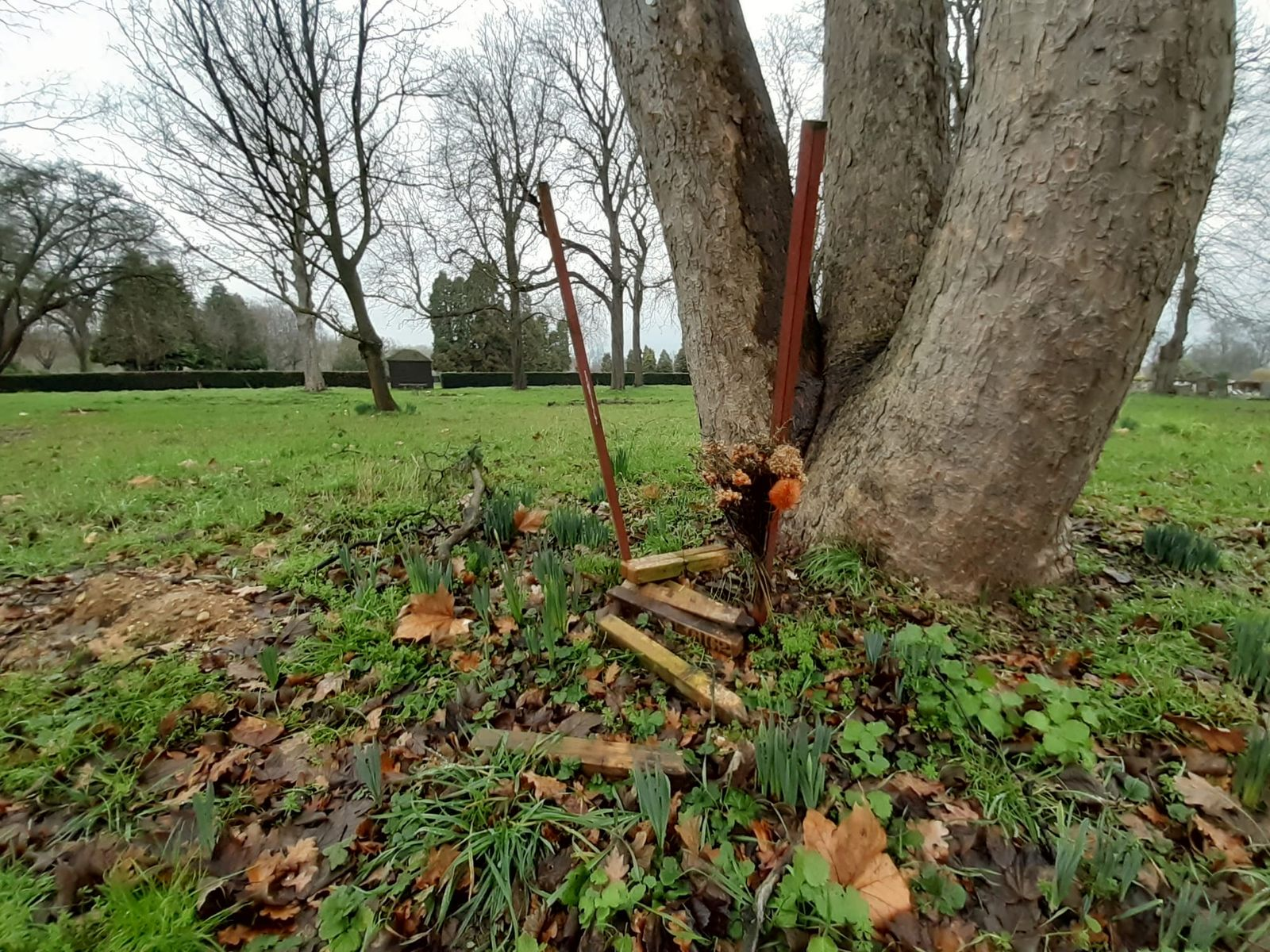
There’s a humongous depth of suffering in this city that is missed by most of the press, simply because exposing it would be too hard or risky, or wouldn’t be titillating enough. After six years in journalism, I'm proud of working somewhere where I’m given the chance to look into those hidden stories with such depth and sensitivity, and it’s really heartening to see that it resonates with so many Londoners.
But I’ll be honest: we need your support. Since our launch in October 2024, well over 30,000 of you have joined our mailing list, and hundreds of thousands of others have read our stories on top of that. Despite all that success, we’re still running at a loss. Simply put, we need more of our readers to make the leap to becoming paid subscribers. Beyond getting you access to twice as many stories as our free readers, doing so will mean we can keep delivering involved, heartfelt, semi-impossible stories, like this one. The kind of investigative reporting this city so desperately needs.
If you think that’s what London needs more of, then click the button below, and support us today.