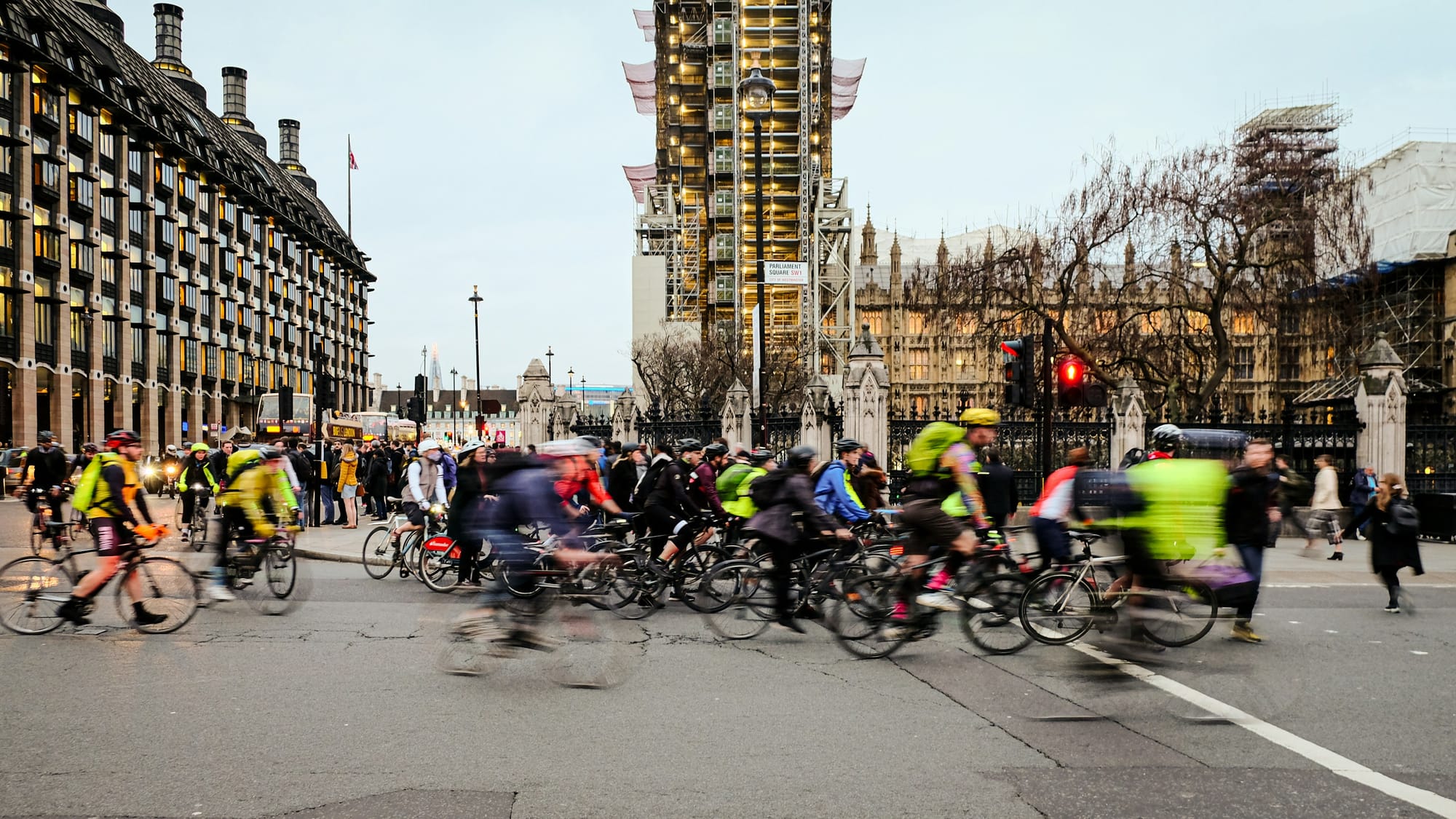
Dear Londoners — when the latest TfL data on cycling safety crossed our desks, at first the picture looked good: deaths at their second lowest since records began.
But then we saw the rate of serious injuries: up 21% in just one year since 2024. We thought the answer was obvious — it had to be the boom of e-bikes to blame. We were wrong. Read our surprising analysis of what's gone right and what's going wrong in today's edition. But first, your London in Brief.
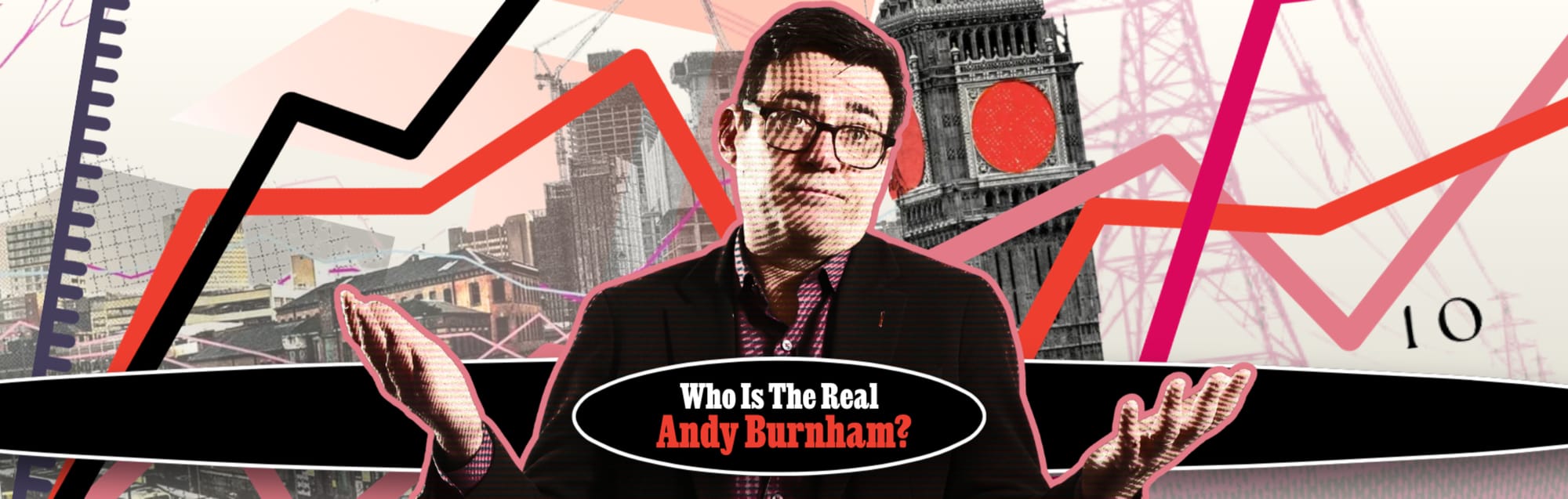
Londoner Live: Who is the real Andy Burnham?
Londoners, only two weeks remain until our biggest event yet, and the response has been incredible. We have a limited number of tickets left, so use the link here to secure your seat before they're all gone.
It's on Wednesday 9 September, 6pm – 7.30pm, at London Scottish House, Westminster. Tickets are £15, or just £5 for paying Londoner members. Click the button below to get yours.
It was a cool wet November day on Fulham Broadway when teacher Vladimir Bimstone, 53, was crushed by the lorry. As local shopkeepers heard people screaming and cars honking their horns, they looked out of their rain-spattered windows and saw what was by then an all-too-familiar sight: a cyclist dying on the streets of London.
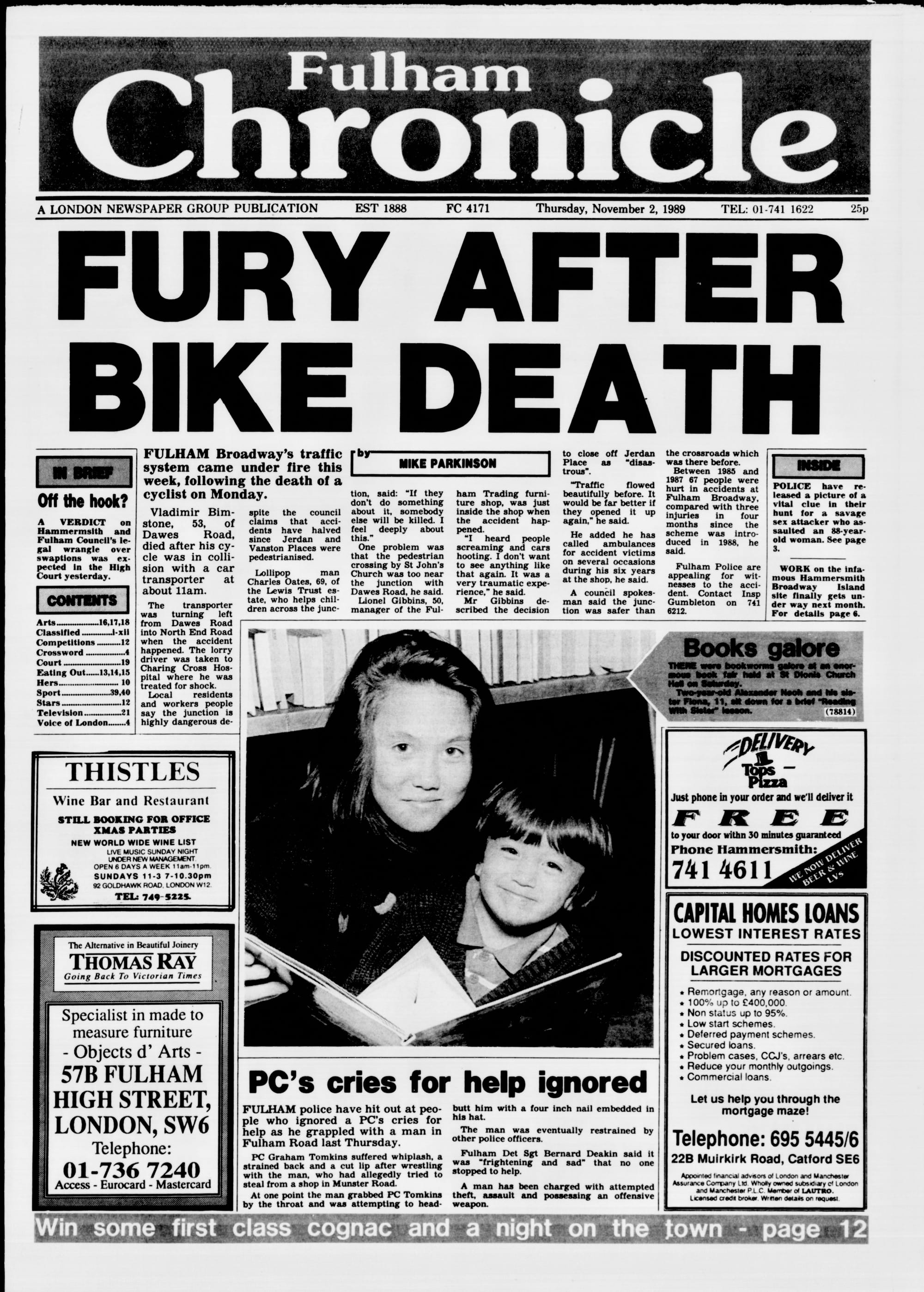
1989, the year Bimstone was killed, was the worst ever for cycling deaths in London on record, an annus horribilis caused in part by unseasonably dry weather and lengthy tube strikes. In the nearly four decades since Bimstone’s death, however, the picture has transformed remarkably. Over the same period as hundreds of thousands more people have taken to two wheels, the number of cyclists dying on London’s roads has cratered. Only six were killed last year, the lowest figure ever (excluding 2020, the pandemic year).
On the surface, this looks like a success story. But the picture on accidents has moved in the opposite direction. 1196 cyclists were seriously injured last year, an increase of 21% in just one year. It would be easy to discount this as simply a product of there being ever more cyclists, yet there were only 13% more cyclists on the roads last year. After decades of progress, cycling appears to be getting riskier. At first, we thought this would be an easy one to solve: surely it's an explosion in e-bikes causing a spate of serious injuries? But we were wrong — and the real explanation is pretty surprising.
Why deaths are at record lows
Let’s start with the good news. Around the turn of the century, fewer than 300,000 daily cycle journeys took place in London. Yet as that number skyrocketed under mayor Ken Livingstone’s administration — congestion charges introduced to central London in 2003, mass cycle lanes announced in 2008 — a curious thing happened. Deaths started to fall.

Hello! Peter, one of your writers, here.
I'm pretty invested in cycling, and when I saw this bizarre contrast between extremely low deaths and rocketing rates of serious injury in London, I wanted to dig in.
For this piece, Kath and I trawled through newspaper archives, collisions data and mapped out e-bike borough boundaries. We spoke to campaigners and the people who design London's road safety.
It resulted in analysis we never expected - and now we offer it up to you.
To read on, please join thousands of other in-the-know Londoners by clicking the button below. Thanks, Peter.
London deserves great journalism. You can help make it happen.
You're halfway there, the rest of the story is behind this paywall. Join the Londoner for full access to local news that matters, just £8.95/month.
SubscribeAlready have an account? Sign In