If that day had gone even slightly differently then the world may never have known. It was 2021. The new headteacher at Whitefield, a special educational needs school in Walthamstow with a reputation as one of the best in the entire country, found a pile of dusty USB sticks in their office. On them were more than 500 hours of CCTV footage of nearly forty children being locked in closet-sized cells, often for hours on end. The images show disabled, autistic children being assaulted, restrained by the neck and thrown to the ground by school staff. Some were left alone without food or water for hours, sometimes in clothes sodden with their own urine or vomit, as they cried and, in some cases, begged to be let out. Most of the victims were non-verbal, unable to explain what was happening to them in the school day after day. It was described by the government’s children’s commissioner as “horrifying” and compared by safeguarding experts to “torture”.
When news of the footage broke, it was a nationwide scandal, one that destroyed the reputation of a school that until then had enjoyed renowned status. The MP Iain Duncan Smith served on the board of the school's fundraising arm and its then executive headteacher Elaine Colquhoun, one of the highest paid academy trust leaders in the country, had received an OBE in 2016 for her work with special needs children.
The isolation cells were closed in 2017, but the anger over their use continues for the families, who feel no-one has taken accountability for what happened, and are now taking legal action against the school and Waltham Forest council for their role in the scandal.
For the last three months we have been digging into what happened at the school, speaking to council whistleblowers and the families of victims, and have accessed 137 pages of internal documents related to the scandal. Our investigation has revealed that the council was made aware of safeguarding concerns in the years before the CCTV footage was discovered in 2021, but did not act. In the years afterwards, it removed references to the school from public meeting minutes and prevented access to official records from those trying to scrutinise its role in the scandal. We can also reveal that the Metropolitan Police has informed the families that at least three people have been arrested for misconduct in a public office in relation to what happened at Whitefield.
Why did it take so long for the abuse to be uncovered?
When Ricardo and Denise Gloria managed in 2009 to get their son David a place in Whitefield — “the best school in Europe” for autistic children like him — it was life-changing. The school offered a path, they felt, “to make him an independent man one day”, and was a place they could trust to keep their son safe. So they thought nothing when Denise, who worked at Whitefield for two years as a teaching assistant, got a vague warning from a colleague about David’s teacher. Or when they were told David was being put in a “calming room” each week — the name made it sound like it was a peaceful place full of books and background music — but only for a few minutes at a time.
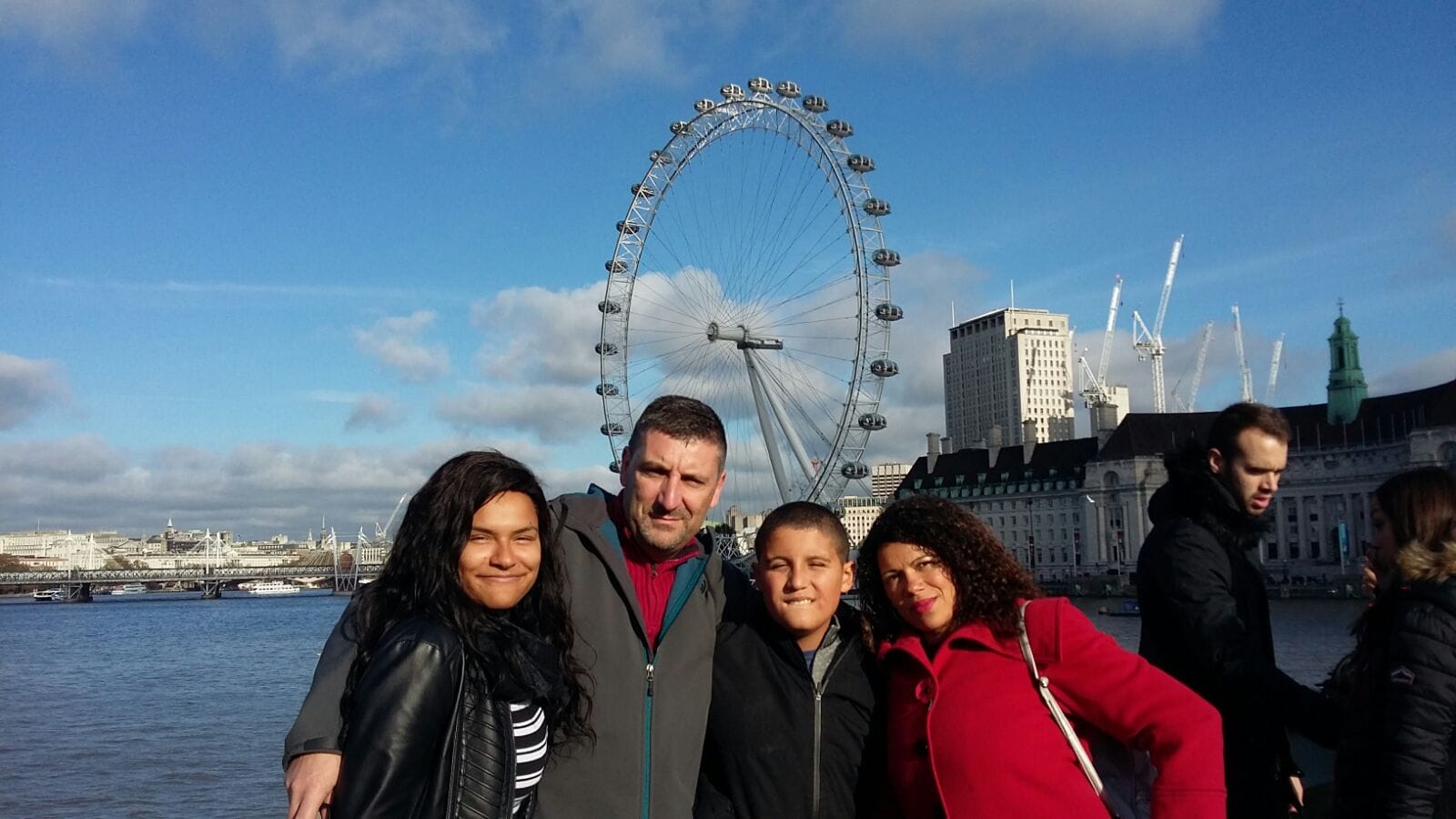
Then one freezing afternoon in March 2015, David came home drenched in sweat and explained to his parents that he’d been locked inside a calming room from 10am until he left school, with no food or water. Ricardo stormed into the school the next day and demanded to know what was going on. The staff casually showed him down a corridor to the “calming room” his son had been locked in. What greeted Ricardo was no bigger than a closet, with padded walls and no windows or natural light. “They put my son in [a] cell,” he says. “At the time, I was a prison officer, so I knew exactly what a cell looks like.”
In the corner of the cell was a CCTV camera. After demanding that the staff show him the footage and a logbook of David’s time in the cell, he pieced together what had happened to his son: he was denied food, water or a change of clothes when the sweltering cell caused him to become drenched in sweat. He was denied a chance to go to the bathroom, forcing him to urinate in the room twice, and still be left for hours in a cell now soiled with his own urine. “It was the worst day of my life to watch that video,” Ricardo recalls. “Never in my worst nightmares would I imagine this could have been happening to my son.”

After that day, he insisted the school never send his son to one of those rooms again. But instead, Ricardo or Denise would come to school to find David in tears, being pinned to the ground by seven or eight staff members. After they complained about his treatment, the school moved to exclude David from the school. In dozens of calls and meetings between 2015 and 2019, the family begged officers from the council who were involved in the process to listen to their complaints, documenting the abuse David had experienced. The family says their pleas were ignored, and David was forced out of the school. (Following publication of this story, a senior officer at Waltham Forest council wrote to us to say they had reviewed their case files and determined that no concerns about David’s treatment had been raised with the council safeguarding services between 2015 and 2019. The officer also said that headteachers and governors make decisions about exclusions, and the local authority has no role in them).
In the years since he left Whitefield, David still can’t be touched by men, even his own father, without starting to scream. “It’s a self-protection mechanism,” Denise says. Now in his 20s, David has been diagnosed with PTSD, anxiety and depression. When he joined the school, David was relaxed, happy and intelligent. Now the days where his outbursts are manageable are getting rarer. Denise has been forced to care for him full-time. “They destroyed my son,” Ricardo says. “They destroyed our future.”
At the time, the family thought they were the only people worried about the school’s use of calming rooms. They were wrong. The year after Ricardo first raised concerns about what was happening to his son, officers at Waltham Forest council had decided to hire a charity called the British Institute of Learning Disabilities — or BILD — to help improve practices at Whitefield and other local schools. The charity discovered the calming rooms and the logbooks detailing how they’d been used repeatedly, targeting individual pupils. Its July 2016 report, which has not been previously disclosed, criticised the use of the rooms, noting with concern that they had been used 41 times for just two children.
This story is free to read. You just need to sign up to join The Londoner's mailling list. And why wouldn't you? You'll get our journalism in your inbox the second we publish, keeping up to date on this and all our stories. No card details required.
Already have an account? Sign In