We think that honest, in-depth reporting on our city is essential. Agree? Then sign up for two free editions a week from The Londoner, including a comprehensive Monday briefing and a weekend long-read like the one below.
At around 4.50pm on October 3 2024, a prison officer on her rounds at HMP Pentonville peered through the window of a cell on landing 4, G-wing, and spotted prisoner Peter Campbell lying on the bottom bunk, legs outstretched and a line of drool coming from his mouth.
After unlocking the door, she and another officer tried shaking Peter, but he was unconscious. Earlier that day, Peter had inhaled a huge dose of the highly dangerous synthetic cannabinoid known as spice, causing a massive cardiac arrest. Five days later, he died. He was 36 years old.
Peter’s death in the state’s care would be concerning enough on its own. But he was one of seven prisoners to die at Pentonville in the year from October 2024 to October 2025. This was nearly quadruple the number in the previous year, and higher than any other London prison in the same time period. The average annual rate across England and Wales is 3.75 deaths.
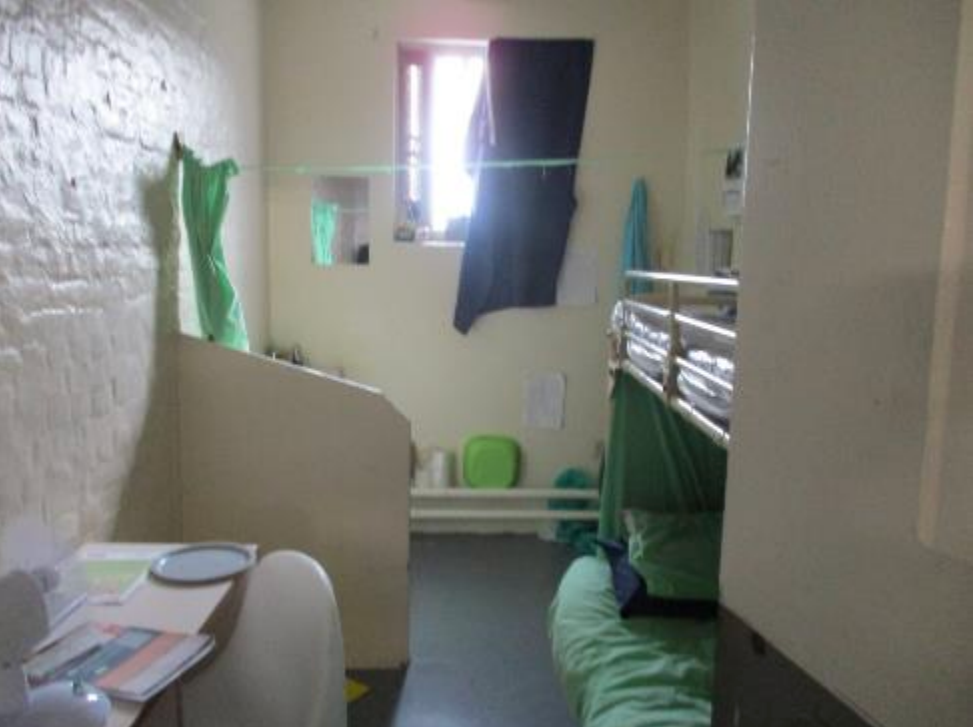
This figure was one reason why, in July last year, the chief inspector of prisons raised the alarm about conditions in Pentonville. The crumbling, vermin-infested Victorian building is overcrowded — currently at 133% capacity — and regularly sees staff shortages. Drugs are endemic.
It isn’t a new issue: in 2015, justice secretary Michael Gove called Pentonville the “most dramatic example of failure” within Britain’s prisons estate. And in 2017, the independent monitoring board for the prison described conditions as “squalid” and "inhumane”. But since then, the situation only seems to have worsened.
Why are the prison’s failings so severe? And what’s to stop them from happening again? I looked into the cases of two of the men who died to try to understand.
‘He wasn’t able to cope with prison’
In early 2026, I attended back-to-back inquests at Bow Coroner’s Court. Tucked inside a run-down former registry office, the courtroom was painted insipid lemon yellow. Interested parties sat cheek by jowl with witnesses and the public — usually just me.
There, I met Ricky Campbell, Peter’s younger brother. He was the kind of person whose face naturally defaults to smiling, and spoke a mile a minute. Peter should never have been inside such an “awful, awful prison” in the first place, Ricky told me. “My brother was an addict. He needed to be in hospital.”
Growing up in Holloway as one of nine children, Peter had matched his brother in energy. Ricky was close to Peter when they were kids, telling the coroner: “Wherever he would go, I would go.” He loved playing football and was “Gunners all the way”, Ricky assured me. When Peter was able to, he found sporadic work as a painter and decorator.

Aged 20 he served his first prison sentence. He was already using alcohol and cannabis, along with heroin and crack cocaine. That year, Peter was diagnosed with schizophrenia. Peter’s mum had also struggled with the illness, along with her own drug problems, and died when he was 21. Over the next 15 years he was frequently arrested and sectioned under the Mental Health Act. He often slept rough, and though he had periods of living in supported accommodation, he was never able to make these arrangements stick.
When Peter was sent to Pentonville in April 2024 on remand facing ten burglary charges, he was put on G-wing, the largest in the prison. Infamous for chaos and violence, it has been nicknamed the Gaza Strip, and is known to hold gang members and drug dealers. Each landing has two officers supervising 50 cells with roughly 90 prisoners. “That was not the right environment for him,” Ricky said. “Drugs are so available in there, he was able to feed his habit.”
Peter had overdosed several times since being moved to Pentonville. He was also assaulted at least once. Though Peter was receiving injections of anti-psychotic medication, he was not acutely psychotic and thus did not qualify for the prison’s in-patient wing, let alone transfer to a secure hospital.
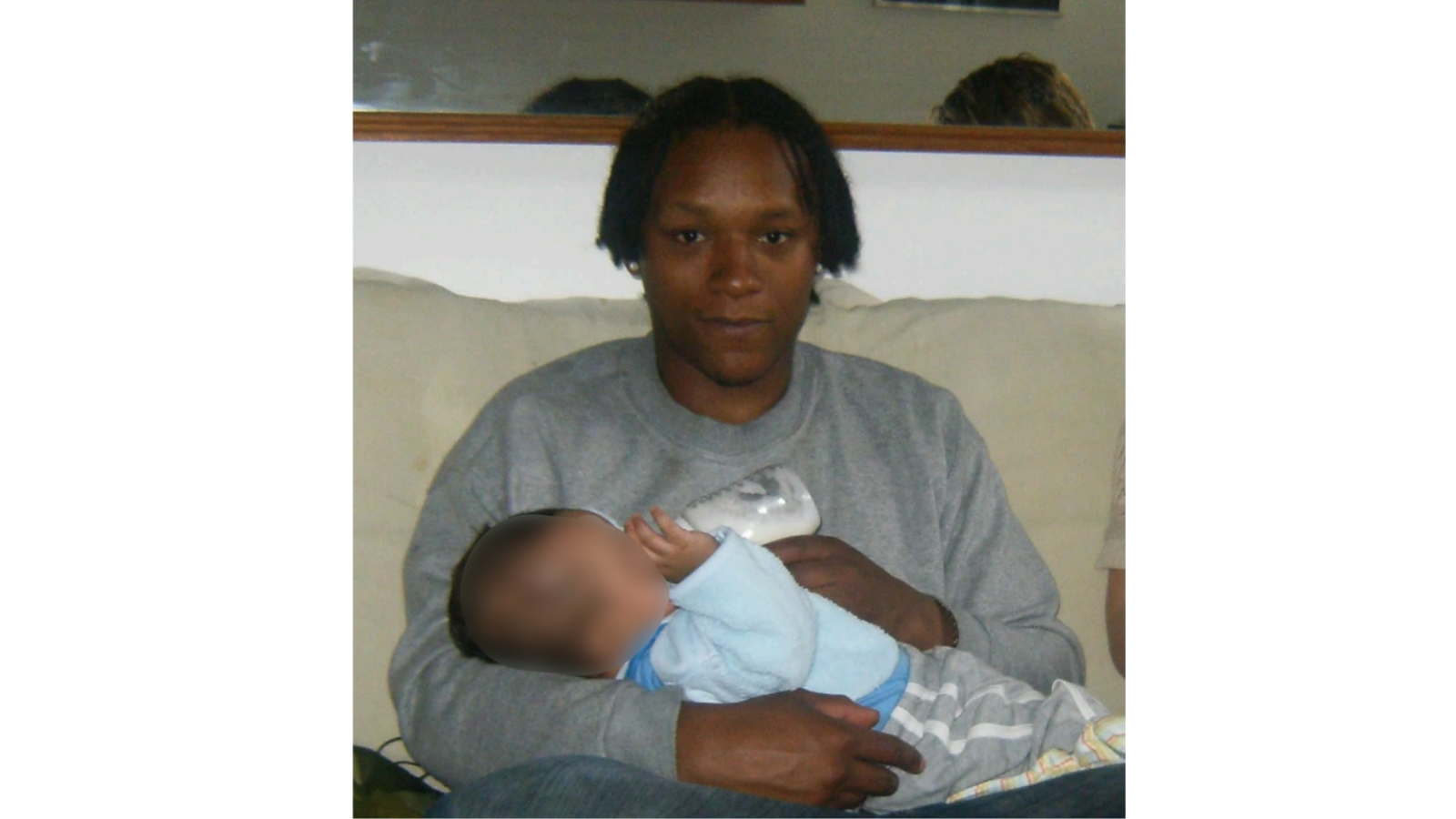
Peter had traded everything he had for spice, including his kettle and TV. Ricky explained, looking pained, that even though he spoke to his brother multiple times a day, he couldn’t send him money: “It would only feed his addiction.”
Nick Walmsley, who was in charge of the prison’s security in 2024, told the coroner that spice is perhaps the most dangerous substance he has ever seen. He spoke with frustration: “We mostly know what cannabis does to people, but spice, we’re not absolutely sure. You get a bad batch coming in, and it causes chaos.”
At the inquest, prison officers recalled that around the time of Peter’s death a particularly potent batch had been making its way around the wing — they knew this because there was a sudden spike in spice overdoses. Peter’s cellmate, appearing in court via video link, agreed it was probable dealers were using Peter to test new batches of spice. An officer said she had counselled Peter to use less risky cannabis if he couldn’t stop completely. He told her that he couldn’t afford it, saying: “If I die doing it, I die doing it.”
A mental health nurse who often visited Peter told the coroner through tears: “He was a very lovely person. He wasn’t able to cope with prison.” She explained that Peter seemed amenable to giving up drugs and was showing signs of cutting back. “He was really keen to stop. He told me he wanted to go back to work, to be in supported living.”
Peter was known to the prison’s intervention teams, but the jury found they had failed to provide any meaningful interaction with him after his previous overdose in September. When a recovery worker from Phoenix Futures, the prison’s drug rehabilitation service, visited Peter just two days before his fatal overdose, she saw him for less than five minutes. They spoke through the window of his cell door with his cell mate listening, and she left Peter with a leaflet about self-referring to their services. She didn’t come back to check on him.
When I asked Phoenix Futures about this, they told me: “We have carefully considered the concerns raised by the coroner and reflected on their relevance to our practice in order to identify improvements we can make to the service.”
Ricky and his siblings sat with Peter in the hospital in October until his death. Reading the family’s statement at the inquest, he told the jury: “Peter deserved better than the system gave him.”
After the inquest, the coroner published a prevention of future death report, addressed to senior ministers as well as the prison service. She wrote with concern about the prison’s failure to stem the tide of drugs: “There is a risk of prisoners leaving prison in a worse state than when they went in.”
Hi, I'm Hannah, the editor of Mary's story about the shocking deaths at Pentonville prison. This piece required a huge amount of work from both Mary and me: going to inquests, speaking to families, submitting FOIs, meticulous fact-checking, condensing hours of interviews. It takes a lot to try and boil down the problems with London's most notorious prison into a few thousand words.
But we're only able to do real stories like this, and avoid the clickbait rubbish that fills the rest of the press, because of our paid supporters. While today's story free to read, we still need your support to stay afloat. Please consider making the leap to becoming a paid subscriber to The Londoner for as little as £7.45 a month.
Christmas inside
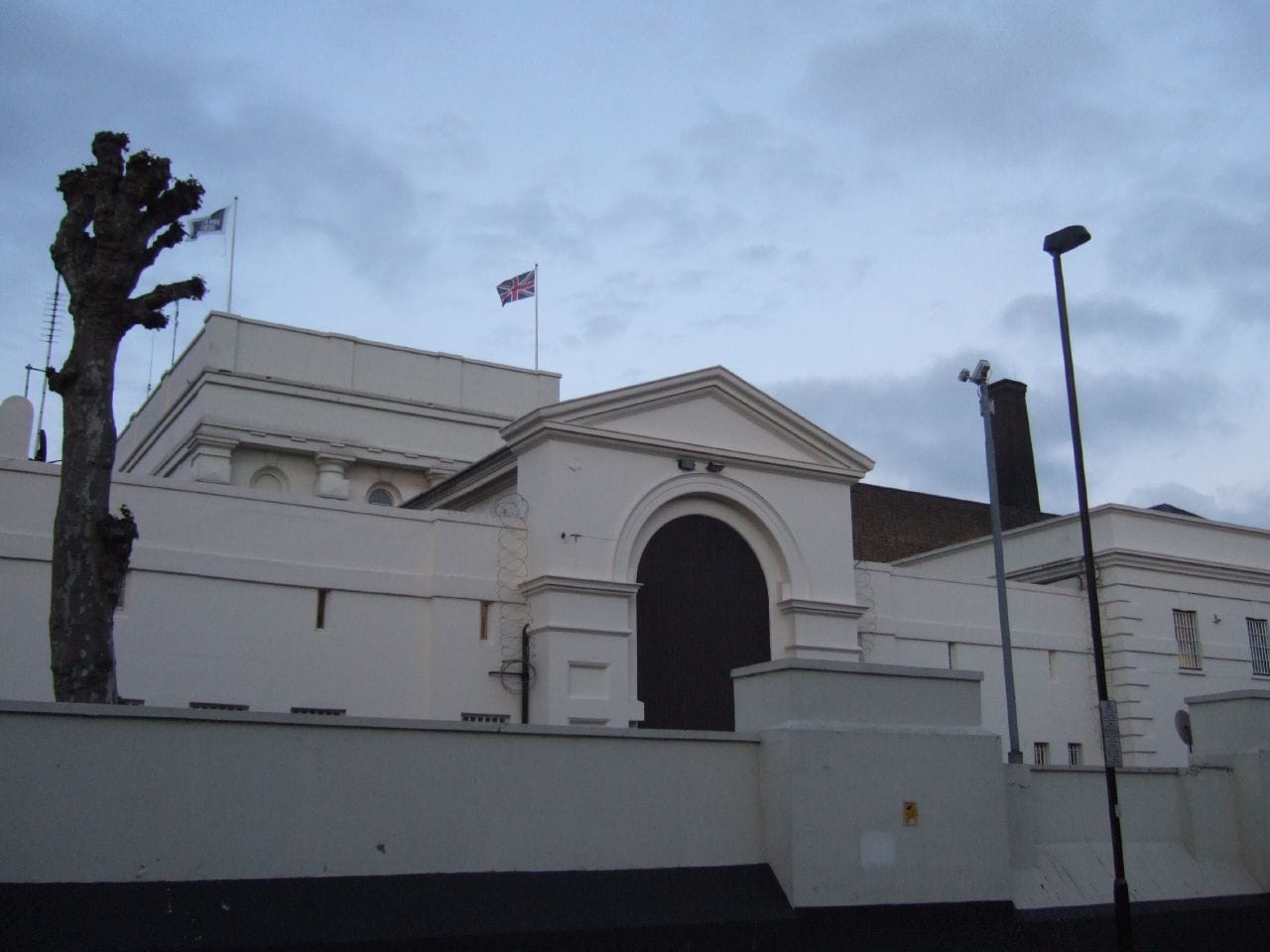
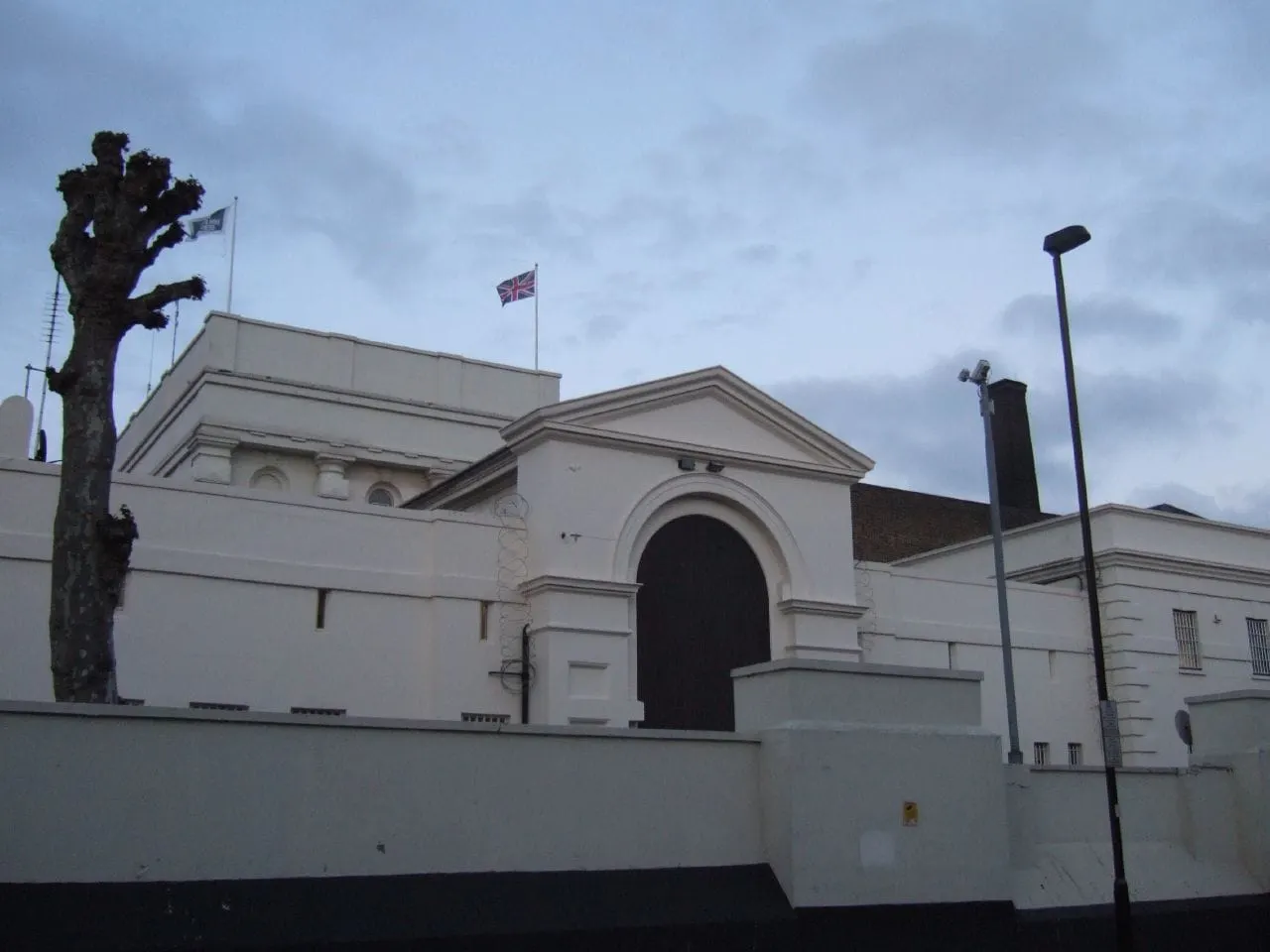
Built in 1842, Pentonville is a category B and C prison, which means it functions as a local prison for men on remand (awaiting trial) and as a training prison for men serving long sentences.
The imposing, Grade-II listed building is crammed with around 1,200 men. It is also overpopulated by cockroaches, rats and flies. Last year, inspectors noted the men frequently spent 22 hours a day locked in “squalid” cells originally designed for one occupant. In July 2025, chief inspector Charlie Taylor wrote that prison leadership was “failing to ensure even the most basic standards were maintained”.
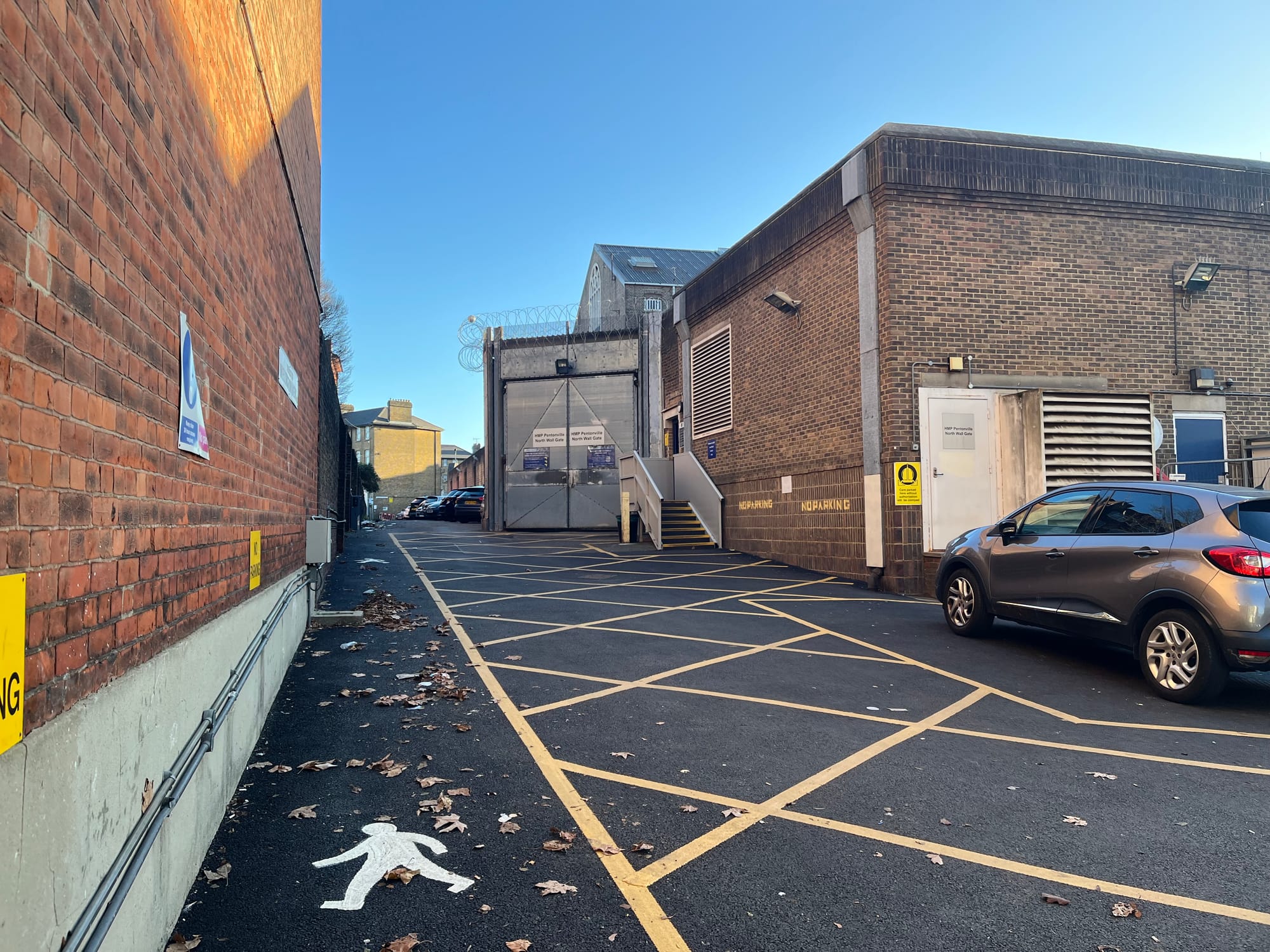
Though Pentonville is in Zone 2 — you can get a pretty good view of it from the top deck of a bus going down Caledonian Road — most Londoners have little idea what goes on inside. On Christmas morning 2025, I had the rare opportunity to visit. I walked from my flat through the quiet streets, passing a man in pyjamas juggling four bottles of fizz and two rough sleepers huddled against the cold.
I was a guest of one of the prison chaplains, Reverend Jonathan Aitken. (And yes, he is the former Tory cabinet minister who served seven months at Belmarsh in 1999 for perjury.) After passing through security, I was escorted to Pentonville’s high-ceilinged chapel for the Christmas Day service.
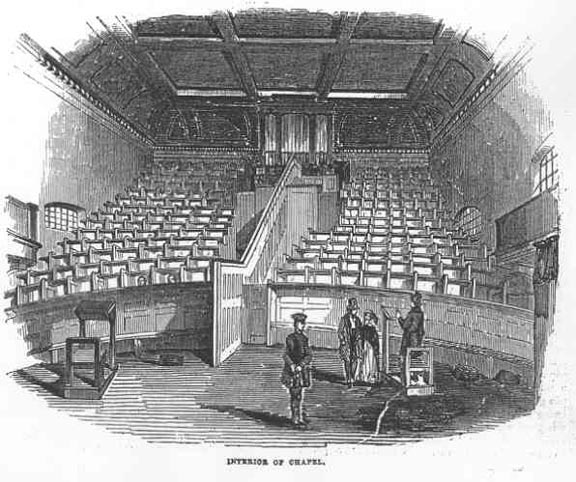
There, I chatted to a bespectacled inmate named Aaron, who summed up life in prison as he passed out leaflets: “Imagine sharing a disabled toilet with another person. That’s what it feels like.” He had served 20 months on remand and been released on bail, before receiving his sentence and returning inside.
I watched as prisoners in grey tracksuits were frisked by officers with metal detectors and made their way to the pews. Wearing a glittering golden robe and holding a tall staff that served as his walking stick, Aitken shook the men’s hands as they entered. He looked a little like depictions of one of the magi in Bethlehem.
During the service, I perched awkwardly at the back of the chapel, between an officer and a big green button she would push if things kicked off. The men seemed generally chirpy, especially when tiny cups of communion wine and wafers were passed around. But there was gloom in the air: the only people who choose to spend Christmas in prison are chaplains and journalists.
This story is free to read. You just need to sign up to join The Londoner's mailling list. And why wouldn't you? You'll get our journalism in your inbox the second we publish, keeping up to date on this and all our stories. No card details required.
Already have an account? Sign In