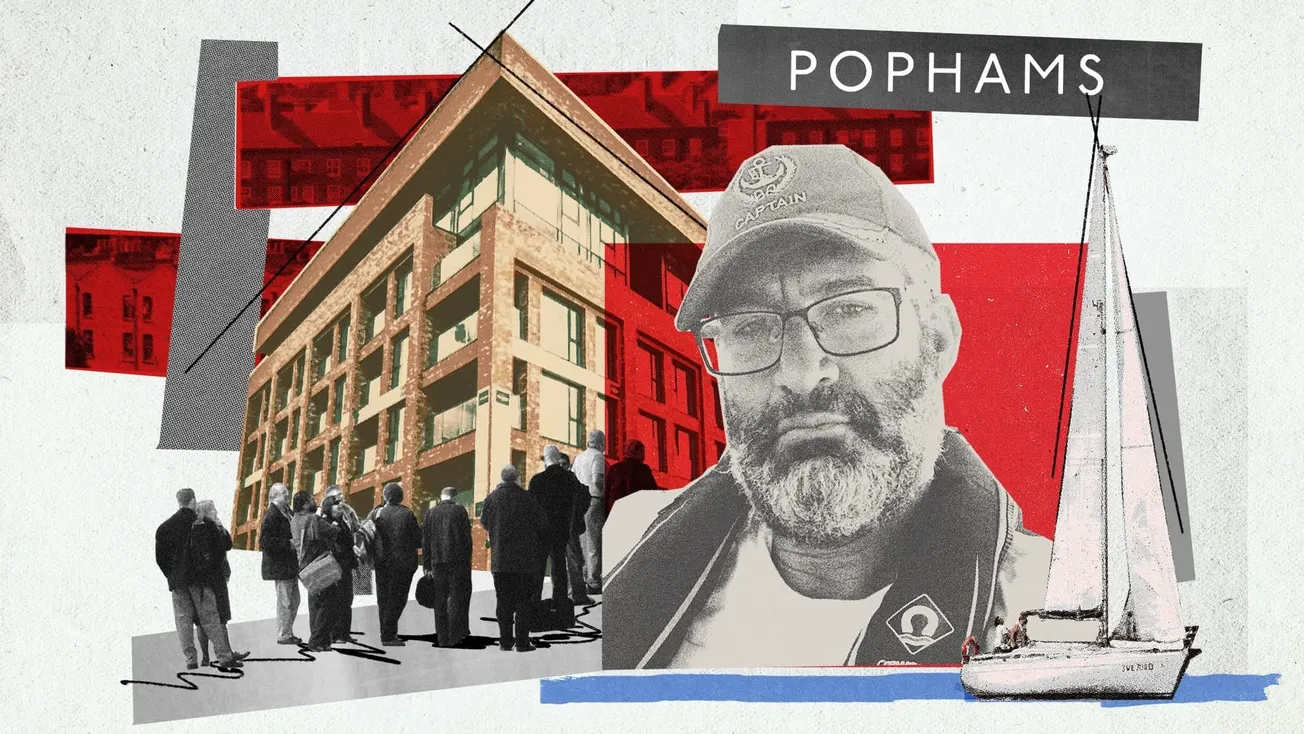
Well before sunrise on 20 April, as the city slept, a baker arrived at the doors of Pophams in London Fields, to begin the early shift. It’s the invisible start of a carefully choreographed operation that ensures baked goods are shipped to the three different outlets of Pophams, one of London’s most popular bakeries. But on this particular morning something was wrong. They arrived to find a notice on the door: “Any attempt to re-enter the premises without the Landlord’s authority may be a criminal offence”. The building’s owner had drilled screws into the locks.
Their landlord claimed the business owed over £200,000 in disputed service fees. Now, without warning, Pophams’ most valuable site, the café and industrial bakery that underpinned its operation across the city, would be inaccessible until they paid up.
🎁Stuck for a present? Gift The Londoner, with a big Christmas discount!
No wrapping, no queues, and you’ll be supporting local journalism while you’re at it. Choose three months, six months or a year, add a personal message, and schedule it to arrive on Christmas morning (or whenever suits you). We’ll take care of the rest!
Got loved ones in another city? Our sister papers’ gift subscriptions are discounted too!
Pophams’ co-owner Ollie Gold was remarkably composed. “We weren’t able to get into the unit, but we are positive we will at some point tomorrow,” he wrote on a company app. “We will absolutely get this sorted, and Pophams will be stronger on the other side.” Concerned that the business would fail without any baked goods to sell, he agreed to pay the owed fees, only to be told by the landlord he would have to agree to a ten-year lease with punitive stipulations first. Instead of signing, Pophams decided to take the landlord to court to try and regain access to the bakery under the terms of the lease they’d already agreed.
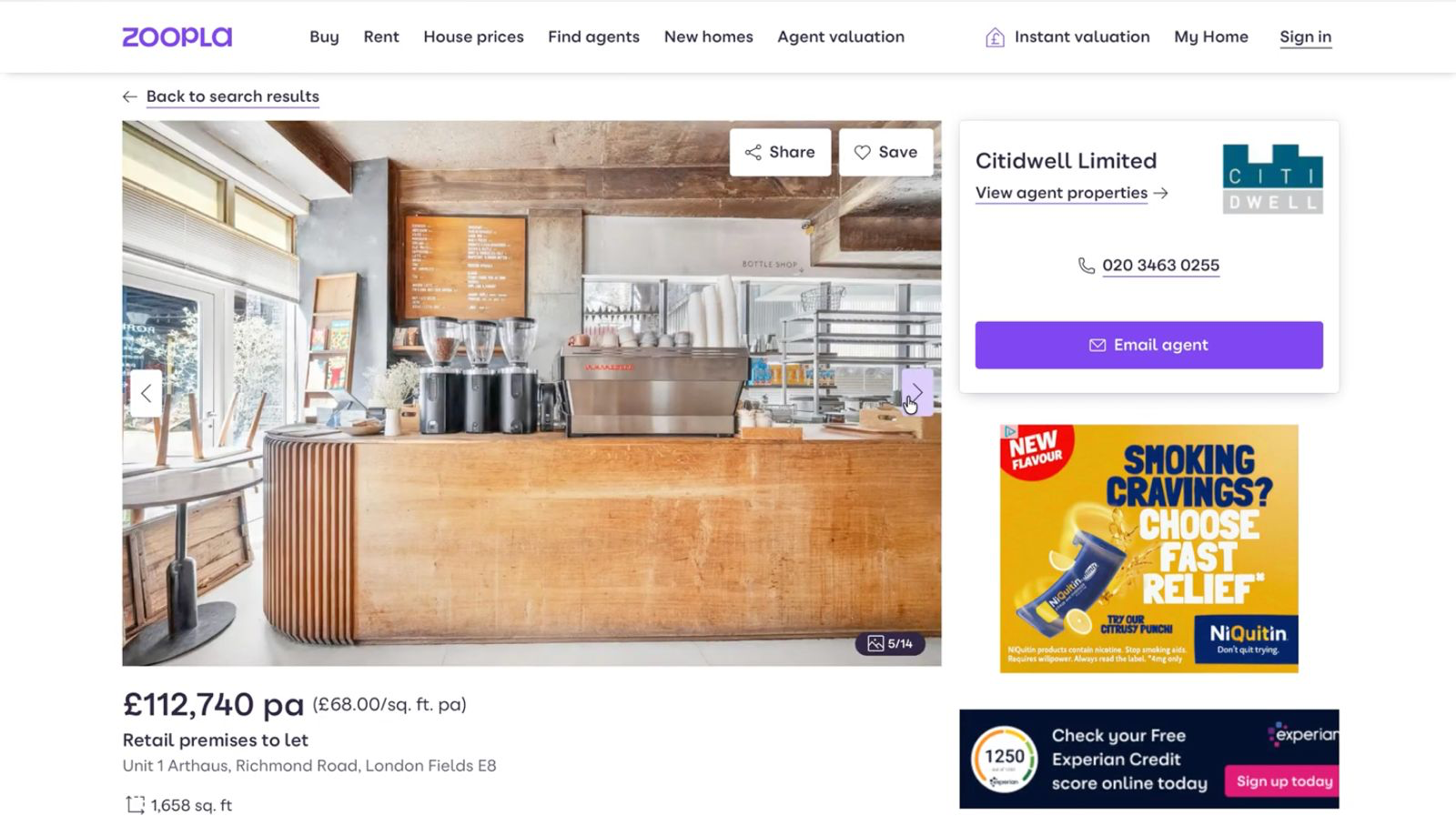
The next few weeks passed in a blur of sleepless nights and anxiety about the future for employees and management. Staff cobbled together a surprisingly inviting streetside café outside their now-shuttered bakery with just enough products to have something to sell, thanks to borrowed kitchen spaces and equipment. They watched as the site was listed on Zoopla, with promotional photos showing the bakery suspended in time, coffee beans still in the grinder. No-one was allowed into the London Fields site to switch off the ovens, which stayed on inside for two weeks. Thousands of pounds of stock was left to rot.
As the legal case burned on, the landlord would send over another document for the owners to sign, this time a private licence for its outdoor space, where the bakery’s furniture had sat without incident for the last seven years. Now the owner of the building was demanding a fee to let the bakery use it, in the form of roughly £10,000 of store credit — essentially a croissant budget for him and his associates.
Eventually, on 3 August, the court reinstated the lease, and Pophams staff were allowed back in. It took days to clean up. And the court’s verdict said nothing of the service charge; over £200,000 was ultimately paid to the landlord. Between the legal costs, service fees and the lost business, it was a devastatingly costly episode that might have sunk a smaller operation.
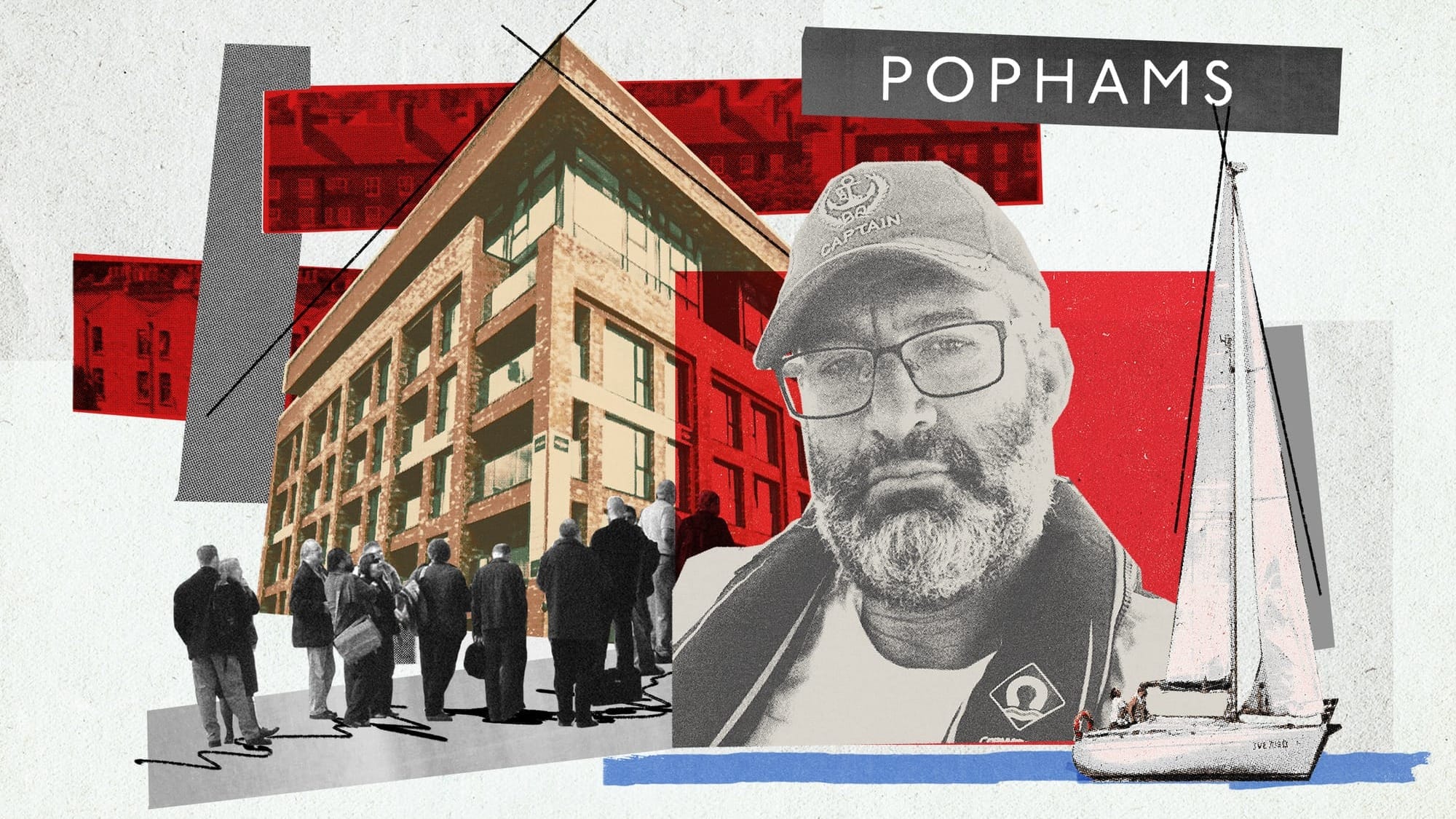
As an employee of Pophams for the past seven years, Helen, one of the writers of this piece, had a front-row seat to many of the events in this story. But it was only when she came to The Londoner with a plan to dig deeper that we discovered more about the man at the centre of it.
His name is Assaf Laznik, and he is a heavy hitter in London property, who is behind a swathe of high-end, medium-rise blocks all over Hackney — usually home to a mixture of wealthy residents and the types of trendy businesses any regular visitors to the borough would recognise. In 2017, his long-time business partner David Pollock told the Wall Street Journal: “I hate the term hipster, but I suppose that is who it is aimed at.”
Despite his huge role in shaping the area — and at least 19 luxury developments across London — Laznik has almost never been named in the press, except in his native Israel where he reached a settlement to avoid prosecution in 2015 after failing to promptly notify investors about a major deal.
For the last few weeks, we’ve been visiting properties, analysing hundreds of documents related to his various businesses and interviewing over a dozen of his residents, commercial tenants and former staff. Some even called The Londoner unprompted after hearing we were doing an investigation. We heard stories of luxury newbuild blocks that were covered in flammable cladding, where the pools were drained and abandoned, or residents left without running water for almost two weeks — while Laznik would post on social media about his yacht holidays.
This story is free to read. You just need to sign up to join The Londoner's mailling list. And why wouldn't you? You'll get our journalism in your inbox the second we publish, keeping up to date on this and all our stories. No card details required.
Already have an account? Sign In