It was a dark, dreary Thursday night when Ken Greig first met the “politburo” of Borough Market. It was the mid 1990s, and Greig, an architect, had been asked to come to the ornate boardroom above the market to discuss saving Borough from total collapse.
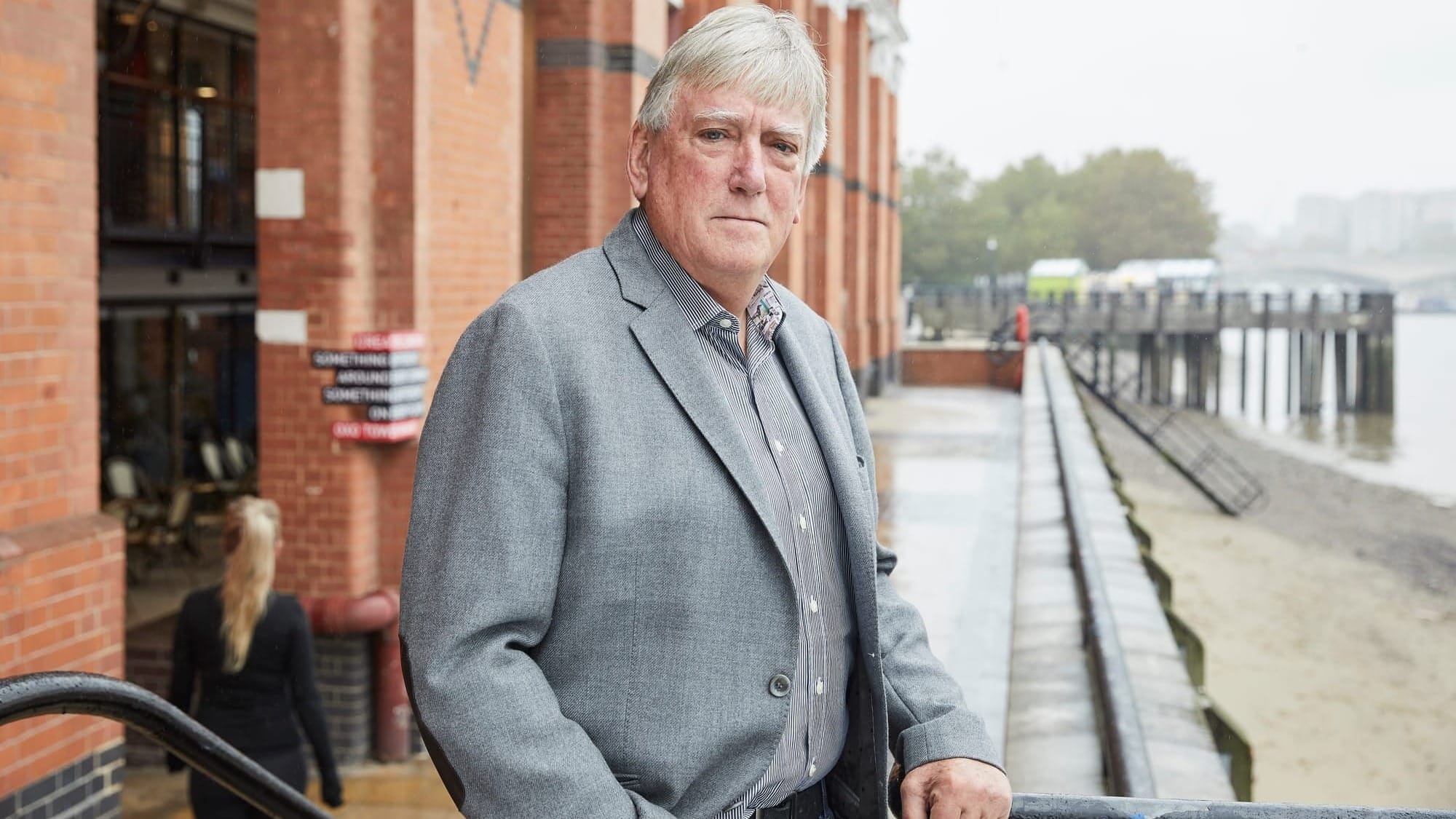
Opposite Greig that evening were the trustees: 21 dour, middle-aged men, a ragtag collection of the kind of old Labour party socialists that by the 1990s were an endangered species. And at their head was George Nicholson, an imposing former Greater London Council (GLC) politician and an anti-gentrification campaigner who had spent the last few decades reshaping south London.
You almost certainly don’t know Nicholson’s name, but you will have felt his influence. He’s the reason why mixed-use housing estates still exist in the likes of Paddington, Waterloo and Euston; why there’s a Thames-side beach by the OXO Tower; and, in his most visible and influential project, why thousands of people flock every day to a Victorian market hall in SE1.
The reason for this began in 1996, when Nicholson had become chair of Borough Market with a mission to save it from oblivion. And for that, he needed the help of Greig, who had been the architect behind the successful redevelopment of Leeds Market.
That fateful evening, the two of them hatched a plan to completely reshape the entire future of this iconic London institution, turning it into the capital’s first public-facing food market and, eventually, the tourist-enticing money-spinner it is today. But who was this socialist campaigner who silently influenced the city’s future? How did he do it? And why do friends feel like his dream has been lost?
A market in crisis
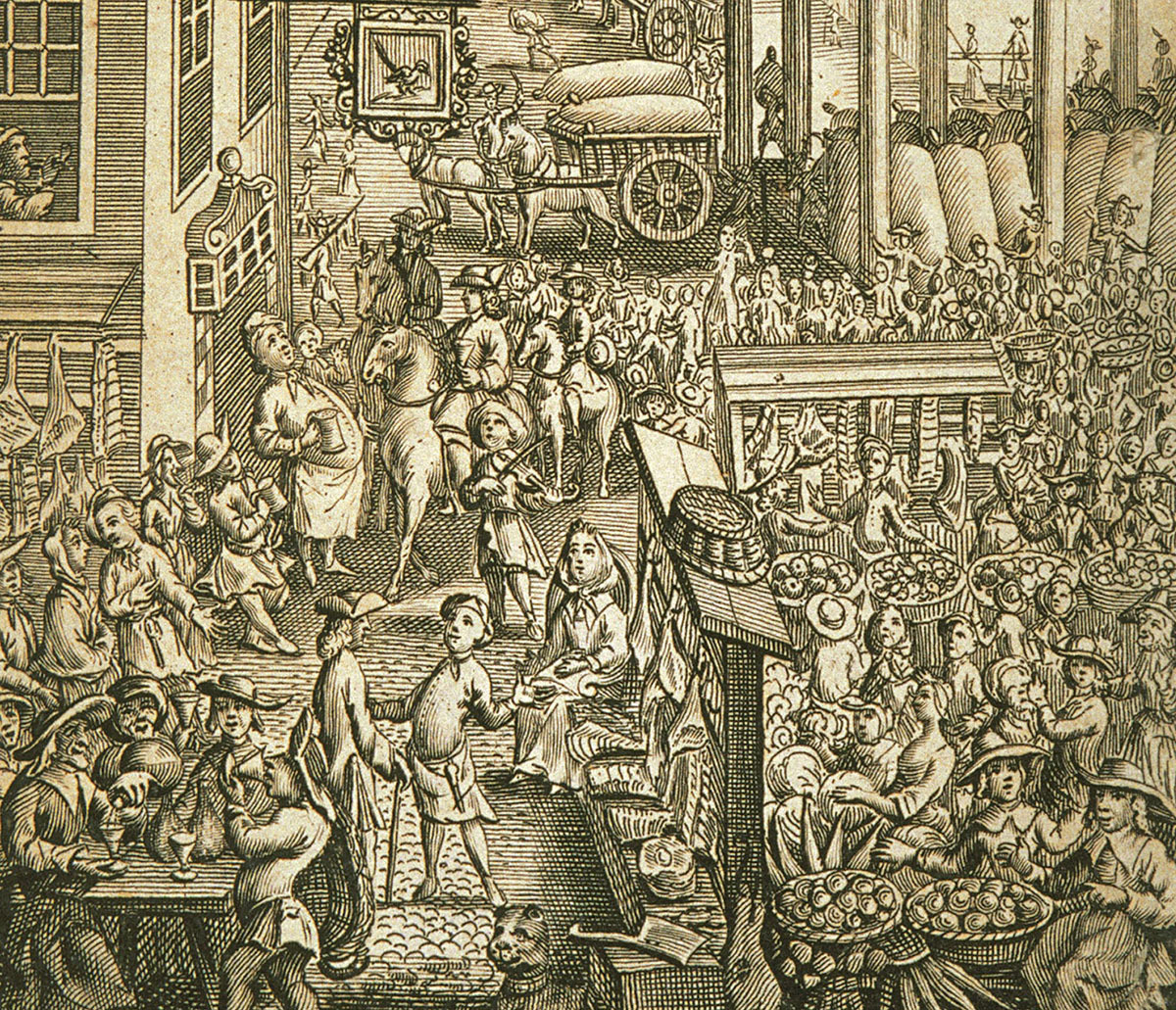
Borough Market, in its modern form, arrived in the mid-18th century. That year, local businessmen had tried to shutter the market as it “obstructs much trade and commerce”. Furious Southwark locals raised £6,000 (over £1 million today) to buy “the triangle”, a small section in the middle of the modern site to safeguard their market. Following this in 1756, it was protected by an Act of Parliament that decreed it would stay a market “for the use and benefit of the parish forever”.
The arrival of a major railway station at nearby London Bridge in the 19th century turned it into one of the capital’s main wholesale produce markets, with money spent on building the cast iron structure that still covers the market today. It was a status it held well into the 20th century.
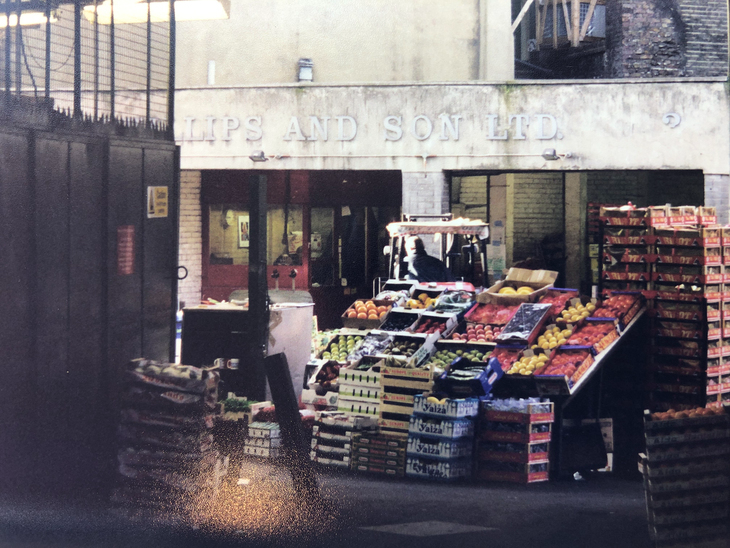
But by the time Nicholson and Greig came to its rescue, the market had gone into decline. Unlike today, it only sold wholesale produce aimed at restaurateurs or shop owners, but with changes to supply chains, demand had plummeted. Just five grocers’ stalls continued to ply their trade at that point, selling to businesses before dawn. Afterwards, most of the market space was repurposed into parking. The decaying cast iron Victorian structure leaked and dribbled soot on its few visitors and was infested with rats the size of boxes.
But unlike the buildings that surrounded it, it was still, legally, a community asset, protected from redevelopment. And for that immunity to continue, it had to stay as a market. Something had to be done to keep trading alive. The only problem was that its 21-person board of trustees — by then populated by community campaigners and Labour Party bigwigs like Nicholson — were struggling to work out exactly what.
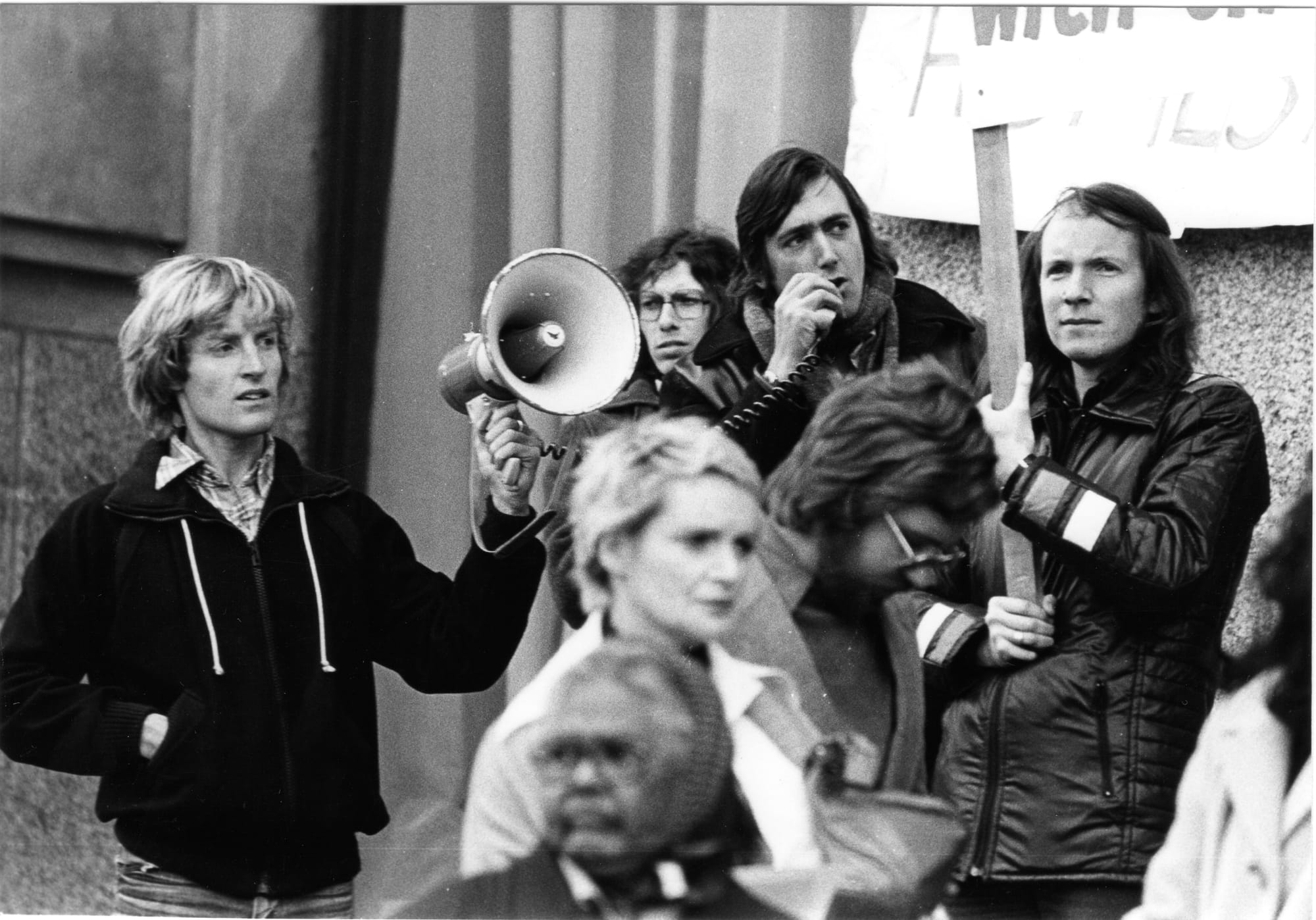
It was Nicholson who came up with the solution. Born in south London in 1946, he returned to his beloved Southwark in the late 1970s following a stint in the merchant navy and became a community activist. In old protest photos from the time he’s immediately distinctive — the straight, messy hair and intense expression.
“Londoners at that time thought that the river was a straight line,” says Iain Tuckett. A close friend of Nicholson, he's also the director of Coin Street, a series of housing cooperatives across the Southbank that own everything from big estates to the OXO Tower. “You either lived in London proper, which was north of the river, or [in] the south, which traditionally was the place where people put the things that weren’t quite right.” By “not quite right”, he means it was home to brothels, abandoned industrial land and disused warehouses, alongside cheap housing for the city’s poorest.
In the 1970s and 80s, however, this began to change. Developers became increasingly set on clearing and rebuilding the South Bank; former warehouses would frequently burn to the ground under mysterious circumstances only for the land to be sold to office-building developers just days later.
Nicholson battled against the developers, first as a campaigner, then as a councillor, and eventually as a senior member of the Greater London Council (GLC). While property speculators wanted to turn the area into vast swathes of offices, he was resolute that the council blocks and homes that populated those areas had to be protected, not just for the sake of residents, but for the sake of the city. If its centre was not surrounded by a “life belt” of mixed use areas lived in by real people, he argued, any vibrancy and soul left in inner districts would disappear.
Nicholson worked on dozens of campaigns, including the one that created Coin Street, and left a legacy of thousands of homes for working Londoners in his wake. In 1996, a decade after the GLC was abolished and he left frontline politics, he became the chair of Borough Market, which he lived next door to.

Hi, I'm Andrew, the author of today's story about George Nicholson and the forgotten history of Borough Market. And I'm the one who has been tasked with breaking the news that today's piece is behind a paywall.
Frankly, pieces like this – 0ld school, deeply reported journalism – takes a lot of time. We're only able to do real stories like this, and avoid the clickbait rubbish that fills the rest of the press, because of our paid supporters. But to make sure we're able to keep doing that we need more of you to get behind us to try and bring back proper journalism to the capital.
Join us for just £7.45 a month (if you pay annually), and get all our news, features, briefings and investigations for half price. Plus, you'll be supporting the sort of reporting that actually gets out from behind a screen and into the streets, taking you into the nooks and crannies of your city.
In Nicholson’s mind, the answer to reversing Borough Market’s fortunes lay in the history of the area. For centuries, the stretch of the river between London Bridge and Tower Bridge had been where all the shipped in grain and foodstuffs had been unloaded.
In an echo of this, his idea was to get in artisan butchers, farmers and other food producers, turning the dying wholesale market into one aimed at the general public — a phenomenon common across Europe but that had yet to hit London. “George came up with this strap line, that we could be ‘London’s Larder’,” explains Greig, a direct, grey-haired Scotsman with an enthusiasm for long asides.
Nicholson decided to use the limited funds they had to launch an architecture competition to design the new future of the market and, more importantly, build momentum behind the idea of reshaping Borough and help coax in potential funders. That competition brought him and Greig together. But before they could realise their vision, they needed proof it could work.
London deserves great journalism. You can help make it happen.
You're halfway there, the rest of the story is behind this paywall. Join the Londoner for full access to local news that matters, just £8.95/month.
SubscribeAlready have an account? Sign In