Pick of the month
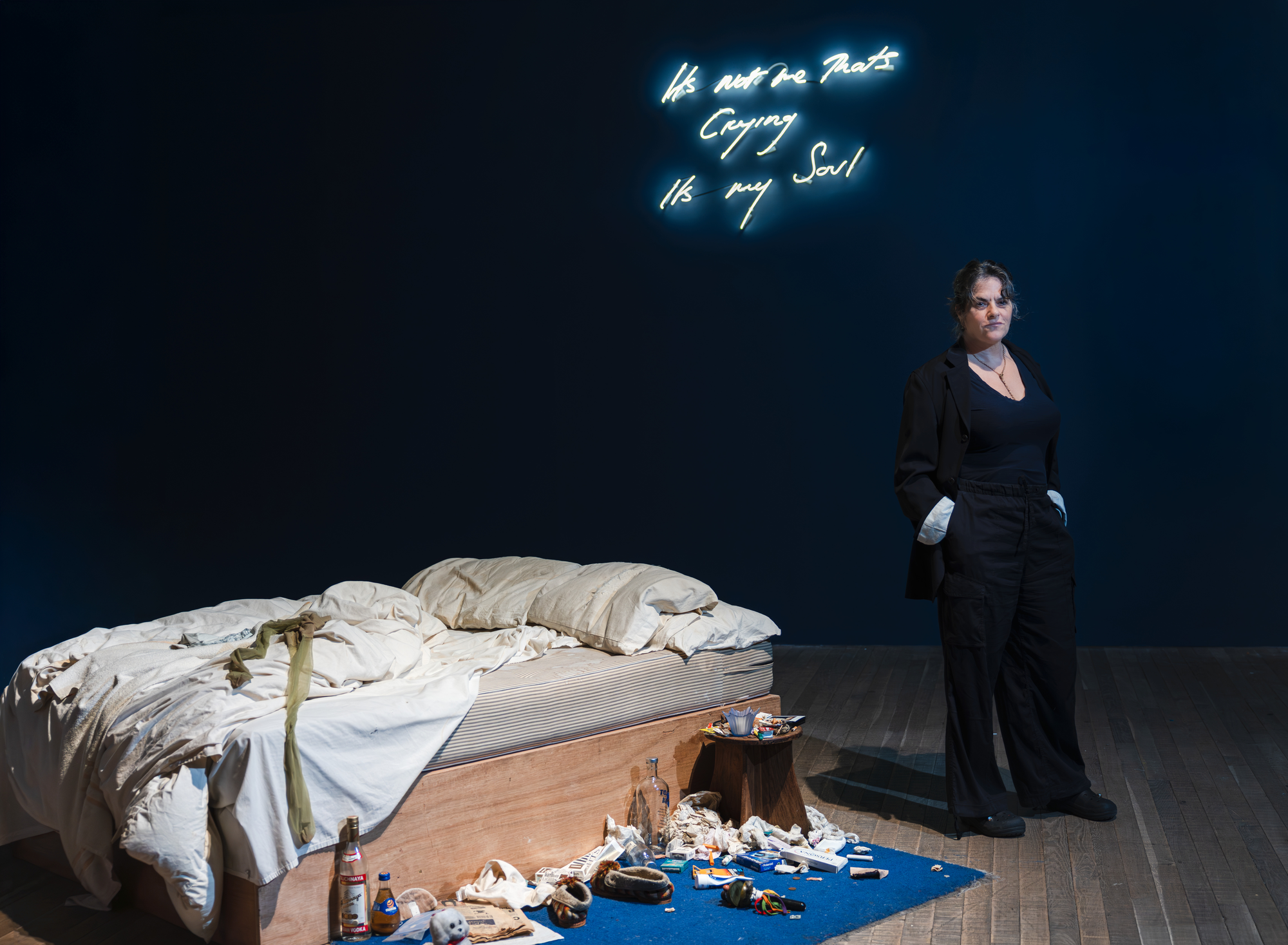
Bed, Margate, sex, abortion, booze, blood: ask a random sample of strangers on the street what they know about Tracey Emin, and they’ll probably give you a variation on these themes. Emin — though there is the impulse to call her Tracey, as if we share some intimacy with her — is perhaps the last truly, colossally famous British artist.
She has her peers, of course, in the YBAs groomed for renown by Charles Saatchi in the early 1990s, your Damien Hirsts and your Sarah Lucases. But out of all of them, Emin is the only true celebrity. Her face is as instantly recognisable as a Warhol print, the eyebrows arched; the lips fixed in a wry, lopsided smirk; the eyes dark and intense and roiling in the way of a sea at night.
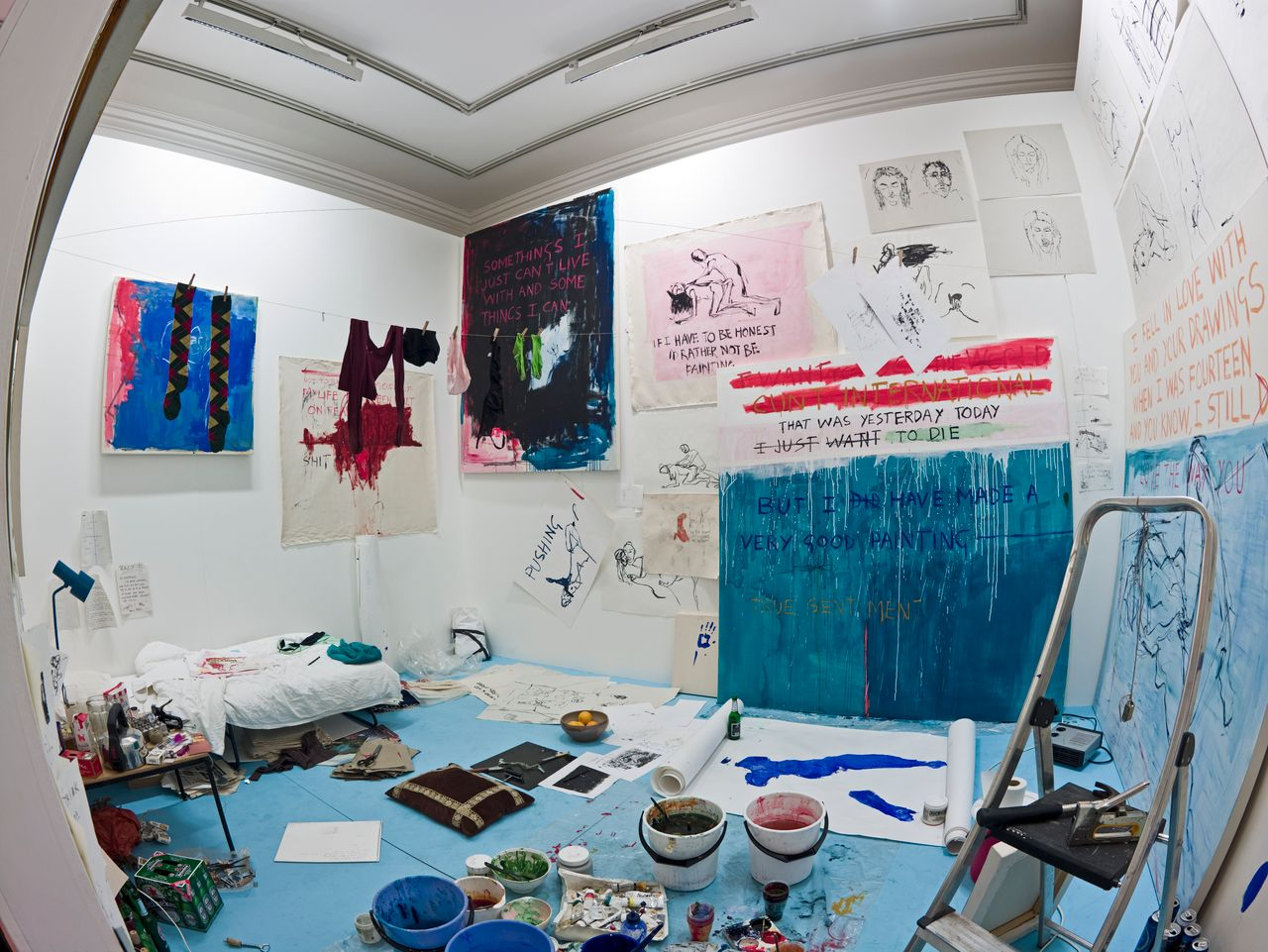
The reason why Emin is so individually famous, even among those who don’t keep up with art, the reason why people know My Bed over Hirst’s formaldehyde sharks, is that she has always dissolved the boundary between biographical detail and creation. While all artists put some of themselves into their work, with Emin it has often felt that the grand objective, the enduring project, has been to put as much of herself in there as possible.
This tactic can be a double-edged sword: while the prurience of viewers can translate into interest and fame, it can also mean your work is misconstrued as unartful, unskilled. Confessional art, particularly by women, has always carried this stigma. To believe this is to conflate the slash from stepping barefoot onto glass and the precise incision of a surgeon: after all, aren’t both a form of bloodletting? It is the same reason that, even today, a poet like Sylvia Plath (and it is no coincidence that she, too, is perhaps the most famous poet of the 20th century) is dismissed as merely pouring her feelings onto the page.
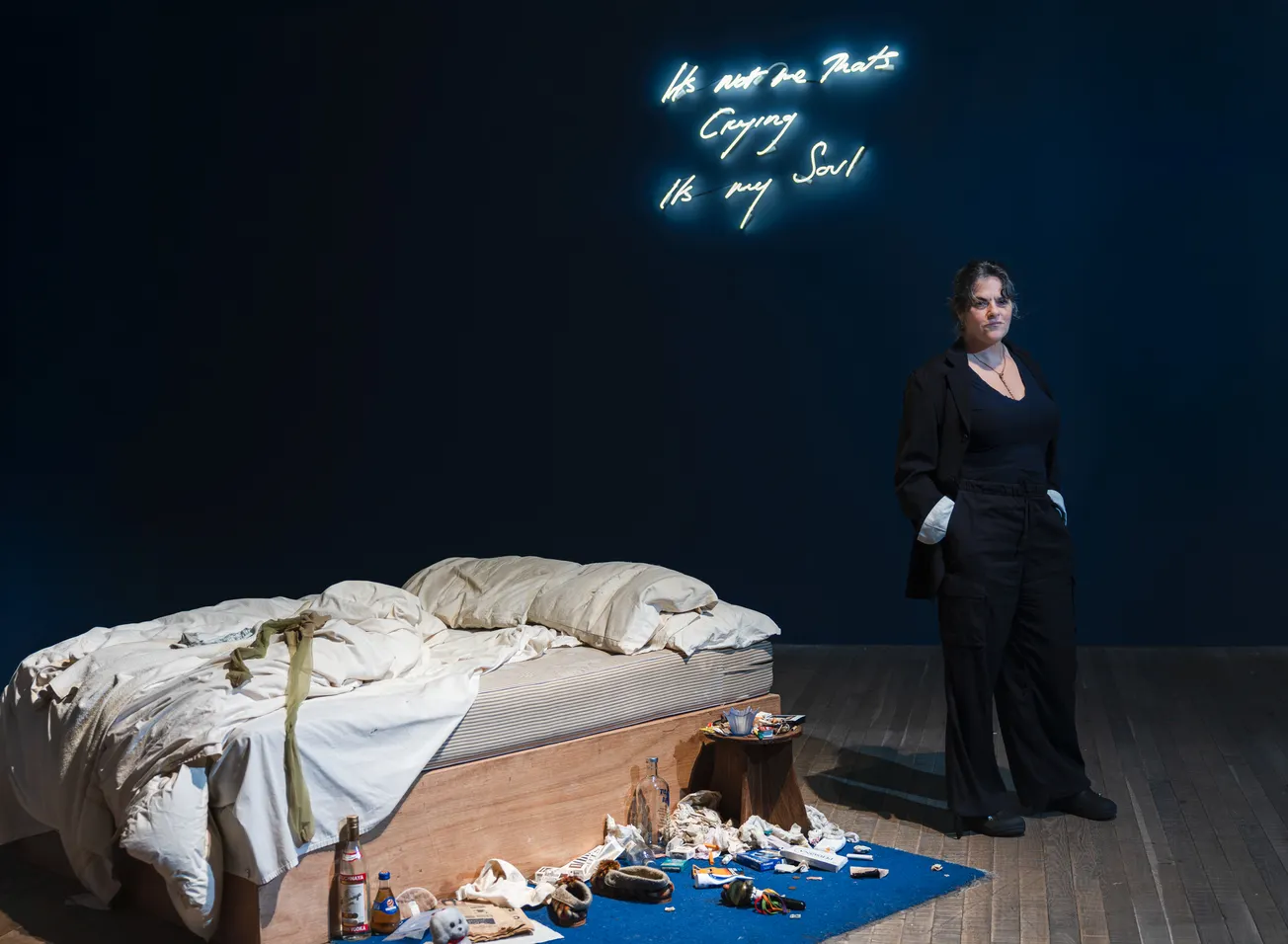
When "My Bed" was first exhibited at Tate in 1999, the Guardian spoke of “grow[ing] tired of Emin’s insatiable appetite for exploring the sordid corners of her own life”, while the Sun wrote that the gallery was “declaring a rubbish-strewn unmade bed a work of art... It makes me so angry to see these so-called artists glorifying a messy bedroom.”
In the decades that have followed, the public stance on Emin has softened, though not before years of tabloid outrage and tell-all-ex-lovers and paparazzi photos. She’s now a dame (knighted in the 2024 Birthday Honours), has set up a successful initiative for student artists in Margate, has publicly battled with squamous-cell bladder cancer and lives once again near the sea with her cats. Tate Modern’s new landmark retrospective Tracey Emin: A Second Life, then, is both a victory lap, a definitive sign of national treasure status and, hopefully, a way of dispelling once and for all the myth of Emin’s work as an “I could do that” punchline.
London deserves great journalism. You can help make it happen.
You're halfway there, the rest of the story is behind this paywall. Join the Londoner for full access to local news that matters, just £8.95/month.
SubscribeAlready have an account? Sign In