Londoner Live: Who is the real Andy Burnham?
Next week, we're hosting a special Londoner event about Andy Burnham and what he really believes. The Londoner's founder Joshi Herrmann will be joined on stage by four journalists who have covered our new prime minister closely over the years: Patrick Maguire from The Times, Helen Pidd from The Guardian and Jack Dulhanty from The Mill. The panel will be chaired by Beth Rigby from Sky News, and will tackle questions like: What actually is “Manchesterism”? And what will it mean for London?
It's on Wednesday 9 September, 6pm – 7.30pm, at London Scottish House, Westminster. Tickets are £15, or just £5 for paying Londoner members, like you. We've already sold over two thirds of the tickets so make sure to grab yours now before they sell out.
Click the button below to get yours with the code: ILOVEMILLMEDIA
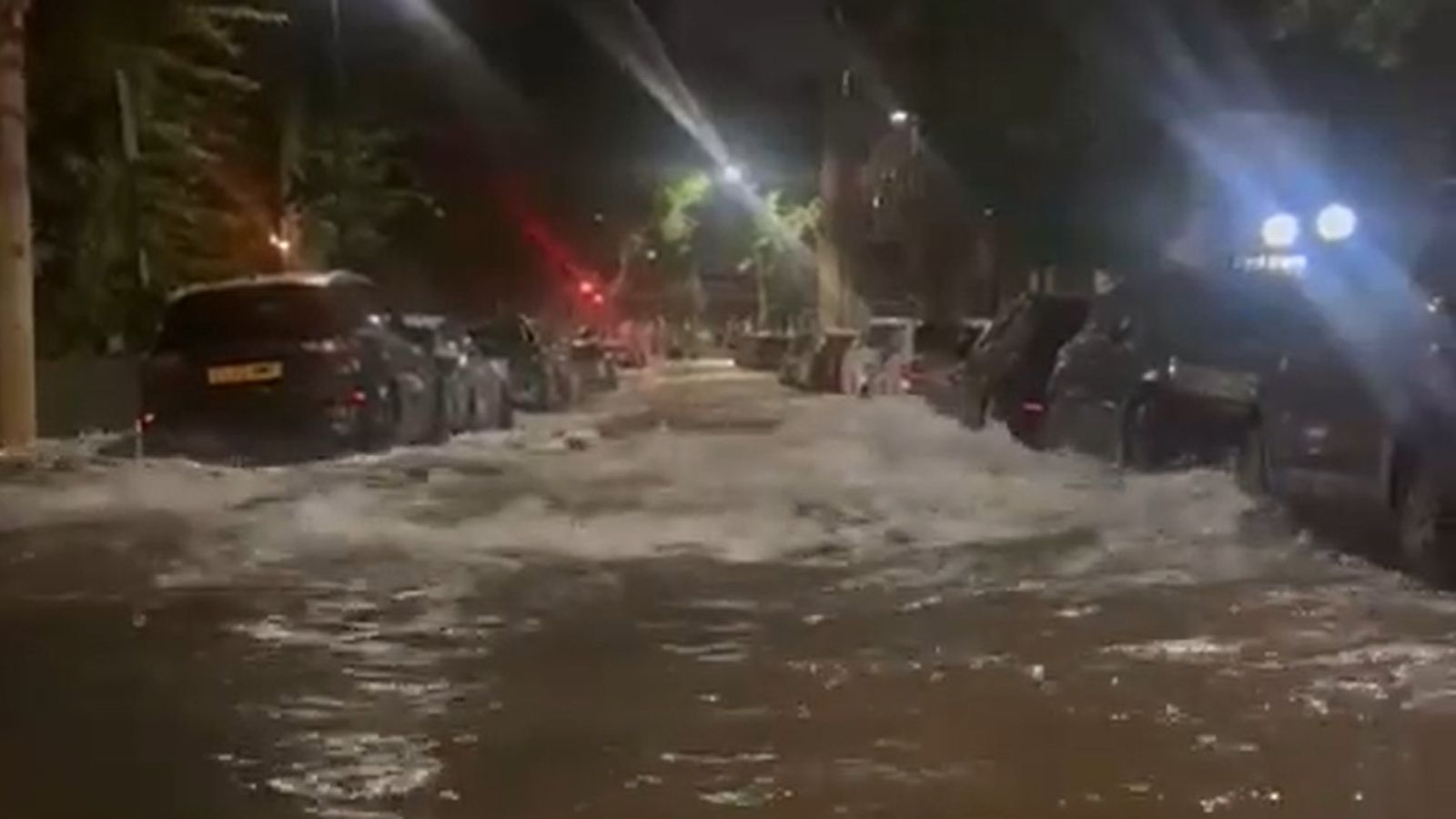
As flood waters burst from the pipes on the Essex Road and cascaded into the front doors of nearby flats, Cliff Roney must have felt a lot like Thames Water’s very own Cassandra, fated like the Trojan priestess to utter truths but never be believed. This was last summer, and a water main under the Islington thoroughfare had just burst and caused 40 people to flee their homes, leaving the street under 16 inches of water. Years earlier, Roney, a career-long Thames employee, remembers dealing with another catastrophic leak in the same area with a stark warning. If nothing was done, it was “going to happen again”.
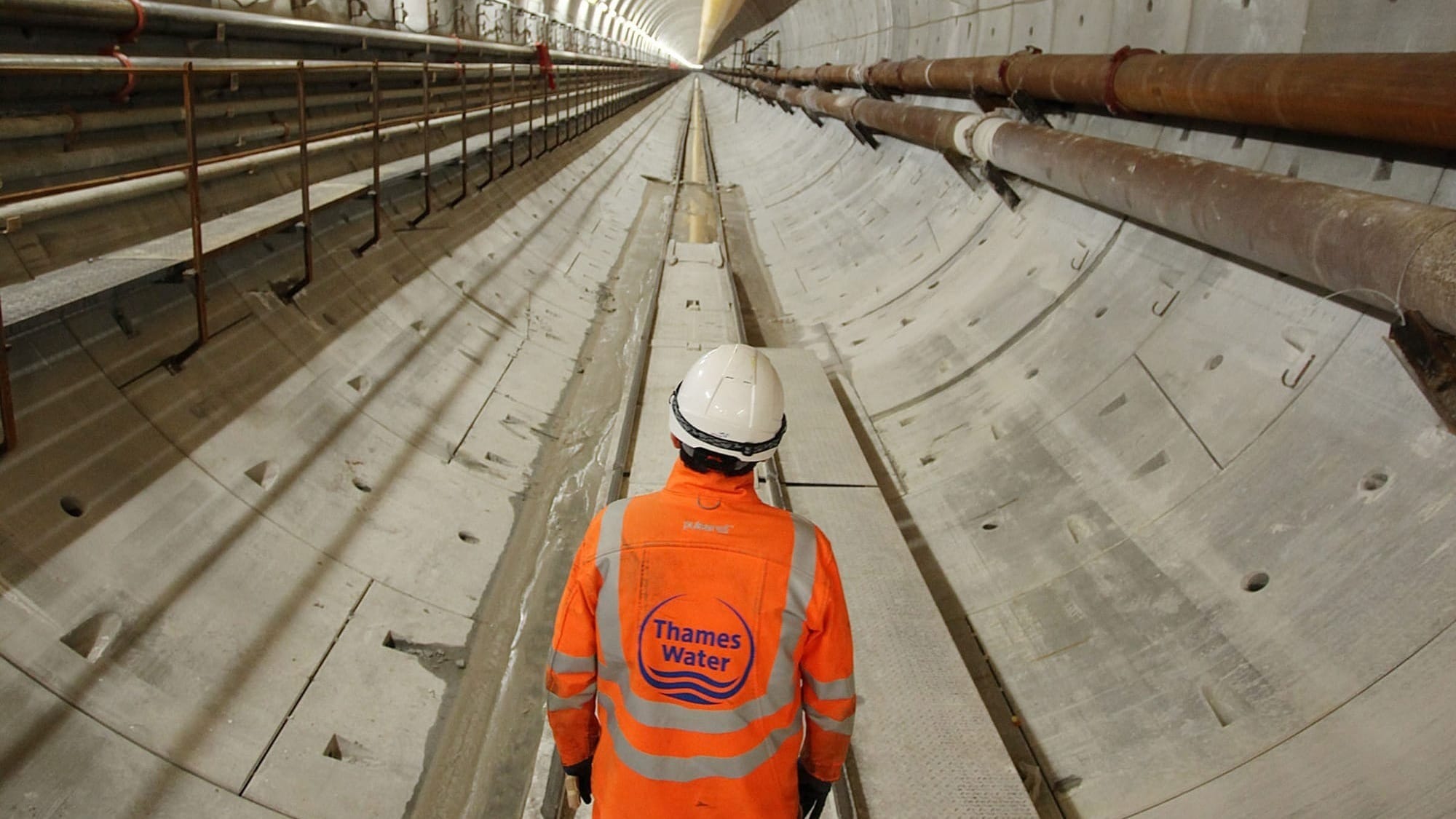
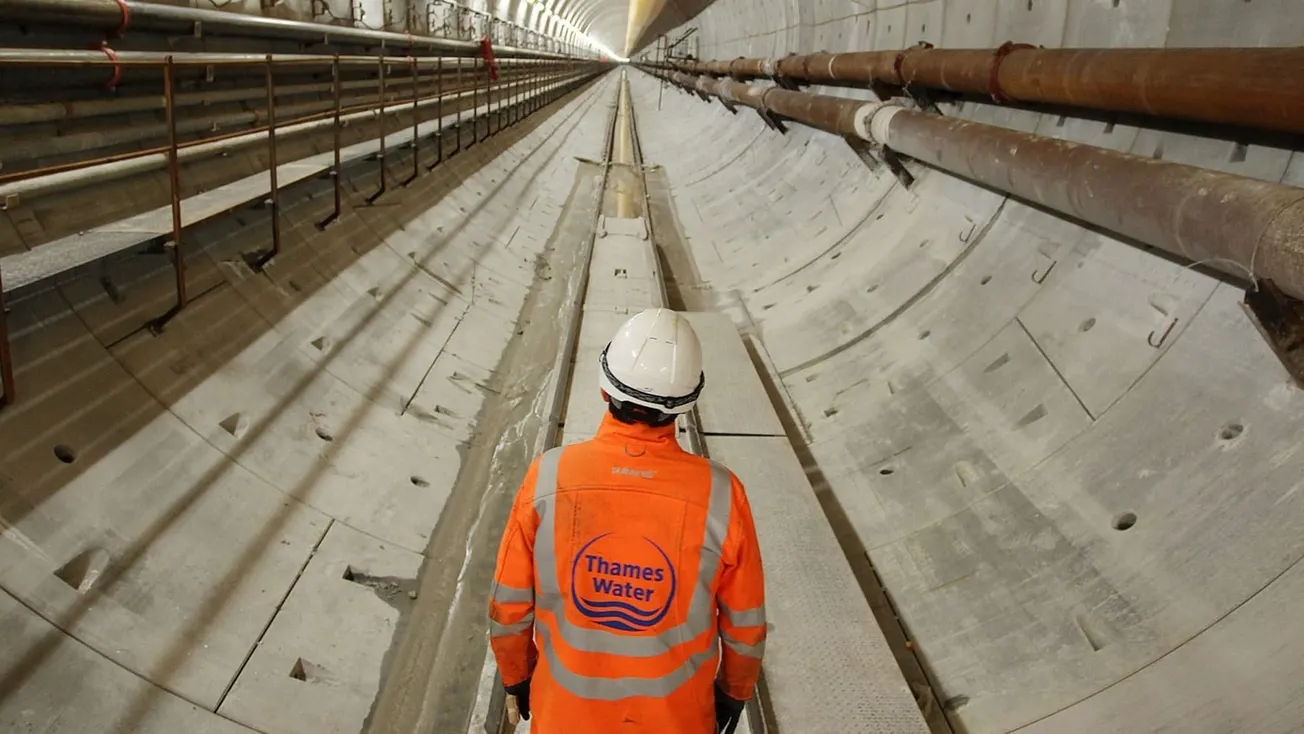
Thames Water is known to be a mess: The network is fighting 1,000 leaks a week from its decaying Victorian pipes, and is spilling raw sewage into the Thames and its tributaries 25 times a day (on average). Meanwhile, it’s saddled with tens of billions of debts that have pushed it to the edge of collapse. Countless news pieces and political speeches have been dedicated to discussing the company’s dysfunction, regularly labelled as "Britain's worst water company” (a high bar, I know). But in all that coverage of how bad things are, absent is the explanation of how we arrived at this point. And it’s rarer still to hear from inside the company — from the engineers working for what may be the capital’s most dysfunctional major company.
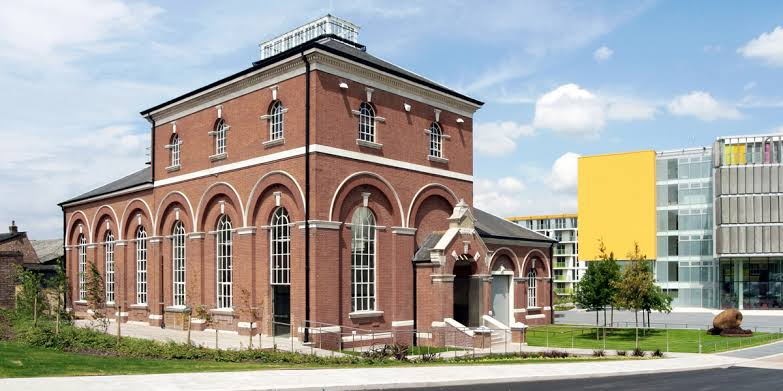
That’s where Roney comes in. I first met him while working on a story about the death of “County Kilburn”, the former beating heart of the Irish community in London that disappeared in the 2000s. Roney had lived there when he first joined Thames Water as an apprentice engineer back in 1979, and he regaled me with stories about working for the company; feeling the vibrations while working underground on the day of 7/7, witnessing the dead bodies of murdered gangsters that used to float into the pumping station at Coppermills.
So as the new Prime Minister Andy Burnham deliberates pulling the trigger and nationalising the ailing company, there was one man I wanted to speak to. The story he tells is of the deliberate decisions that pushed the city’s infrastructure to the brink, and of those who tried to blow the whistle.
What’s it really like inside Thames Water?
Andrew Kersley: There's a lot of conversation publicly about why things have gone so wrong, but what I was really struck by was how few observations there were from the coalface of Thames Water. Why is Thames Water so dysfunctional at the moment? Are there reasons people won’t have known about?
Cliff Roney: People have all of sudden seen these problems now when it’s started affecting them, like when there’s water running down their road from a leak that hasn’t been repaired for a month. They didn’t see what we saw from the industry working within it, they didn’t see the years of asset stripping.
When the company got privatised [in 1989] they decided to look at all of our pumping stations [the vital infrastructure that keeps water flowing around the city]. At the time it didn’t seem like they provided that much water, but now we have heatwaves and high demand and we need those stations. They sold off Buckhurst Hill, that’s now housing. Hornsey pumping station, most of it has been turned into housing. In North London, the Muswell Hill boosters aren’t running anymore, the Chigwell boosters are falling to pieces, Stoke Newington’s are a housing development. It was all about selling things off. Sell, sell, sell.
AK: And as London’s gotten bigger, and there’s been more extreme weather, has that created problems for Thames in maintaining its network?
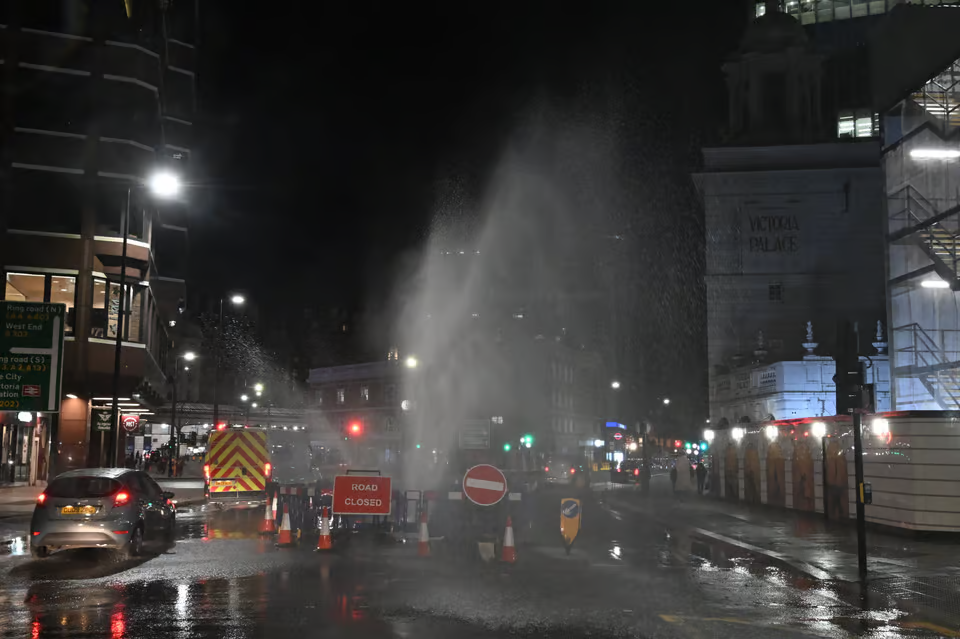
CR: That hasn't helped, but the other thing that they did is, when Ofwat [in the late 1990s] started fining them for how much water leaked from their pipe, they decided they'll do all they possibly can to stay within their leakage target. If you've got a pipe and it's got two bars of pressure going through it and it’s got a leak on it, if you reduce it by one bar, it won't leak as much. So their idea was, we'll keep dropping pressure across London, especially East London in particular, where some of our oldest mains are.
But it doesn’t stop the leaks. They’ll always go on because they're Victorian mains, a lot of them they're old, and when you get dry periods, the clay under London dries out. You get what's known as a fissure, which is the crack in the clay. It moves the ground by one or two millimeters but old cast iron pipes with lead joints don't like movement, and they crack.
AK: You’ve told me before that the changes in pressure can create some real problems for the network.
CR: Well, those Victorian pipes use lead-run joints. If you keep reducing and increasing the pressure on a lead-run joint, in the end, they will go. They don’t like pressure changes, but the company kept doing this thing called ‘demand management’ where they would keep changing the pressures at certain times of day. It’s why you’ll hear about leaks happening on the radio at 6:30 in the morning as that’s the time where you [i.e. Thames Water] start to ramp up the pressure back to where it always should be.
AK: How did Thames Water being privatised change what it was like to work there?
CR: The easiest way of describing it back when I joined, and I really mean this, is it was run like a military operation. I joined in 1979, and a lot of the staff who were there, especially on the control and engineering side of the big sites, predominantly came from the navy or the army.
Because everything was so meticulously maintained and looked after for many years, we didn't notice a difference when we were privatised. Then Macquarie came along, and once Macquarie came along, the world changed.
[Editor’s note — for those unaware Macquarie is an Australian asset management firm that bought a stake in Thames in 2006 and was infamous for cutting costs, extracting huge dividends from Thames and saddling the company with billions in debts before selling its stake in 2017]

Think we should know about something happening in the capital? Send us The Londoner team a text on +447347026424 and we'll get on it.
AK: Really?
CR: You couldn't get anything. There was even a case in the offices where they couldn't even order a box of bloody pens. It became terrible. They cut back on everything. They were the ones who initiated the selling off of a lot of the plants and booster stations. The guys who were working there very quickly realised that we're going to be up against it to keep this kit going. We worked above and beyond the expectations.
Now the management structure is going to bits. The people who are experienced and any good are leaving; I found out on Friday that some people I used to work with are moving on to Southern Water. I had one of London's managers on the phone for an hour and a half on Friday. At the moment, there's a freeze on new recruitment [in his team]. He's trying to increase his headcount of engineers, and they won't let him.
But Macquarie are the ones who really upset the apple cart. We don’t even own our own headquarters in Reading anymore. They sold it [for £43m in 2007] and we lease it back [for £3.2m a year].
AK: I’ve heard from trade union reps that a lot of the company’s staff are facing abuse from customers for all the company’s problems.
CR: They do. And I really need it reiterated over and over again: It's not their fault. This industry can work. It needs very serious infrastructure upgrades. It needs a huge amount of money.
Coppermills pumping station [in Walthamstow] was my station for 23 years. It’s literally being run on a wing and a prayer right now. You’re at a point where the lads rob Peter to pay Paul, where the lads have to rob kit from other units to keep it going. It’s failing to pieces, there are leaks everywhere, but you haven’t got the spare capacity to turn them off and work on them.
It could be different. It could be run better. You can't go and get qualified, skilled water workers from the labour exchange. They're not there. You mature into these roles, and you learn your sites, and you learn your areas.

AK: So now is it just that with the work being so hard, people are just leaving? There’s a brain drain?
CR: It’s really a struggle at the moment. We’ve been stuck for a long period of time dealing with so-called turnaround plans for Thames Water, but they’ve had more turnaround plans than bloody Del Boy. It's absolutely shocking. The latest one is a 10 year plan for if London Valley Water [a new consortium of private investors who want to buy Thames Water] get control of it.
We still don’t know what Andy Burnham's master plan is, I'd like to think that he's going to start talking quite soon. I’m back in parliament in September, on the seventh, with Feargal Sharkey and numerous other campaigners I spend time with, just trying to get it put right. We can’t keep kicking the can down the road, it needs to be put right.
AK: You were a union rep for GMB for many years at Thames. What was it like when you dealt with management? What mindset did they have?
CR: You’d go into the first day of talks and all they’d say was: ‘You do realise that we've got no money’. You were trying to keep the staff, but they’d come in, stay for a few years, and leave.
We were the finest water company in the world. No one could touch us. Look where we are now. We're pumping raw sewage into rivers and canals. It's all because they didn't invest. They knew, but they didn't actually think this was ever going to happen. It feels like the Emperor’s New Clothes.
We used to tell them relentlessly, stop reducing pressures. Stop treating these mains badly because if you treat them badly, one day they will come back and they will kick you in the ass, and that's what that's what they've done.
They’ve never recovered from it. They've never recovered from the fact that they've sold off plants and kit.
Nearly one third of people who pay their water bill pay it to Thames Water. And you have to ask: why was it allowed to get like this?
*This interview was edited for length and clarity
In response to Roney’s testimony, a Thames Water spokesperson told The Londoner it was a “very different business to the one of even two years ago” and that it had launched the “biggest upgrade of its network in 150 years, increasing our capital investment in 2025/26 to a record £2.7bn”. They added that they had increased the size of the workforce and reduced pollution incidents by 18% last year, while working “with all parties to reach an agreement that supports its long-term financial stability”.
As a paying Londoner member, it's your sacred right to comment on articles and you should exercise it as frequently as possible, because we love hearing from you.
What's your view on Thames Water? Do you think Roney is right about the management of the company over the last few decades? Is nationalisation the only solution?
Let us know your thoughts about today's piece in the comments below.