Dear Londoners — Given the weather, we aren’t coming to you live from the newly pedestrianised section of Oxford Street, but rather from our cosy attic room office, where we’ve just worked out how to turn on our Victorian radiator. Hurrah!
It’s a momentous day though, with the final night buses passing through the iconic shopping street last night and scores of high-vis workers out erecting a fortress of plastic barriers and planters.
Taking traffic off Oxford Street has been a tentpole policy for the mayor, who battled local groups, delays and Westminster Council to get it done. This isn’t just a nice photo-op for Lord Khan, but an expression of his whole vision for London. How well it goes could be key to his legacy.
We’ll be bringing you more on the changing face of London’s streets later this week. And we’re also working on a story about what the future looks like for the British Library, and would love to hear from you about it. Are you a member or researcher with opinions on the planned conversion of some reading rooms into flexible workspaces? A librarian with thoughts on where the institution should focus its energies? Or do you work there and have insights on the last few years? Get in touch on editor@the-londoner.co.uk.
Whose bridge is it anyway?
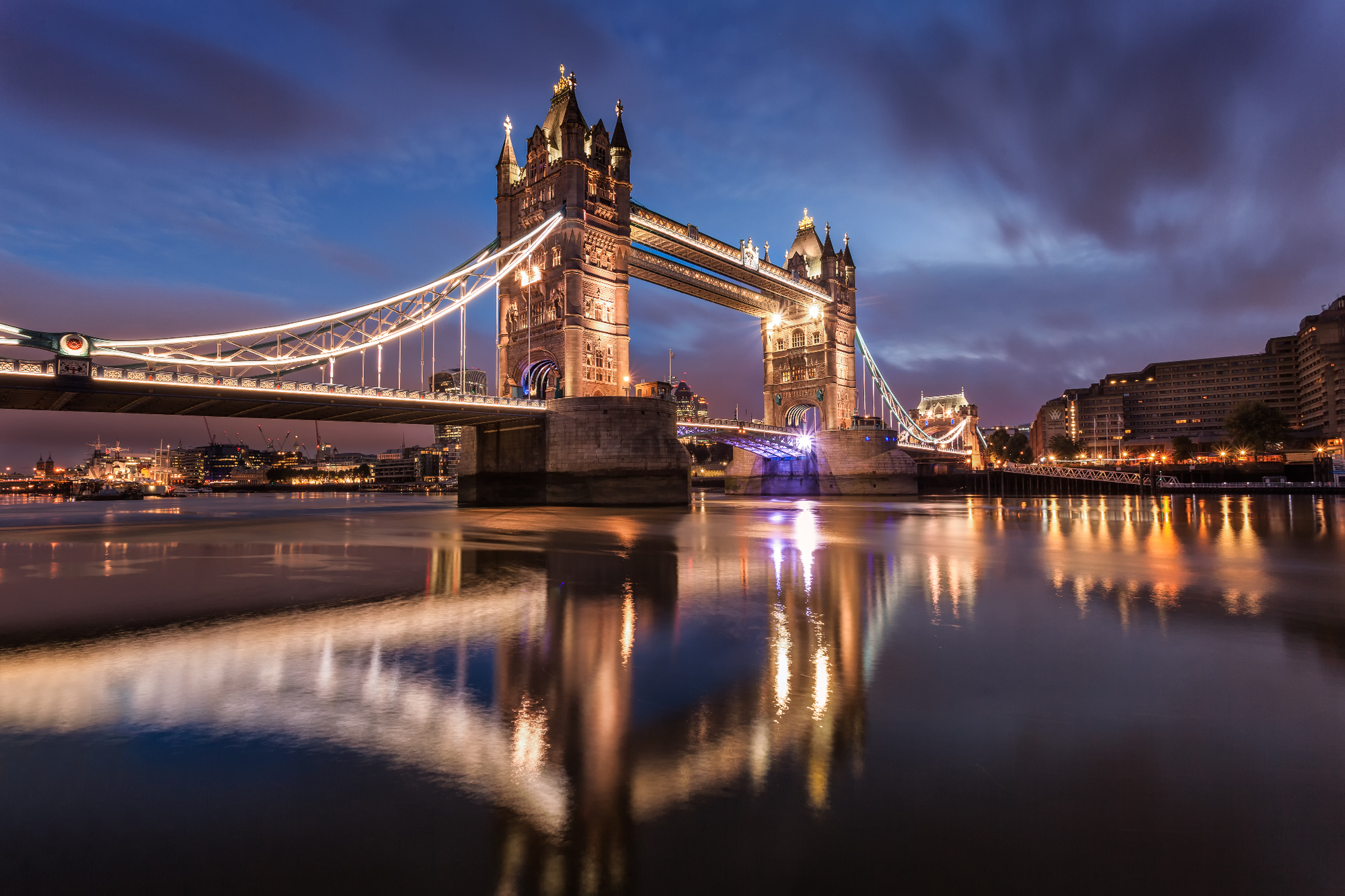
We all know that London’s bridges really are falling down. Except, that is, for those managed by the City Bridge Foundation. Those central river crossings — London, Southwark, Tower, Blackfriars, and Millennium — are in such good nick that the charity doesn’t even need to use all of its funding to look after them. The 900-year-old foundation is London’s largest independent charity funder, having awarded more than £900m to charitable organisations tackling inequality and social injustice since its mandate was updated in 1995.
Given that this has been the case for more than 30 years, why are we telling you about it now? Well, the foundation has become the topic of hot debate in the past few days, as campaign group Looking for Growth launched a new campaign arguing that the City of London, the charity’s only trustee, should change its charter to make it responsible for maintaining all London bridges. “The abandonment of the City Bridge Foundation’s original purpose leaves London being slowly strangled,” Juliet Samuels wrote in The Times.
The thing is that the foundation has no obligation to look after the capital’s other crossings, which are variously the responsibility of local authorities, TfL and Network Rail (or sometimes a confusing combination thereof). London Assembly Member Neil Garratt warned against raiding the charity’s reserves of “to prop up institutions that are failing” — i.e. councils that haven’t managed to care for their bridges.
What the discussion comes down to, then, is less a question of obligation and more one of purpose. The earliest reference to the foundation can be found in 1122, and it was formally established in 1282, so interpreting its original objectives for the modern day represents a unique challenge. In fact, even those earliest records indicated that the money generated from London Bridge wasn’t exclusively spent on the bridge itself: five shillings a year were gifted to the monks of Bermondsey Abbey, arguably the closest thing the 12th century had to a social justice organisation.
Should the foundation’s money be diverted from social justice to maintaining the other Thames crossings? Let us know your thoughts in the comments.
Exclusive: The Soho Society are trying to stop redevelopment of a deserted office because it might make Soho busier
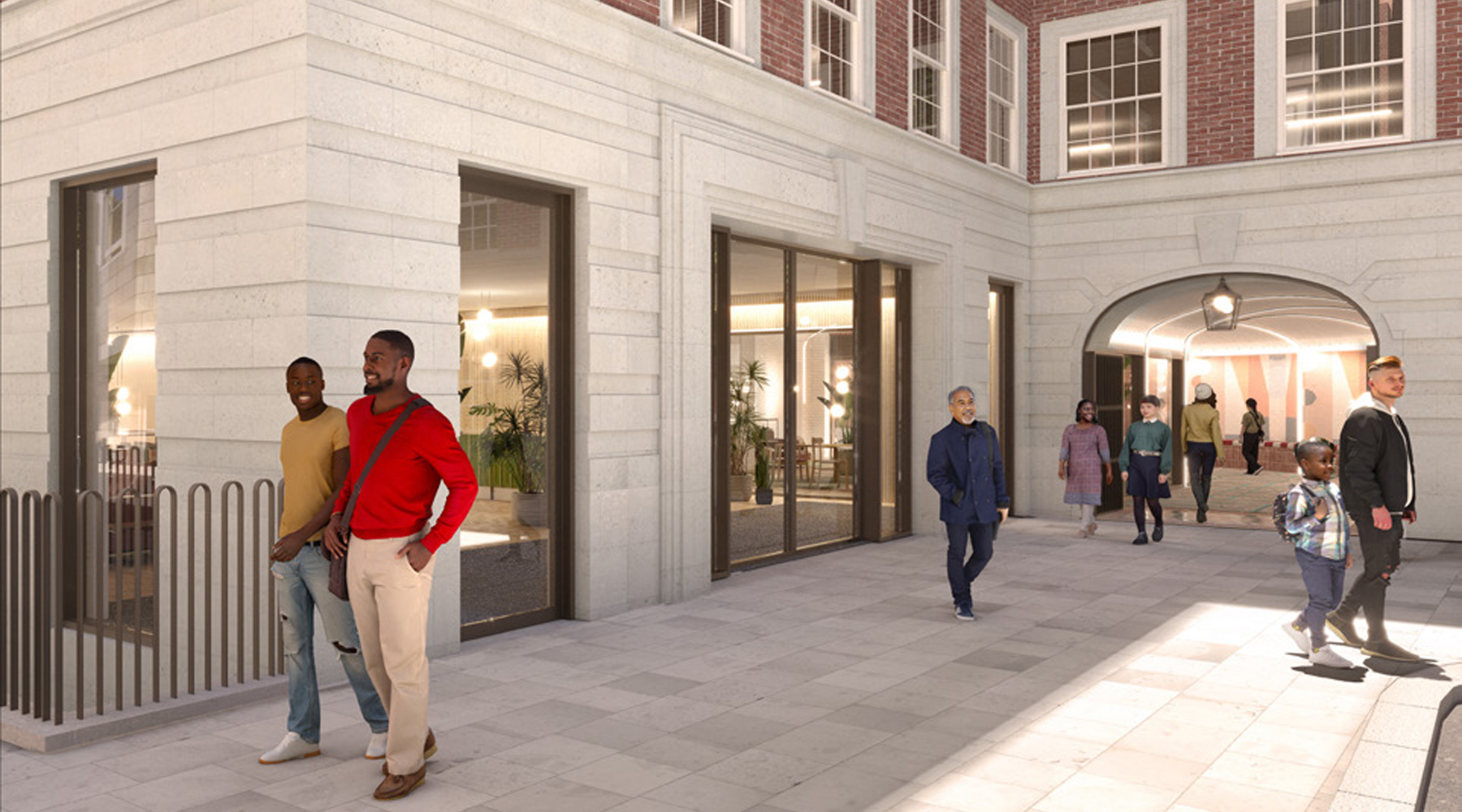
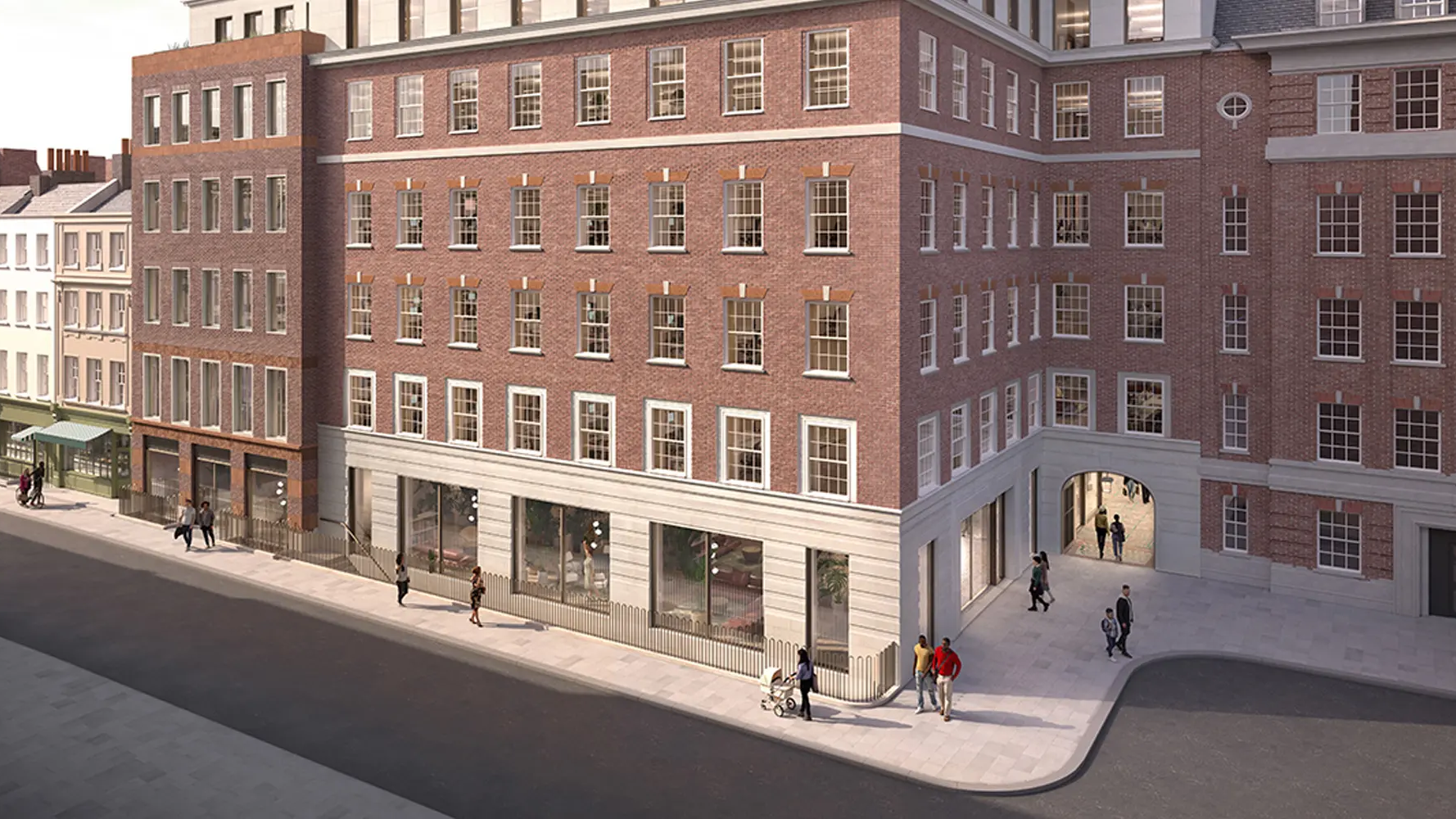
Twentieth Century House has been something of a blight on Soho for the past seven years, ever since the 20th Century film studios abandoned the building back in 2019. But last Christmas, it looked like change may finally come for the unloved block. Its owner, the insurance company and investor Royal London, launched a scheme that planned to merge the site with three other buildings that it borders to the rear.
The plan is to bring in new, subsidised workspaces for small businesses and new shops. Through its middle would be a pedestrian walkway linking Dean Street to Soho Square via a public courtyard filled with bars and restaurants, replacing what is now an empty alleyway. It seemed like a win-win.
At least, it would have, until the Soho Society got involved. You might remember the residents association from their infamous attempts to stop outdoor drinking at Soho pubs, to limit hours and stop any new openings or just general obsession with stopping anyone from doing anything fun, new or interesting in the middle of what’s supposed to be London’s prime nightlife district.
This story is free to read. You just need to sign up to join The Londoner's mailling list. And why wouldn't you? You'll get our journalism in your inbox the second we publish, keeping up to date on this and all our stories. No card details required.
Already have an account? Sign In