It was the kind of call Andrew Burton had dreaded receiving throughout his four-decade-long career. Cycling home from work on a sunny afternoon in February, the director of transport at Kensington and Chelsea council was told that the team of engineers working deep in the cramped, pigeon-infested bowels of the Albert Bridge had found the one thing they all feared: a crack, along one of the huge cast iron anchors that holds the bridge’s road surface in place.
“I just said close it,” Burton recalls, as we toured the bridge on a bright afternoon in late April, pausing to admire the towering pedestals and brightly-coloured tollbooths. “What we’re looking after here is fragile, so I've always had a game plan of what to do, just in case.” In the end, the council discovered that the repairs would mean keeping the bridge closed for a year. But fortunately, they had caught the problem early: the risk was relatively low, as was the repair cost of £8.5m.
What happened on the Albert Bridge is a textbook example of how London’s 35 historic bridges are supposed to be maintained, the work it takes to prevent a fault from becoming a bigger issue. But not all fixes are so routine. Contrast Burton’s phone call to events seven years earlier, when a very different scenario played out in the office of Hammersmith and Fulham council leader Stephen Cowan.
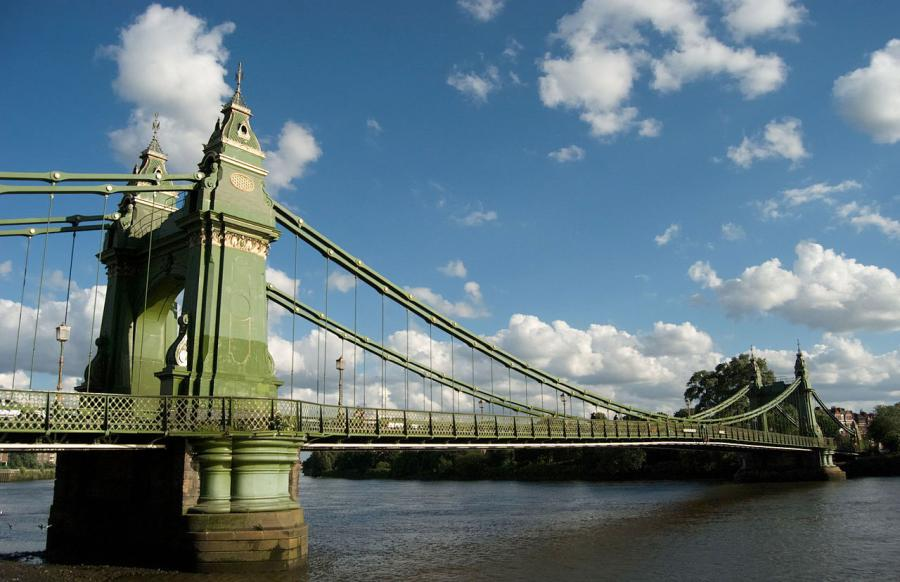
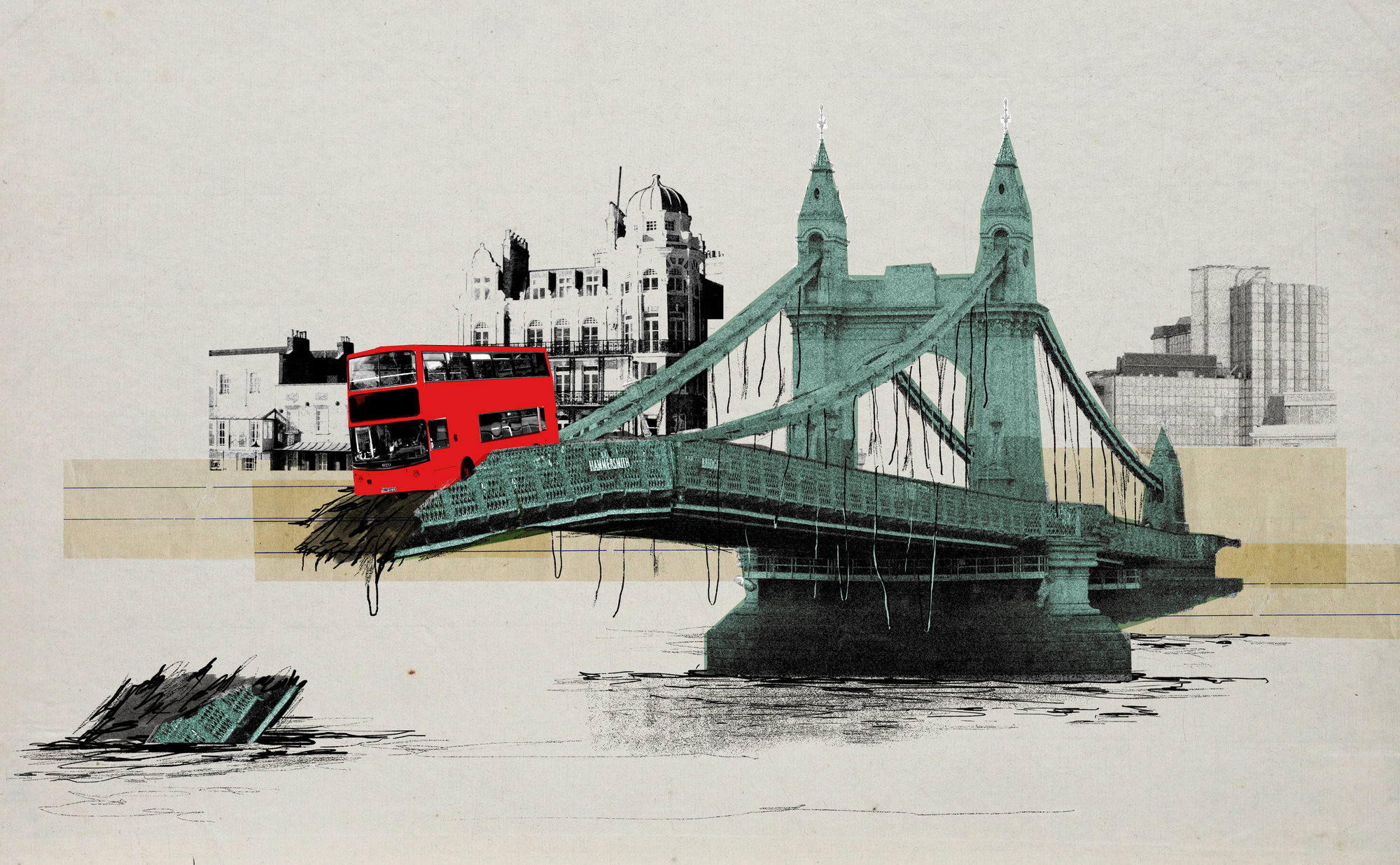
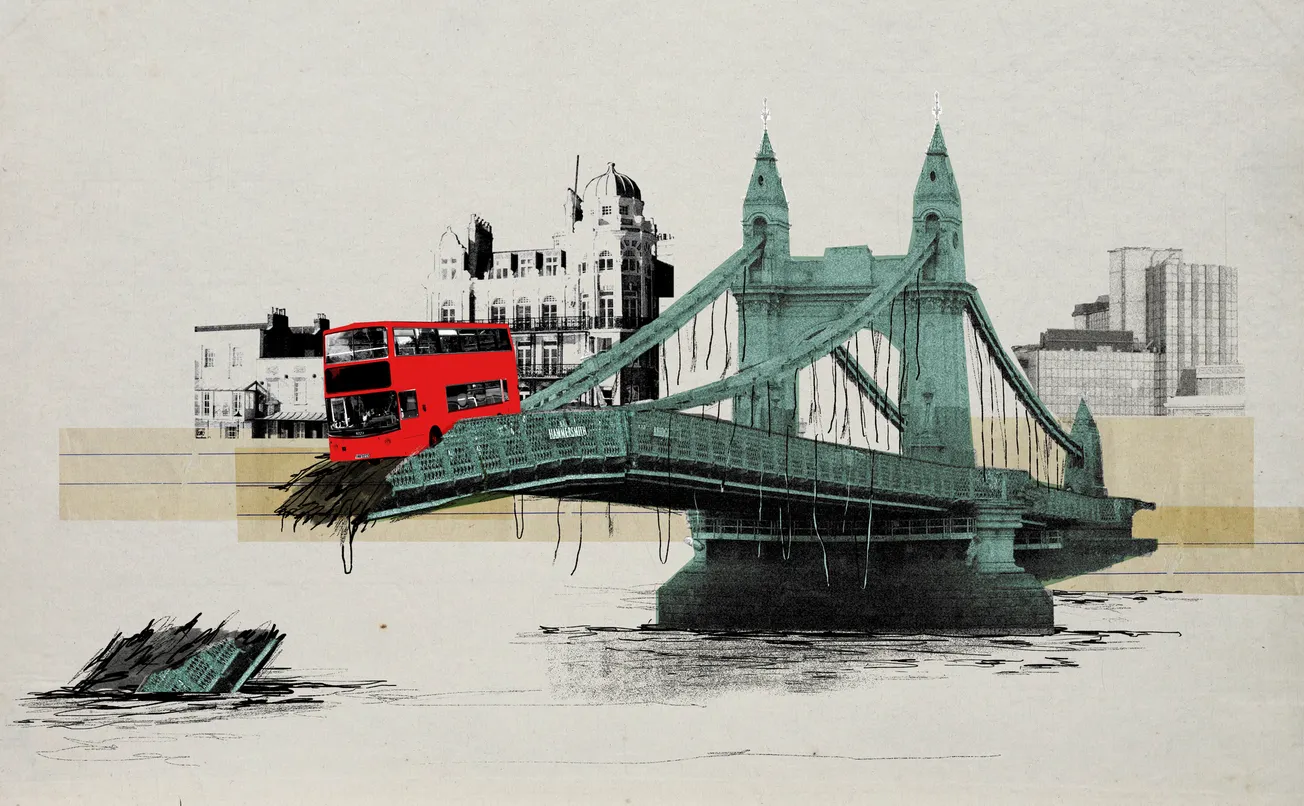
On 10 April 2019, a team of engineers rushed in midway through a meeting the leader was having, wanting to speak to him. He asked if they might be able to wait outside until he was done, but they said the problem was too urgent: they had discovered cracks in one of the cast iron pedestals that holds Hammersmith bridge up, and suspected hundreds more had spread throughout the rest of the structure. The damage was so serious that the bridge was at risk of "catastrophic collapse”.
Cowan was given 30 minutes to decide whether to close the bridge, a vital artery in south west London, or risk keeping it open when it could give way completely. He made the call to close it. But in the seven years since it has never reopened to motor traffic, and the estimated repair bill has continued to climb into the hundreds of millions.

Hi, I'm Andrew, the author of this story. For this piece, I spent months cornering politicians and tracking down council engineers to speak out for the first time about what really happened to one of London's most historic bridges. In short, it was a tonne of effort.
As a result, this article is paywalled. Old school, shoe-leather journalism takes time and money. The internet has convinced us nothing has value, which means everything should be free. We don't believe that. At The Londoner, we know it's worth paying a fair price to be part of something of quality, to put pride back into our local news.
Join us in bringing local journalism back to the capital for just £7.45 a month (if you pay annually), and get all our news, features, briefings and investigations for half price. Plus, you'll be supporting the sort of reporting that actually gets out from behind a screen and into the streets, taking you into the nooks and crannies of your city.
But while the bridge is a constant talking point within the city — the subject of local protests, non-stop media coverage and political debates — nobody has yet been able to explain why voters in Hammersmith are now facing hundreds of millions of pounds in repairs, while those in Kensington aren’t.
That’s what’s led us to find out the answer to a simple question: why did things go so wrong with Hammersmith Bridge? In doing so, we spoke to engineers who allege that they first raised concerns about the structural integrity of the bridge eight years before its eventual closure, but that those concerns were dismissed by the council’s then-leadership. This, they claim, will have worsened the bridge’s condition and increased the £300m repair bill now facing taxpayers.
London deserves great journalism. You can help make it happen.
You're halfway there, the rest of the story is behind this paywall. Join the Londoner for full access to local news that matters, just £8.95/month.
SubscribeAlready have an account? Sign In