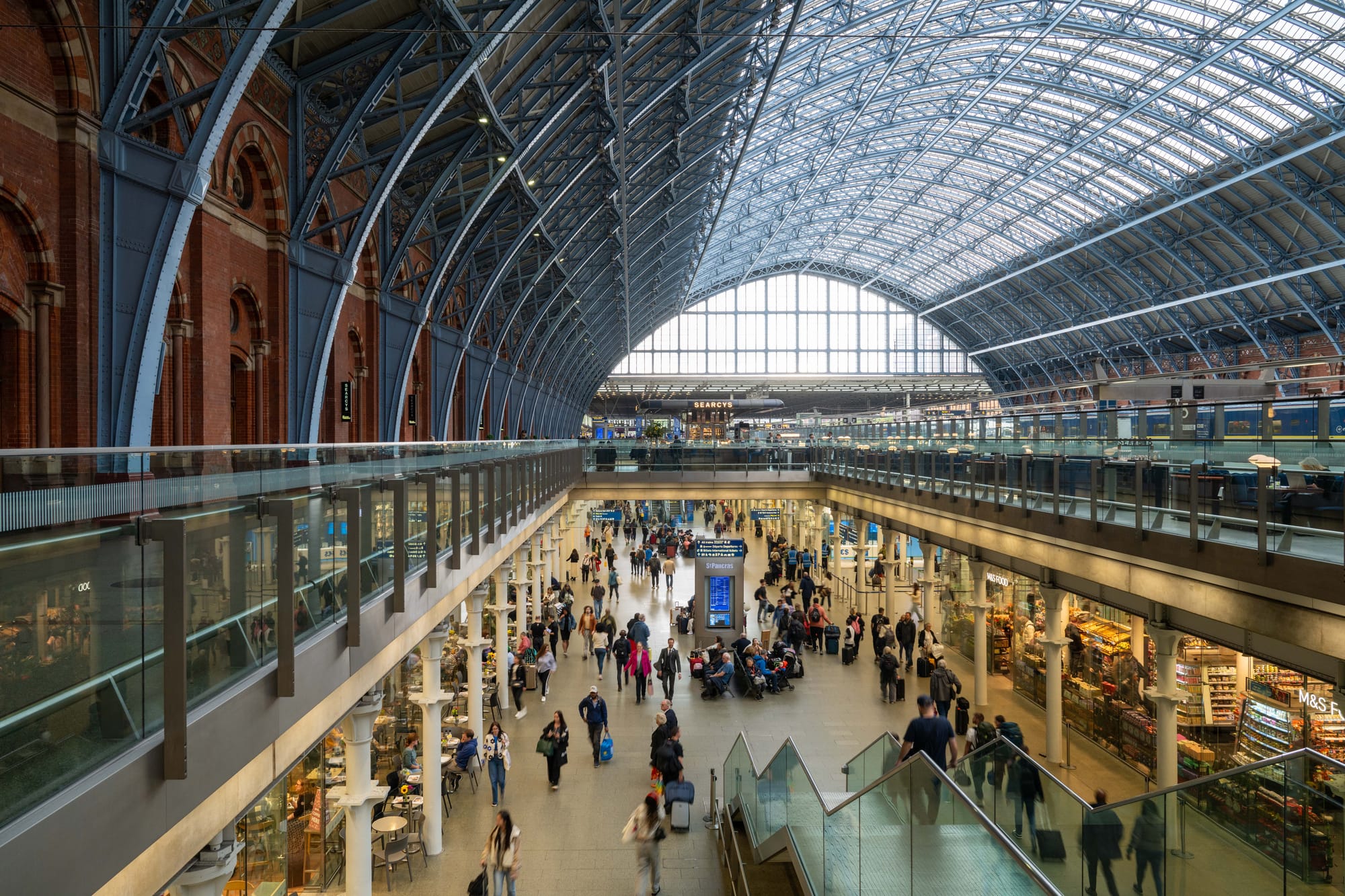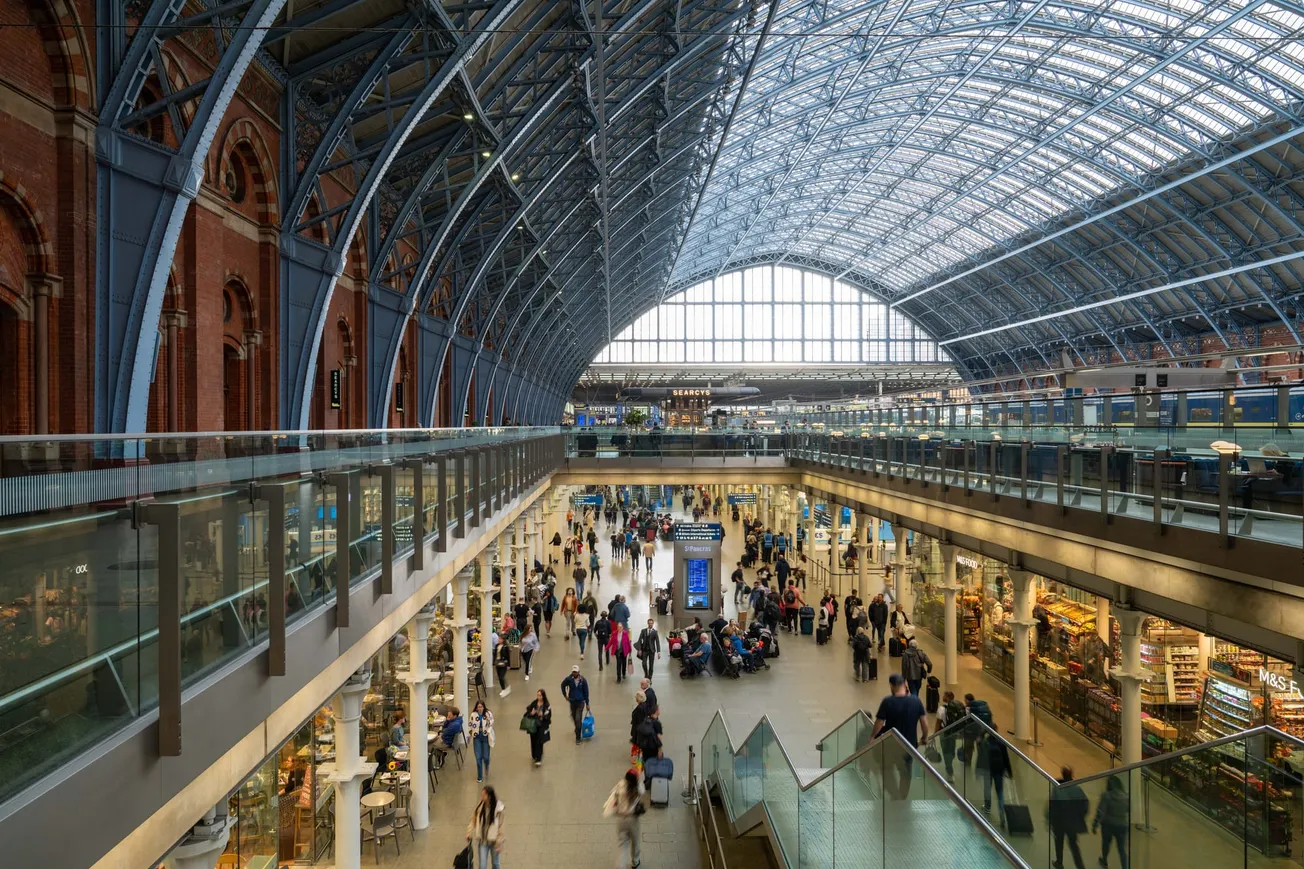
It’s known to be something of a career highlight for train drivers, that first time they pull a Eurostar into St Pancras station. At least that’s what a senior executive at the company tells me. Many drivers get their start on the French and Belgian railways, which have their own share of beautiful stations. But there’s nothing quite like arriving under that single span roof of the old train shed, soaring 100 feet overhead.
Down below, however, things are less spacious. The concourse of St Pancras, where people now buy overpriced ceramics at Oliver Bonas and picky bits at M&S, was originally designed for the storage of beer barrels. In the Eurostar lounge, it feels like it. For passengers of the cross-channel trains, overcrowding is a feature of the waiting area beyond the security and border checks, with 2,000 people per hour passing through the terminal at peak times.
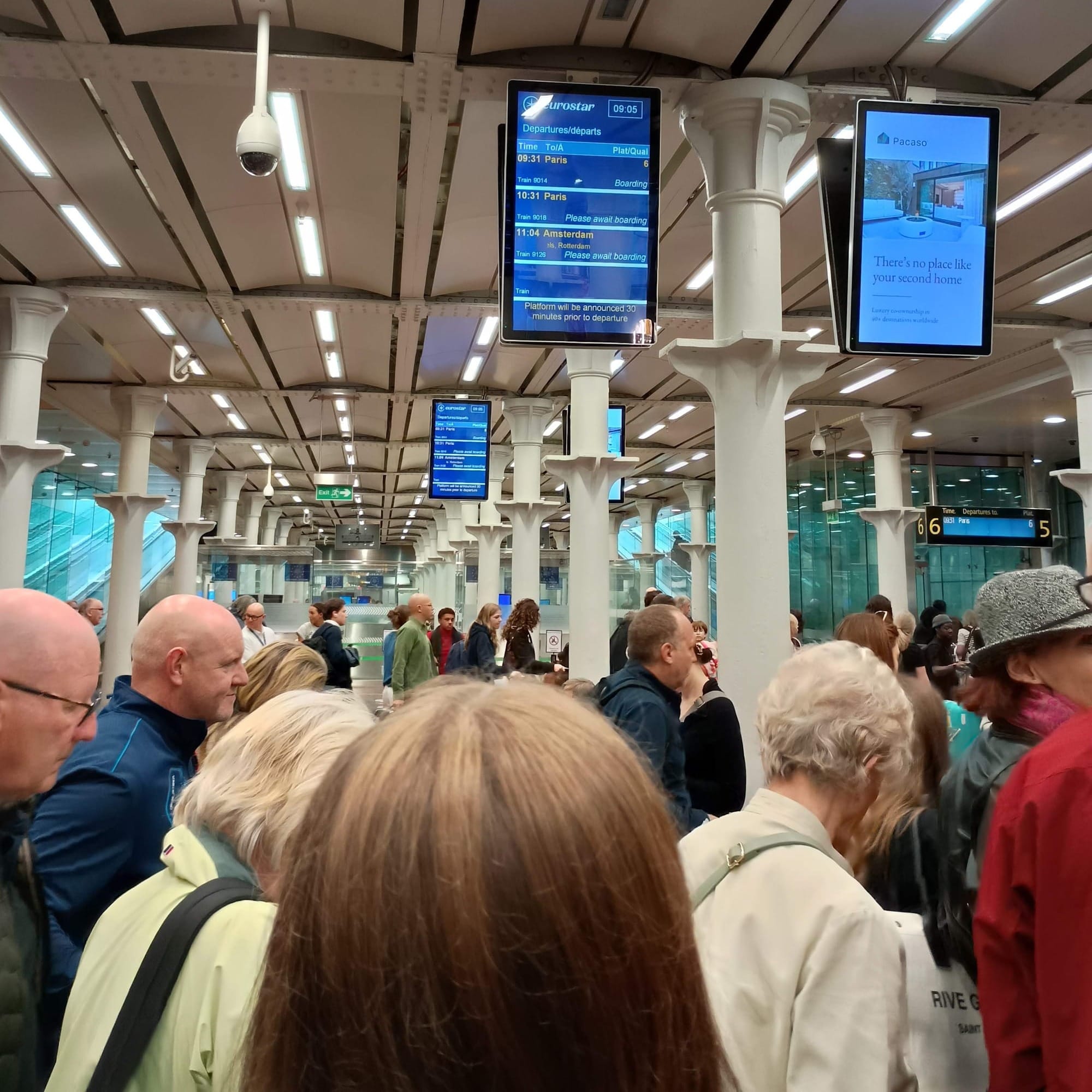
The problem is only set to get more acute, as the operator adds more direct routes — starting with Antwerp in just a couple of weeks — and plots the introduction of bigger trains. Despite not being given any additional floorspace inside the station, Eurostar just confirmed plans to increase the number of passengers using the station to 5,000 per hour in just a few years’ time.
So how will it work? The company’s current tactic is a surprising one: get overly-punctual passengers to start rocking up with less time to spare before their train. By the end of the decade, if all goes to plan, at least half of us won’t spend any time waiting in the waiting room at all.
🎁 Want to give something thoughtful, local and sustainable this Christmas?
Introduce someone you love to The Londoner at a lower price than usual. Our gift subscriptions are heavily discounted, so they get all our journalism and you pay far less
No room to swing un chat
A busy departure lounge has long been an issue at Eurostar St Pancras, especially since the introduction of post-Brexit border controls. Frequent travellers will be familiar with the scramble for seats, and attempts to hog tables outside Pret a Manger. The company has even been known to sell fewer tickets to avoid long queues in previous years. Other stations on the international network have similar problems, but it’s the central London hub with the most acute lack of space.
Despite the obvious need for more room, the company has faced an uphill battle getting any extra capacity. The entity that controls the station, St Pancras High Speed (a descendant of HS1) hasn’t budged. Earlier this year, Eurostar CEO Gwendoline Cazenave made a string of public comments about the standoff, saying station bosses were standing in the way of giving Eurostar more territory.
London deserves great journalism. You can help make it happen.
You're halfway there, the rest of the story is behind this paywall. Join the Londoner for full access to local news that matters, just £8.95/month.
SubscribeAlready have an account? Sign In