On 9 June 2021, Ronald “Pete” Kay decided to cash in. From just a few swimming pools in Southwark, the energetic boss of Fusion Lifestyle had grown the charity to run over 90 public leisure centres across the country — seemingly fulfilling its charitable mission to “bring health and wellbeing to communities across the UK”. The jewel in their multi-million pound crown was Brockwell Lido, a beloved gym and outdoor pool located in the leafy, middle class environs of Herne Hill.
Kay sought to style his exit as a restructure worthy of a hefty redundancy payout. A £500,000 payment would be proper, he wrote to the chairman, a trustee called Michael Nelson. But out of consideration for Fusion’s precarious position — an emergency £13m loan was weighing heavily, and health and safety complaints were raining down — Kay would settle for a mere £198k. Plus, of course, the payment of around £40,000 worth of untaken annual leave.
“I think that you are in agreement that Anthony Cawley would be the right person to do the job of CEO and to lead the company,” Kay wrote in an email about his departure that has been shared with The Londoner. Cawley was a close friend with whom the CEO would travel all over Europe to watch Manchester United matches. Cawley, Kay wrote in a portion of the email headed “Succession”, was “Fusion through and through”.
But by 1 April this year, Cawley had failed to turn the charity around. As they arrived to work that morning, Fusion Lifestyle staff across the country learned that their employer was entering administration. That £13m loan hadn’t been enough to save them; nor had the £28m of taxpayers’ money received during the pandemic.
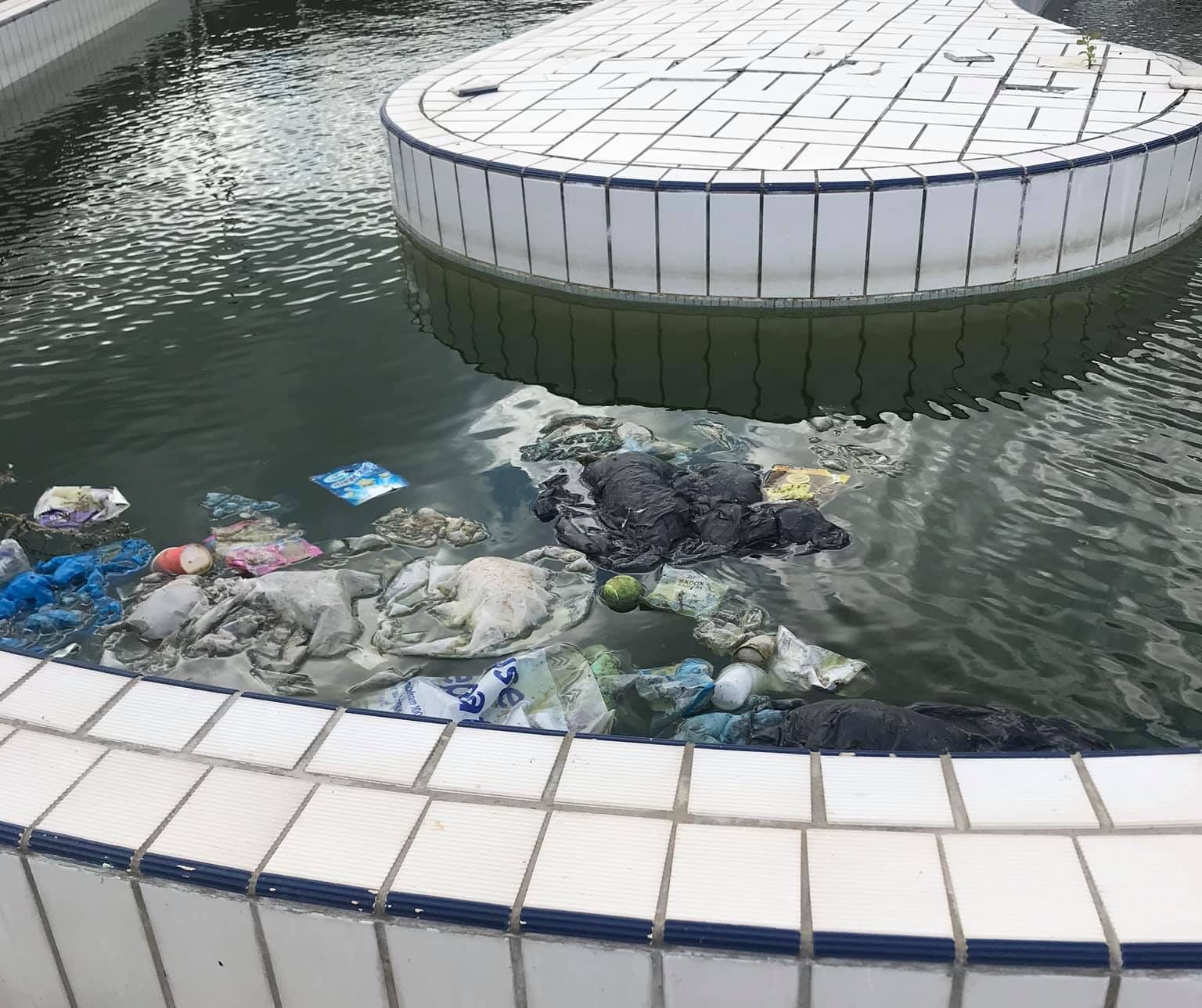
In truth, things had looked bleak for Fusion Lifestyle for a while. Before Haringey wrenched their Fusion-run leisure centres back under council control in 2023, four people were hospitalised after one of the chain’s centres in Tottenham Green leaked chlorine gas into the main pool area (Fusion says it has undertaken “extensive work” to repair faulty plant room equipment). A site in Bedford was ridiculed online for looking “like Chernobyl”, and Brockwell Lido swimmers had resorted to bringing pliers into the changing rooms to work the shower doors. Customers at Fusion’s leisure centres around the capital had been complaining for years about the filthy conditions, lack of staff and broken equipment, to no avail.
Fusion’s rationale for failing to meet such basic standards was often that it did not have the staff. In the three years to December 2022, despite some recovery from the pandemic, the charity had slashed its headcount by almost one-half, from 3,460 to 1,865. And so, when Fusion went into administration earlier this month, it was mourned by some in the business as a sad inevitability — as just another unlucky casualty of the pandemic.
But three senior former employees, who spoke to The Londoner on the condition of anonymity over fears of legal repercussions, paint a very different picture. We interviewed them after hearing last month that Lambeth council were discussing what to do with Brockwell Lido if Fusion went into administration. We obtained contracts, internal emails and company accounts which show that while Fusion’s Lifestyle’s leisure empire was crumbling, its leaders were milking London’s lidos and gyms for all they were worth.
Pete Kay did not respond to multiple attempts to contact him for this article, including a visit to his home that we made yesterday. A spokesperson for Fusion Lifestyle said that “We have no comment to make on your allegations, which are variously untrue, inaccurate and/or misrepresentations”. The spokesperson did not specify which claims are false, further muddying the waters around an organisation entrusted to run some of London’s most treasured public facilities.
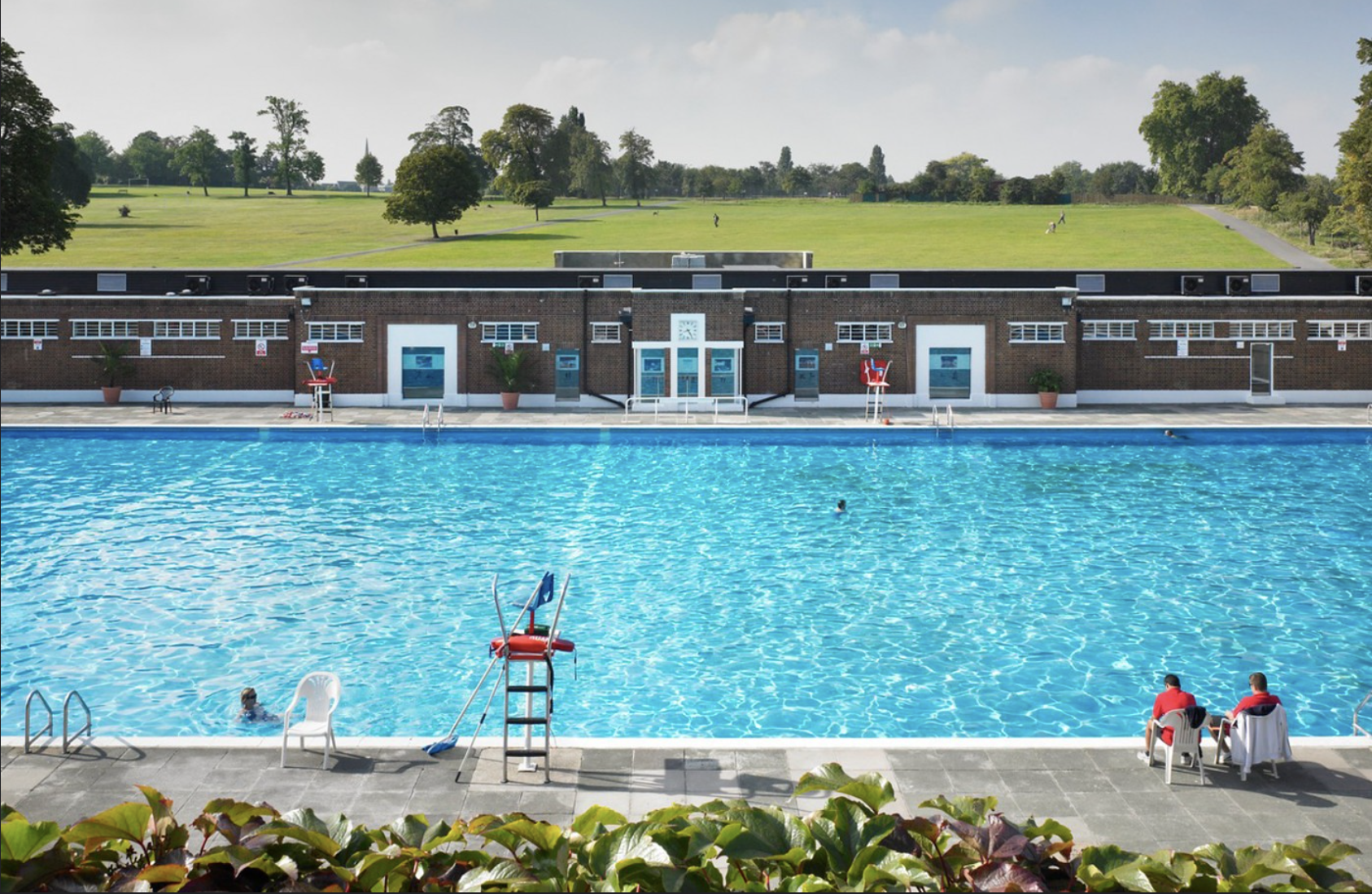
A sweet deal for Brockwell Lido
When Kay took over Brockwell Lido in 2006, the place was a joyful, unprofitable mess. Giles Gibson was a member of Brockwell Lido Users (BLU) group at the time, and as we speak over the phone, he recalls in his deep baritone the free and easy manner in which it was run. “It had its own ambience,” he recalls fondly. It was known as Brixton Beach and was leased to two former council sports staff by Lambeth council.
It was a big deal for the BLU to seek external management for their beloved swimming pool, not least because it would be such an enviable deal: a 25-year lease on a peppercorn rent. Fusion Lifestyle and Pete Kay were not especially well known at this point, but Kay — a lively businessman with a tussle of brown hair, then in his mid-40s — seemed to have some brio. More importantly, he had cash. He’d raised £2.5m million for his charity Fusion Lifestyle to invest in a complex redevelopment of the lido, taking a £2m loan and raising £500,000 in national lottery funding. On both sides, it was a gamble.
But it went… fantastically. Or at least, it went fantastically at first. Within a few years, the swimming pool was profitable, generating hundreds of thousands of pounds a year for Fusion Lifestyle. Under Kay’s guidance, Fusion began to aggressively expand. He took Fusion to Hounslow, to Lewisham, then all over the UK.
A former colleague tells me that, when they joined in the early 2010s, the company operated around 30 leisure centres. “In the three years that I was there, we got to 70, 75,” they say. The business model typically involved negotiating an upfront investment of cash from the council at the beginning of the contract, this person explained, with Fusion also often putting up money itself. As a registered charity, Fusion Lifestyle had no shareholders, and is required to pursue a charitable purpose for the public benefit. In the early stages of the contracts, Fusion often was paid a management fee to turn around the facilities. Fusion would begin repaying the council as the contract matured and the site — at least in theory — became profitable.
But even as the success of Brockwell Lido spurred Kay on, Fusion began throwing itself into extravagant redevelopments that failed to generate the expected returns. Few pools embodied this sense of wanton exuberance more than the Glass Mill Leisure Centre in Lewisham. Costing £20m before its grand opening in 2013, the centre was panelled with over 1,400 glass tiles that lit up in response to the noise levels of the traffic — and which had an unfortunate habit of crashing to the floor. Within 18 months, and despite its opening fanfare, Glass Hill was branded in the local press as “an absolute disgrace”.
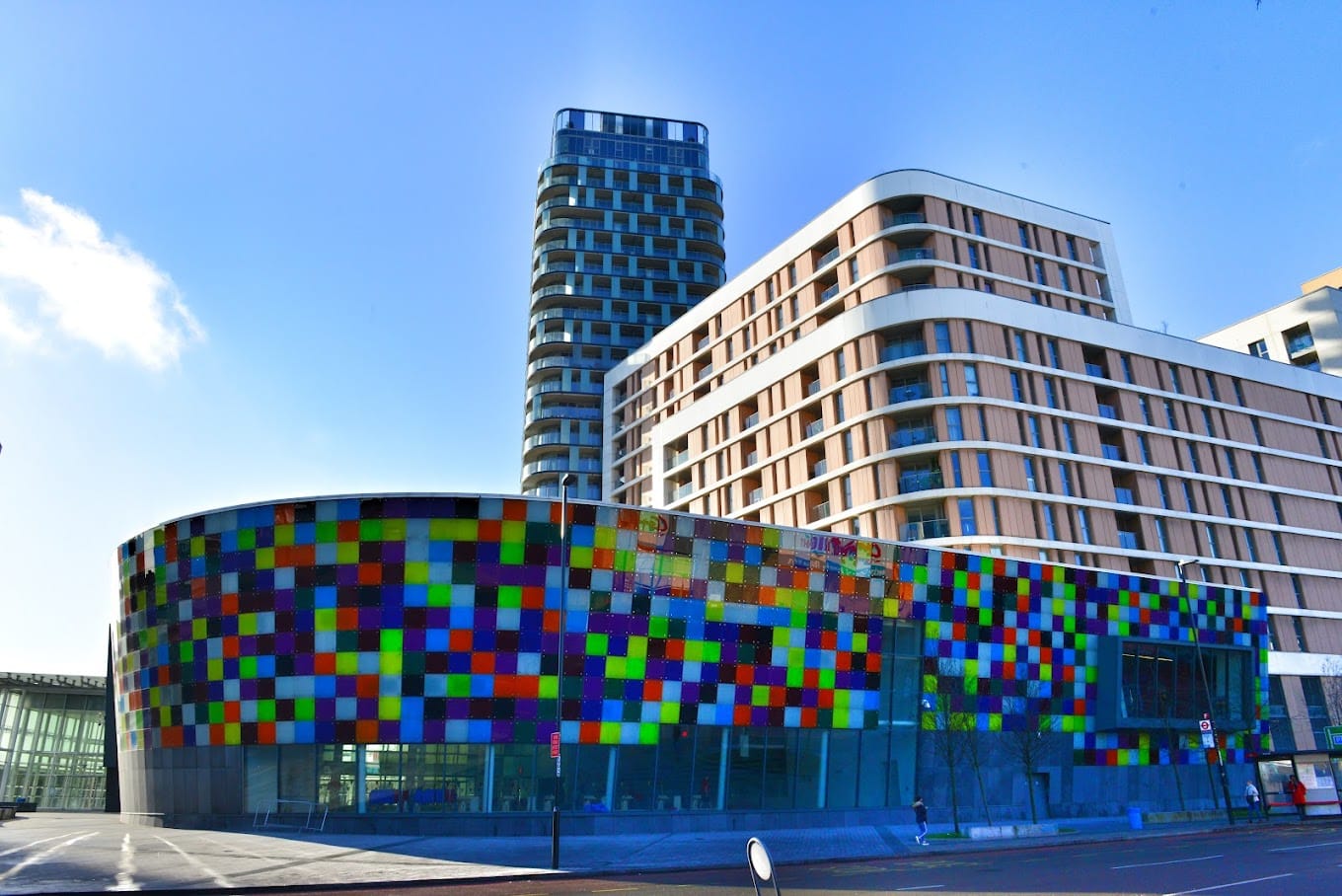
The leisure market was also turning against Fusion: the arrival of budget-friendly gyms on every high street provided unwelcome competition. In one set of internal accounts seen by The Londoner from 2014, Fusion’s eight pool and leisure facilities in Lewisham were generating over £1.6m less than planned — racking up a £804,000 loss, rather than the gleaming £790,000 profit they’d envisaged.
As the charity began to be dubbed “Confusion” by those within the leisure industry, the energetic start-up atmosphere inside Fusion started to sour. Former employees describe a high turnover of staff and recall Kay dismissing colleagues for what seemed like minor infractions. To some, it seemed as though Kay’s growing empire had gone to his head.
This story is free to read. You just need to sign up to join The Londoner's mailling list. And why wouldn't you? You'll get our journalism in your inbox the second we publish, keeping up to date on this and all our stories. No card details required.
Already have an account? Sign In