Anyone who regularly takes the tube will have noticed it: the crashing sound and frantic beeping from a neighbouring gate. Or the feeling of someone a little too close behind you as you pass through a barrier. People finding ways to avoid paying at London’s tube stations was once seen as an occasional occurrence but more recently, if the headlines and viral videos are to be believed, fare evasion has spiralled out of control. An article in The Telegraph late last year declared that one out of every 14 passengers were not paying their way. In recent months, perhaps inspired by the news coverage, fare evasion has been a reliable source of non-stop online discourse and viral content for certain online pundits, held up as a key piece of evidence in the story of London’s decline.
Last year, Robert Jenrick, then a Tory leadership hopeful, went undercover in dark chinos and a short-sleeved shirt at the tube station in Stratford, lying in wait to catch perpetrators in the act. “It’s annoying watching so many people break the law,” he later mused, in a polished video of the operation. “It’s the same with bike theft, phone theft, tool theft, shoplifting, drugs in town centres, weird Turkish barber shops. It’s all chipping away at society.” That a Nottinghamshire MP felt compelled to organise a stunt centred around fare dodging in the capital was perhaps the first sign of how popular of a talking point it had become.
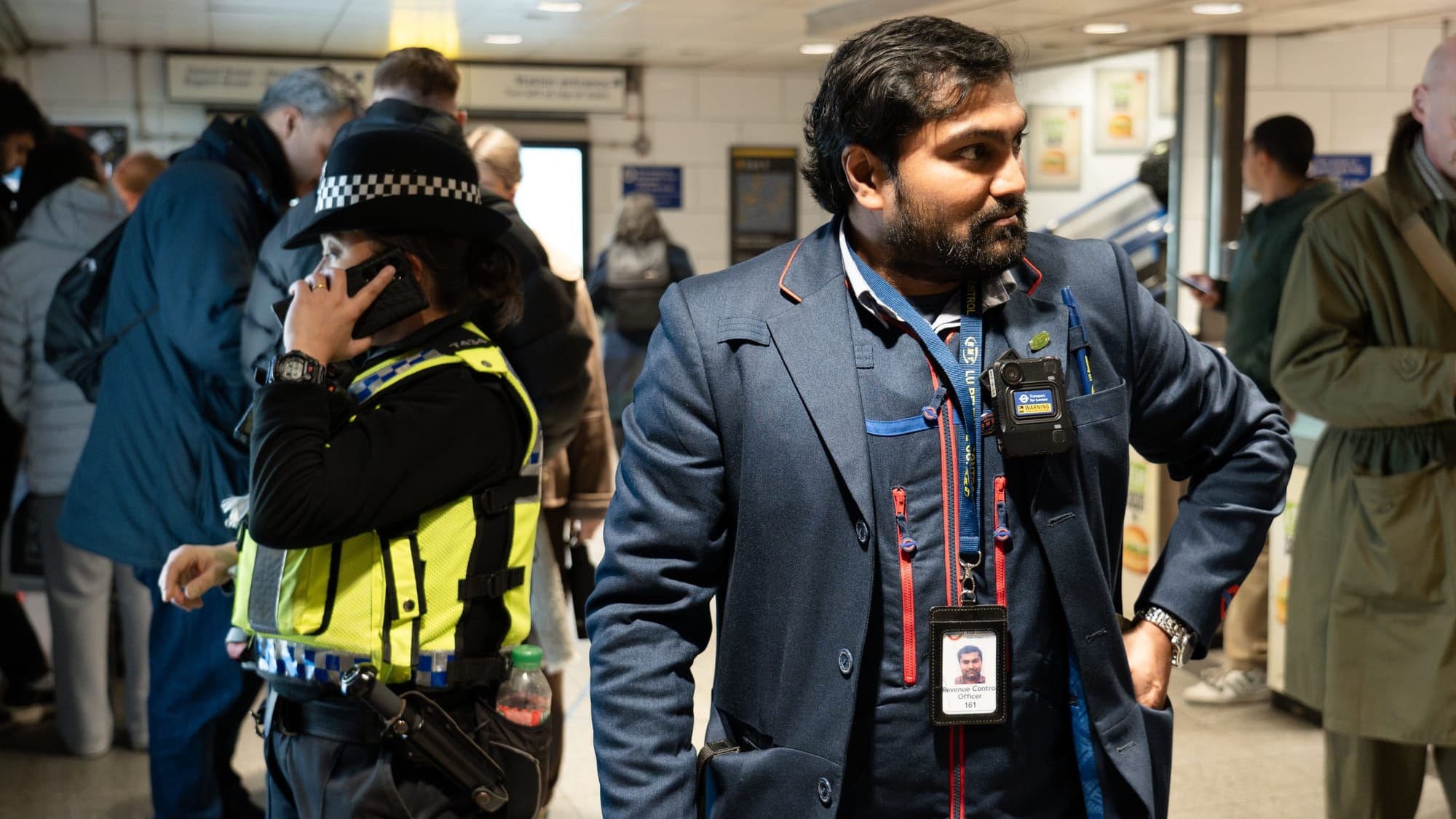
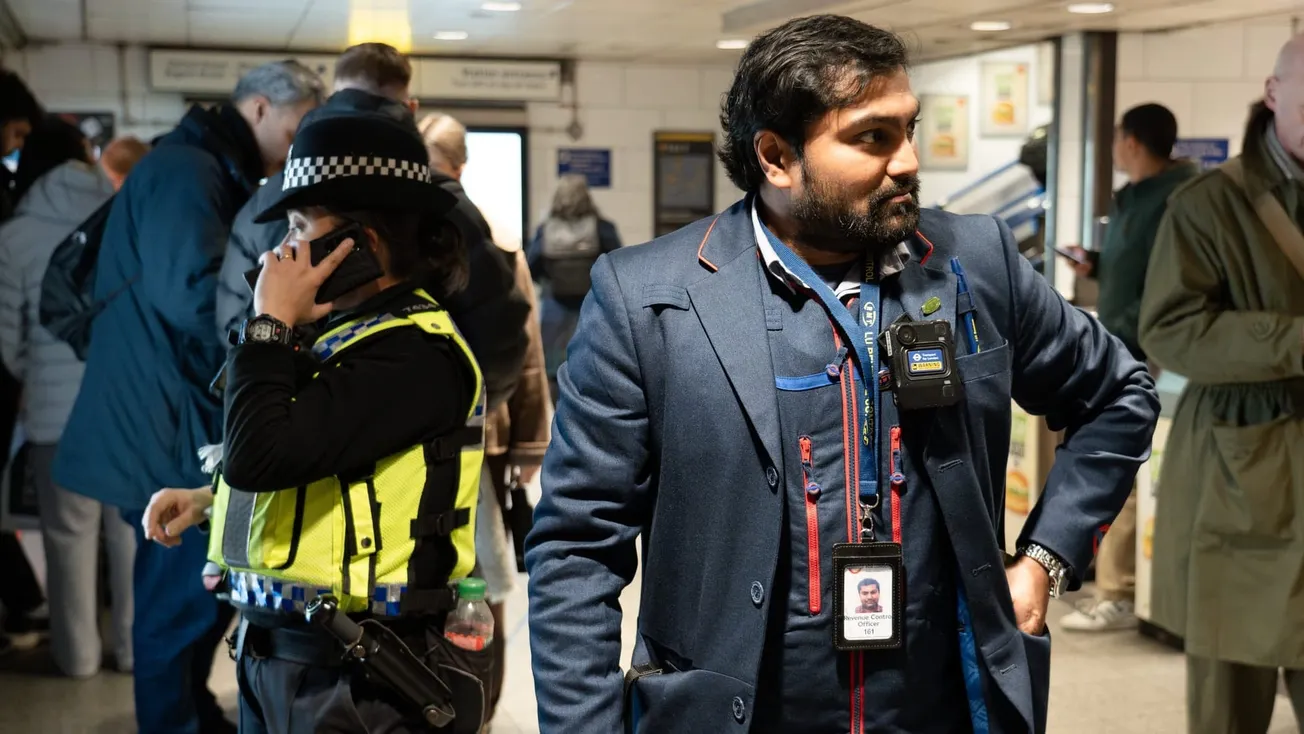
Fare evasion costs the network some £190m each year — not a sum to turn your nose up at for a transport network that, unlike almost any other in the world, is reliant almost totally on fares for its revenue, rather than government subsidies. In the months after Jenrick’s video, I started to notice something interesting in my local tube station in Kilburn. It started with more police patrols, including an occasion where a would-be fare-evader screamed and sprinted back towards the trains when he saw the officers nonchalantly standing by the barriers. Then, weeks later, I saw station staff follow a man who had forced his way past the barriers through the station, frantically radioing his location and description to a central control room — a step up from the usual shrug or half-hearted yell. These were individual skirmishes within a hidden war raging on the tube network: a renewed effort by TfL to try and get to grips with rampant fare evasion, hopefully before the next Jenrick viral stunt.
So where did this sudden epidemic of fare evasion actually come from? Answering that question involved peering closely into the unchallenged assumptions that have inspired months of non-stop debate among politicians and the press. More interestingly, it exposed how a seemingly small problem could, for none of the reasons anyone thinks, push a city’s world-beating transport network into a social crisis.
Hi, I’m Andrew, the staff writer at The Londoner who wrote today’s deep dive.
To read all of it, you’ll need to be a full-fledged paying member. Let me explain why: this piece involved weeks of interviews with transport planners, politicians and far-flung academics, reading news coverage and studying academic research. You literally can't spend the time doing this kind of in-depth work without support from our readers.
Doing this kind of work multiple times a week is a huge and expensive undertaking — especially as we're currently being sued by an Airbnb scammer — and we need your help.
We're offering you a discounted membership rate for The Londoner. That means for three months, you'll pay less than a fiver a month for all of our investigations, features and dispatches (and you can just enjoy our stories uninterrupted).
How fare evasion went viral
Jon Poett likes to talk about fares. A lot. To hear him describe it, there’s almost nothing you can’t discover “with the right ticketing data” — whether that’s the meaning of life or what you should have for dinner. It's probably the main thing he’s thought about since first joining TfL 14 years ago. Which is helpful, given I’m speaking to him to try and work out why so few people seem to actually pay for travel on London’s tube network anymore.
Quite a few of the news reports on the fare evasion crisis don’t waste their time with anything as trivial as data, gesturing at the problem while giving little indication of its actual scale. Take a recent Times spread headlined: “I saw 62 fare dodgers in 90 minutes on the Tube. It’s everywhere”. This seems like a lot, until you realise that the station in question was Stratford, the eighth busiest station on the entire network. Over 150,000 passengers on average use its tube lines every day.
That’s where Poett comes in. He first joined TfL as a frontline ticket inspector, but since then he’s become an operational policy manager, the person in charge of their policy on fare evasion. In short, he’s the person to speak to about forced barriers and missing tickets. What he tells me is surprising: despite it being a readily accepted fact that fare evasion is out of control in London, our 3.5% network-wide rate of evasion is lower than other global cities like New York, Paris or Berlin. It’s also decreasing, having fallen from the 4% evasion rate recorded as we exited the pandemic (when the first comparable data was measured).
London deserves great journalism. You can help make it happen.
You're halfway there, the rest of the story is behind this paywall. Join the Londoner for full access to local news that matters, just £8.95/month.
SubscribeAlready have an account? Sign In