Apologies for our weekend read coming to you a little later than usual this week. We have good reason, though: we wanted to make sure we gave you an no-holds-barred postmortem of what happened with the council elections in Lambeth, one of Labour's former sure-fire councils. But we hit a snag. At just after 11pm last night, it was announced that recounts were delaying progress, and the count would continue tomorrow.
We made a decision to hold back publication until we had the full picture, so that we could ensure the kind of in-depth analysis we're dedicated to bringing you. We hope you understand.
As with all of our Saturday reads, this piece is free. But we can only produce this kind of journalism with your help . If you're a fan of today's piece, please do consider becoming a paying member and ensuring we can continue to do this for years to come.
The first sign that things were falling apart was the “no-tears rule”. As the ballots started to be totted up at the Lambeth count, and the cold, hard reality became unavoidable, rumours spread that the Labour party had ordered candidates not to cry lest they be caught on camera.
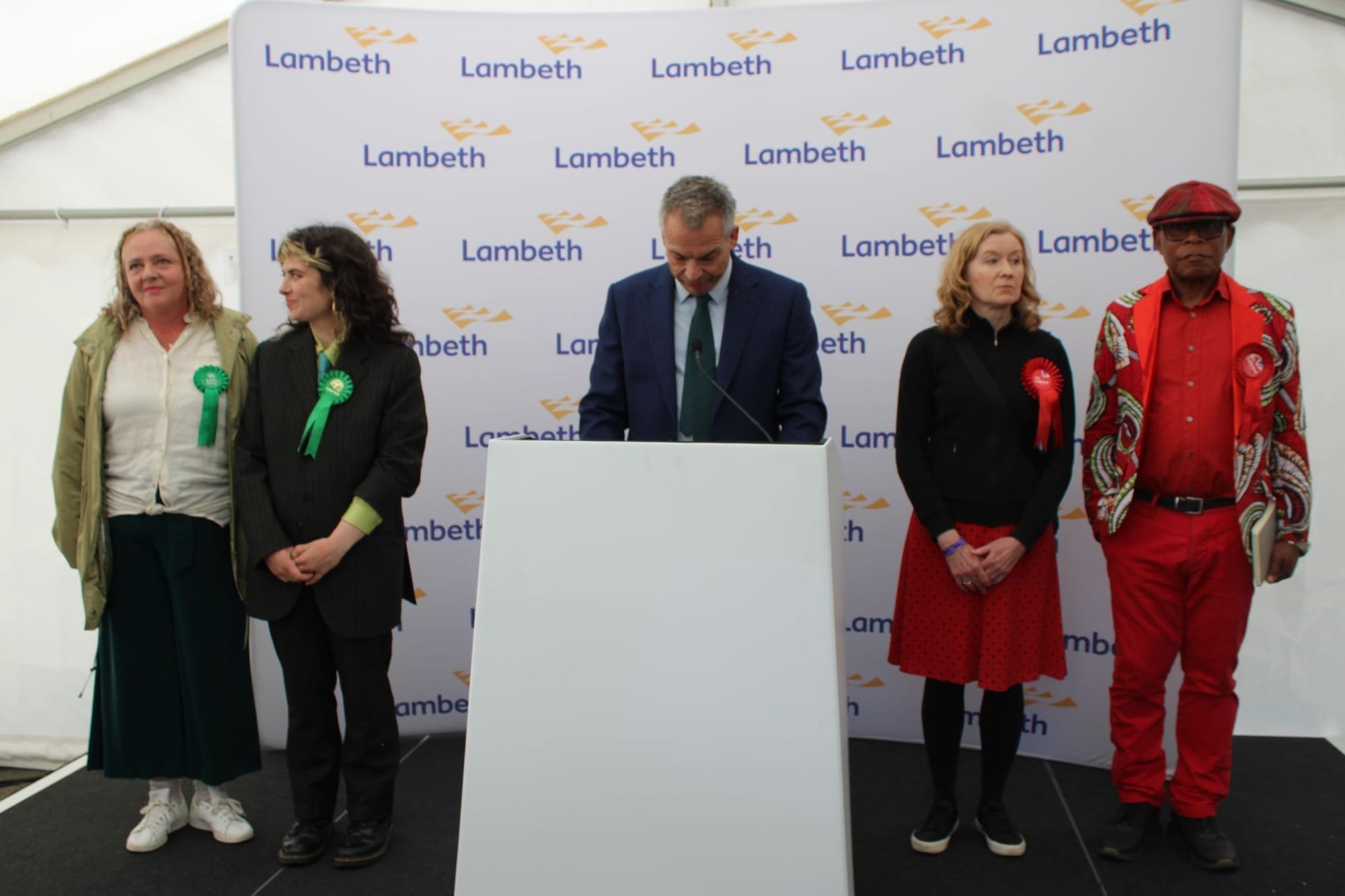
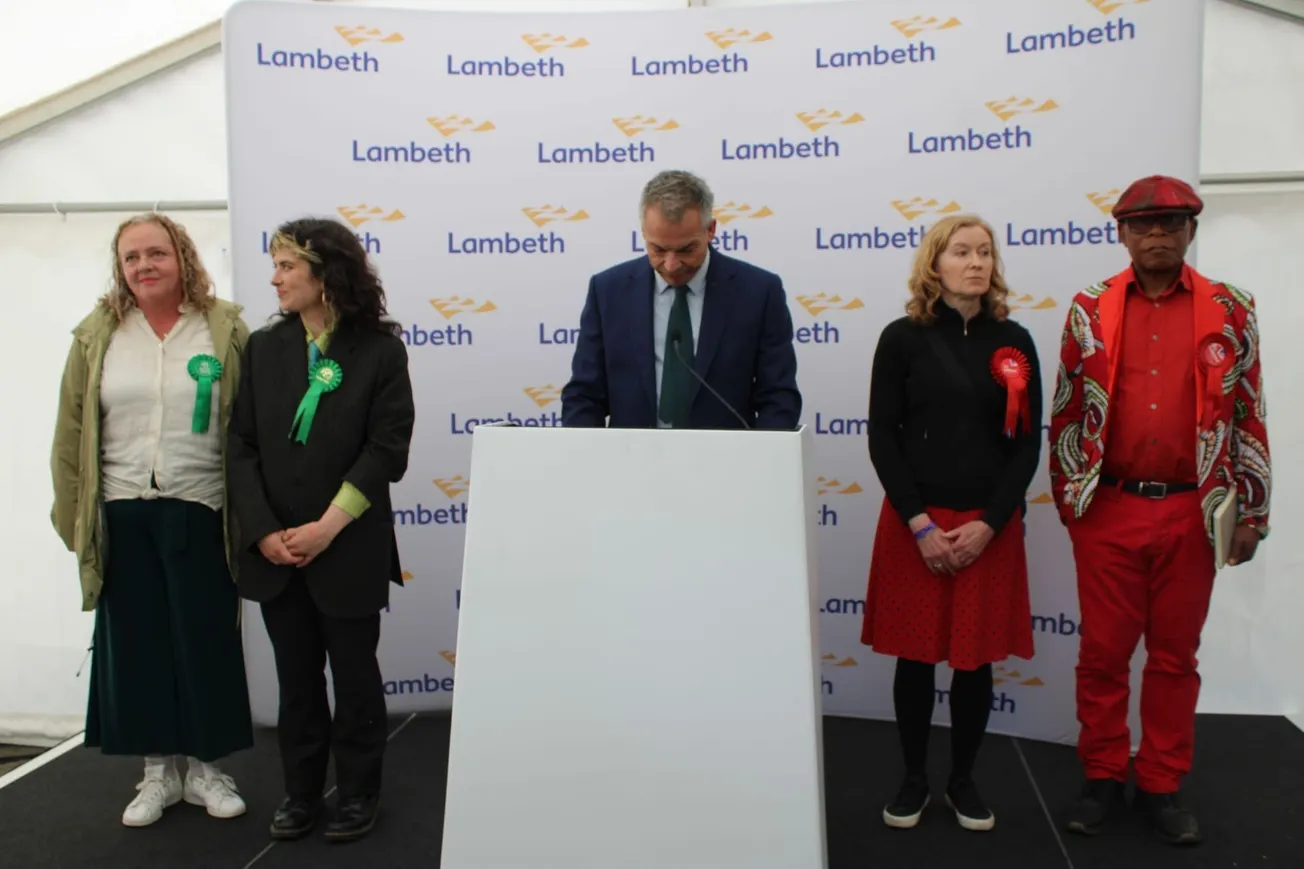
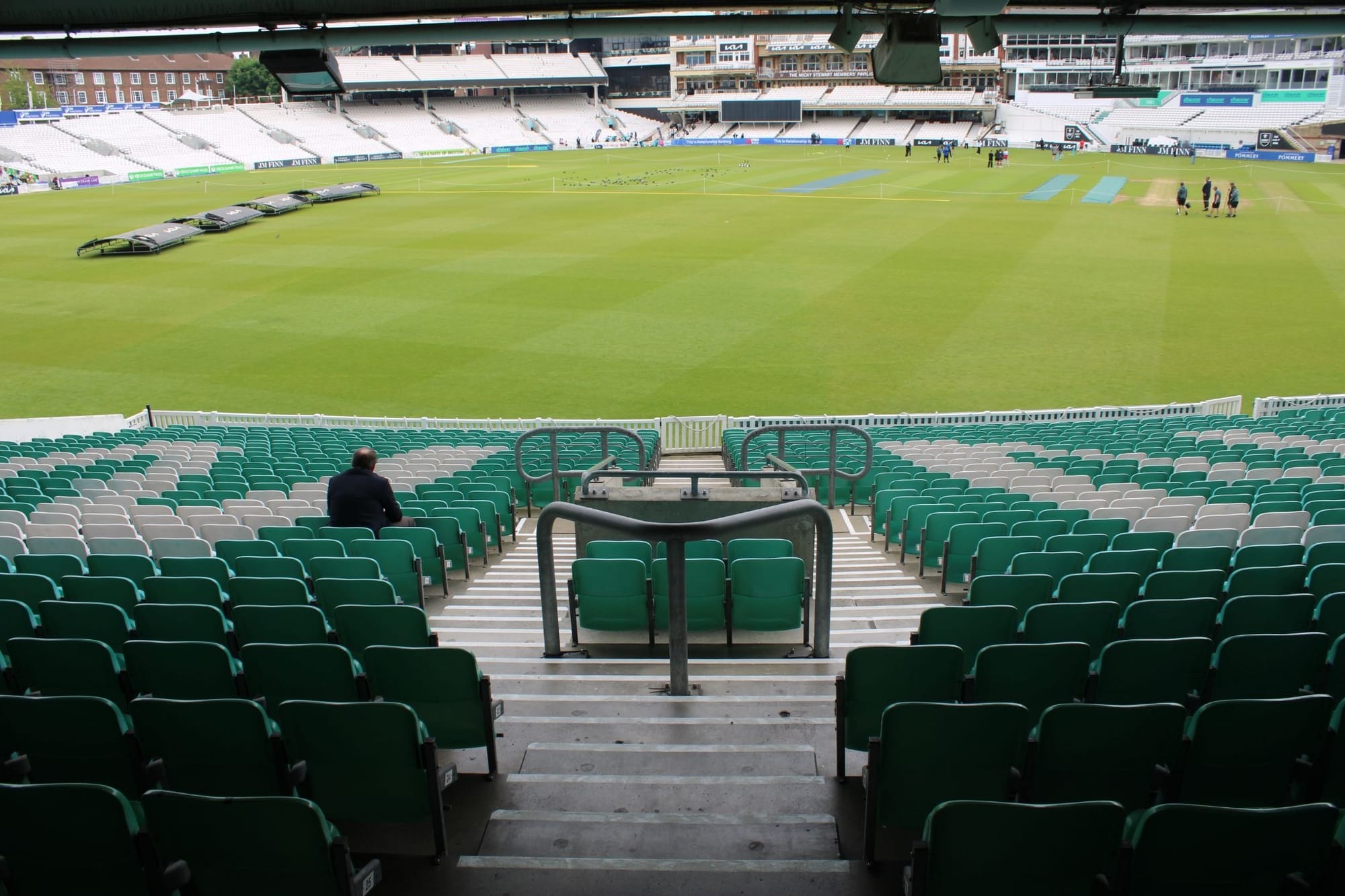
Over the course of the day, a stream of solitary candidates clad in red rosettes, tears held back but an unavoidable despondency to it all, filtered out of the counting hall at the base of the Oval cricket ground. Many were conceding in wards long before they were even finished counting, wards where the Greens didn’t hand out a single leaflet. Wards where the Labour party, for the last two decades, hadn’t thought they even needed to campaign in.
Two hours later, in a tight huddle in the counting hall, a mass of journalists and campaigners watched as the preliminary results came in for the two seats in Brixton’s central Windrush ward, the first to announce. The informal announcement itself was impossible for me to see — too many people had packed in front of the returning officer — but the tears of joy that came with it weren’t. The Greens’ 1,297 and 1,217 had eclipsed Labour’s turnout by over 300 votes.
“It was a lot more than even I expected,” a baffled and beaming Green organiser told me. “If this is the result here, we’re in for a better night than expected.” The night was going well everywhere. It was the night when Labour’s London Red Wall buckled.
At the time of writing, Labour has lost control of at least 11 councils, including Waltham Forest, Enfield and Westminster, and hundreds councillors across the city, mostly to the Greens, as well as Liberal Democrats, Reform and the Conservatives. So how did it happen? We dug deep on one former Labour stronghold in a bid to find out.

Hi, Andrew here. Don't worry, this is not a paywall! All you have to do to continue reading is sign up to The Londoner for free below, no card details needed. Plus, you'll get sent all our best articles the moment that they're released.
This story is free to read. You just need to sign up to join The Londoner's mailling list. And why wouldn't you? You'll get our journalism in your inbox the second we publish, keeping up to date on this and all our stories. No card details required.
Already have an account? Sign In