Get yourself down to Fleet Street
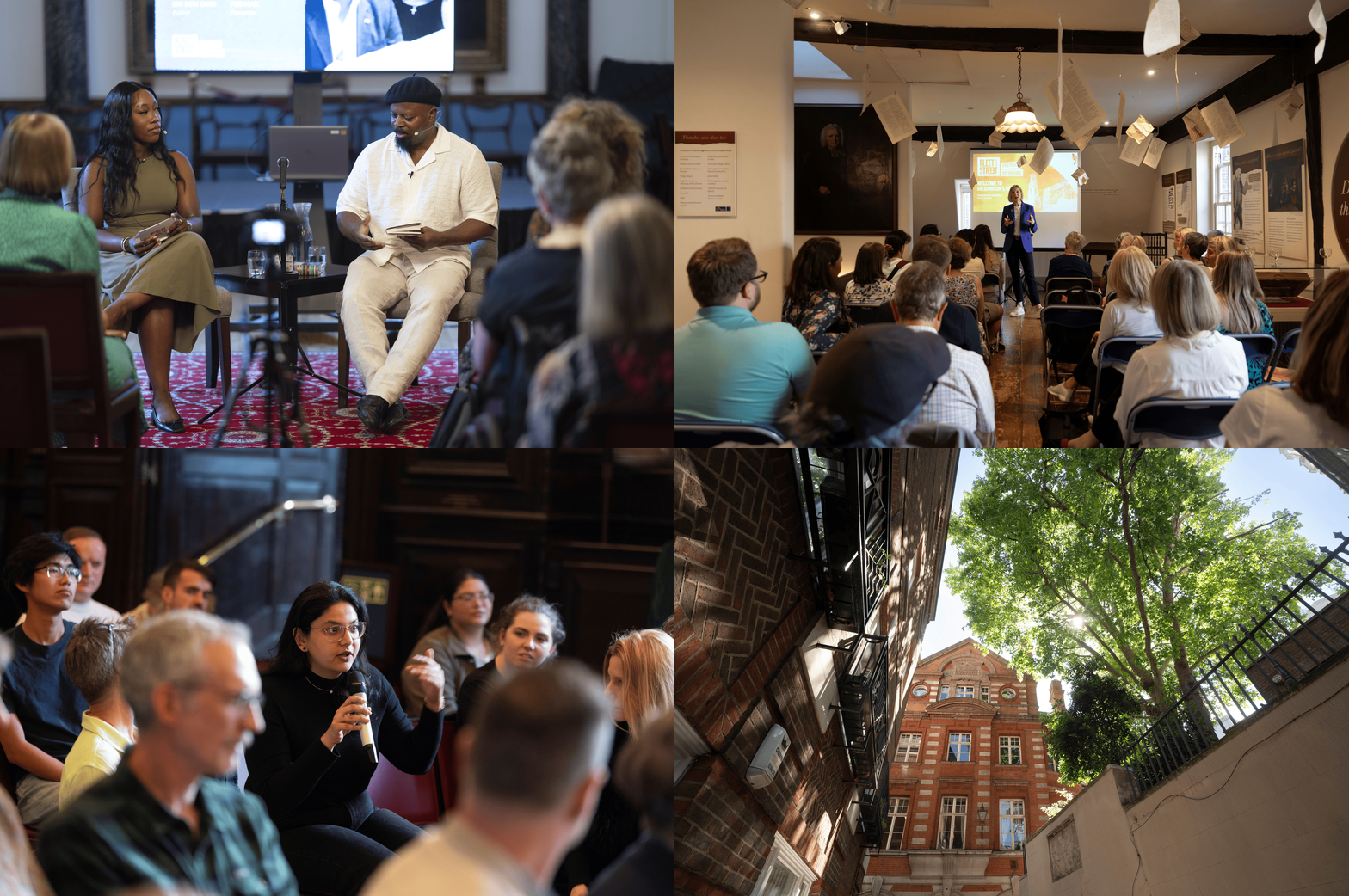
Untangling Victorian murders, digging into Shakespeare’s life in London and retracing Agatha Christie’s footsteps across the capital: the Fleet Street Festival of Words is back from 7th to 16th May and we’re excited to be going along. You can hear Sir Ben Okri discuss A Tale of Two Cities, the author Lottie Moggach talk about the crime that inspired her new book and watch a live recording of The State Of It podcast from The Times, where leading political hacks Patrick Maguire, Gabriel Pogrund and Steven Swinford will offer the inside scoop on what’s happening in Westminster.
Click below to book your tickets and we’ll see you there.
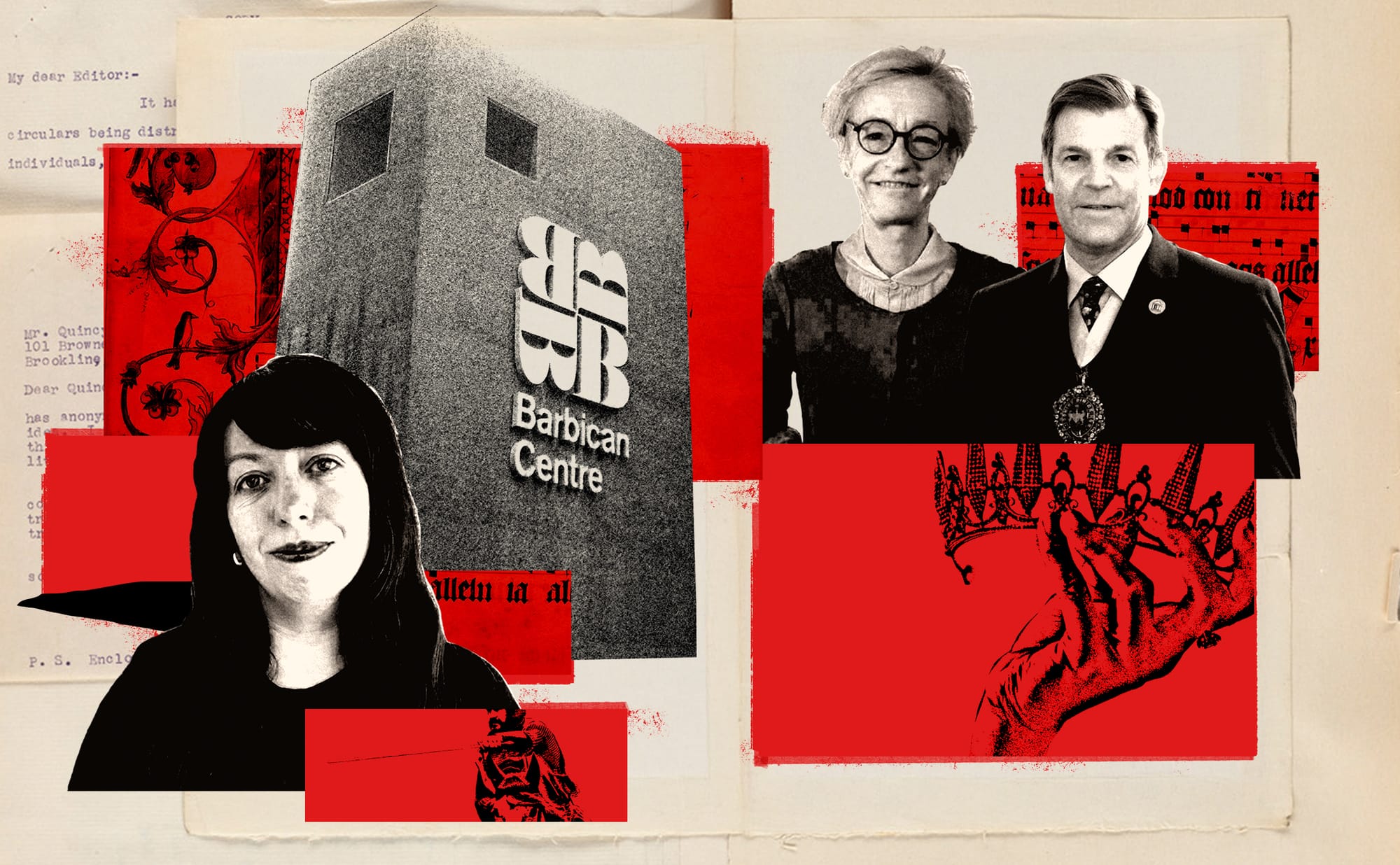
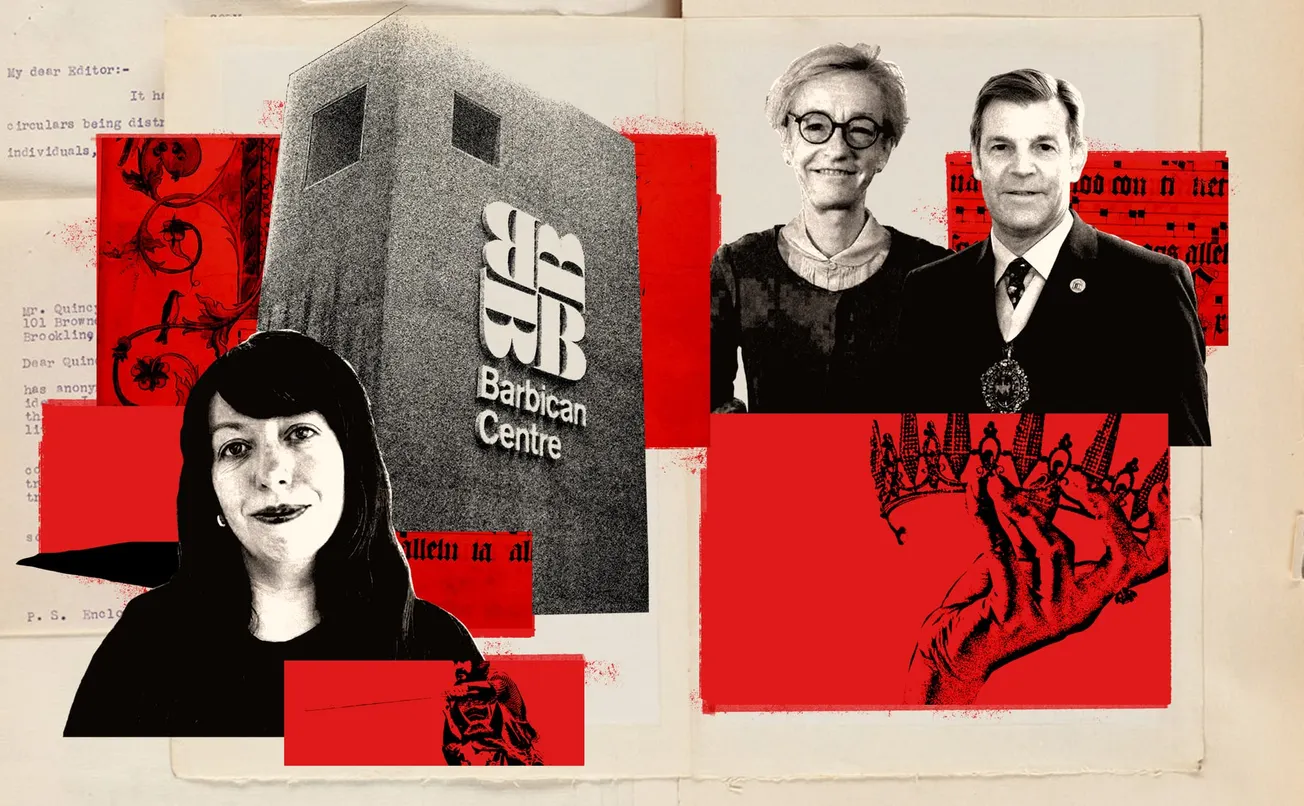
Only 10 minutes into the Barbican Centre’s board meeting, the gathered officials kicked me out. The sole public attendee at the supposedly open meeting, I had navigated the maze of corridors in the City of London’s Guildhall meeting and parked myself on a chair in the corner of a wood-panelled conference room in an attempt to better understand a crisis that has been hanging over one of the capital’s most important arts institutions for months.
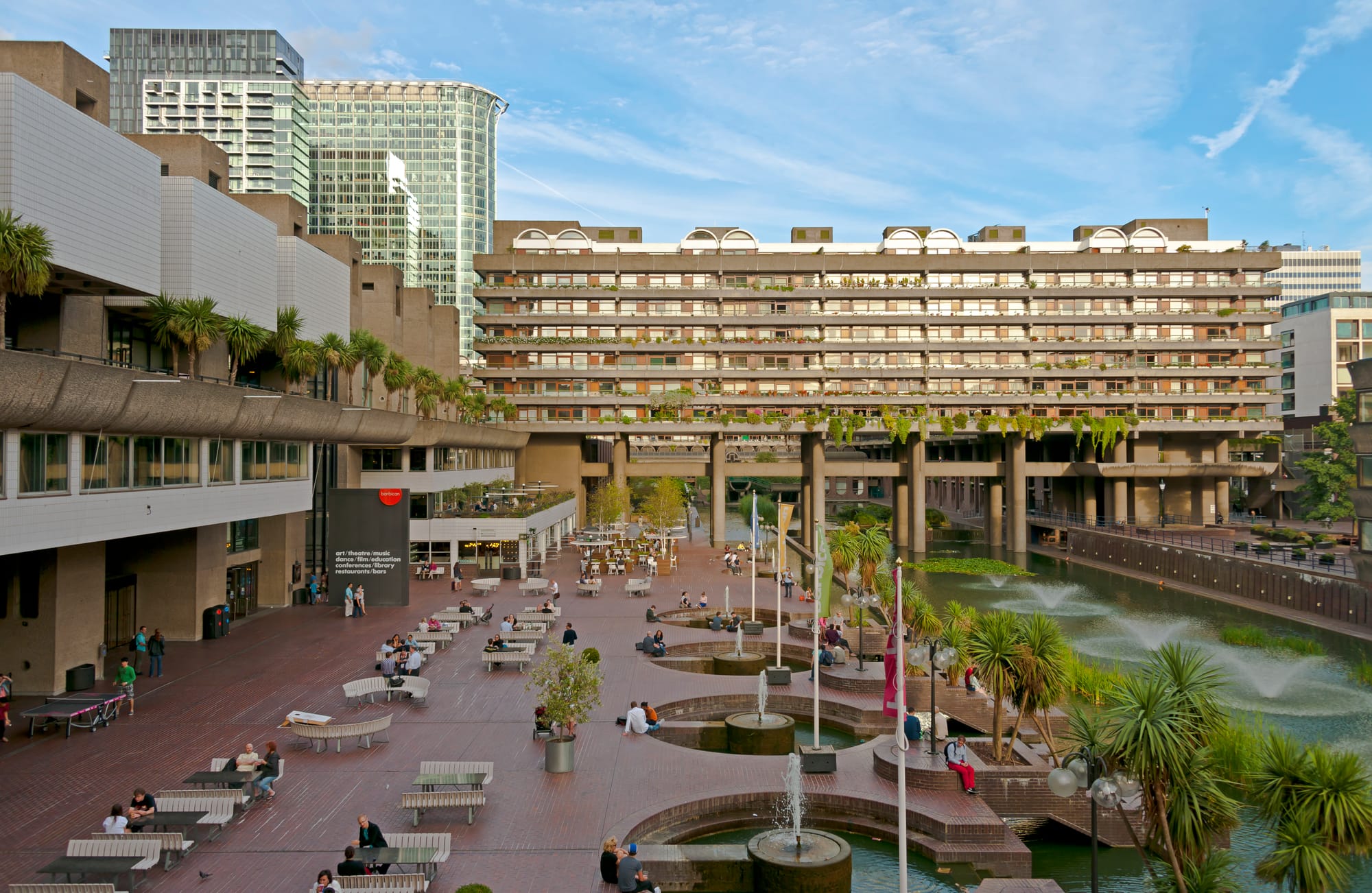
At the end of last year, 250 of the country’s leading arts professionals had massed on the iconic lakeside terrace of the Barbican. They were there to celebrate the launch of the Barbican Centre’s new artistic programme and, by extension, the woman who had designed it: Devyani Saltzman. An esteemed author and artistic director who’d worked at and led a string of the US and Canada’s major art festivals and institutions, including the Art Gallery of Ontario, the fourth largest museum in North America.
Saltzman had joined the Barbican as artistic director just over a year before, and within that time had revolutionised their programming of plays, films, performances and exhibitions. In doing so, she had become the public face of the organisation. One magazine even labelled her the “driving force” behind the Barbican.
Hi, I'm Andrew, the author of this story. For this piece, I spent months tracking down former and current employees, speaking to sources and getting the inside scope from arts professionals.
As a result, this article is paywalled. Old school, shoe-leather journalism takes time and money. The internet has convinced us nothing has value, which means everything should be free. We don't believe that. At The Londoner, we know it's worth paying a fair price to be part of something of quality, to put pride back into our local news.
Join us in bringing local journalism back to the capital for just £7.45 a month (if you pay annually), and get all our news, features, briefings and investigations for half price. Plus, you'll be supporting the sort of reporting that actually gets out from behind a screen and into the streets, taking you into the nooks and crannies of your city.
The launch was a big moment symbolically for the Barbican, a chance to move on after multiple institutional racism scandals and carve a bright new future at the forefront of British arts with its first woman of colour at the helm of its artistic programming. Introducing Saltzman to the crowd that night, and among the many people showering her in praise, was William Russell: a City of London politician and the chair of the board that runs the centre for the City.
But just a few weeks later, news broke that Saltzman was leaving the Barbican, with the organisation putting out a statement celebrating her “highly successful tenure”. An outraged open letter was sent to the Barbican signed by more than 170 writers and creatives, including Salman Rushdie and Pankaj Mishra. It claimed the move raised “serious questions about the institution’s commitment to sustaining global majority leadership at the highest levels”. The Barbican and the City of London, the archaic, thousand-year old local authority that runs the centre, has consistently refused to comment publicly about the upheaval. Yet despite extensive coverage in the national and artistic press, no-one has been able to work out what happened.
Until now. Over the past few weeks, we’ve exclusively spoken to former Barbican leaders and staffers and leading figures in the art world to understand what’s really been going on at one of the country’s leading art centres. In doing so, we found out that the senior restructure has left the organisation without an artistic director, and heard from ex-staff who painted a picture of a workplace akin to “Game of Thrones”, where the City of London, the centre’s owner and patron, had increasingly curtailed its independence. And at the end of this tale of spiralling deficits and accusations of conflicts of interest, serious questions about the Barbican’s future ahead of a planned closure for a £191m refurbishment begin to emerge.
London deserves great journalism. You can help make it happen.
You're halfway there, the rest of the story is behind this paywall. Join the Londoner for full access to local news that matters, just £8.95/month.
SubscribeAlready have an account? Sign In